We’ve all been there. Scrolling through a playlist when suddenly a familiar melody hits different. The voice is new, the arrangement shifted, maybe there’s a rawness that wasn’t there before. Then it clicks: this isn’t the original. And honestly? Sometimes the cover version just hits harder.
It sounds almost blasphemous to say out loud. The original artist poured their heart into creating something from nothing, yet someone else comes along and, well, perfects it. But that’s the wild thing about music. A song can live multiple lives, and occasionally, the second life outshines the first. Let’s dive into some of the most daring cover songs that managed to eclipse their predecessors.
Johnny Cash’s “Hurt” – A Nine Inch Nails Song Reborn
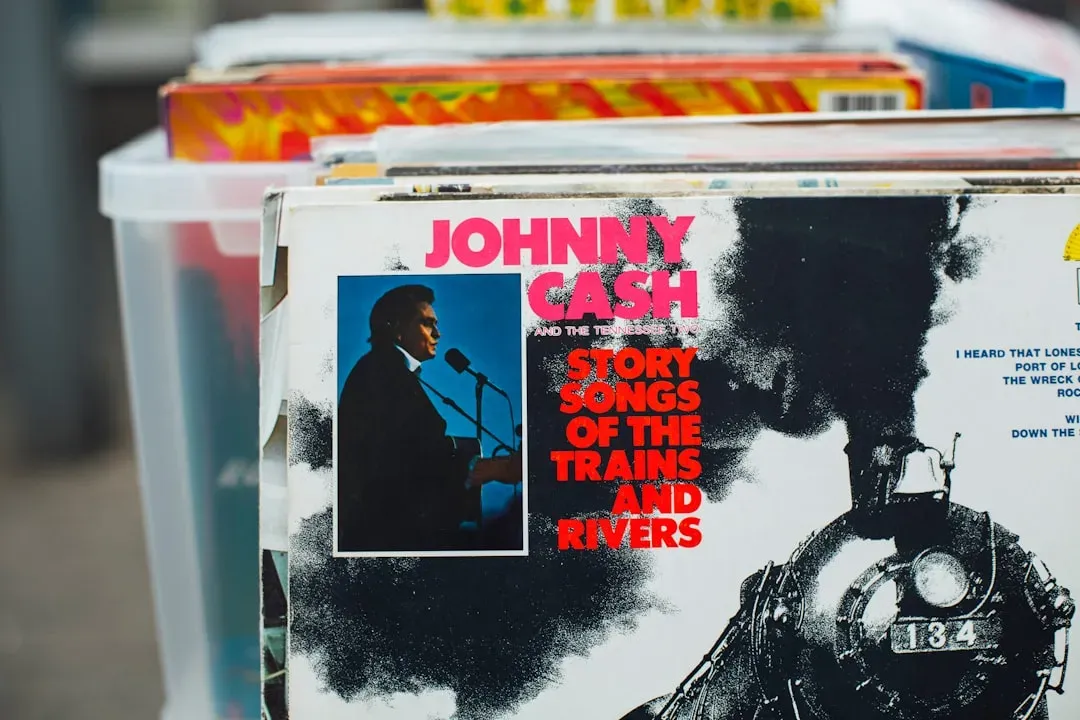
Trent Reznor wrote “Hurt” as a harrowing exploration of addiction and self-destruction. When Johnny Cash covered it in 2002, he transformed it into something else entirely. His weathered voice carried decades of lived experience that Reznor, brilliant as he was, simply couldn’t access at the time.
The accompanying music video showed Cash’s frail hands, his deteriorating body, and images from his younger days. It became less about drug addiction and more about mortality itself. Reznor himself admitted the song wasn’t his anymore. That’s perhaps the highest compliment a cover can receive.
Cash stripped away the industrial edge and left raw piano and acoustic guitar. Sometimes less really is more. The Man in Black made “Hurt” his eulogy, and nobody who watches that video forgets it.
Jeff Buckley’s “Hallelujah” – Rescuing Leonard Cohen’s Masterpiece
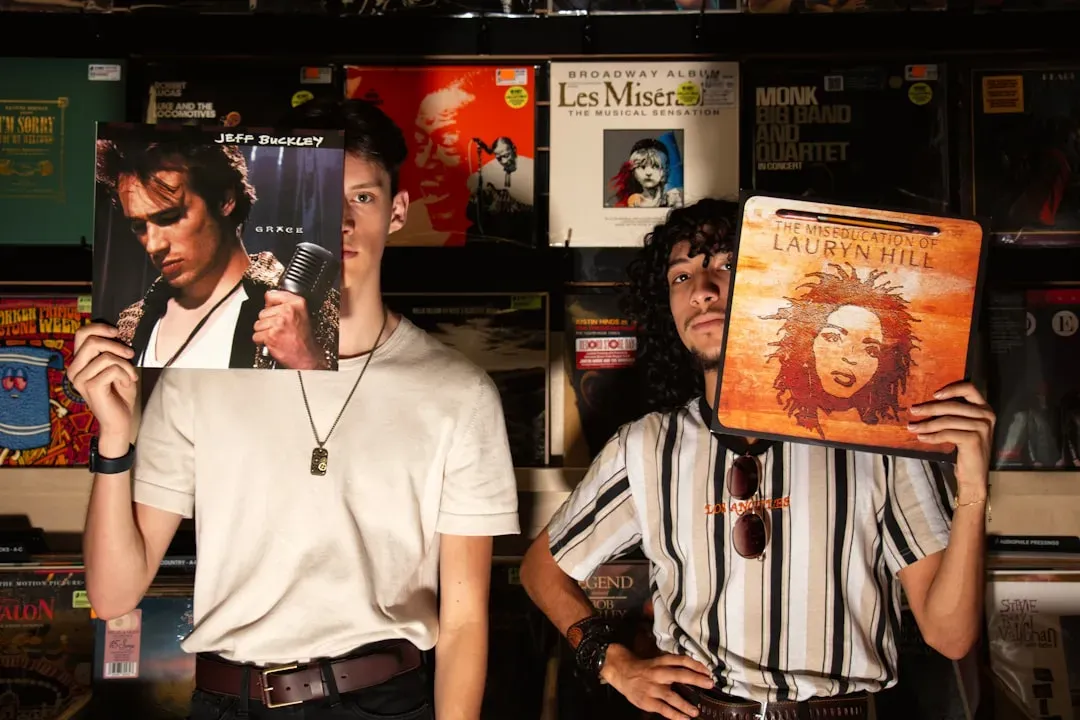
Leonard Cohen’s original “Hallelujah” was beautiful but understated, almost buried in his 1984 album. Jeff Buckley heard something transcendent in those verses. His 1994 version turned the song into a spiritual experience.
Buckley’s voice soared where Cohen’s rumbled. He brought vulnerability and yearning that made listeners feel like they were eavesdropping on a prayer. The arrangement was sparse, letting every word breathe and resonate.
Cohen’s version had roughly eighty verses he cycled through over the years. Buckley chose specific ones that emphasized the sacred and profane intertwined. It’s hard to say for sure, but his interpretation might be why the song became the cultural phenomenon it is today. Countless artists have covered it since, but they’re usually chasing Buckley’s ghost, not Cohen’s original.
Aretha Franklin’s “Respect” – Flipping Otis Redding’s Script
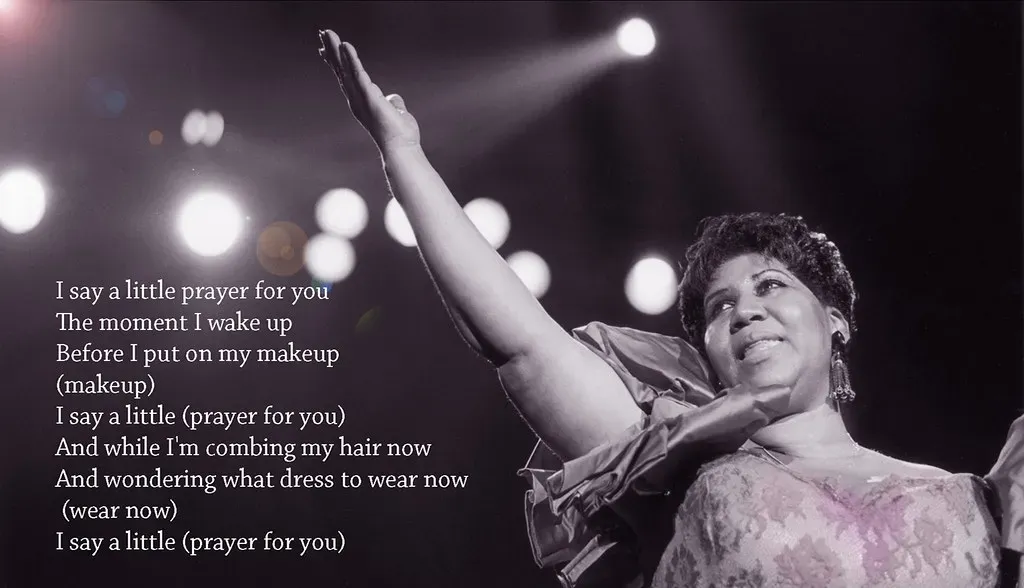
Otis Redding wrote “Respect” from the perspective of a working man asking his woman for appreciation when he comes home. Respectful enough, but fairly conventional for 1965. Then Aretha Franklin got hold of it in 1967 and completely rewired its DNA.
She turned it into a feminist and civil rights anthem. That famous “R-E-S-P-E-C-T” spelling became a battle cry. Franklin demanded respect, she didn’t ask for it, and her powerhouse vocals made clear she wouldn’t settle for less.
The arrangement was tighter, punchier, more urgent. Her backup singers added layers that Redding’s version lacked. Even Redding himself acknowledged Franklin owned the song after her version dropped. The Queen of Soul took something good and made it immortal.
The Animals’ “House of the Rising Sun” – Electrifying Folk Tradition
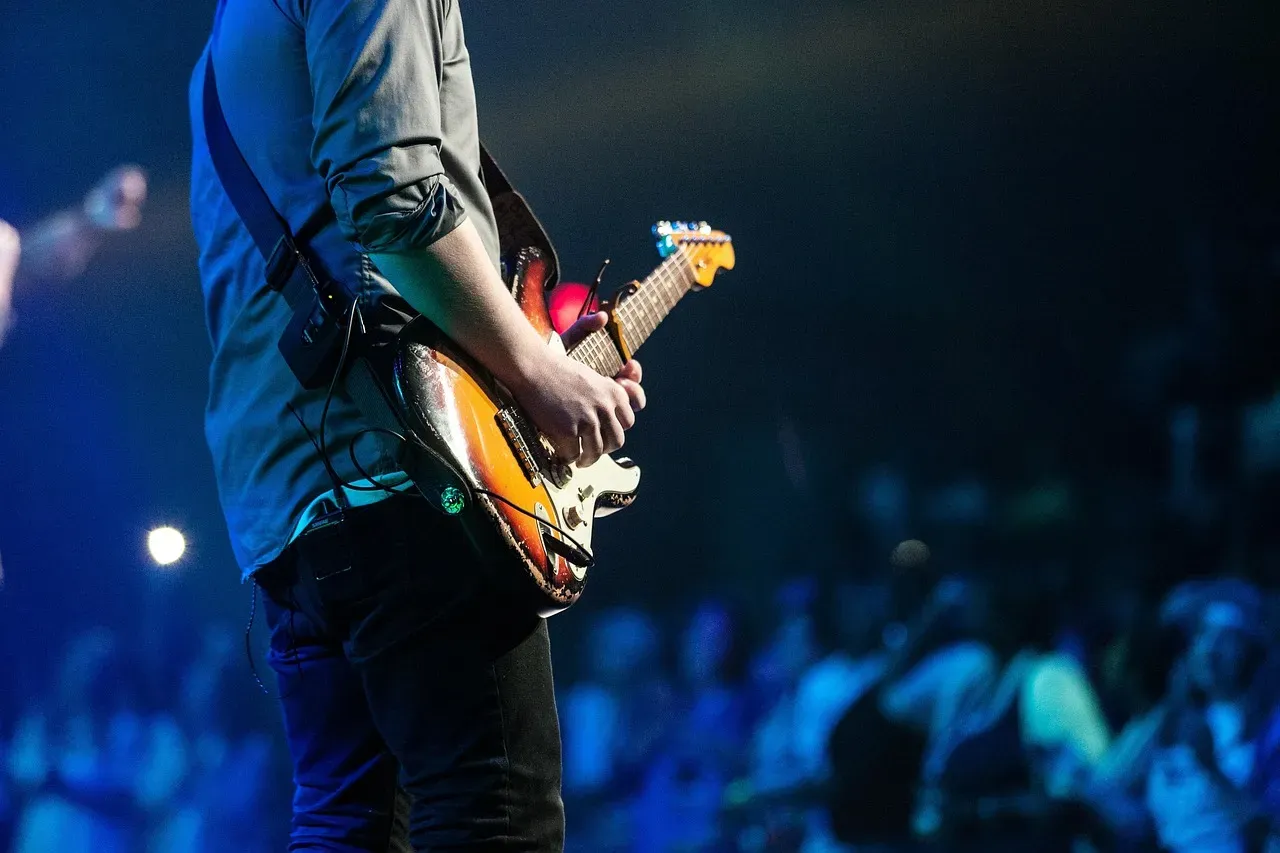
This traditional folk song had been recorded dozens of times before The Animals touched it. Most versions were sleepy, acoustic affairs telling the tale of ruin in New Orleans. The Animals plugged in and changed everything.
Eric Burdon’s voice carried genuine anguish, like he’d actually spent time in that house of ill repute. The electric guitar work was hypnotic, building tension through the entire track. At over four minutes, it was considered too long for radio in 1964, but stations played it anyway.
The Animals proved rock and roll could tackle traditional material and make it relevant. Their version became the definitive recording of a song that had existed in various forms for decades. Sometimes tradition needs a jolt of electricity to survive.
Jimi Hendrix’s “All Along the Watchtower” – Outdoing Dylan
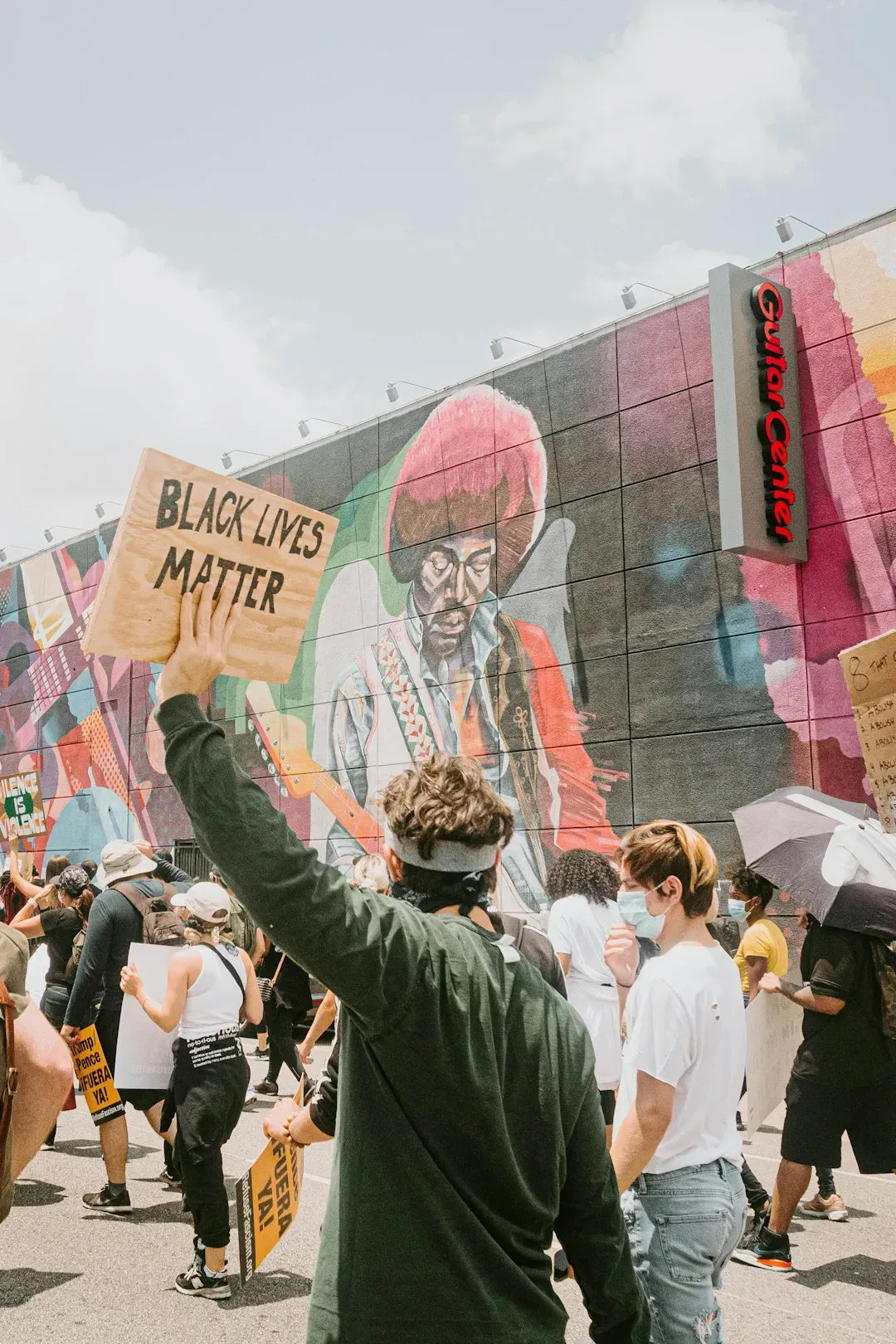
Bob Dylan writes brilliant songs, no question. But his 1967 recording of “All Along the Watchtower” was relatively straightforward, almost understated. Jimi Hendrix heard apocalyptic urgency in those lyrics that Dylan hadn’t quite captured.
Hendrix’s 1968 version exploded with energy. His guitar work sounded like civilization collapsing in real-time. The song became psychedelic prophecy instead of folk observation. Dylan himself started performing it Hendrix’s way, which tells you everything.
The arrangement was denser, more layered, with backwards guitar effects and a driving rhythm section. Hendrix made the watchtower feel real, made you sense the approaching riders. He took Dylan’s sketch and painted a masterpiece.
Whitney Houston’s “I Will Always Love You” – Dolly Parton’s Sweet Song Goes Massive
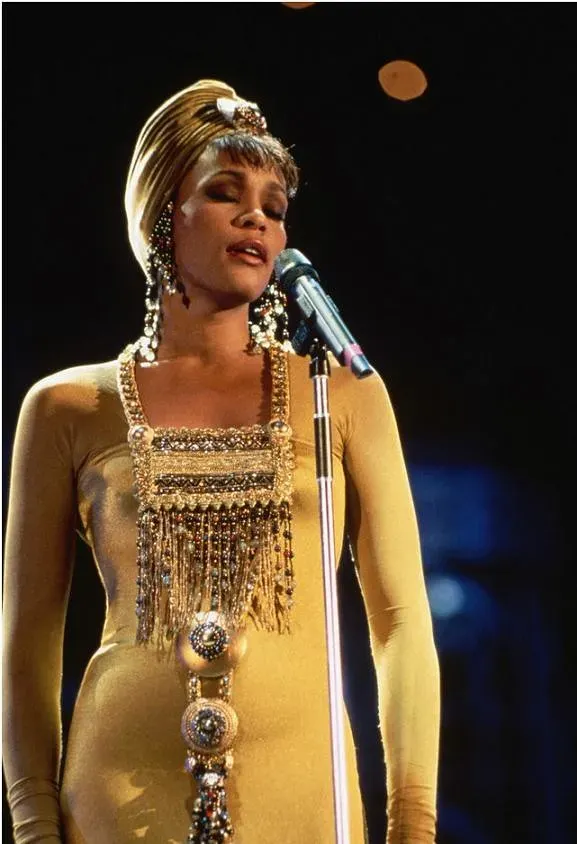
Dolly Parton wrote this as a tender goodbye to her business partner Porter Wagoner. Her 1974 version was delicate, almost whispered. Whitney Houston turned it into the biggest power ballad of the nineties.
Houston’s vocal performance was technically stunning. She started quiet, lulling listeners into comfort, then unleashed that legendary voice in the final chorus. The song became the soundtrack to “The Bodyguard” and dominated charts worldwide.
Parton has said she’s grateful for Houston’s version because of the royalty checks it generates. Fair enough. But beyond the money, Houston showed how the same lyrics could carry entirely different emotional weight. Her version became synonymous with heartbreak itself, played at countless weddings and funerals alike.
Soft Cell’s “Tainted Love” – Transforming Northern Soul Into Synth-Pop

Gloria Jones recorded “Tainted Love” as a Northern soul track in 1964. It flopped commercially despite being beloved in UK club circuits. Marc Almond of Soft Cell heard it years later and reimagined it completely.
The 1981 Soft Cell version stripped away the horns and replaced them with throbbing synthesizers. Almond’s vocal delivery was detached, almost cold, which somehow made the desperation in the lyrics more powerful. The contrast was brilliant.
It became one of the defining tracks of the eighties new wave movement. The song spent 43 weeks on the Billboard Hot 100, a record at the time. Jones’ original was fantastic, but Soft Cell’s version captured a specific moment in musical evolution. Sometimes timing is everything.
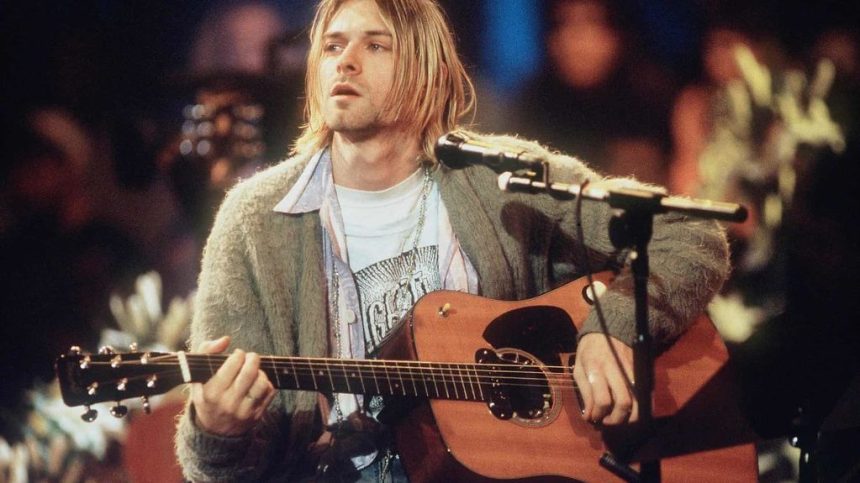
Nirvana’s “The Man Who Sold the World” – Unplugging Bowie’s Glam
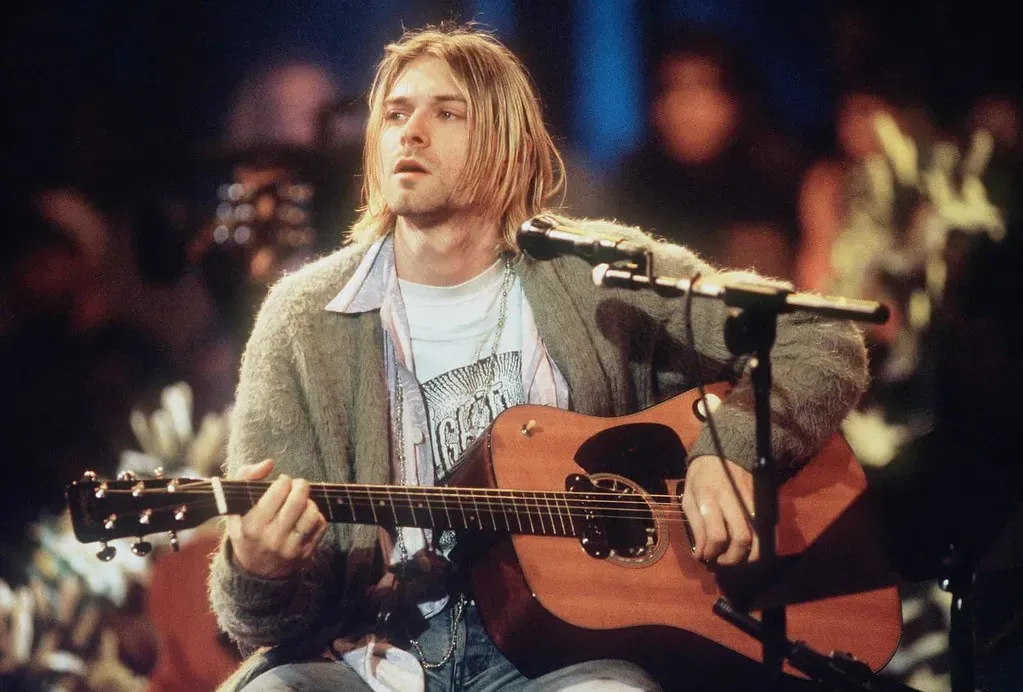
David Bowie’s 1970 original had a certain proto-metal heaviness to it, befitting the strange glam rock era. Kurt Cobain performed an acoustic version on MTV Unplugged in 1993 that completely reimagined the song’s essence.
Cobain’s voice carried weariness that made the existential lyrics land differently. The acoustic arrangement was haunting, almost fragile. Many listeners thought it was a Nirvana original, which probably amused and annoyed Bowie in equal measure.
The performance captured Cobain near the end of his life, and there’s something prophetic about his interpretation. He made Bowie’s surreal lyrics feel personal and immediate. It’s a rare case where stripping away production reveals deeper truth.
Guns N’ Roses’ “Knocking on Heaven’s Door” – Amplifying Dylan Again
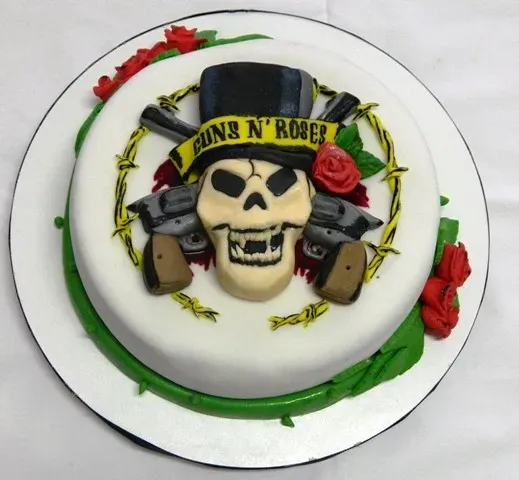
Bob Dylan appears twice on this list, which says something about his songwriting genius and his sometimes understated delivery. His 1973 “Knocking on Heaven’s Door” was lovely and melancholic. Guns N’ Roses made it a rock anthem.
Axl Rose’s vocals added desperation and rage to lyrics about dying. Slash’s guitar work transformed the simple melody into something epic. The 1987 version felt less like a peaceful acceptance of death and more like screaming against it.
The extended outro became a showcase for Slash’s legendary guitar skills. Guns N’ Roses proved that sometimes a gentle folk song is actually a hard rock ballad in disguise. They just had to turn up the volume to reveal it.
Conclusion

These covers remind us that songs are living things. They evolve, shift, and sometimes find their true voice through another artist’s interpretation. The original songwriters gave birth to these tracks, but the covering artists showed us dimensions we never knew existed.
What makes a great cover isn’t just technical skill or production value. It’s bringing genuine perspective and emotional truth that resonates in ways the original didn’t quite capture. These artists didn’t just copy, they reimagined, and in doing so, created something new and equally valid.
Music history is full of covers that outshine their sources, and honestly, that’s beautiful. It means songs can grow beyond their creators, finding new life and meaning across generations. What’s your take? Did we miss any covers you think surpassed the original? Let us know in the comments.