We’ve all heard the stories of priceless masterpieces hanging in museums or ancient texts carefully preserved behind glass. But what we rarely think about is how close some of these treasures came to vanishing forever. A careless soldier’s boot, a warehouse fire, or a simple misunderstanding could have erased entire chapters of human creativity from history. These weren’t just close calls – they were moments where fate balanced on a knife’s edge.
Some of the world’s most celebrated cultural icons survived by pure luck, last-minute rescues, or the bravery of a single person who refused to let them disappear. Let’s dive into the narrow escapes that saved these irreplaceable works from oblivion.
The Mona Lisa’s Wartime Journey Through French Countryside
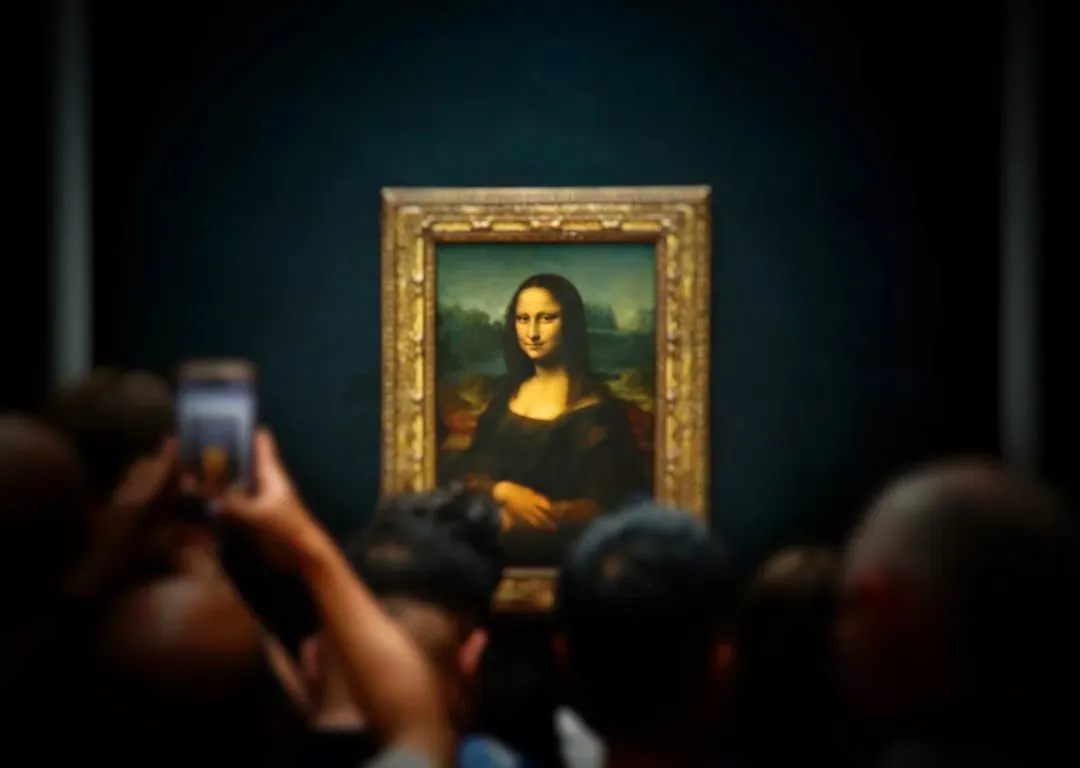
When Nazi forces began their invasion of France in 1940, the Louvre faced an unthinkable crisis. The museum’s curators knew they had to act fast or risk losing centuries of irreplaceable art. The Mona Lisa, already the most famous painting in the world, became the focus of a desperate evacuation plan. Museum staff wrapped Leonardo da Vinci’s masterpiece in waterproof coverings and red velvet, then loaded it into an ambulance marked with a Red Cross symbol.
The painting traveled through the French countryside from château to château, always staying one step ahead of German troops. At one point, it was hidden in a small abbey where the curator slept next to it every night. The Mona Lisa changed locations six times during the war, spending its final years of hiding in a château near the Pyrenees. If just one of those moves had been intercepted or if a single bombing raid had hit the wrong building, we’d be talking about the Mona Lisa in past tense today.
Michelangelo’s David Nearly Became Rubble During World War II
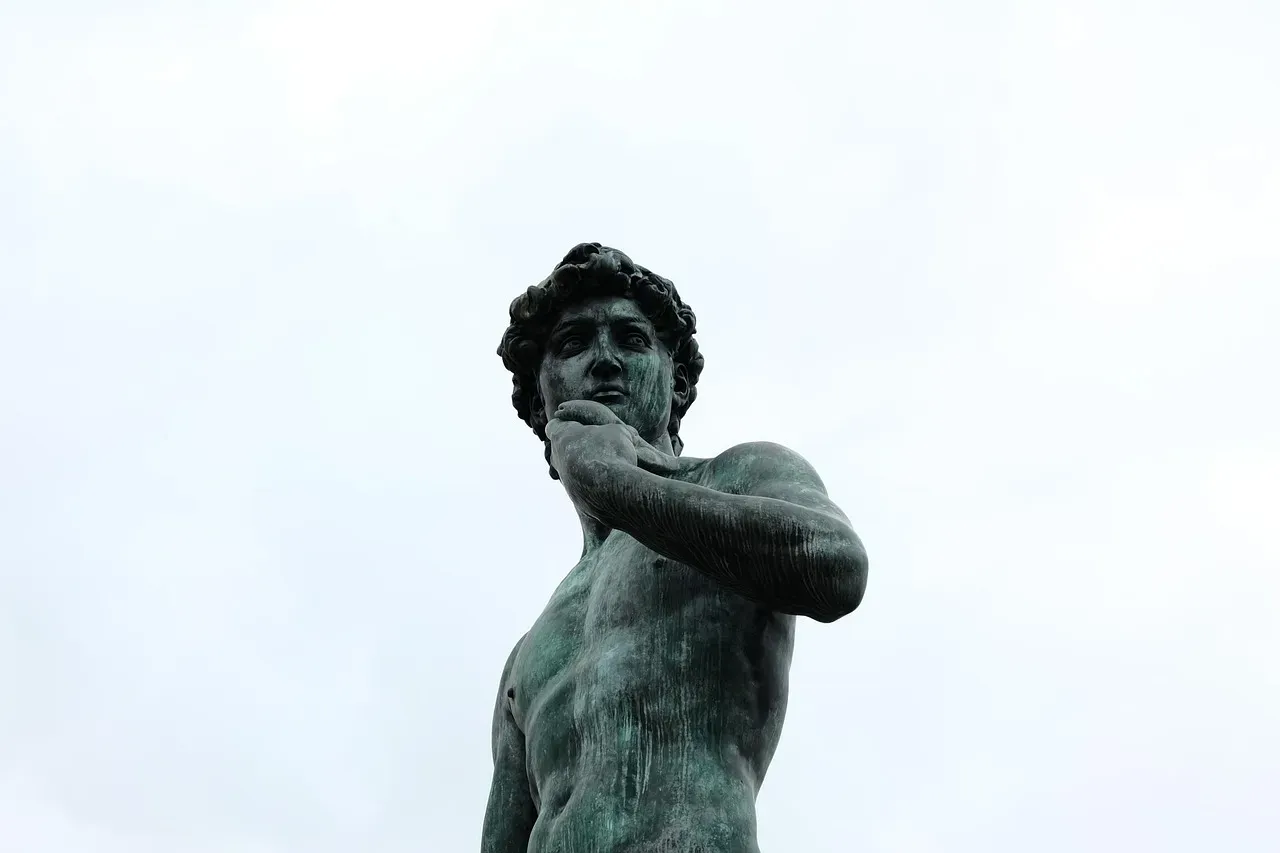
Florence’s Galleria dell’Accademia housed one of humanity’s greatest sculptures, but when Allied bombing campaigns targeted Italian cities in 1943, David stood vulnerable. The statue weighs over six tons and stands more than seventeen feet tall, making evacuation nearly impossible. Instead, Italian officials built a massive brick cylinder around the marble giant, essentially entombing it within its own museum.
The makeshift fortress held, but barely. Several bombs fell within blocks of the gallery, and shrapnel damaged other parts of the building. One direct hit would have shattered Michelangelo’s Renaissance masterpiece into thousands of pieces. When workers finally dismantled the protective walls after the war ended, they found David untouched but covered in brick dust – a reminder of how thin the margin of survival had been.
The Dead Sea Scrolls Found in a Cave Slated for Demolition
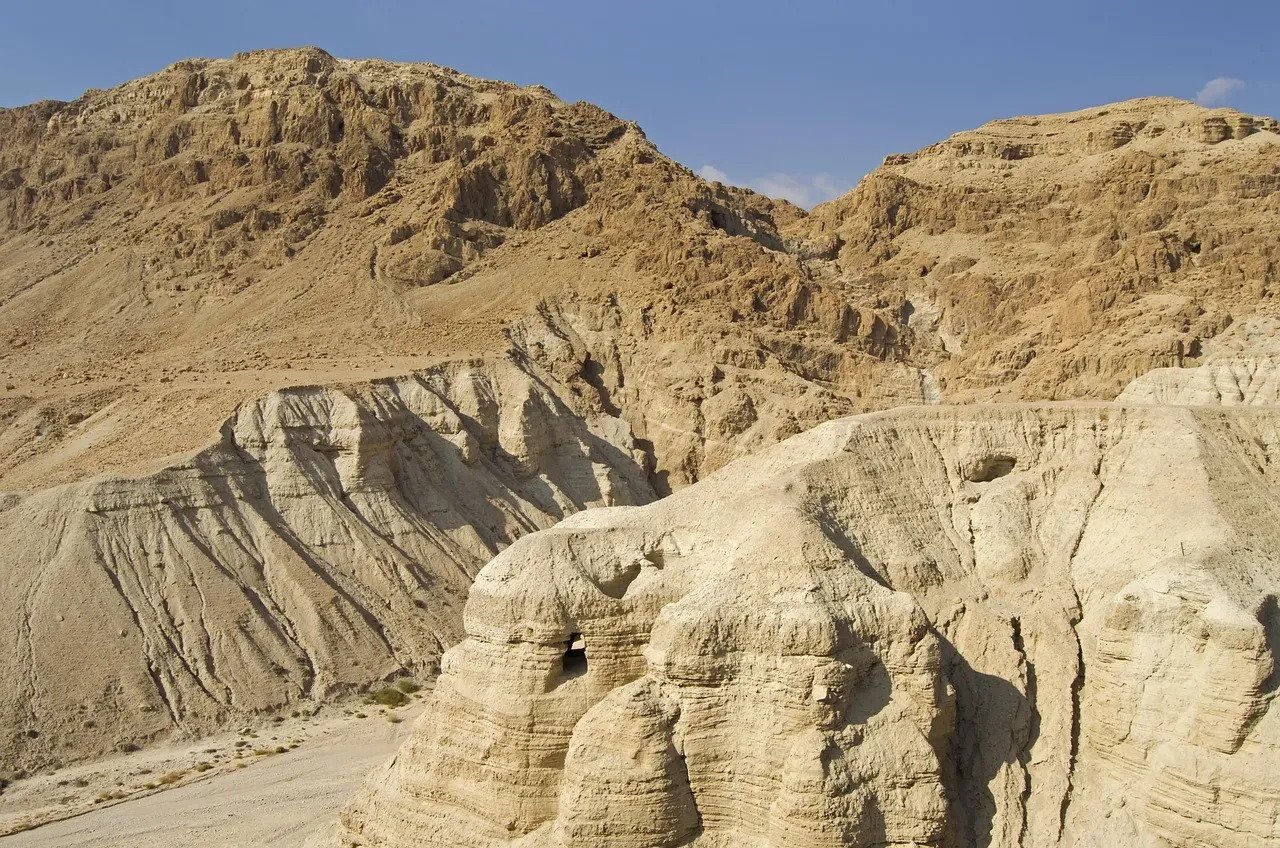
In 1947, a Bedouin shepherd threw a rock into a cave near the Dead Sea and heard the sound of breaking pottery. What he discovered inside turned out to be ancient biblical texts dating back over two thousand years – the oldest known manuscripts of Hebrew scriptures. But here’s the crazy part: the Jordanian government had already approved plans to expand a nearby road, which would have required blasting that entire cliff face into gravel.
The shepherd’s curiosity literally saved some of the most important religious documents in human history. If he’d walked past that cave opening just a few weeks later, or if the road construction had started on schedule, those scrolls would have been pulverized before anyone knew they existed. Scholars today still debate what other treasures might have been lost in similar caves that weren’t quite as lucky.
A Janitor’s Quick Thinking Saved The Last Supper
Milan’s Santa Maria delle Grazie monastery took a direct hit from Allied bombs in August 1943. The explosion destroyed most of the building, leaving walls crumbled and the roof completely gone. Leonardo da Vinci’s famous mural The Last Supper covered one wall of the refectory, and everyone assumed it had been obliterated along with everything else.
Rescue workers found something incredible when they dug through the rubble – the wall holding the fresco was still standing, propped up by sandbags that the monastery’s janitor had stacked there months earlier. He’d seen other buildings in Milan getting bombed and figured the priceless painting needed protection. His unauthorized sandbag barrier, which officials had actually ordered removed several times, ended up being the only thing between The Last Supper and total destruction.
The Sistine Chapel’s Ceiling Almost Went Up in Smoke
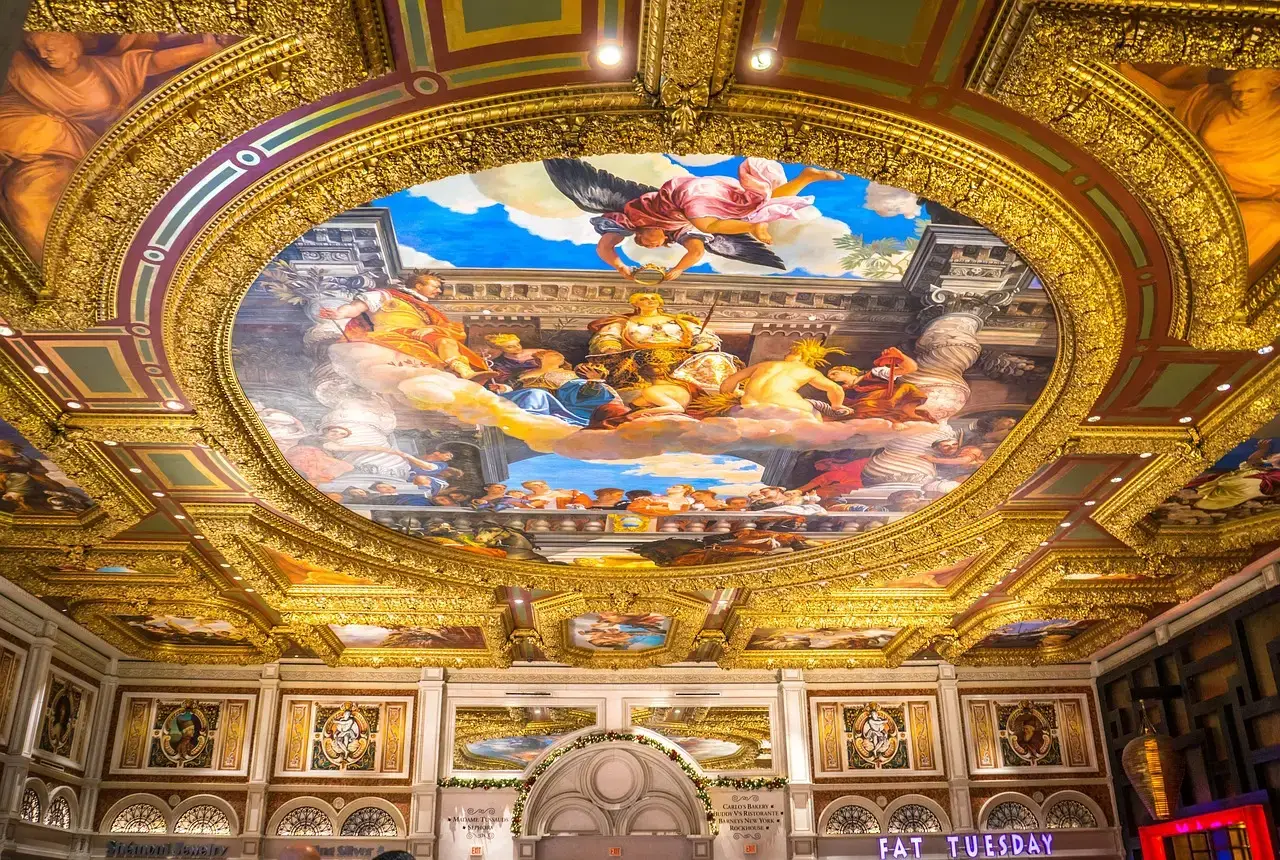
In 1797, French troops occupying Rome turned the Sistine Chapel into a stable for their horses. Soldiers lit fires inside to stay warm, filling the sacred space with smoke and threatening Michelangelo’s ceiling frescoes with permanent soot damage. The commander initially dismissed concerns about the artwork, saying his men needed shelter more than Rome needed old paintings.
A Vatican librarian named Ennio Quirino Visconti talked his way past guards and confronted the French general directly. He convinced him that destroying one of Christianity’s holiest sites would turn public opinion against Napoleon’s forces throughout Catholic Europe. The general relocated his troops within days. The ceiling had already absorbed weeks of smoke damage, but conservators later managed to clean most of it away. Another month in those conditions would have left the masterpiece permanently discolored.
A Museum Fire That Should Have Destroyed the Rosetta Stone
London’s British Museum caught fire in January 1867, with flames spreading through multiple galleries. The Rosetta Stone, that crucial key to understanding ancient Egyptian hieroglyphics, sat in a room directly in the fire’s path. Museum staff tried to move it, but the granite slab weighs nearly seventeen hundred pounds – far too heavy for a handful of people to carry quickly.
A quick-thinking custodian grabbed a fire hose and aimed it at the floor around the Rosetta Stone, creating a ring of water that kept the flames from reaching it. The tactic worked, though barely. By the time firefighters extinguished the blaze, scorch marks had appeared on the display case just feet away. That custodian’s name was never officially recorded, which seems unfair considering he single-handedly preserved one of archaeology’s most important discoveries.
Van Gogh’s Paintings Used as Chicken Coop Door
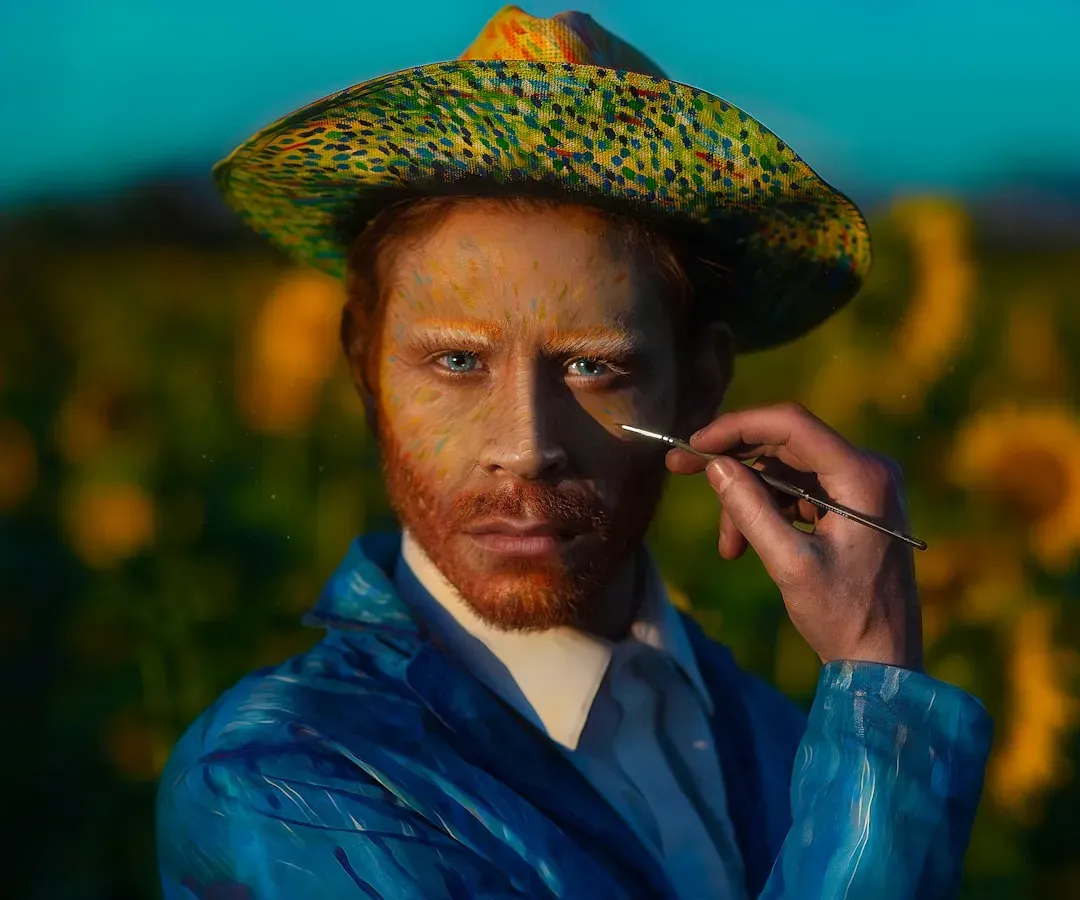
Vincent van Gogh died in poverty, his paintings considered worthless by most of his contemporaries. After his death, his brother Theo stored dozens of canvases in a shed in the Netherlands. When Theo died just months later, the shed’s new owner found the paintings and assumed they were amateur junk. He gave several to his children as playthings and even nailed a few across gaps in his chicken coop to keep the birds from escaping.
An art dealer happened to visit the farm years later and recognized the signature. By then, van Gogh’s reputation had begun to grow, and the dealer rushed to examine every canvas on the property. Several paintings had been damaged beyond repair, with chicken droppings, nail holes, and weather exposure destroying the original oils. The ones that survived, including pieces now worth tens of millions, had simply been lucky enough to stay inside the shed. The farmer had been about to burn the whole collection to make space for hay.
Ancient Buddhist Statues Spared by a Taliban Commander’s Conscience
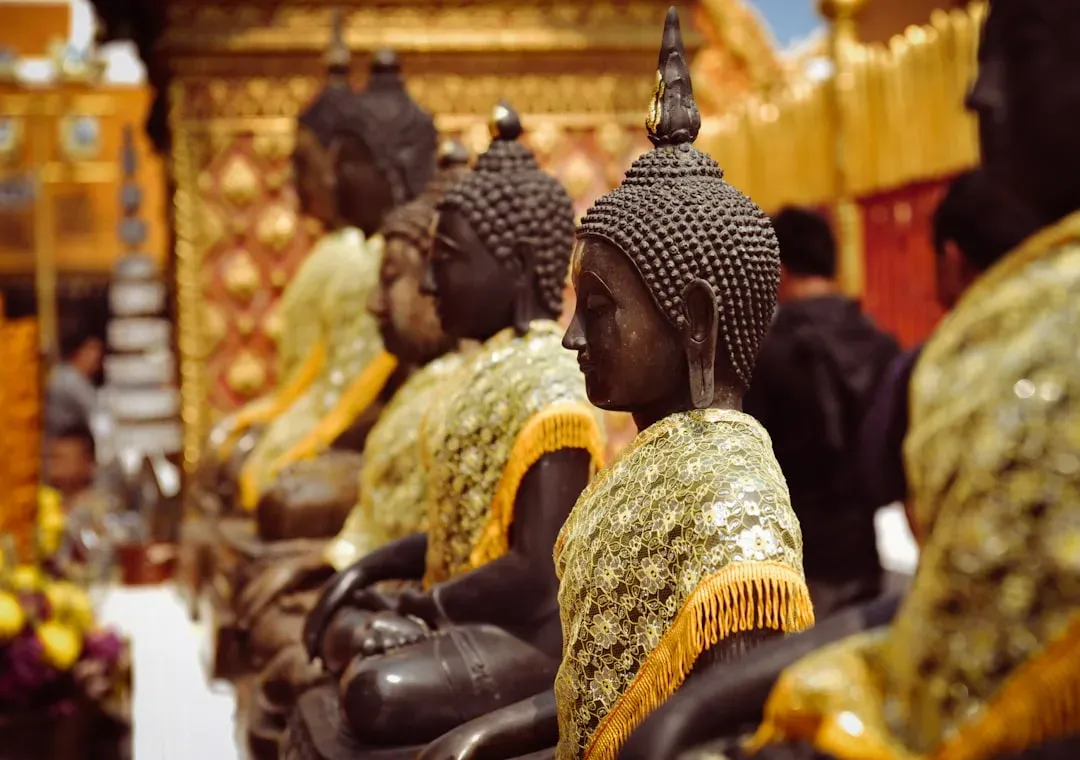
In 2001, Taliban forces in Afghanistan systematically destroyed pre-Islamic artifacts they considered idolatrous. The Bamiyan Buddhas, two massive sixth-century statues carved into a cliff, became primary targets. The Taliban announced plans to demolish them completely, and most observers assumed nothing could stop the destruction.
A local Taliban commander named Mullah Mohammad Islam quietly delayed the demolition orders for weeks, claiming technical difficulties with explosives. He secretly hoped international pressure would force higher-ups to reconsider. When the destruction finally happened, it made global headlines and turned Bamiyan into a symbol of cultural loss. But many smaller Buddha statues in that same valley survived because Islam used his position to redirect demolition crews away from certain caves. He risked execution for insubordination to protect what he could.
The Original Star Wars Film Nearly Thrown in a Dumpster
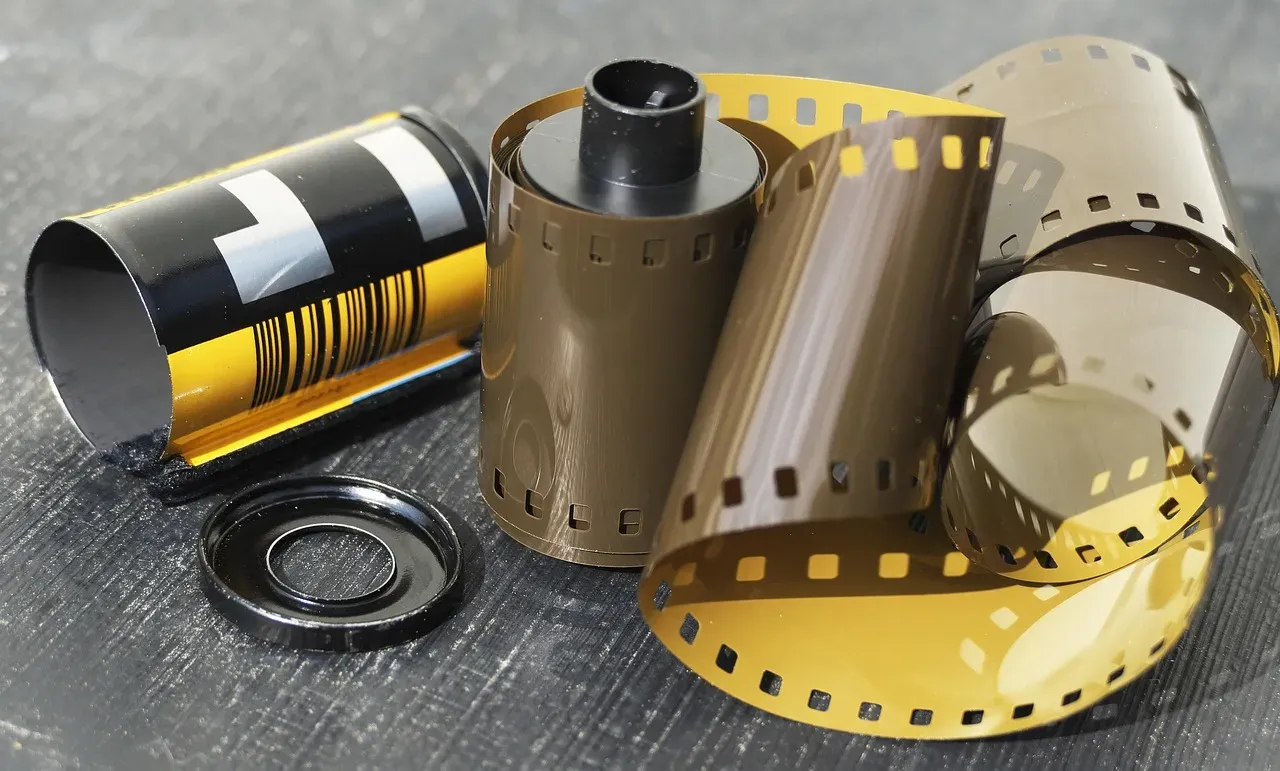
After Star Wars premiered in 1977, 20th Century Fox stored the original camera negatives in a warehouse with poor climate control. By the late 1980s, the film canisters had deteriorated so badly that studio executives considered them worthless. A facilities manager received orders to clear out the warehouse and dispose of everything inside to make room for newer productions.
An assistant who happened to be a Star Wars fan convinced the manager to let her check what was actually in those canisters before they went to the landfill. She found the original negatives and immediately alerted preservation specialists. The film had come within days of being permanently lost. Even after restoration, some scenes had degraded too much to save in their original quality, which is why later editions of Star Wars look different in certain shots.
Conclusion: The Fragile Thread of Cultural Memory

Looking back at these near-disasters, what strikes me most is how random it all seems. A janitor with extra sandbags. A teacher browsing a garage sale. A soldier who questioned his orders. These weren’t trained preservationists or museum experts – just ordinary people who happened to be in the right place at the right moment and made one good decision. It makes you wonder what we’ve already lost when nobody was there to intervene.
The treasures that survived did so by the thinnest margins, and that should probably scare us a bit. Wars, fires, floods, and simple human carelessness will always threaten cultural heritage. The difference between preservation and destruction often comes down to pure luck or one person caring enough to act. What do you think – have we gotten better at protecting these irreplaceable works, or are we just waiting for the next close call? Tell us in the comments.