Elvis Presley’s 1956 Television Performances Sparked Moral Panic
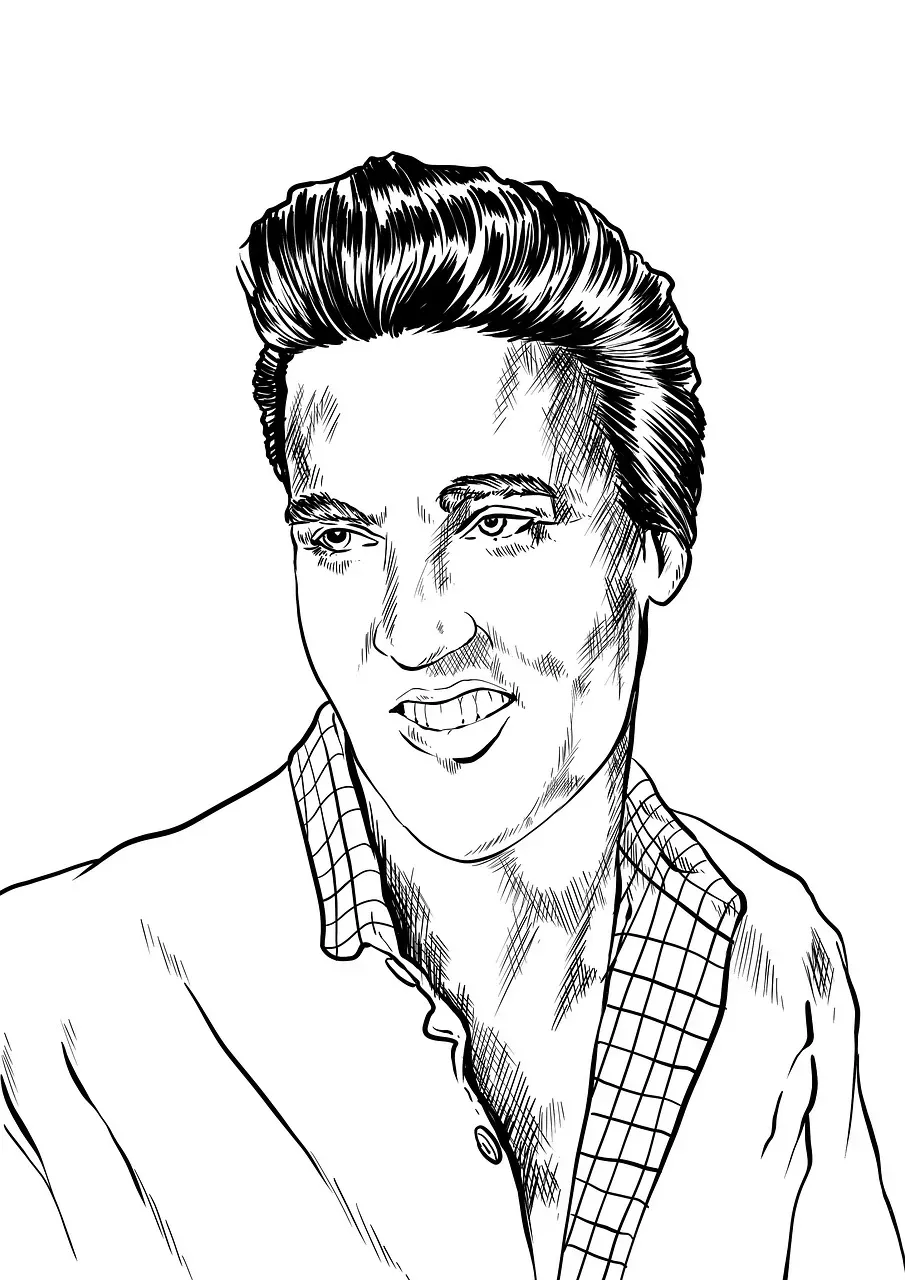
In August 1956, a Florida judge called Elvis a “savage” and threatened arrest if he moved his body onstage, crystallizing how deeply his performances unsettled American authority. Parents were scandalized while teenagers were electrified, and media reactions blazed across conservative and progressive outlets alike. Elvis appeared on national programs at least twelve times from January 1956 to January 1957, transgressing racial boundaries and threatening class hierarchies. His gyrating hips became far more than entertainment – they became a political flashpoint about who controlled youth culture and what values America would tolerate in the modern age.
The Hollywood Blacklist Blurred Entertainment and Cold War Politics
In 1947, the House Un-American Activities Committee began Hollywood investigations, and ten individuals refused to testify, were indicted for contempt, and were suspended without pay. Studio executives pledged no communists would be knowingly employed, and the blacklist expanded beyond ten into the hundreds. Writers, directors, and actors found their careers destroyed based on suspicion alone. Independent organizations compiled lists of alleged Communist Party members or sympathizers, and by threatening boycotts they intimidated Hollywood into firing or refusing to hire artists, fundamentally altering what stories could be told on American screens.
Bob Dylan’s Protest Songs Became the Soundtrack of Civil Rights
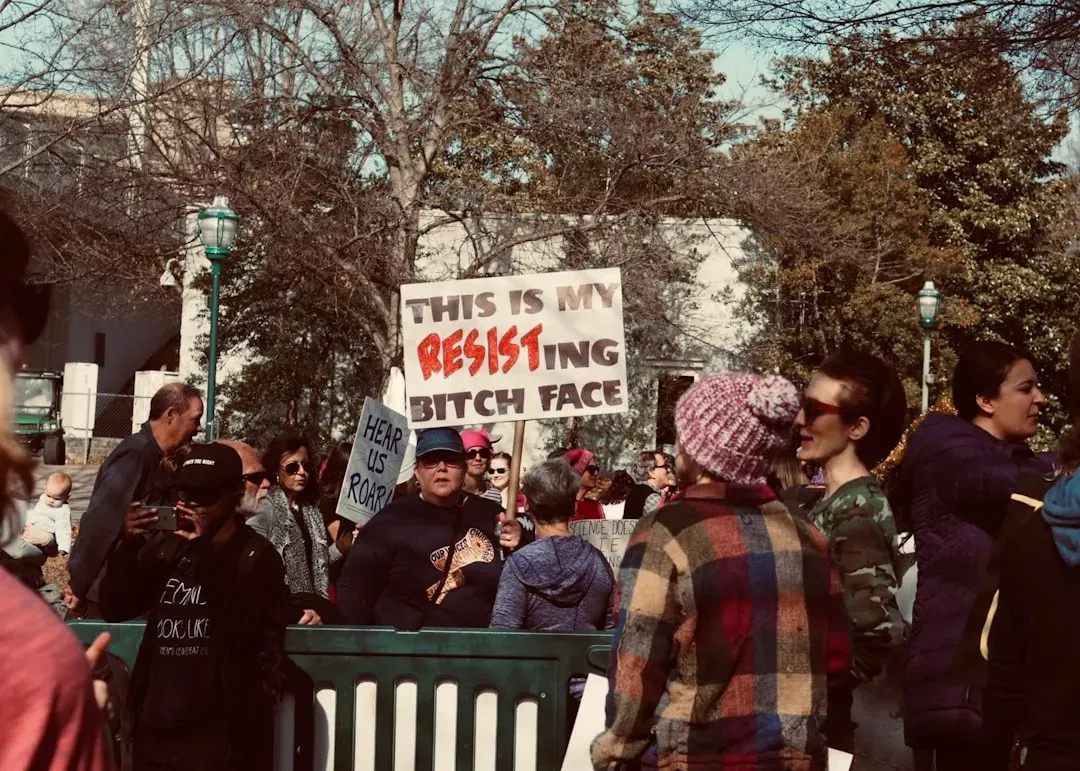
Dylan emerged in 1961 and over less than three years wrote about two dozen politically oriented songs whose creative lyrics reflected the changing mood of the postwar generation and the urgency of civil rights and antiwar movements. Songs like “Blowin’ in the Wind” asked questions Americans were afraid to answer out loud. The song was played at the Lincoln Memorial before Martin Luther King Jr. gave his “I Have a Dream” speech, cementing its place in history. Dylan performed at the March on Washington on August 28, 1963, alongside Mahalia Jackson, Joan Baez, and Peter, Paul and Mary. His folk melodies made political messaging accessible to millions who might never attend a rally.
The Beatles Made Youth Identity Politically Visible Worldwide
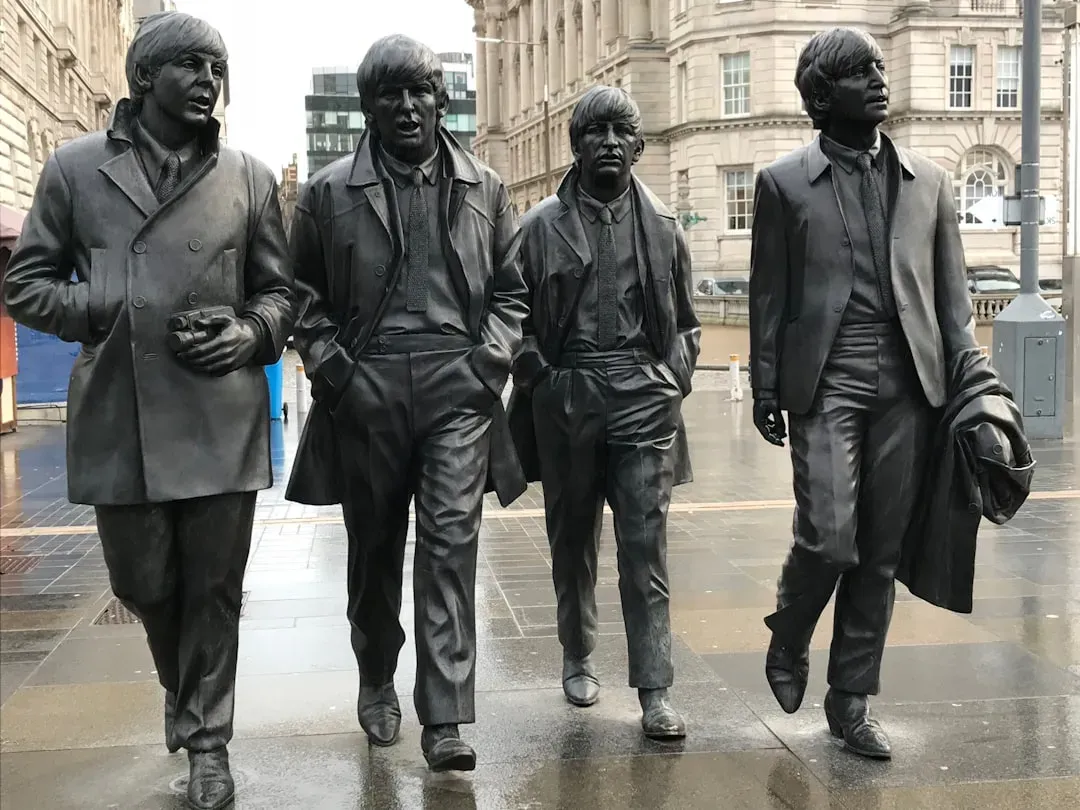
The group’s popularity grew into an embodiment of sociocultural movements of the decade, and they were widely viewed as leaders of youth culture. Let’s be real – when four lads from Liverpool could influence global fashion, philosophy, and protest, something fundamental had shifted. As icons of 1960s counterculture, the band became a catalyst for bohemianism and activism in various social and political arenas, fueling women’s liberation, gay liberation, and environmentalism. Their popularity transcended national boundaries, contributing to globalization of youth culture, and their music became symbols of shared experience for young people worldwide. Honestly, politicians suddenly had to reckon with a generation that looked and thought differently than any before.
Televised Vietnam War Coverage Shattered Public Trust

In January 1968, the Tet Offensive shocked Americans as TV cameras recorded the bombing of cities and execution of prisoners, revealing brutality many were unaware of. Here’s the thing – war had never been this visible before. On-site coverage brought news from the front lines straight into the living room for the first time in American history. The media’s role in depicting the war differently than the government signaled a shift in where Americans placed their trust, increasingly toward media reports and away from federal reports. It’s hard to say for sure, but this probably changed how every subsequent conflict would be covered and questioned.
Muhammad Ali Turned Sports into Political Protest
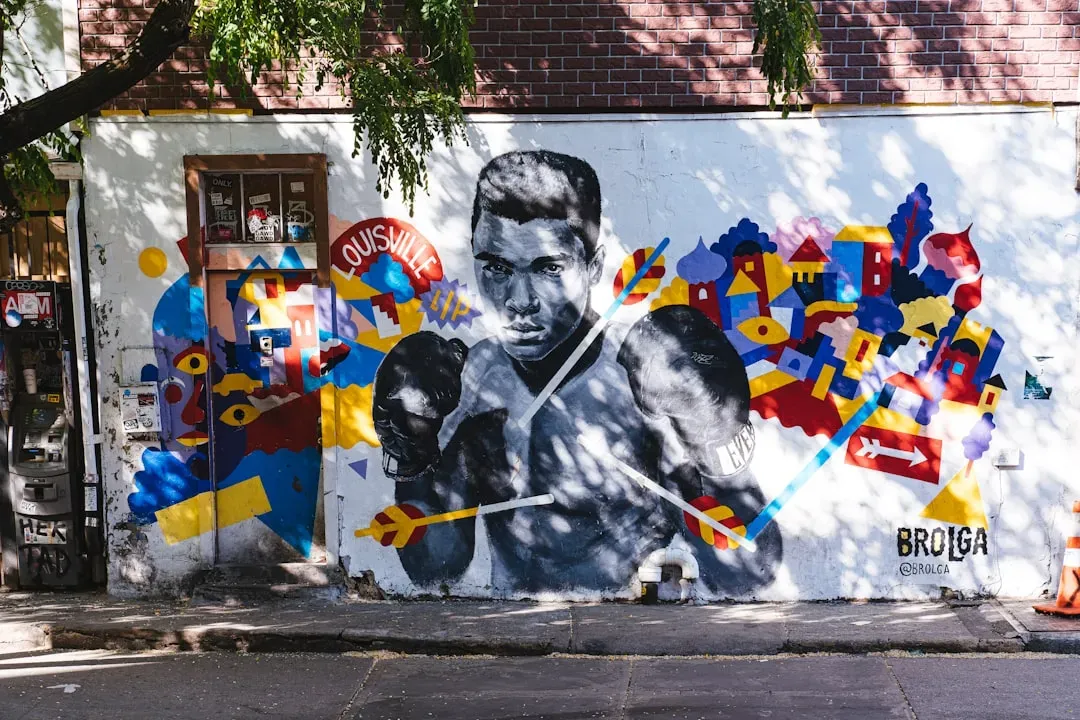
When the heavyweight champion refused military induction in 1967, citing religious beliefs and opposition to the Vietnam War, sports could no longer be separated from politics. Ali was stripped of his title, banned from boxing, and faced prison – yet he never wavered. His defiance became a defining symbol linking celebrity status, racial justice, and antiwar resistance during one of America’s most turbulent eras. The boxer’s willingness to sacrifice everything forced millions to confront uncomfortable questions about patriotism, conscience, and who had the right to dissent. Athletes today who speak out owe something to Ali’s courage.
Punk Music Reflected Political Disillusionment in the Late 1970s
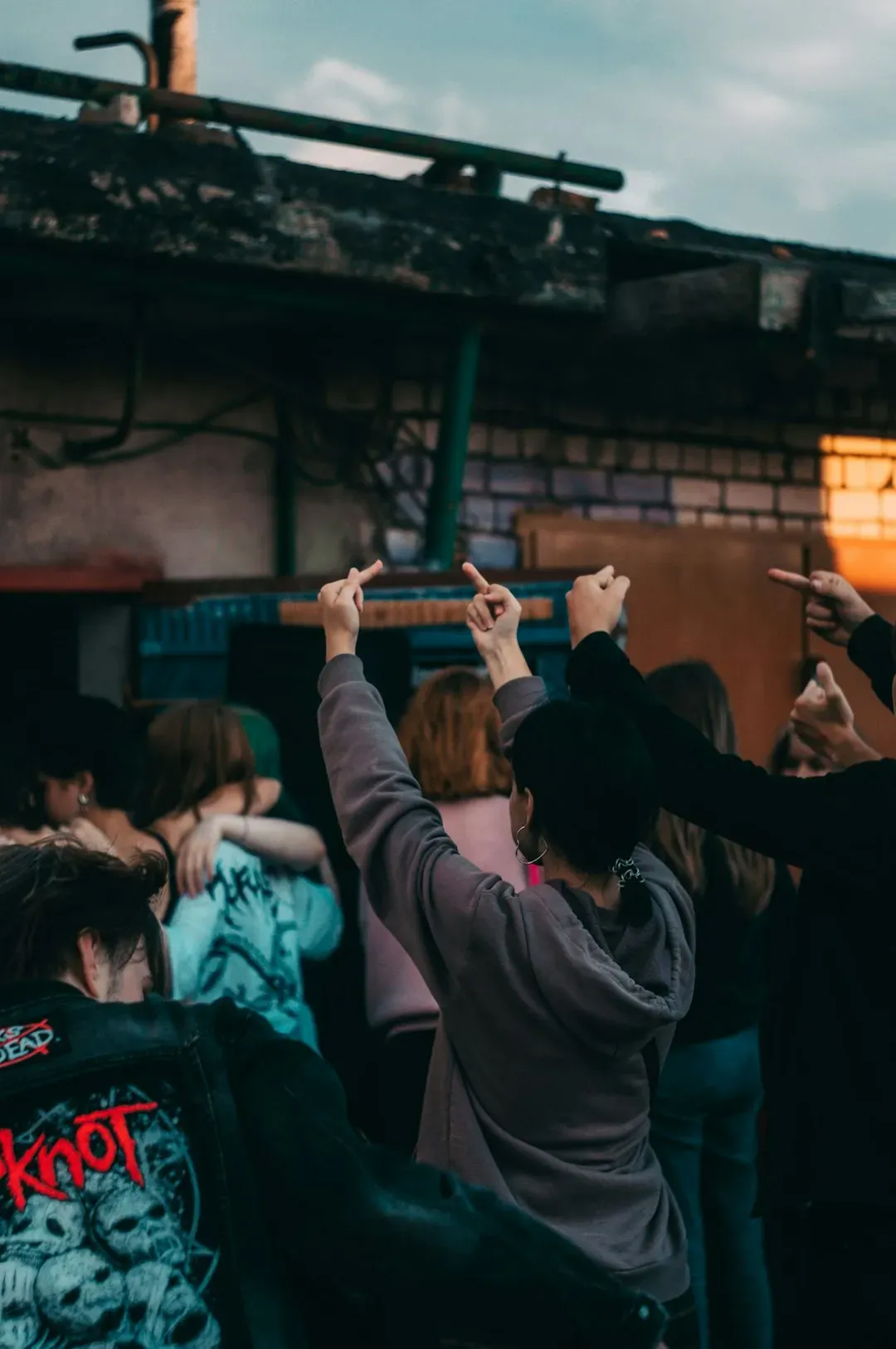
Punk exploded in both the UK and US as economies stumbled and trust in institutions collapsed. The raw, aggressive sound matched the anger young people felt toward systems that seemed rigged against them. Bands rejected polished production and commercial appeal, instead channeling frustration into three-chord anthems about unemployment, corruption, and societal decay. This wasn’t protest music in the folk tradition – it was louder, messier, and unapologetically confrontational. Punk gave voice to those who felt abandoned by both conservative and liberal establishments, carving out space for a different kind of political expression through sheer sonic rebellion.
MTV Reshaped How Political Messages Reached Young Voters
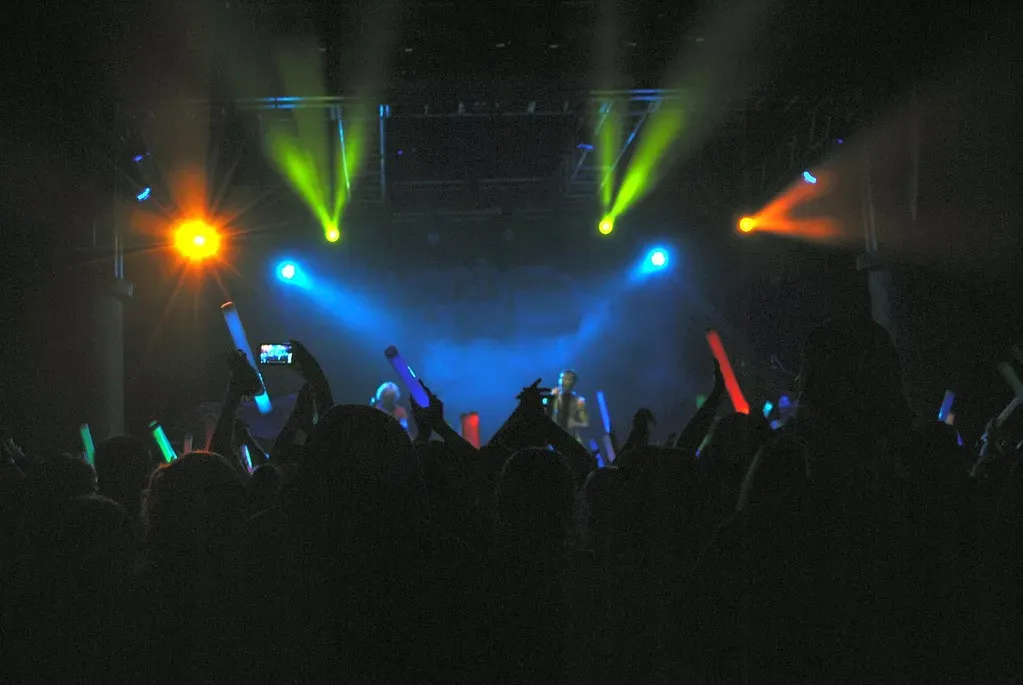
When MTV launched in 1981, it fundamentally altered how information flowed to younger audiences. Politicians quickly realized they couldn’t ignore a generation consuming news and culture through music videos. The network blurred lines between entertainment and activism, making political engagement feel less like duty and more like identity. Rock the Vote campaigns and artist-driven causes became mainstream, transforming passive viewers into potential activists. The visual, fast-paced format meant messages had to be sharper, more emotionally resonant, and infinitely more memorable than traditional political discourse. Looking back, MTV proved that cultural platforms could mobilize voters as effectively as any campaign ad.
Ronald Reagan Embodied the Rise of Celebrity Politics
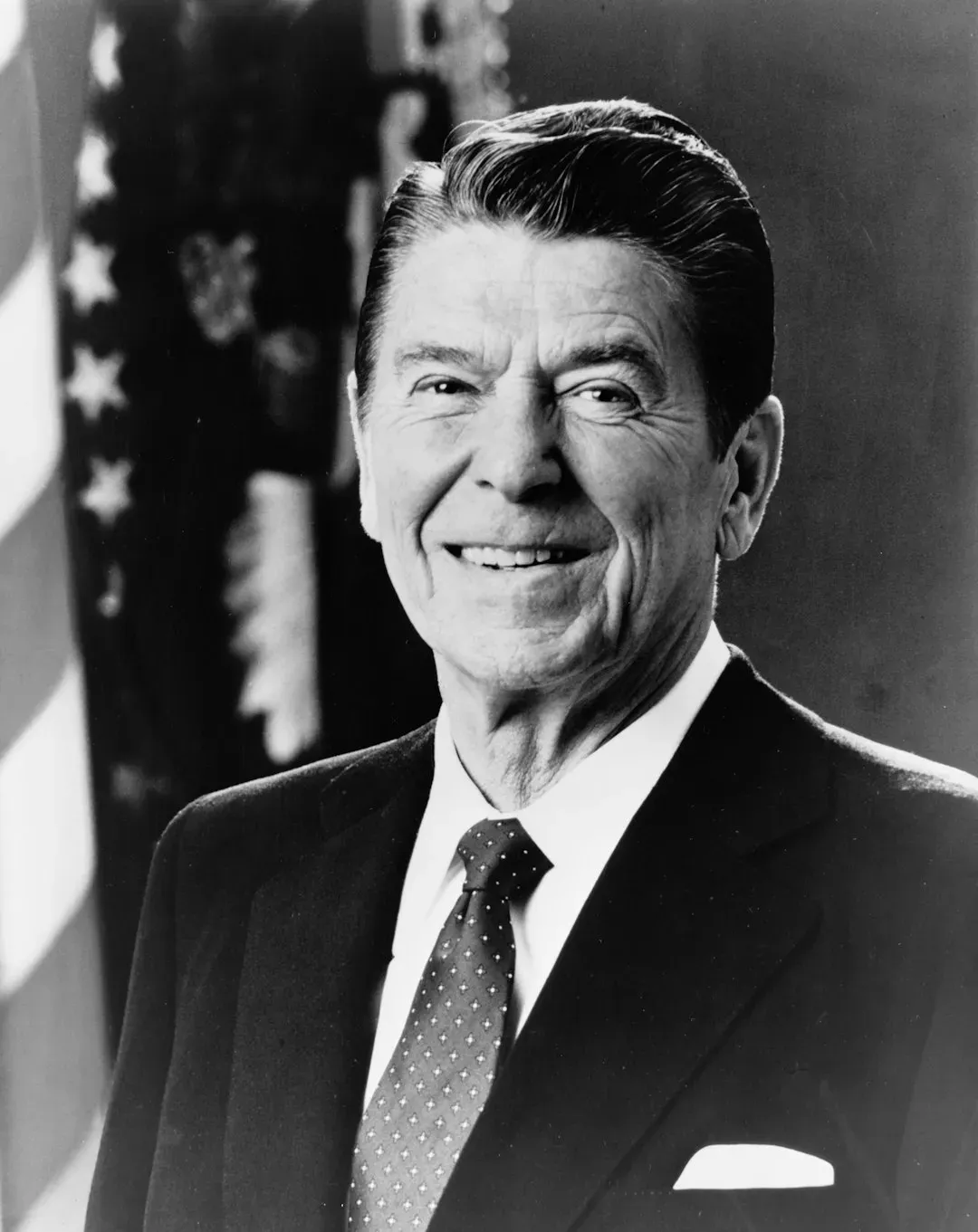
Reagan’s transition from Hollywood actor to California governor to president in 1981 marked a lasting shift toward media-savvy political leadership. His ability to communicate through television, deliver scripted lines with warmth, and project optimism came directly from decades onscreen. Critics argued substance mattered less than performance, while supporters praised his ability to inspire and connect. Either way, the template was set: future politicians would need to master the camera, control their image, and understand that governing increasingly meant performing. The line between entertainer and statesman had been crossed, and there was no going back.
Hip-Hop Became a Political Voice by the Late 20th Century
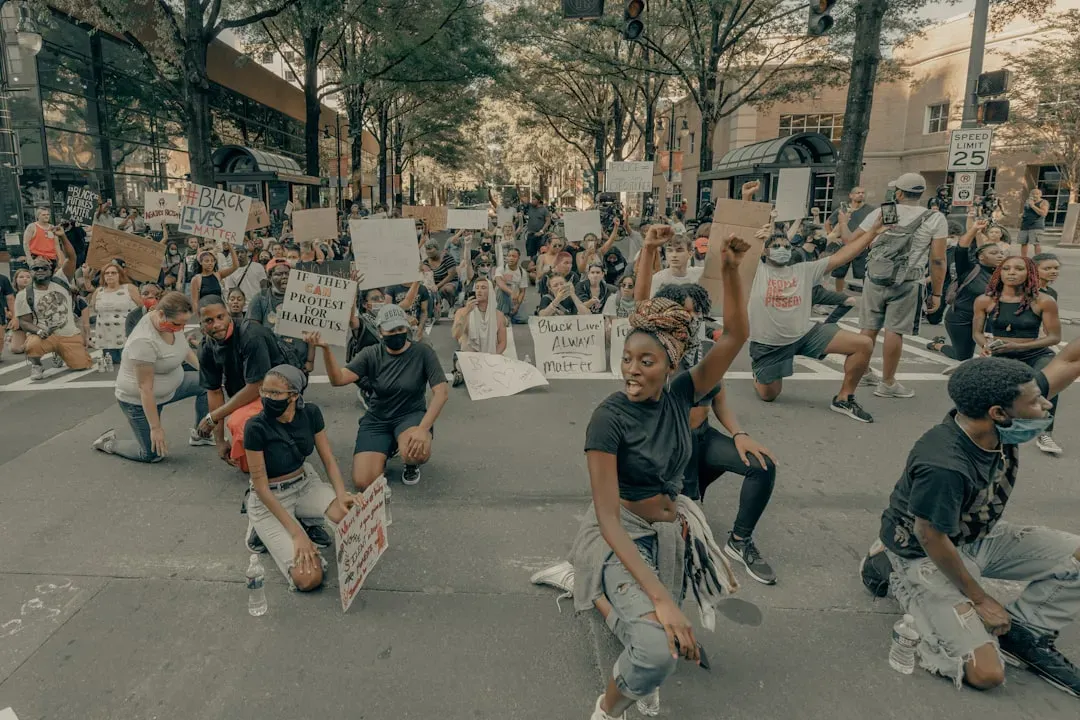
Throughout the 1980s and 1990s, hip-hop artists increasingly addressed policing, inequality, and urban politics in ways mainstream media often ignored. Tracks chronicled life in marginalized communities, calling out systemic injustice with unflinching honesty. What started as party music evolved into one of the most powerful forms of political commentary, reaching audiences far beyond traditional activist circles. Hip-hop didn’t ask for permission to speak – it demanded to be heard. By the century’s end, the genre had influenced public debate on issues from criminal justice reform to economic disparity, proving that pop culture could shape policy conversations as much as any politician’s speech. Did you expect music born in the Bronx to reshape national discourse? What do you think about its lasting impact?