


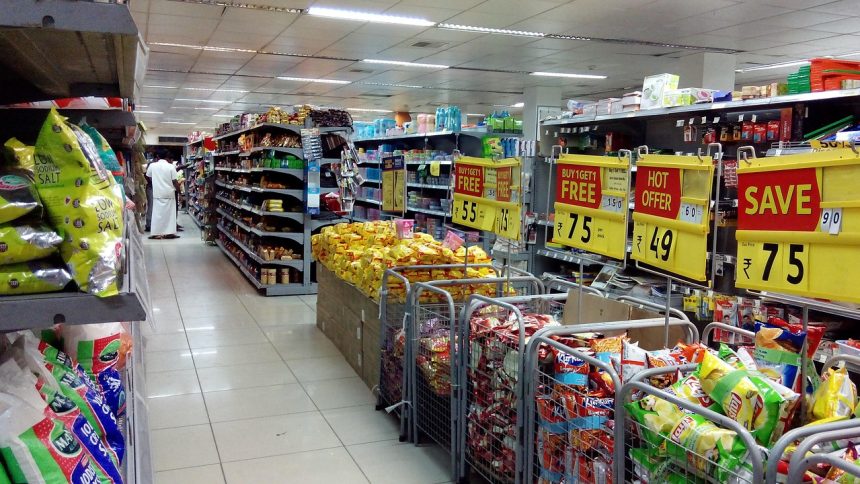
Grocery bills are climbing. Sticker shock is real. And if you live in the Phoenix metro area, you may already know that a quiet but powerful network of liquidation stores has quietly reshaped the way savvy Valley residents shop for everything from pantry staples to kitchen appliances. These aren’t flea markets or dusty thrift shops. We’re talking serious savings, often on name-brand products you already love.
The Valley’s liquidation scene is bigger, more organized, and more legitimate than most people realize. Let’s dive in and see what’s really out there.
Why Liquidation Shopping Makes More Sense Than Ever in 2026

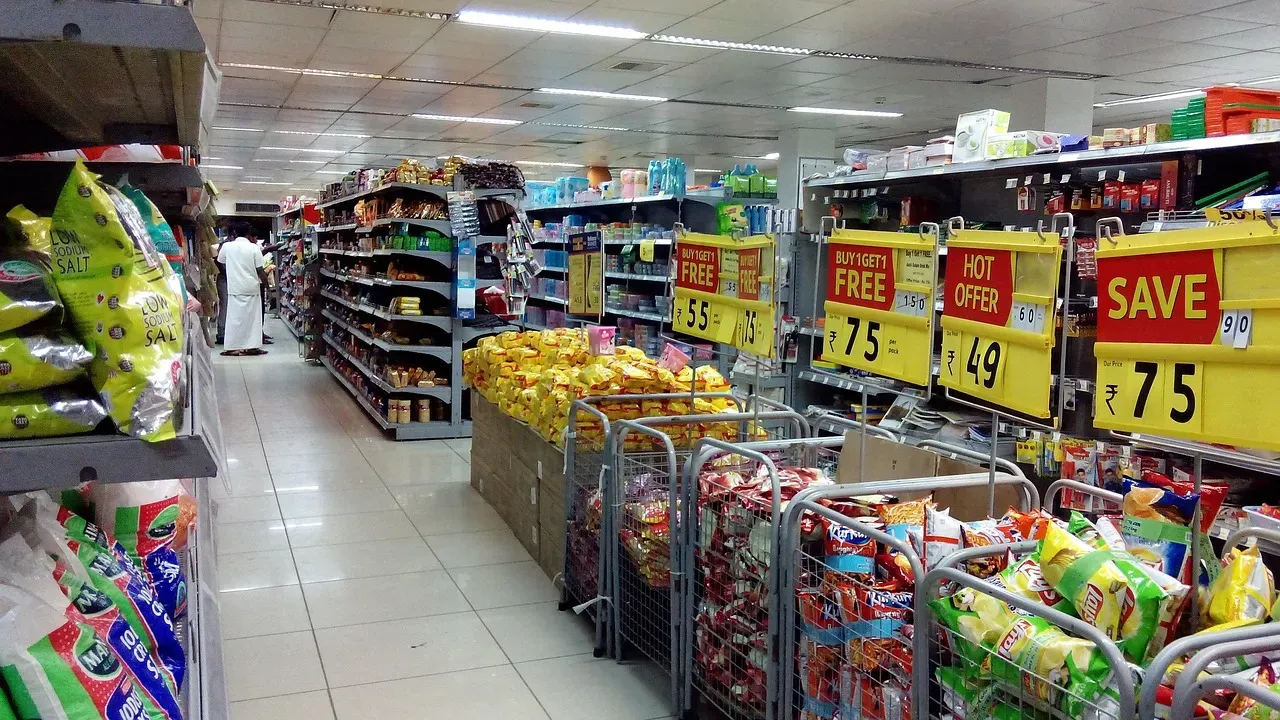
According to the U.S. Bureau of Labor Statistics, chicken breast, potato chips, and orange juice all rose more than 3% between January and December 2025, while ground beef jumped a staggering 17% and coffee surged 22%. Those numbers hit Arizona households hard. More than half of the people surveyed by The Associated Press and NORC said rising grocery prices are a significant source of stress.
An overwhelming three-quarters of shoppers now choose a store primarily because it offers the best prices, which helps explain why roughly a third of respondents switched to dollar or discount stores in 2024. Liquidation stores fit squarely into that trend. In 2026, overall food prices are predicted to rise another 3.1%, which means the window for bargain hunting is only getting wider.
American Discount Foods in Mesa: The Valley’s Longest-Running Grocery Liquidator

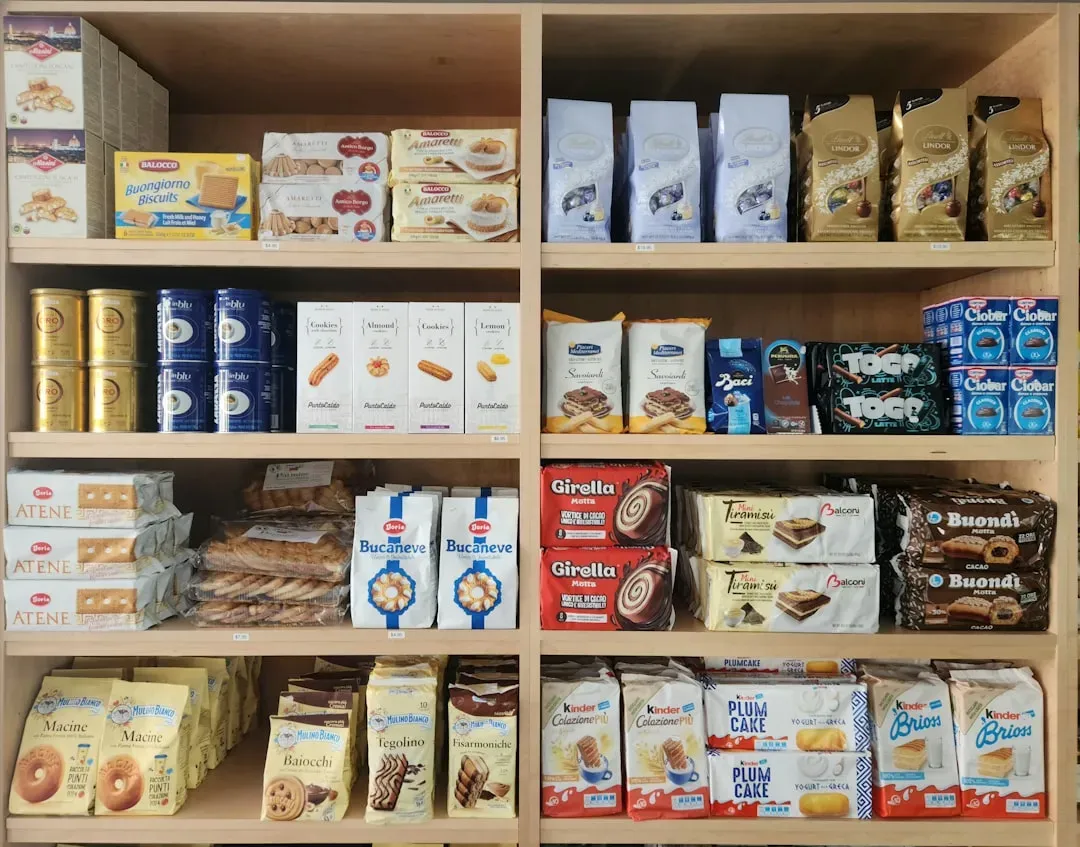
American Discount Foods in Mesa is a family-run liquidation grocery store that has been in business in the Valley for 27 years. That kind of track record says a lot. The family-owned business sells high-quality overstocks, short-coded, discontinued, and damaged-case products from major grocery retailers.
Prices run anywhere between 25% and 80% off of what you would find in a normal grocery store. The store model is comparable to a Ross for clothing, but applied entirely to groceries. Some packages may be slightly damaged or approaching their best-by dates, but the store guarantees every product it sells, and dry goods are kept good for at least 45 days past the point of purchase.
The food they sell is overstock, and the range covers everything from snack items to health foods and organic items. Honestly, finding organic products at liquidation prices feels almost surreal the first time you experience it.
SaleSumo: The Heavyweight of Valley Home Goods Liquidation

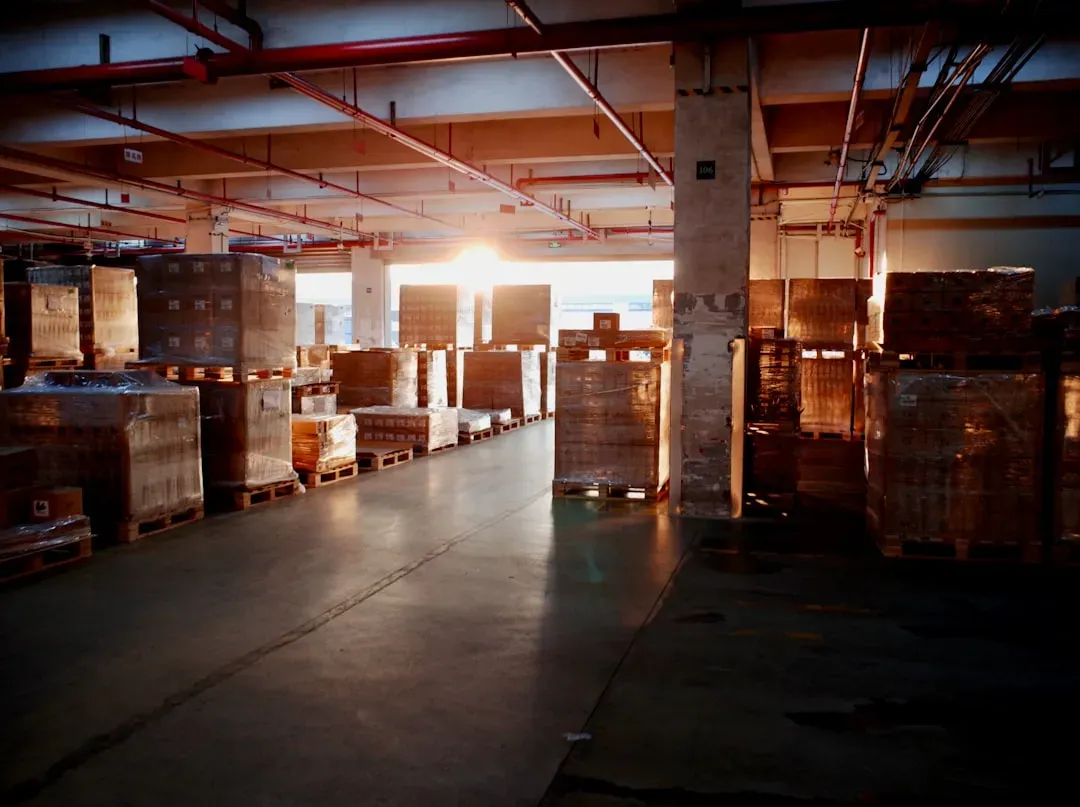
SaleSumo operates a 125,000-square-foot liquidation warehouse, described as the largest in North America, packed with products like flooring, cabinets, lighting, and appliances. That’s not a small boutique find. That’s a full-scale retail universe at a fraction of regular price. With weekly truckloads of new merchandise, SaleSumo keeps its inventory fresh and diverse.
SaleSumo is reportedly the only company of its kind in the United States that offers an exchange or in-store credit within 14 days of purchase. That’s a genuinely rare feature in the liquidation world, where most stores operate strictly on a final-sale basis. SaleSumo is located at 221 North 48th Avenue in Phoenix.
Liquidation Land Phoenix: A Bin Store for the West Valley

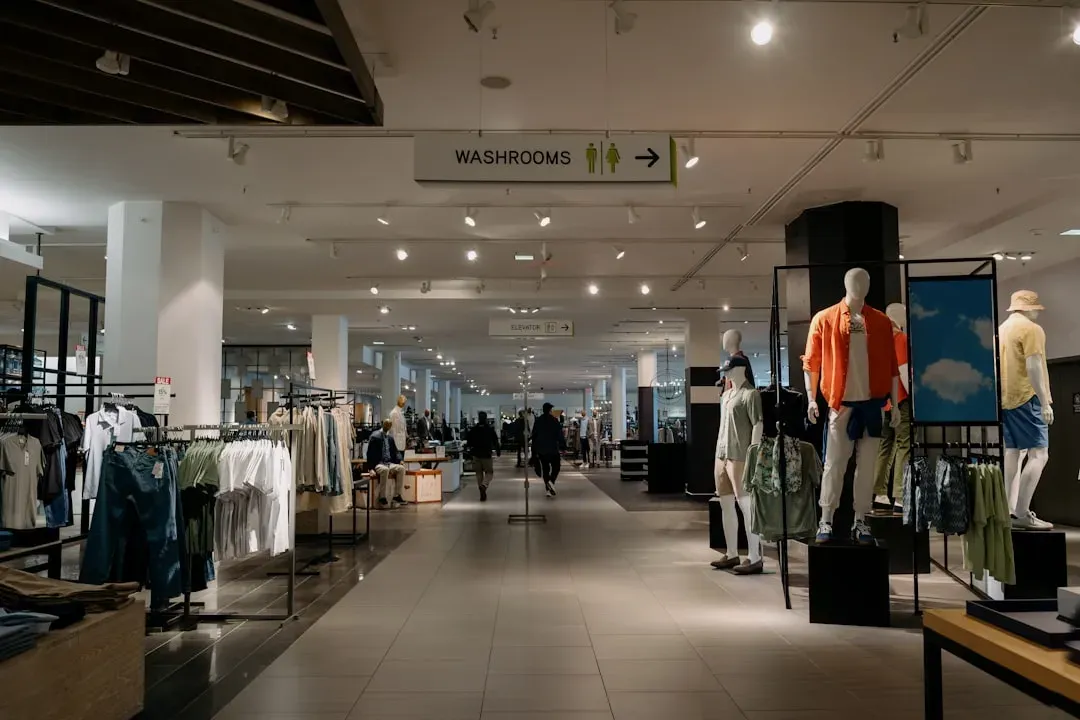
Liquidation Land’s wholesale distribution grants shoppers access to merchandise procured from major retailers like Amazon, Best Buy, Walmart, Lowe’s, Target, and beyond. That’s a wide net to cast, and it means the inventory shifts constantly. They restock every Friday, which makes end-of-week visits especially worthwhile for deal hunters.
Liquidation Land serves customers across Arizona, including Scottsdale, Glendale, and the rest of the West Valley. The store carries home decor, home goods, appliances, electronics, and baby items, with a constantly refreshed inventory. If you’ve never visited a bin store before, think of it as a treasure hunt with a price tag that drops as the week goes on.
Pallet Liquidators: Scratch-and-Dent Appliances and Home Goods Done Right

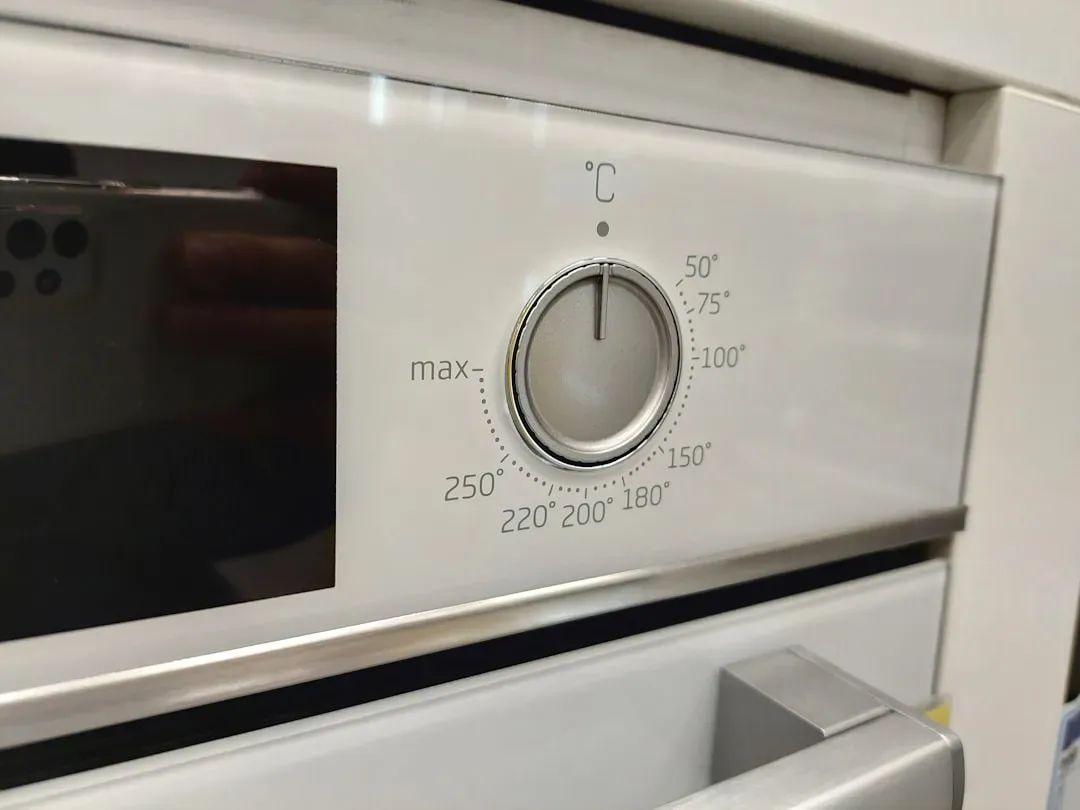
Pallet Liquidators in Phoenix carries scratch-and-dent appliances, discount home goods, home improvement items, clothing, tools, toys, and much more. It’s a solid stop if you’re outfitting a home on a budget. Reviewers describe finding leftover merchandise from stores like Kohl’s, JC Penney, and Home Depot, with deals on clothing, outdoor furniture, and toys, noting that staff will tell you upfront if something is missing a part or not working.
Pallet Liquidators is consistently listed among the top liquidation options in Phoenix on review platforms as recently as November 2025. The appliance selection in particular seems to draw repeat buyers. Savings at Valley liquidation stores like this typically range from roughly 30% to 70% off standard retail prices.
The Bin Store Model: How Falling-Price Days Actually Work

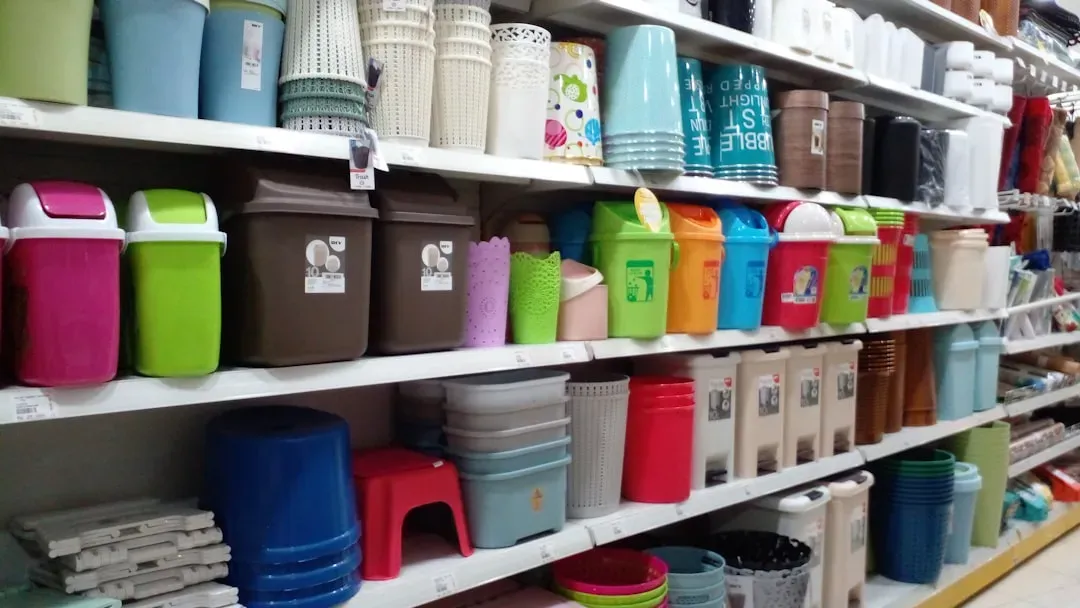
In the Phoenix metro area, the secondary market is thriving, with one directory currently tracking 22 liquidation stores across the metro, including 5 bin stores and 9 pallet stores. Bin stores follow a unique pricing system that most first-timers find almost addictive. The standard “falling price” model typically means that a high-priced opening day drops progressively, sometimes all the way down to a dollar day by the end of the week.
Here’s the thing: timing your visit is everything. Go early in the week for the best selection. Go late in the week if you’re a risk-taker hunting for obscure gems at rock-bottom prices. Phoenix’s position as a major logistics and distribution hub means shoppers here often have access to higher-quality freight than shoppers in smaller markets.
Bargain Bros, Lucky Duck Dealz, and the East Valley’s Discount Underground

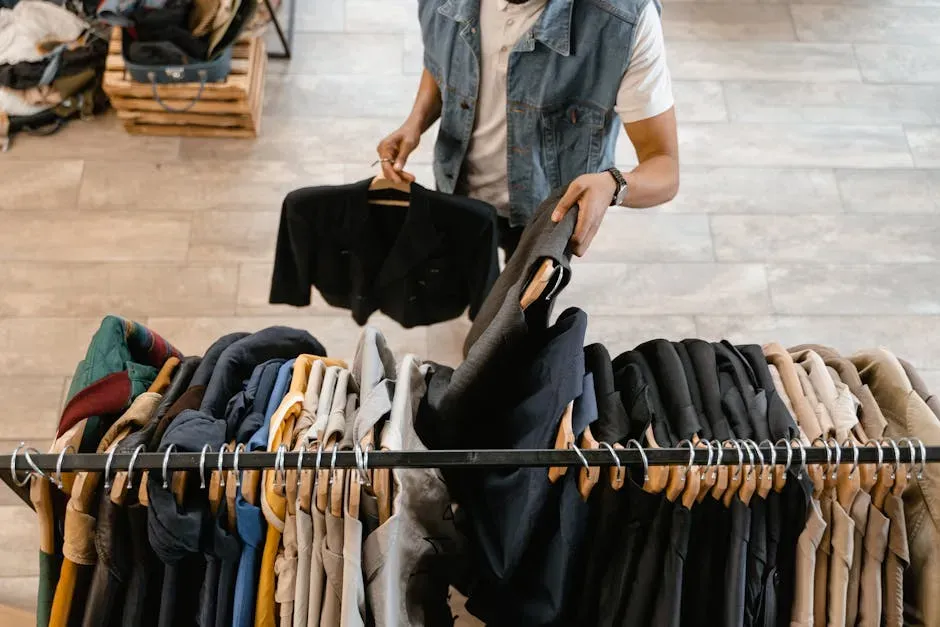
Yelp’s most recent updated list for Phoenix liquidation stores includes well-known names like Bargain Bros, Lucky Duck Dealz, Bargain Central Warehouse, and Closeout Merch. Lucky Duck Dealz in particular has built a strong local reputation. Yelp reviewers have called it the number-one liquidation store in the East Valley.
In Glendale specifically, top-rated liquidation options as of late 2025 include Bargain Bros, SaleSumo, The Lion Discount, Cactus Liquidation, and Bin Store Plus. That’s a healthy cluster of options just in the West Valley alone. Spreading your shopping across a few of these is a smart strategy, since no single store will have everything you need every single week.
Online Salvage Grocery Delivery: Misfits Market Ships to Arizona

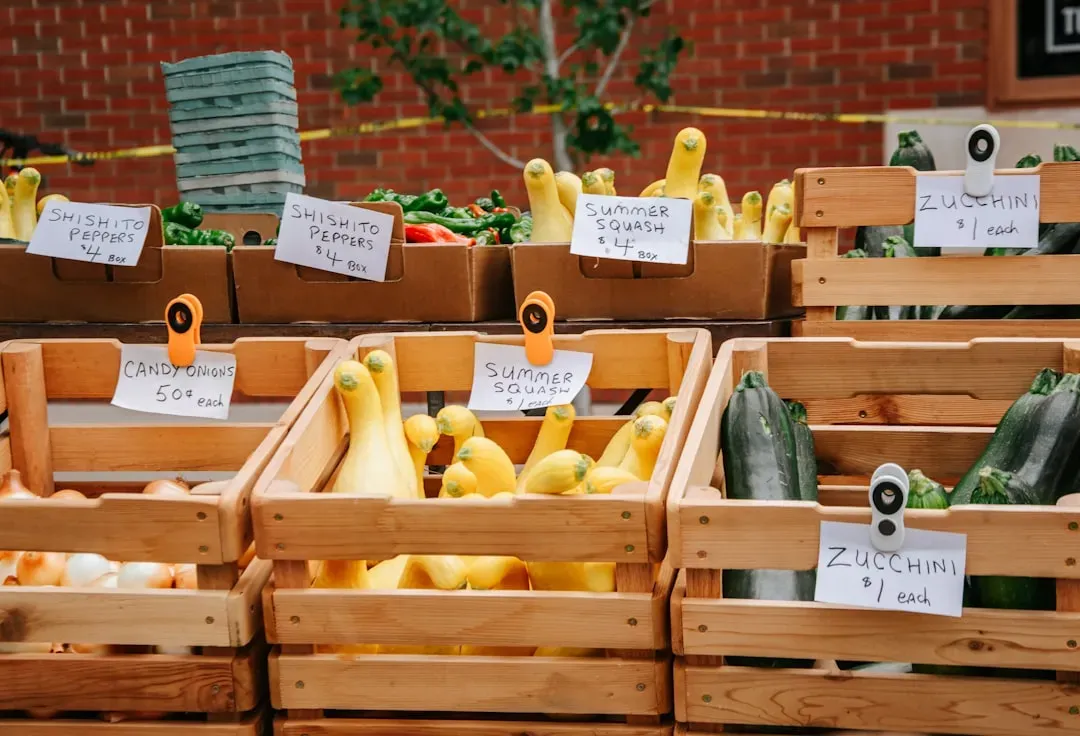
Misfits Market works with farmers and food makers to prevent food waste, offering fruits, vegetables, meat, seafood, cheese, dairy, cereals, coffee, baking supplies, and beverages through their online marketplace. For Valley shoppers who don’t want to drive across town, this is a legitimate alternative. The Misfits Marketplace delivers directly to your door at prices that are up to 40% less than a local grocery store.
I know it sounds crazy, but getting organic produce and name-brand pantry goods delivered at a steep discount is completely legitimate and getting more popular in Arizona. About two-thirds of shoppers in 2025 now purchase groceries online at least occasionally. Liquidation has gone digital, and the Valley is keeping pace.
What You’re Actually Buying: Overstock, Returns, and Close-Coded Goods Explained

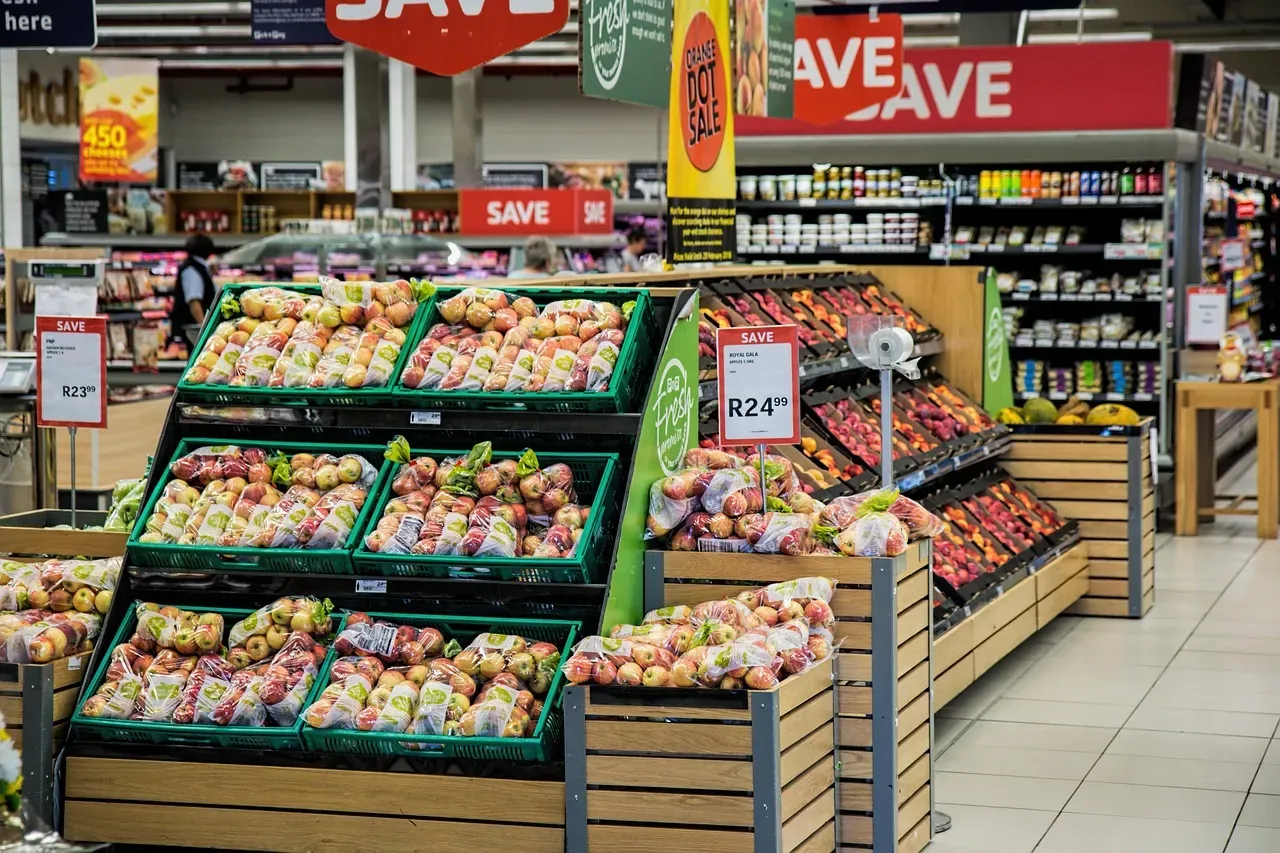
The goods sold through liquidation channels are viable products that have some sort of imperfection making them unsuitable for primary markets, including items with damaged packaging, leftover seasonal or holiday promotions, specialty goods, canceled orders, and slow-moving merchandise. It helps to understand exactly what you’re getting so you can shop smarter. Some stores sell close-coded and occasionally out-of-code products, operating for years with the knowledge that the date on a product is not a mandatory discard date.
Think of it like this: a dented soup can has the same soup inside. A discontinued cereal box still has the same cereal. Privately owned salvage grocery stores and discount dollar stores offer high-quality merchandise at deeply discounted prices. The savings are real. The products are real. The only thing missing is a pristine shelf in a fancy supermarket.
Tips for Shopping Liquidation Sales Like a Pro in the Valley

Today, roughly 62% of shoppers nationally say price matters more to them than brand name. That mindset is the perfect entry point for liquidation shopping. Go often, go with an open list, and do a quick visual check on any food packaging before you buy. Price comparison is a growing habit, with a large share of shoppers comparing retailer prices before purchasing, and nearly two-thirds shopping specifically during sales events.
It’s also worth signing up for email alerts from stores like American Discount Foods. Stores like this constantly compare their prices to major grocery chains to ensure real savings, and many customers report genuinely cutting their grocery bills in half after switching their habits. The Valley’s liquidation ecosystem rewards shoppers who treat it like a strategy, not a last resort.
Conclusion: The Valley’s Best Kept Bargain Secret Is Out

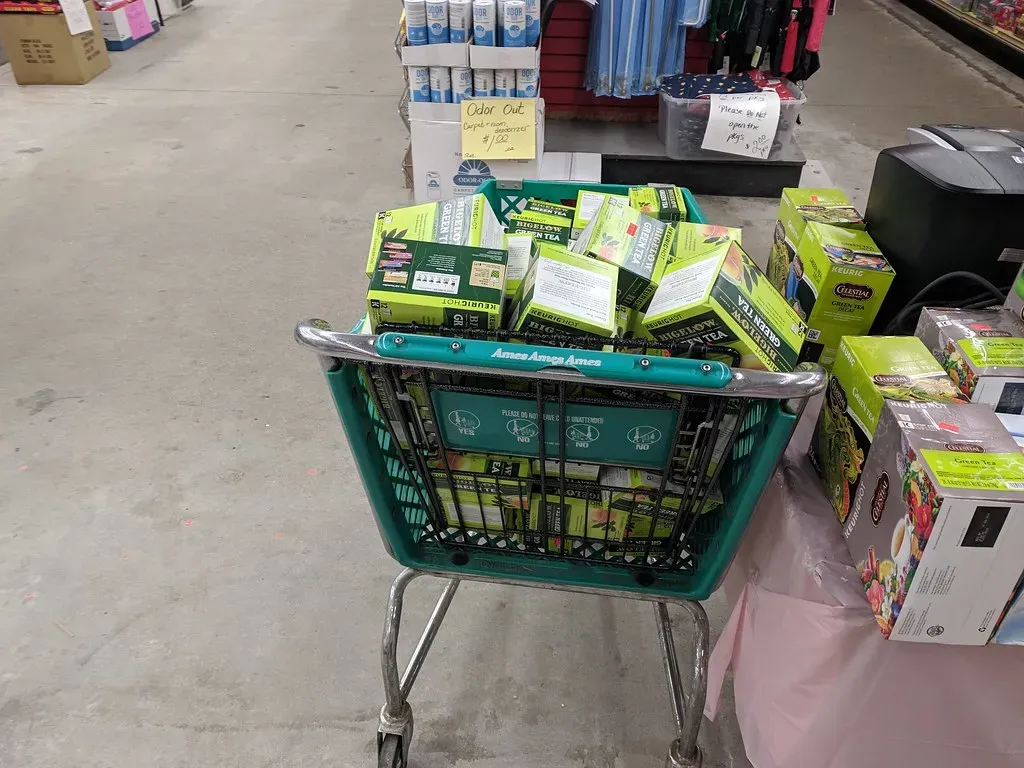
Let’s be real: the era of cheap, carefree grocery shopping isn’t coming back anytime soon. U.S. food-at-home costs are now roughly 18% higher than they were in 2019, marking one of the longest inflationary runs in modern food history. That’s the world we’re living in. Grocery shoppers are expected to spend more on food in 2026 even as inflation’s direct impact slowly eases, with value remaining the top priority for shoppers.
The liquidation stores of the Valley, from family-run Mesa favorites to giant warehouse operations in Phoenix, offer a real, proven way to fight back against that trend. Liquidation centers have emerged as a vital part of the retail ecosystem, supporting local retailers, promoting sustainability, and contributing to the economic vibrancy of the area. These stores aren’t a compromise. For a growing number of Valley residents, they’re simply the smarter choice.
The question worth asking is simple: how much longer can you afford not to shop this way? What would you spend that grocery savings on instead?


