


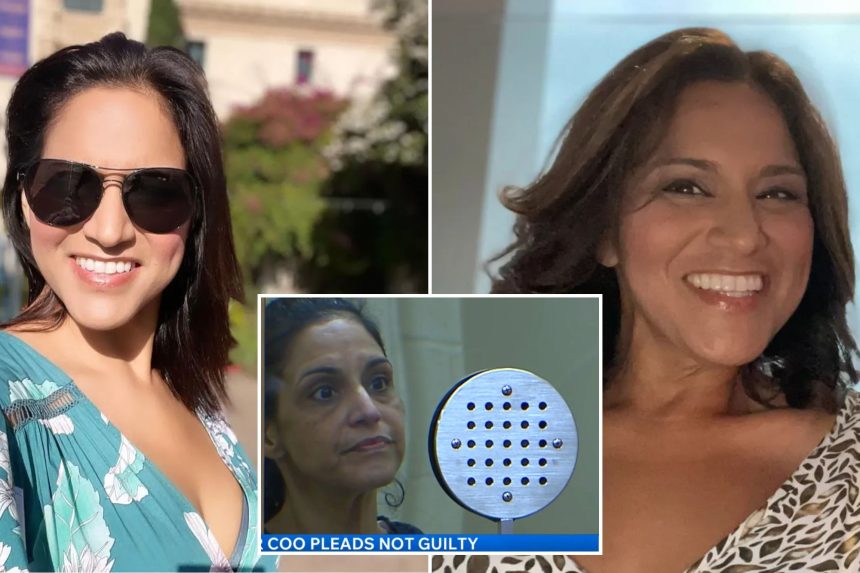


Discovery of Financial Irregularities Shocks Leadership (Image Credits: Nypost.com)
San Diego – A former chief operating officer at a local harm reduction nonprofit pleaded not guilty this week to felony charges of diverting more than $130,000 in public funds to personal luxuries.[1][2]
Discovery of Financial Irregularities Shocks Leadership
The Harm Reduction Coalition of San Diego, tasked with distributing free anti-overdose medications and fentanyl tests, relied on taxpayer dollars, grants, and opioid settlement funds to serve vulnerable residents. CEO Tara Stamos-Buesig noticed discrepancies in the organization’s finances last May and promptly reported them to the San Diego County District Attorney’s office.[1]
Investigators uncovered a pattern of misappropriation by Amy Knox, the 45-year-old former COO who had full control over the finances. Stamos-Buesig, who hired Knox years earlier after she disclosed a past arrest described as minor theft, expressed regret over her decision. The revelation prompted San Diego County to cancel contracts worth over $11 million with the nonprofit just a month later.[2]
Lavish Personal Expenses Funded by Public Money
Prosecutors detailed how Knox allegedly funneled the stolen $132,000 toward an array of indulgences far removed from the organization’s mission. District Attorney Summer Stephan described the scheme as sickening during a news conference, noting the funds’ intended life-saving purpose.[2]
Key expenditures included:
- Approximately $30,000 on cosmetic procedures such as breast implants, lifts, a tummy tuck, and arm and thigh lifts.
- Purchases of purebred dogs along with their training costs.
- Martial arts classes.
- Luxury vacations to Hawaii and Disneyland.
- Payments toward credit card bills.
Knox recovered from surgeries in the office, unbeknownst to her boss at the time.[2]
Past Conviction Fuels Oversight Concerns
Court records revealed Knox’s troubling history: in 2015, she pleaded guilty to felony grand theft for embezzling over $500,000 from a previous employer and served prison time. Despite this, the nonprofit placed her in charge of finances without apparent deeper vetting. David Luna, a political science professor at San Diego Mesa College, pointed to lapses in nonprofit leadership responsibilities.[1]
In 2023, Knox and her husband Jeffrey purchased a 2,900-square-foot luxury home in San Diego for $1.375 million, raising further questions about her financial dealings. The district attorney criticized county safeguards for failing to flag Knox’s background during contract approvals.
Backlash Targets the Whistleblower
Stamos-Buesig’s actions saved public resources but devastated her organization, leading to staff layoffs and her own looming homelessness after two months of unpaid rent. “I’ve been receiving tons of threatening phone calls,” she said. “They’re saying that Amy is innocent and it’s all my fault, and I’m the one that’s bad person.”[1]
The CEO insisted her tips ignited the probe, yet supporters of Knox have vilified her amid the fallout. The nonprofit, once a key player in combating overdoses, now struggles to recover.
Court Appearance Marks Next Chapter
Knox, appearing drawn in court, entered her not guilty plea on February 18 to six felony counts of fraud and misappropriation, facing up to seven years in prison if convicted. Bail was set at $200,000, and she remained in custody at Las Colinas Detention Facility. Her attorney did not respond to requests for comment.[1]
A bail hearing is scheduled for February 25. County officials continue cooperating with investigators, emphasizing their stance against fraud.
Key Takeaways
- Public funds meant for overdose prevention allegedly financed personal luxuries totaling $132,000.
- Whistleblower CEO endures threats while her nonprofit reels from lost contracts.
- Knox’s prior theft conviction highlights gaps in hiring and oversight practices.
This case underscores the fragility of trust in nonprofits handling taxpayer money and the personal toll on those who expose wrongdoing. Communities depend on these organizations for critical services – will accountability reforms follow? What do you think about it? Tell us in the comments.


