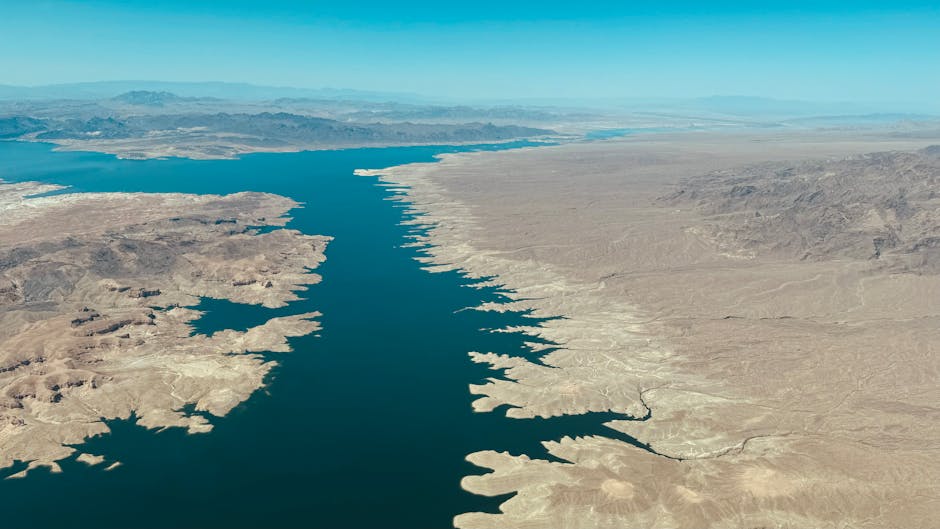

Trump administration readying a plan to impose Colorado River water cuts on Western states – Image for illustrative purposes only (Image credits: Pexels)
The White House has informed Western states that it is developing a decade-long framework for the Colorado River, one that would permit regular reviews of required water reductions every two years. This approach comes as the river continues to face severe strain from prolonged drought and growing demand across the region. Officials described the effort as a way to build flexibility into future decisions rather than locking in rigid reductions for the full period.
Addressing an Overtapped Resource
The Colorado River supplies water to millions of people and supports vast agricultural operations in seven states. Decades of overuse have left reservoirs at historic lows, forcing difficult choices about how much water each state can draw. The new plan aims to respond to these pressures by creating a structured yet adaptable process for managing shortages.
By scheduling reassessments at regular intervals, the administration seeks to avoid the disruptions that come with sudden, large-scale cutbacks. States would receive advance notice of any adjustments, allowing time to prepare conservation measures or alternative supplies. This rhythm of review reflects the recognition that conditions along the river can shift quickly from one season to the next.
Key Elements of the Proposed Framework
The 10-year horizon provides a longer-term view than previous short-term agreements, yet the biennial check-ins keep the process responsive. Under the plan, federal officials would work with state representatives to evaluate current water levels, usage patterns, and climate data before deciding whether deeper cuts are needed. The goal is to spread the burden more evenly while protecting critical uses such as drinking water and hydropower generation.
Western states have already begun internal discussions about how they might meet any new requirements. Some are accelerating projects to reuse wastewater or improve irrigation efficiency. Others are exploring voluntary transfers of water rights among users. These steps are expected to continue regardless of the exact timing of federal reviews.
Impact on States and Communities
Communities that rely heavily on the river are watching the developments closely. Farmers in the lower basin face the possibility of reduced allocations that could affect crop choices and land values. Cities in the upper basin are weighing investments in new storage or conservation programs to stay within future limits. The periodic review process is intended to give these users clearer signals about what to expect in the coming years.
Coordination among the states remains essential. Past agreements have shown that cooperation can prevent the kind of legal battles that once threatened to tie up water deliveries for years. The administration has signaled that it will continue to facilitate talks among the seven basin states as the plan takes shape.
Next Steps in the Process
Details of the framework are still being refined, with further consultations planned between federal and state agencies. Once finalized, the plan would guide water management decisions through the end of the decade and beyond. Officials have emphasized that the structure allows for course corrections if drought conditions worsen or if new conservation technologies become available.
The outcome will shape how the West balances growth with the limits of its most important water source. Regular reassessments offer one path toward that balance, giving decision-makers repeated opportunities to adjust before shortages become acute.