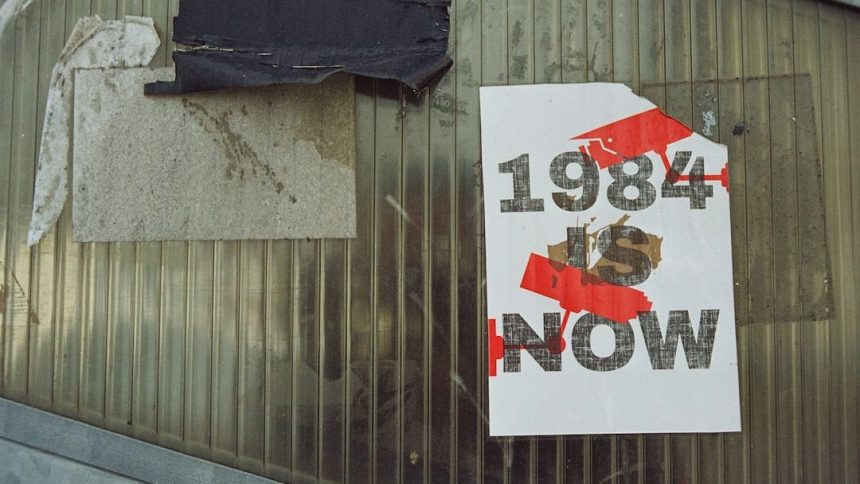
George Orwell penned “1984” back in 1949, imagining a future where governments spy on everything you do and truth becomes whatever those in power say it is. Honestly, when you look around today, it’s eerie how much of his fiction feels like our daily news cycle. The surveillance, the manipulation of facts, the way language gets twisted to serve political agendas – it’s all here, just dressed up in modern technology.
What makes this especially unsettling is that Orwell was writing about a distant, hypothetical future. We’re living in that future now, and some of his warnings have materialized in ways he couldn’t have fully anticipated. Let’s dive into why this dystopian novel hits differently in 2026 than it did decades ago.
Surveillance Is Everywhere, and We Invited It In
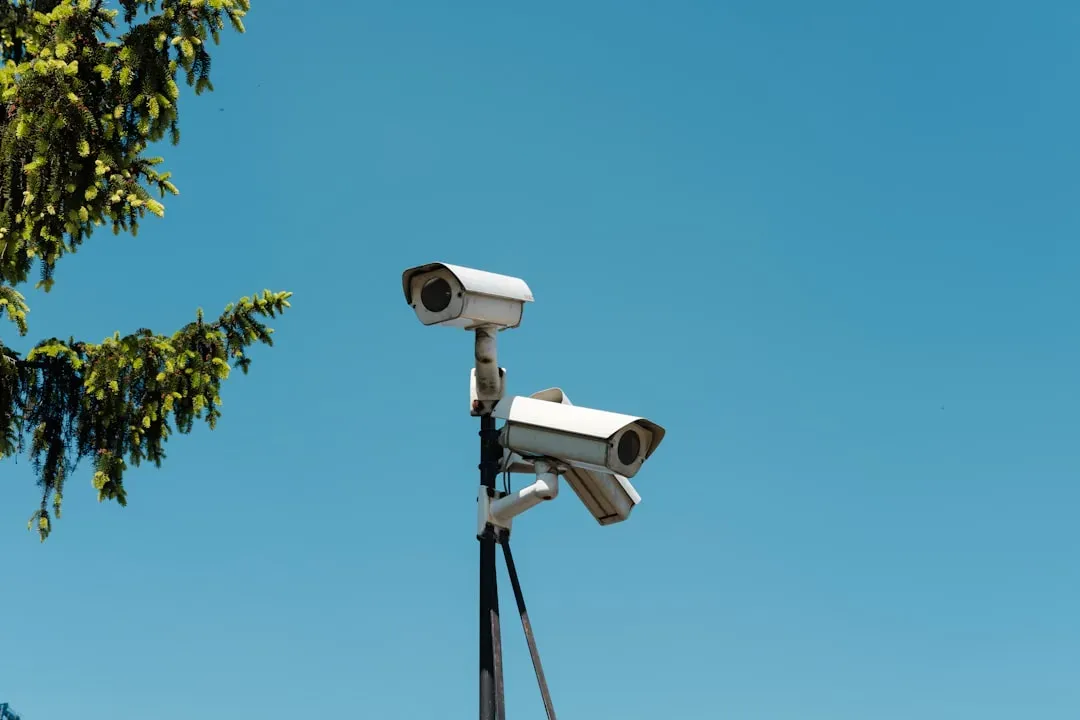
In Orwell’s world, telescreens watched citizens constantly, recording their every move and word. Today? We carry those telescreens in our pockets voluntarily. Our smartphones track our location, our searches, our conversations – and we barely think twice about it.
Smart home devices listen for commands in our living rooms. Cameras are on every street corner, in every store, monitoring traffic and behavior. The difference is we agreed to all of this, usually by clicking “Accept” on terms and conditions we never actually read.
What’s wild is how normalized it’s become. We know we’re being watched, tracked, and analyzed, yet we shrug it off because it’s convenient. That’s perhaps more disturbing than Orwell’s vision – we didn’t need a totalitarian regime to force surveillance on us. We chose it ourselves.
Truth Has Become Negotiable
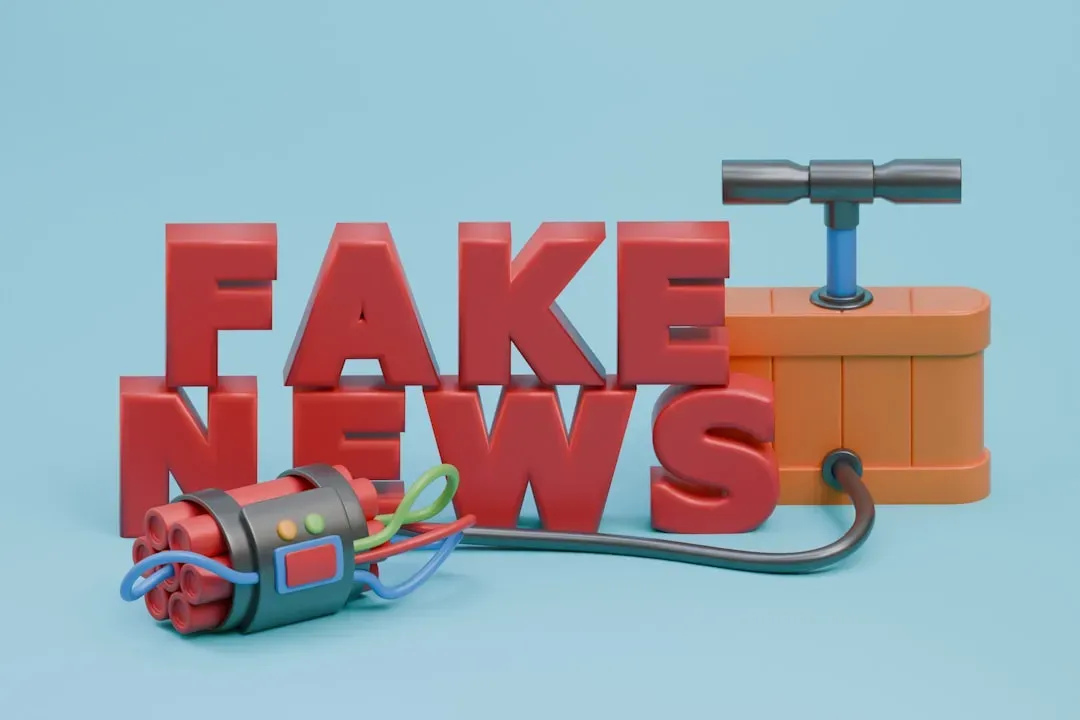
The Ministry of Truth in “1984” rewrites history to fit the Party’s current narrative. Facts are altered, records are destroyed, and reality becomes whatever Big Brother says it is. Sound familiar?
These days, we call it “alternative facts” or “fake news,” depending on which side you’re on. Video can be deepfaked. Photos can be doctored so convincingly that experts struggle to spot the forgeries. Social media algorithms feed us information that confirms what we already believe, creating echo chambers where opposing viewpoints simply don’t exist.
The scary part isn’t just that misinformation exists – it always has. It’s that we’ve lost consensus on what’s real. Two people can watch the same event and walk away with completely opposite understandings of what happened. Orwell called it doublethink. We’re living it.
Language Gets Weaponized Daily
Newspeak was Orwell’s fictional language designed to limit thought by limiting words. The idea was simple – if you eliminate words for rebellion or freedom, people can’t even conceive of those concepts anymore.
We haven’t gone that far, but watch how language morphs in political discourse today. Words get redefined until they mean their opposite. “Reform” can mean dismantling. “Freedom” gets invoked to justify control. Euphemisms mask ugly truths – “enhanced interrogation” instead of torture, “collateral damage” instead of civilian deaths.
Even casual conversation has become a linguistic minefield where saying the wrong thing can get you publicly shamed or canceled. There’s a chilling effect when people self-censor constantly, afraid of using words incorrectly. That’s thought control through language policing, just with extra steps.
Perpetual Conflict Keeps Us Distracted
In “1984,” Oceania is always at war with either Eurasia or Eastasia, though the enemy keeps switching and everyone pretends it was always that way. The war never ends because it serves a purpose – keeping the population scared, obedient, and too busy to question authority.
Partner offer
Look at how media coverage works now. There’s always some crisis, some enemy, some urgent threat demanding our attention. The 24-hour news cycle ensures we’re constantly anxious about something. Wars, pandemics, economic collapse, climate disaster – the threats are real, but the way they’re presented keeps us in a perpetual state of alarm.
When people are frightened, they’re more willing to surrender freedoms in exchange for safety. They’re less likely to critically examine what their government is doing. Orwell understood that fear is the most effective tool for control, and it hasn’t lost its effectiveness in eight decades.
Big Tech Plays the Role of Big Brother
Orwell imagined a single authoritarian government controlling everything. Instead, we got corporations doing much of the surveillance and data collection on behalf of governments – or just for profit.
Companies know more about us than our closest friends do. They know what we buy, what we watch, who we talk to, where we go, what we search for at three in the morning when we can’t sleep. This data gets analyzed, sold, and used to predict and influence our behavior.
The social credit systems emerging in some countries would fit perfectly in Orwell’s Oceania. Your online behavior affects your real-world opportunities. One wrong post could tank your score and limit your access to services, jobs, or travel. It’s thought policing through algorithms.
Memory Has Become Unreliable
Winston Smith’s job was to alter historical records, making the past align with present-day propaganda. Once changed, the original version disappeared down the memory hole, and nobody could prove it ever existed differently.
Digital records should make this impossible, right? They’re permanent, archived, searchable. Except they’re not. Websites vanish. Articles get stealth-edited without noting the changes. Social media posts disappear. Search results change based on who’s looking and when.
Even our personal memories get distorted by the constant flood of information. Something you remember seeing or reading might have been doctored, misrepresented, or taken out of context. With so much content flying at us daily, separating what actually happened from what we think happened becomes genuinely difficult.
Final Thoughts
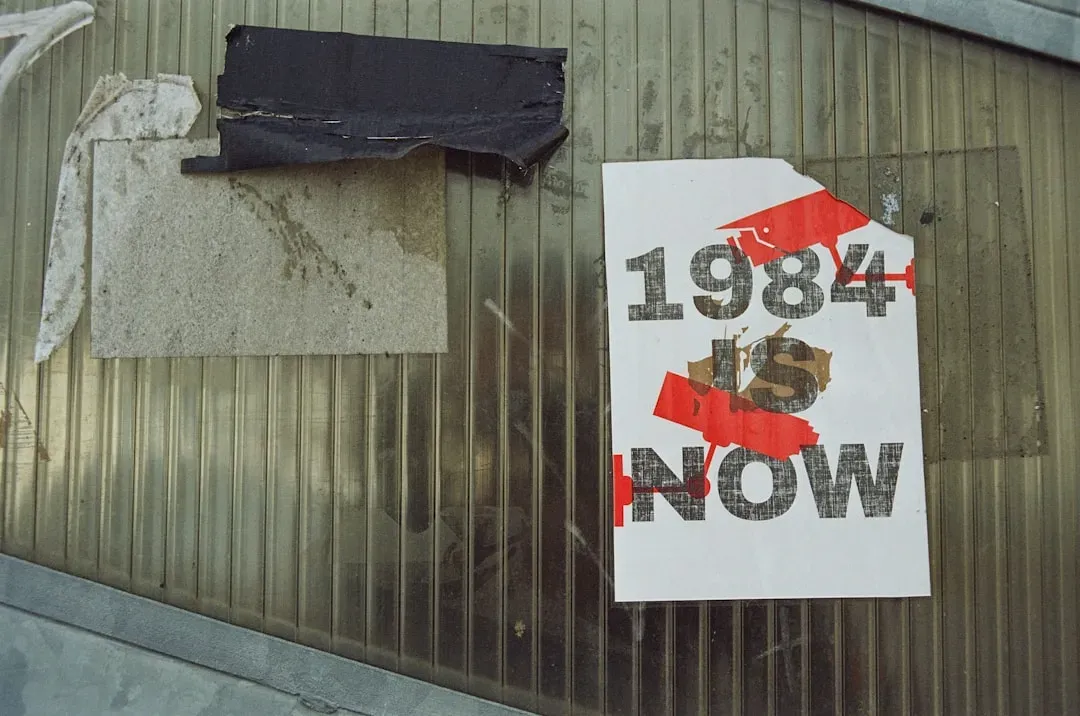
“1984” resonates now because Orwell wasn’t writing about some alien dystopia – he was extrapolating from the totalitarian impulses he saw in his own time. Those impulses haven’t disappeared. They’ve adapted, evolved, and found new expressions in our technology, our politics, and our culture.
The novel feels prophetic because it captured something timeless about power and control. Whether wielded by governments, corporations, or the mob dynamics of social media, the fundamental truth remains: unchecked power will expand until it consumes everything, including truth itself. The format changes, but the pattern persists.
The real question isn’t whether Orwell predicted our future. It’s whether we’ll let that future become permanent or fight to preserve what remains of privacy, truth, and human autonomy. So what do you think – are we sleepwalking into Oceania, or is there still time to change course? Tell us in the comments.
Partner offer
Planning a trip to Vegas?
Compare hotel rates and show tickets on VEGAS.com.