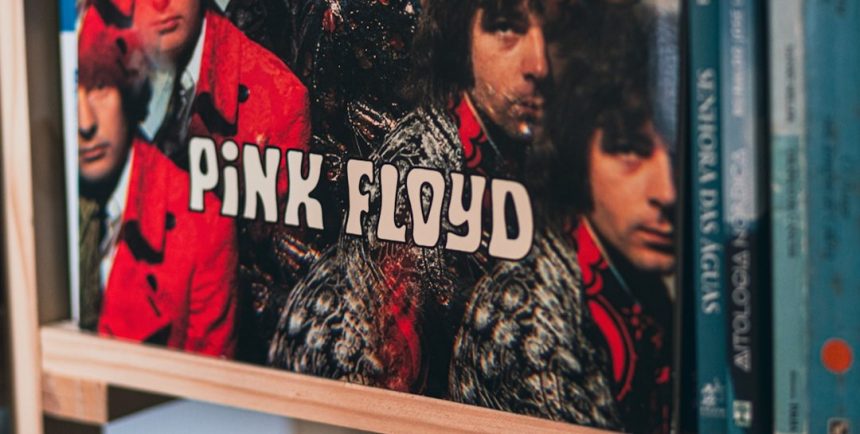
Some records just refuse to age. You can pull them out on a random Tuesday, decades after their release, and they still land with the same emotional gut-punch or sonic curiosity that made them classics in the first place. Musicians themselves have spent years trying to explain why certain albums keep pulling new listeners in generation after generation, and their answers tend to circle back to a few things: honesty, risk, and a refusal to chase trends.
What follows isn’t a ranking. It’s a look at eight albums that keep showing up on “greatest of all time” lists, paired with what the artists who made them, or the musicians who were shaped by them, have actually said about why the music holds up.
Pet Sounds – The Beach Boys (1966)

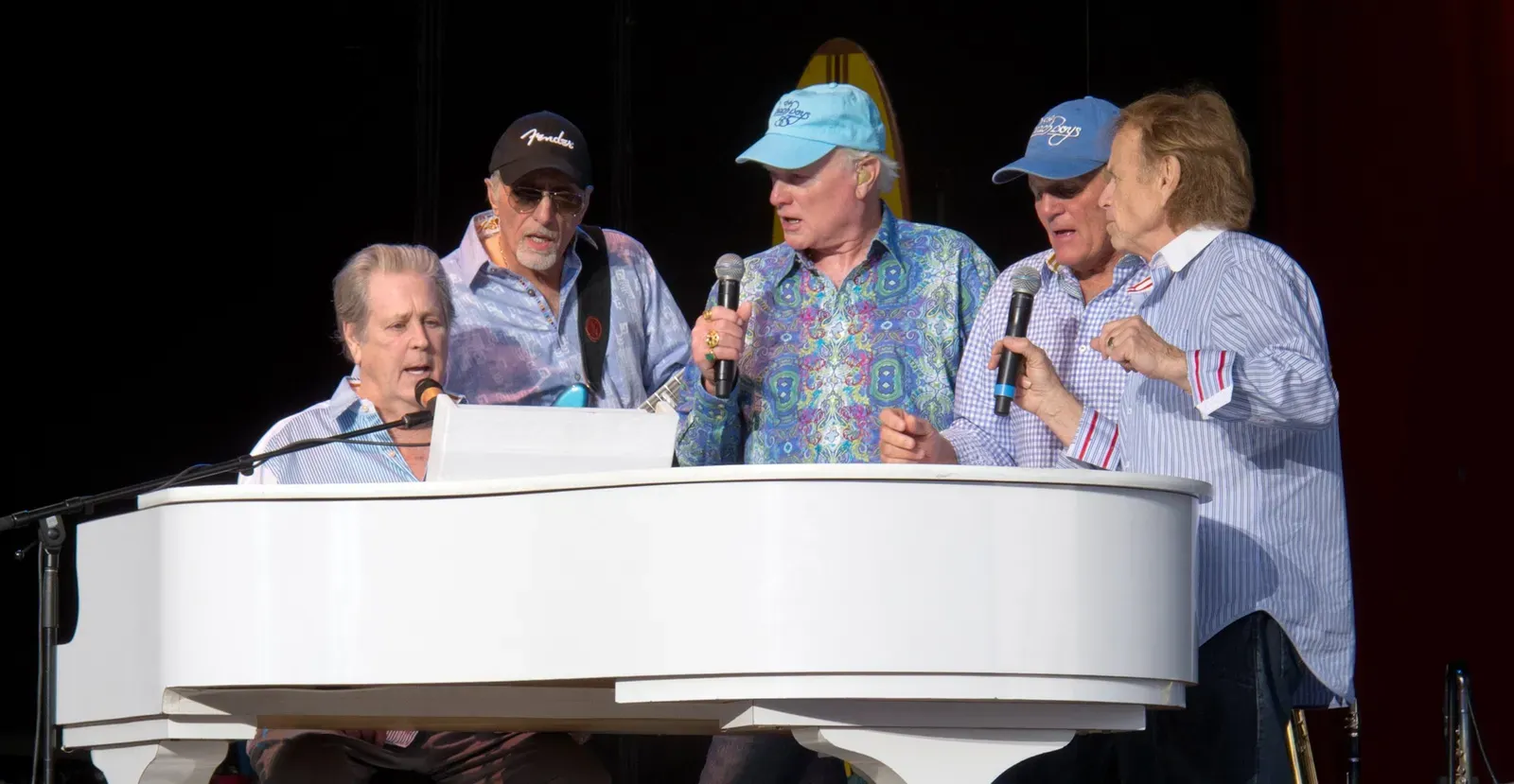
Brian Wilson didn’t set out to make a “concept album” in the way we understand the term today, but that’s essentially what happened. Fifty years on, Brian Wilson’s emotive musings on love, loss, and loneliness on the Beach Boys’ Pet Sounds have proven to be truly timeless. Wilson himself described the shift away from the band’s earlier surf-and-cars material plainly, saying “Pet Sounds was more of an advanced kind of a lyric idea. It wasn’t about cars, or surf, or flashy ideas. It was more of an introspective album with very, very good lyrics.”
The album’s influence on other musicians is well documented, and it’s not just a rock history footnote. Everyone from David Bowie and Queen to R.E.M., Radiohead, and Weezer have all been touched by Pet Sounds’ innovations. Wilson’s own explanation of the record’s staying power was refreshingly simple. He once said “I think it’s a very everlasting album. I’m very proud of the love that went into it. A lot of love went into that album. And people pick up on that too, and they really like it ’cause they feel the love.”
Kind of Blue – Miles Davis (1959)


Ask jazz musicians why this record never seems to go stale, and you’ll hear some version of the same idea: it wasn’t overplanned. Herbie Hancock has talked about how Kind of Blue’s importance to his generation was as a portal from one era to another, presenting “a doorway for the musicians of my generation, the first doorway that we were exposed to in our lifetimes.” That sense of discovery, of hearing something be invented in real time, is part of why the record still feels alive rather than preserved in amber.
Writers and critics who’ve studied the album closely point to the same paradox that keeps musicians coming back to it. As one retrospective on the record’s sixtieth anniversary put it, the wonder of it is that the music does not sound as if it has come out of the same time-capsule as other songs from that era; it sounds fresh, newly-minted and contemporary. Musicians outside jazz have felt the pull too. Duane Allman once explained that his extended, exploratory soloing style came from Miles and Coltrane, and particularly Kind of Blue, adding that he’d listened to that album so many times that for a couple of years he’d hardly listened to anything else.
The Dark Side of the Moon – Pink Floyd (1973)

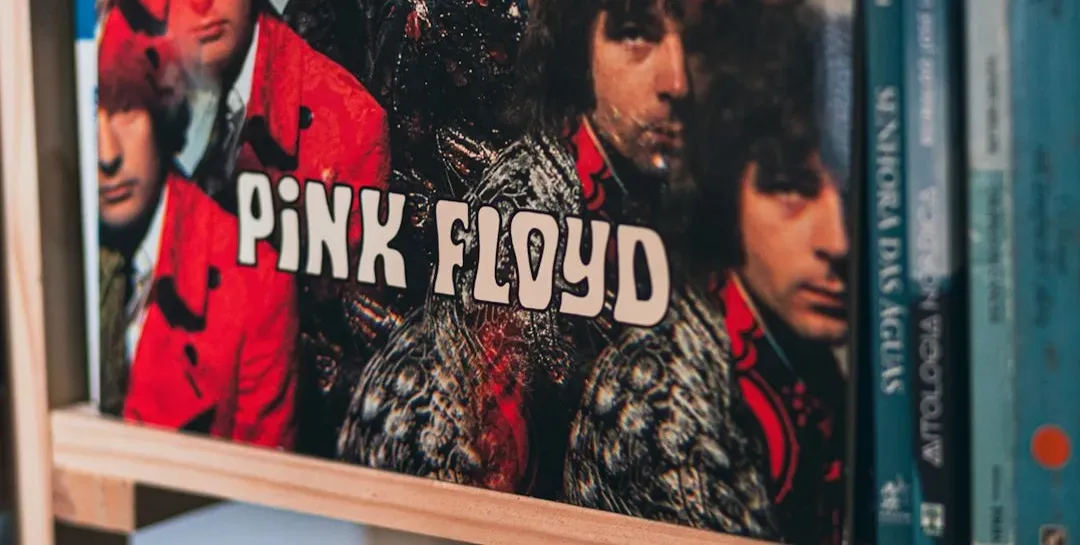
Pink Floyd’s members have never fully agreed on why this album has stuck around so stubbornly, which is itself interesting. In 1988, guitarist David Gilmour offered one explanation, noting that the ideas Roger Waters was exploring apply to every new generation, and they still have very much the same relevance as they had. Roger Waters, for his part, has suggested the appeal comes down to something almost embarrassingly simple. He once reflected that the music’s quite compelling, but maybe it’s the simplicity of the ideas that appeal to a generation going through puberty and trying to make sense of it all.
Even the band members seem a little puzzled by how durable the record has turned out to be. Keyboardist Richard Wright admitted in a later interview that it hit a chord, obviously, and it still doesn’t sound dated, it still sounds good when he listens to it, but he couldn’t really say why it should achieve that longevity over some of the other great records. That honesty is refreshing. Sometimes the artists themselves can’t fully explain the magic, they just know it’s there.
OK Computer – Radiohead (1997)


Thom Yorke has been careful over the years to push back on the idea that OK Computer was some grand prophecy about technology. “It’s not really about computers,” Yorke said a few months after the album’s release, explaining it was just the noise that was going on in his head for most of a year and a half of traveling and absorbing television and computers. That distinction matters, because it’s the emotional core, not the futurism, that keeps the record relevant.
Guitarist Ed O’Brien has pointed to the album’s internal cohesion as a big part of why it works as a whole listening experience rather than a collection of singles. O’Brien said in an interview with The Guardian that “the context of each song is really important” and that “there is a continuity there.” Two decades on, critics still describe the record’s dystopian undertones as remaining eerily relevant today, which is probably the highest compliment an album about anxiety and alienation could receive.
Nevermind – Nirvana (1991)

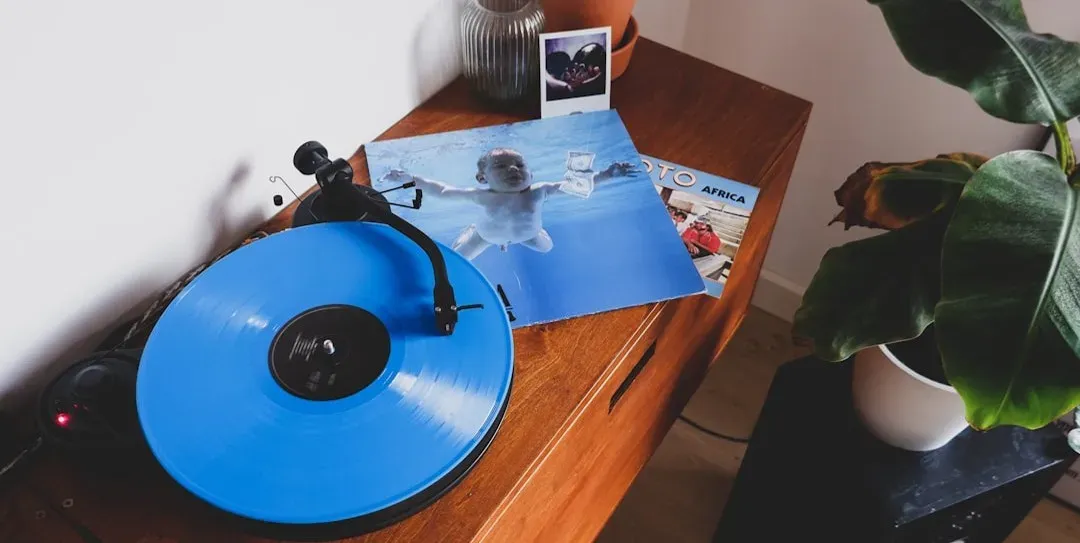
Nirvana’s breakthrough record didn’t just sell records, it reset expectations for what mainstream rock could sound like. Biographer Michael Azerrad, who worked closely with the band, has described the cultural vacuum the album filled, saying that music lovers in the early nineties were essentially starving for something more direct. He noted that people could not wait for something like this, that it had been bottling up for over ten years, adding that people were starving for something that spoke to them at a deeper level.
Partner offer

Part of what keeps Nevermind in rotation decades later is how unfiltered it feels compared to the polished pop that dominated before it. Azerrad framed the album’s arrival as something bigger than a single band’s success story, suggesting it was the advent of a new generation and Nirvana was heralding that. The rawness that felt like a rupture in 1991 now reads as a template that countless rock bands have tried, and mostly failed, to replicate.
Blue – Joni Mitchell (1971)

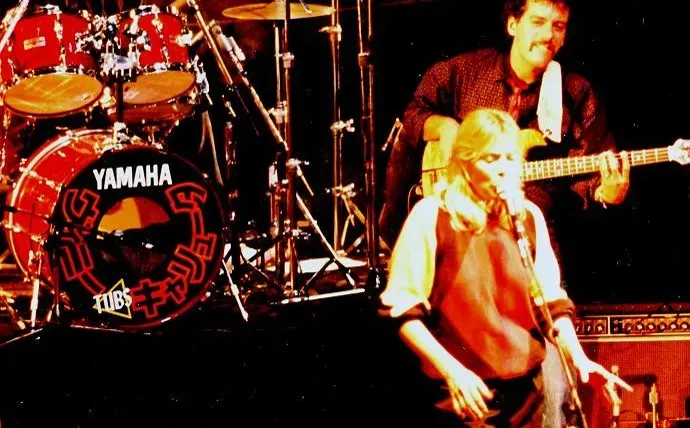
Few albums have been picked apart as thoroughly as Blue, and yet writers still struggle to pin down exactly why it hits so hard. Novelist Zadie Smith once tried to explain her own relationship with the record, admitting “I can’t listen to Joni Mitchell in a room with other people, or on an iPod, walking the streets. Too risky.” That kind of vulnerability, the sense that the songs are almost too personal to share casually, is exactly what musicians point to when explaining the record’s lasting pull.
Critics have also emphasized that the album’s power comes from craft as much as raw feeling. One retrospective argued for looking past the cliché of Mitchell simply “cutting to the feeling,” instead urging listeners to think again about what it takes to make any memorable work, and to honor the craft of it, the thinking, the substance, the solid work that made Mitchell able to communicate her ideas. Blue endures because it rewards both the casual emotional listen and the deeper, more analytical one.
Rumours – Fleetwood Mac (1977)

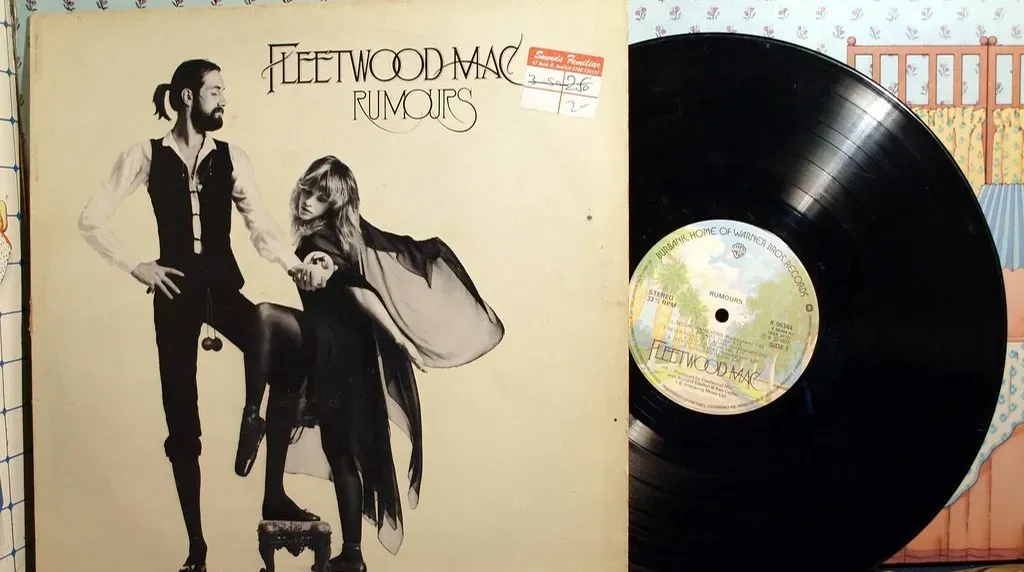
Rumours occupies a strange space in music history: an album born out of genuine interpersonal chaos, with three couples in the band breaking up during recording, that somehow produced some of the most polished pop-rock songwriting of the decade. That tension between messy real life and immaculate studio craft is part of why musicians still study the record. Songs like “Go Your Own Way” and “Dreams” work because the pain feels specific and unresolved, not tidied up for radio.
The album’s commercial success, tens of millions of copies sold worldwide, only tells part of the story. What keeps guitarists, drummers, and songwriters coming back to Rumours is the arrangement work, the way Lindsey Buckingham’s guitar interplays with Christine McVie and Stevie Nicks’s vocal harmonies without ever feeling cluttered. It’s an album that sounds warm and analog in an era when a lot of production from the same period now feels dated, which is exactly why producers still reference it when chasing a certain kind of clarity.
Thriller – Michael Jackson (1982)

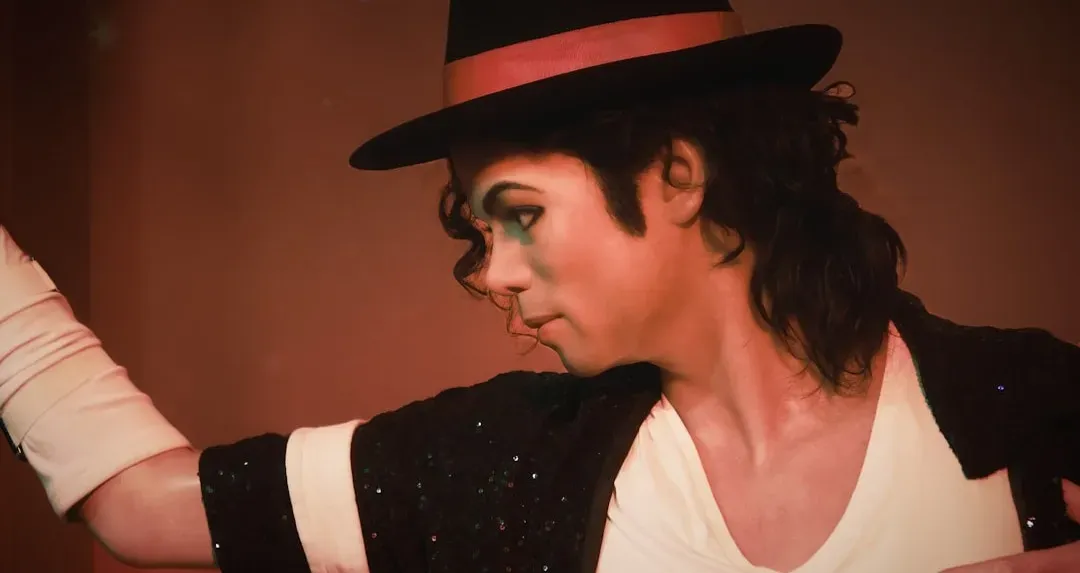
Thriller remains the best-selling album of all time, and that commercial dominance sometimes overshadows just how carefully constructed the record actually is. Producer Quincy Jones and Jackson built an album where nearly every track could have been a single, blending funk, rock, disco, and pop into something that never feels like a genre exercise. Musicians who’ve tried to dissect the record’s appeal keep landing on the same point: the arrangements are dense but never busy, and the hooks arrive with a kind of inevitability that’s extremely hard to fake.
What makes Thriller feel current rather than nostalgic is how much of modern pop production still borrows from its DNA, layered vocal harmonies, tight rhythm-section interplay, and a real emphasis on the bridge as a moment of tension and release. Younger producers sampling or studying the record often note that its bass lines and drum programming, largely the work of session players and engineer Bruce Swedien, sound remarkably clean by today’s streaming-era standards, which helps explain why the songs still fill dance floors decades after release.
What Ties These Albums Together

Looking across all eight records, a pattern emerges that has less to do with genre and more to do with intention. Every one of these albums was made by artists pushing against what was expected of them at the time, whether that meant Brian Wilson abandoning surf songs for orchestral introspection, or Miles Davis stripping jazz down to modes instead of rapid chord changes. Musicians consistently point to that willingness to risk failure as the thing that keeps a record from feeling like a product of its moment.
The other common thread is emotional specificity. None of these albums traffic in vague sentiment. Joni Mitchell’s heartbreak, Roger Waters’s anxiety, Thom Yorke’s unease, Kurt Cobain’s alienation, these are precise, lived-in emotions rendered with enough craft that they translate across decades and cultural contexts. That combination, real feeling paired with genuine formal risk, seems to be the closest thing to a formula for music that simply refuses to date itself.
Records don’t become timeless by accident, and they rarely become timeless by chasing what’s popular. If there’s a lesson in why these eight albums still sound fresh, it’s that honesty and ambition tend to outlast trends every single time.
Partner offer
Planning a trip to Vegas?
Compare hotel rates and show tickets on VEGAS.com.