The lights of downtown Las Vegas still glitter against the night sky, promising excitement and a break from the ordinary. Yet something feels different beneath those neon signs. Walk into certain casinos today, and you might notice the absence of something that once defined Sin City: the familiar banter of a friendly dealer shuffling cards or spinning a roulette wheel.
In June 2025, Las Vegas welcomed 3.1 million visitors, an 11.3% decline from June 2024. This isn’t just another bad month. It’s part of a pattern that’s reshaping everything from casino floors to the livelihoods of workers who’ve called these properties home for decades. The vanishing dealers downtown tell a much bigger story, one about changing tastes, economic pressure, and an industry racing to adapt.
Tourism Numbers Are Plummeting Across the City

There were 35,457,000 people who visited Las Vegas through November 2025, down 7.4% from 2024. Let’s be real, that’s a massive drop. The visitor volume in 2025 closely mirrors the levels seen in 2000, 2002 and 2003, which means the city has essentially traveled back in time two decades when it comes to foot traffic.
Tourism drives roughly a third of Southern Nevada’s entire economy. When visitation falls this hard, casinos feel it immediately. Fewer people walking through the doors means fewer players at the tables, and that changes the math for operators trying to justify large teams of salaried dealers.
The LVCVA highlighted the steep decline in international travel to the city as a core issue, with an estimated 24% drop in Canadian visitors. International guests historically spend more on table games than slots, so losing them hits traditional table play especially hard.
Golden Gate Made History by Going All Electronic
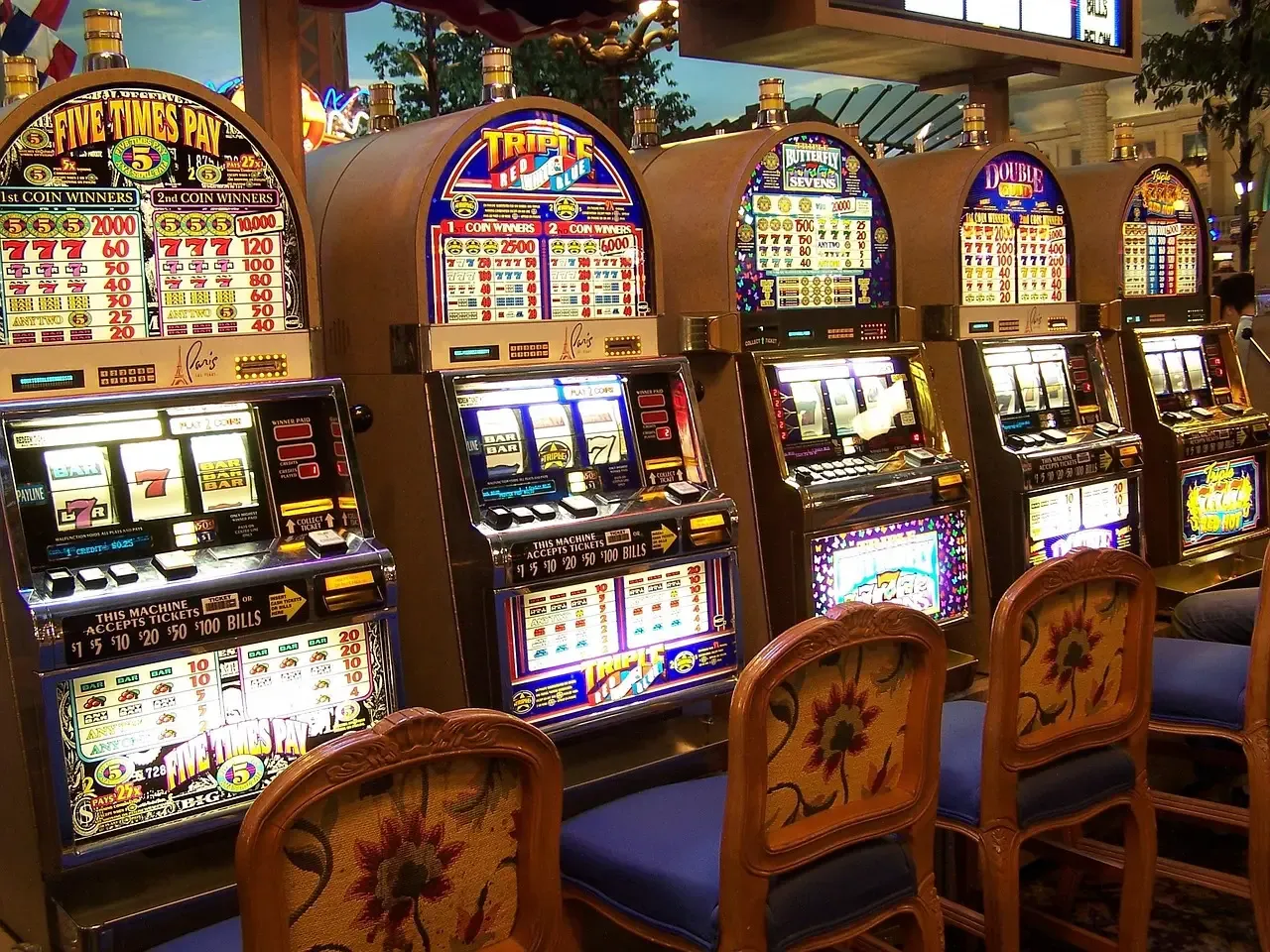
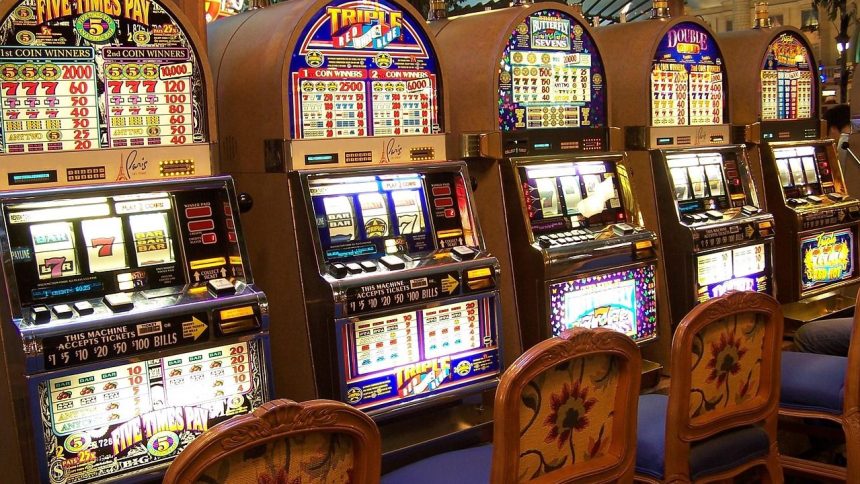
Golden Gate will no longer offer live dealer table games, according to owner Derek Stevens, with the decision based on the financial success of a similar move at Circa. It’s hard to say for sure, but this might be the most symbolic shift downtown has ever seen. Golden Gate is the oldest operating casino hotel in Las Vegas, and its floors have been home to live dealers for more than a century.
The Golden Gate Casino in downtown Las Vegas has shifted entirely to a virtual gaming floor, removing live dealers and traditional table games in favor of high-tech electronic setups. Stevens told the press that his other property, Circa, ran a similar test on its second floor, and the results were hard to ignore. The second floor of Circa has not had live dealers for nearly a year and has “exploded in popularity”.
This wasn’t a spur-of-the-moment decision. It was strategic, calculated, and based on real revenue data that pointed in one clear direction: electronic games were outperforming traditional tables.
Electronic Table Games Are Cheaper to Operate

Running a live table game isn’t cheap. Dealers need wages, benefits, training, and breaks. Supervisors need to watch them. Pit bosses manage the floor. It all adds up quickly.
For casinos, ETGs reduce labor costs and operational downtime, since machines don’t take breaks or call in sick. Machines also don’t need vacation time, health insurance, or workers’ compensation. From a pure business standpoint, the savings are obvious. Casinos operate on tight margins in many areas, and table games with human dealers require higher staffing costs that become harder to sustain when revenue per square foot underperforms.
Golden Gate’s shift away from live dealer tables aims to optimize the casino floor for maximum revenue per square foot by replacing resource-intensive, slower-play options with faster, higher-margin electronic options. When you’re running a business, especially one in a city experiencing declining tourism, efficiency becomes everything.
Younger Players Actually Prefer Digital Experiences
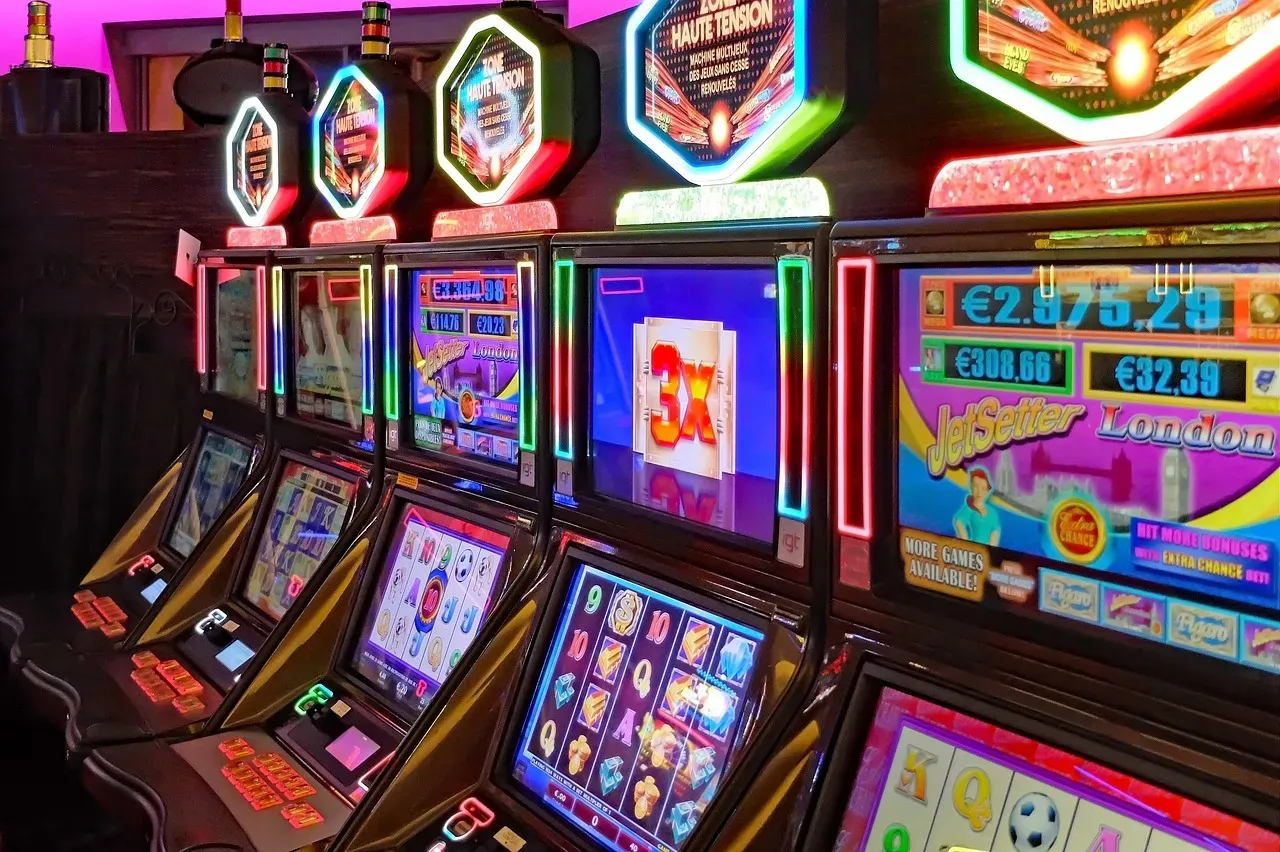
It might sound crazy, but many younger gamblers don’t miss the live dealers at all. They grew up with screens, smartphones, and apps. The idea of sitting at a physical table with a human dealer can feel intimidating, even old-fashioned.
Derek Stevens told the Las Vegas Review-Journal that more and more younger people want to play electronic games. In 2025, players of all ages are increasingly comfortable gambling on screens, with the rapid expansion of mobile sports betting and online sports gambling legal in 33 states putting digital gambling in the hands of more than one-third of Americans.
Electronic table games let players learn the rules at their own pace without feeling watched or judged. There’s no pressure to tip, no fear of looking foolish in front of a dealer or other players. That social barrier matters more than people think.
Casino Layoffs Are Hitting Dealers Hard

The Las Vegas metro area ended 2024 with an unemployment rate of 5.9%, the highest of any large metro area in the country, with the leisure and hospitality sector shedding thousands of jobs over the past year. Dealers are among those feeling the squeeze.
Fontainebleau laid off as many as 60 table game dealers in a single round of cuts. Resorts World and other properties followed with similar reductions. CEG Dealer School Managing Director David Knoll said enrollment has dropped among people interested in becoming a dealer.
The writing is on the wall. Fewer jobs, fewer trainees, and a profession that’s beginning to look less stable than it did even five years ago.
High-Roller Games Are Suffering From International Declines

Traditional table games like baccarat have historically attracted international high rollers, especially from Asia. Those players used to bring enormous sums of money to the tables. Nowadays, they’re not showing up in the same numbers.
In June 2025, international arrivals were reported down 13%, and that decline directly impacts demand for dealer-run games. When the big spenders stay home, casinos have less reason to staff expensive live tables that cater to that demographic. The math simply doesn’t work anymore in many cases.
Casinos Are Redesigning Floors for Maximum Profit

Walk into a modern casino, and you’ll notice something different about the layout. Gone are the sprawling table game pits that once dominated the center of the floor. In their place, you’ll find tightly packed electronic gaming zones designed to generate more revenue per square foot.
Jane Bokunewicz from Stockton University said operators predict which games will be most popular among their customer base and design the floor with the goal of generating the maximum revenue per square foot. If a particular gaming product is underperforming, it will likely be replaced with something else.
Circa’s high-limit room generates roughly a third of the property’s monthly gross gaming revenue, and that space focuses heavily on electronic slots rather than traditional table games. Operators are chasing those kinds of returns across the city.
Automation Technology Keeps Getting Better

Electronic table games today aren’t the clunky, glitchy machines of a decade ago. They’re sleek, fast, and increasingly social. Some even feature stadium-style seating where dozens of players can bet on the same virtual dealer or automated wheel.
Automated table games and Artificial Intelligence possess advantages that are difficult to overlook, though it’s difficult to overstate the importance of the human element within the casino environment. Still, the technology is getting better every year. AI-driven games can track player behavior, adjust odds in real time, and create experiences that feel surprisingly engaging.
The question isn’t whether the technology works anymore. It’s whether people will embrace it long-term or eventually demand the return of human interaction.
Fewer People Are Choosing to Become Dealers

Enrollment at dealer training schools has dropped, and it’s not hard to understand why. Who wants to spend money and time learning a skill when the jobs are disappearing?
In 2024, the average hourly wage for casino dealers in Nevada was $19.96, closely aligning with the national average of $19.25. That’s not exactly a fortune, especially when you factor in the rising cost of living in Las Vegas. Career schools tied to casino gaming report less interest as opportunities shift toward automated systems and alternative roles.
This creates a vicious cycle. Fewer trainees mean fewer skilled dealers available when casinos do need them. Over time, that accelerates the shift toward automation even further.
The Future of Downtown Gaming Is Taking Shape

Derek Stevens said table games are going to become more of a high-end luxury thing rather than the backbone of casino floors. That’s a dramatic shift from the Las Vegas many people remember, where anyone could sit down at a five-dollar blackjack table and try their luck with a friendly dealer.
Golden Gate’s decision to eliminate all live dealer table games and run a fully electronic casino floor reflects a broader shift taking shape across the gambling industry. It’s not just about one property or one city. It’s about an industry adapting to new economic realities, changing customer preferences, and relentless pressure to stay profitable.
Some industry experts believe live dealers will never completely disappear from casino floors. They’ll just become rarer, more exclusive, and reserved for higher-stakes play. Meanwhile, the electronic games will dominate the mass-market spaces where most visitors gamble.
What This Means for Vegas Culture

Here’s the thing: live dealers weren’t just employees. They were part of the show. They cracked jokes, remembered regulars by name, and created the kind of atmosphere that made Las Vegas feel alive. Alan Feldman from UNLV noted that regular visitors often have personal connections with dealers, and robots will not do that.
Vital Vegas wrote that the idea an iconic, old-school casino will be without live table games rejiggers one’s reality and understanding of what casinos are. It’s a fair point. The shift to electronic gaming changes the very DNA of what downtown Las Vegas represents.
Lenny Balmer, a 49-year-old mechanic from Southern California who travels to Las Vegas frequently, said he is unlikely to make a return visit to Golden Gate in the future. That sentiment matters. Casinos can save money with automation, but if they lose loyal customers who value the human touch, those savings might come at a steep price.
The dealers who once spun roulette wheels and dealt blackjack hands downtown are vanishing, but their absence leaves behind questions about what kind of city Las Vegas will become. Will it lean fully into efficiency and automation? Or will it find a way to balance technology with the human connections that made it special in the first place? What do you think about it?