Ever wondered why you hear the same type of music blaring from every radio station, streaming playlist, and viral video? Why some genres seem to have a permanent seat at the top while others struggle to even get noticed? It’s not random luck or coincidence. The music industry operates like a carefully calculated machine, and understanding its inner workings reveals a fascinating story about what we listen to and why.
The truth is, certain genres have discovered the secret formula to chart success while others remain in the shadows, no matter how talented the artists.
Streaming Numbers Tell the Real Story

Hip-Hop/R&B accounted for 30.7% of all streams across platforms, making it by far the most dominant genre in 2024. This isn’t just about popularity. It’s about how people consume music now. The streaming era completely changed the game, and hip-hop adapted faster than anyone else.
R&B/hip-hop remains the number one U.S. genre with 25.27% of the market, largely because of its outsize percentage of on-demand streams. Think about it. These genres produce catchy hooks perfect for short attention spans and endless replay value. Rock remains the second most popular streaming genre with 17% of all on-demand streams in the U.S. Yet even rock, once the undisputed king, can’t compete with hip-hop’s streaming dominance.
Pop’s Surprising Growth Spurt
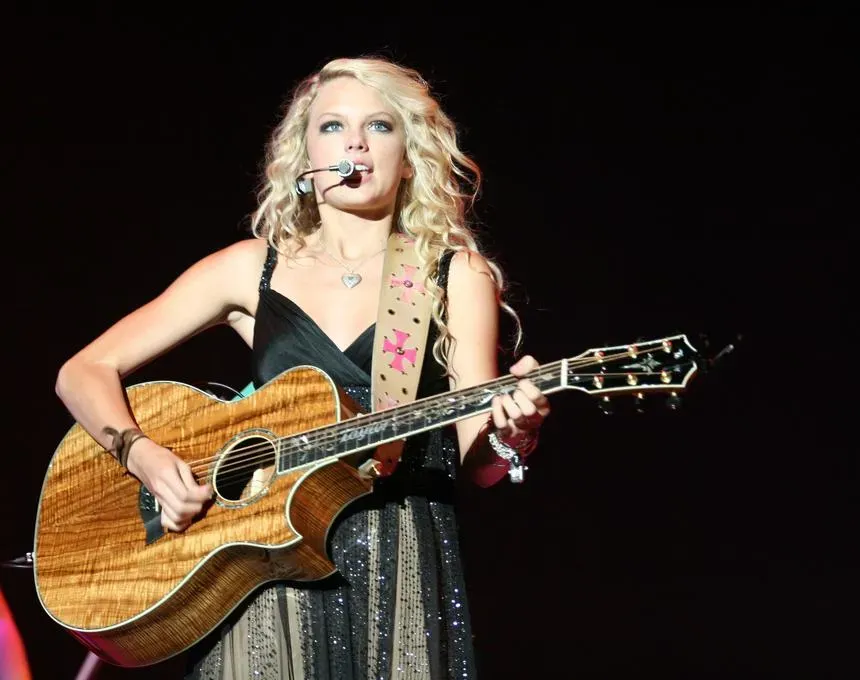
Here’s something that caught many industry insiders off guard. Pop music grew faster than Latin music in the U.S. in 2024, driven by Taylor Swift and other female artists, who dominated the top of the charts in 2024. Pop has this incredible ability to morph and absorb elements from every other genre, making it eternally relevant.
Pop music was the fastest-growing genre in the States last year, adding 0.48% to its annual market share of all on-demand audio streams. That might sound small, but in an industry where fractions of percentages translate to millions of dollars, it’s massive. Pop stays on top by constantly reinventing itself, borrowing trap beats here, country twang there, and electronic drops everywhere.
The TikTok Effect Cannot Be Ignored
Let’s be real – TikTok has completely rewritten the rules of music discovery. 84% of songs that appeared on Billboard’s Global 200 in 2024 first gained popularity on TikTok, while an additional 12% experienced viral success on the platform after charting. That’s a jaw-dropping statistic that explains why your teenager knows songs you’ve never heard of.
The platform’s algorithm doesn’t care about record label budgets or radio play. According to an official TikTok survey, over 60% of users have discovered new artists through the app, many of whom are unsigned and unknown outside the platform. This democratization sounds great in theory, but it also means genres that don’t translate well to fifteen-second videos struggle to gain traction. Jazz and classical, I’m looking at you.
Hip-Hop’s Fluctuating Fortune

Despite its streaming dominance, hip-hop’s chart presence tells a more complicated story. Hip-hop’s dominance appears to be waning, as the genre’s market share has dipped every year since its 2020 peak, as has its share of on-demand streams, which stood at 30.11% in 2021 and is now at 26.63%. Yet hip-hop/rap led for the first time since 2018 with a 38% share of Billboard Hot 100 number ones, more than doubling from 2023 to 2024.
What gives? Hip-hop is evolving, fragmenting into countless subgenres, and blending with everything from country to K-pop. Hip-hop’s influence is so pervasive that it has become a fundamental component of almost every dominant and emerging genre, including K-pop, Afrobeats, and Latin music. However, it’s not always feasible to label everything as hip-hop, which can lead to its dominance being overlooked on charts and playlists.
Country Music’s Remarkable Comeback

Country music accounted for 8.40% of the recorded-music market in 2023, up from 7.76% the year prior. This resurgence isn’t your grandparents’ country anymore. Artists like Morgan Wallen and Shaboozey are blending country with hip-hop, creating crossover hits that appeal to multiple demographics.
Shaboozey’s “A Bar Song (Tipsy)” was the longest-leading such smash in 2024, running up a record-tying 19 weeks at No. 1. The genre found the winning formula: authentic storytelling mixed with modern production and a willingness to experiment. Country proved that traditional genres can absolutely dominate if they adapt without losing their soul.
Latin Music’s Unstoppable Rise

Mexican Regional Music grew 40% in global consumption in 2023 surpassing many English-language sub-genres. Latin music represents one of the fastest-growing segments globally, and it’s not slowing down. Latin music continues to rise every year and now accounts for 8.2% of all music streams, proving its growing popularity worldwide.
The success comes from authentic cultural expression combined with rhythms that translate across language barriers. Reggaeton, bachata, and regional Mexican sounds bring something fresh to listeners tired of homogenized pop. Plus, Latin artists have mastered the art of collaboration, constantly working across genres and borders to expand their reach.
Why Jazz and Classical Struggle

Only 0.08% of all music streams are jazz, which is an incredibly low number. Ouch. That hurts to read if you’re a jazz lover. But the harsh reality is these genres weren’t designed for the streaming era. They require active listening, patience, and attention spans longer than thirty seconds.
New releases in genres that often serve functional purposes, such as classical music for relaxation, are consumed less. Surprisingly, new releases in Pop generally do not exhibit high consumption rates despite being characterized as popular music. These genres also lack the visual component that drives TikTok virality. You can’t really make a dance challenge to Miles Davis, can you?
The Radio Versus Streaming Divide

Hip-hop fans are driven by what’s new, while most formats – especially pop – are wary of taking chances on new music, especially tracks that may sound jarringly out of place with the rest of a station’s playlist. This explains why the charts look different depending on whether you’re measuring radio play or streaming numbers.
Radio still matters for mainstream pop success, but it moves slowly and cautiously. Streaming platforms let listeners discover whatever they want, whenever they want. The shift to algorithmic music discovery is more pronounced for 16-24-year-olds – their top music discovery method is TikTok, followed by YouTube, streaming, and social media. Conversely, radio is declining as a top discovery method, from nearly half of consumers in 2022 to just over a third now.
Genre Blending Blurs All Lines

Traditional genre categories are becoming increasingly meaningless. Emerging artists that rose to fame in the past three years were significantly less likely to release tracks within the hip-hop genre in comparison to other genres. However, the majority of emerging hip-hop artists release significantly fewer hip-hop tracks, instead exploring genres such as Electronic, Pop, R&B, and Latin.
Artists realize they can’t afford to be boxed in anymore. The most successful acts pull from multiple influences, creating sounds that defy easy categorization. This works brilliantly for those who execute it well but makes it harder for pure genre purists to break through. The market rewards versatility and crossover appeal above all else.
The Economics Behind Chart Domination

Let’s talk money, because that’s ultimately what drives these trends. TikTok users engage more deeply with music – spending 46% more on music, 52% more on live events, and 62% more on artist merchandise than the average listener. The platform’s influence extends beyond virality, increasing on-demand streaming by 11% following peak TikTok engagement.
Labels invest where they see returns. If a genre consistently produces chart-topping hits that translate to streaming revenue, concert sales, and merch, it gets more promotional budgets, more playlist placements, and more artist development. It’s a self-perpetuating cycle. Genres that struggle to monetize effectively get left behind, regardless of artistic merit.
What This Means for Music’s Future

“With the global music industry reaching nearly 5 trillion streams in 2024, engagement continues to grow on an international level. The trends paint a fuller picture of areas including super fans and ex-US streaming activity, genre shifts, and live event attendance.”
The music landscape is more diverse and fragmented than ever before, yet also more concentrated at the top. A handful of genres dominate, but within those genres, there’s incredible variety and innovation. The winners are those that understand modern consumption habits, master social media virality, and create music that works in short clips as well as full songs.
What do you think about these chart dynamics? Does it frustrate you that certain sounds dominate, or do you think the market simply gives people what they want? The conversation around music industry trends continues evolving just as rapidly as the music itself.