Take a slow drive through any suburban valley neighborhood, whether it’s tucked into the San Fernando, the Shenandoah, or the suburbs rolling out from a Midwestern city, and something becomes oddly obvious. The backyards look like carbon copies of each other. Same wooden fence. Same patch of lawn. Same three trees. It’s not a coincidence, and it’s not laziness either. There’s a whole system behind it, and once you see it, you can’t unsee it. Let’s dive in.
The Valley Backyard Has Its Own Unofficial Blueprint
Suburban living has always carried a deep streak of homogeneity, extending across culture, income, and architecture. That sameness didn’t stop at the roofline. It crept right into the backyard. Honestly, it makes a kind of sense, because the same forces that shaped the house also shaped the yard around it.
The urban and suburban environment contains significantly fewer tree species, lower total tree density, and a narrower range of tree diameters than natural settings. It’s like someone hit a reset button on biodiversity every time a bulldozer rolled through.
Builders Chose the Trees, Not You
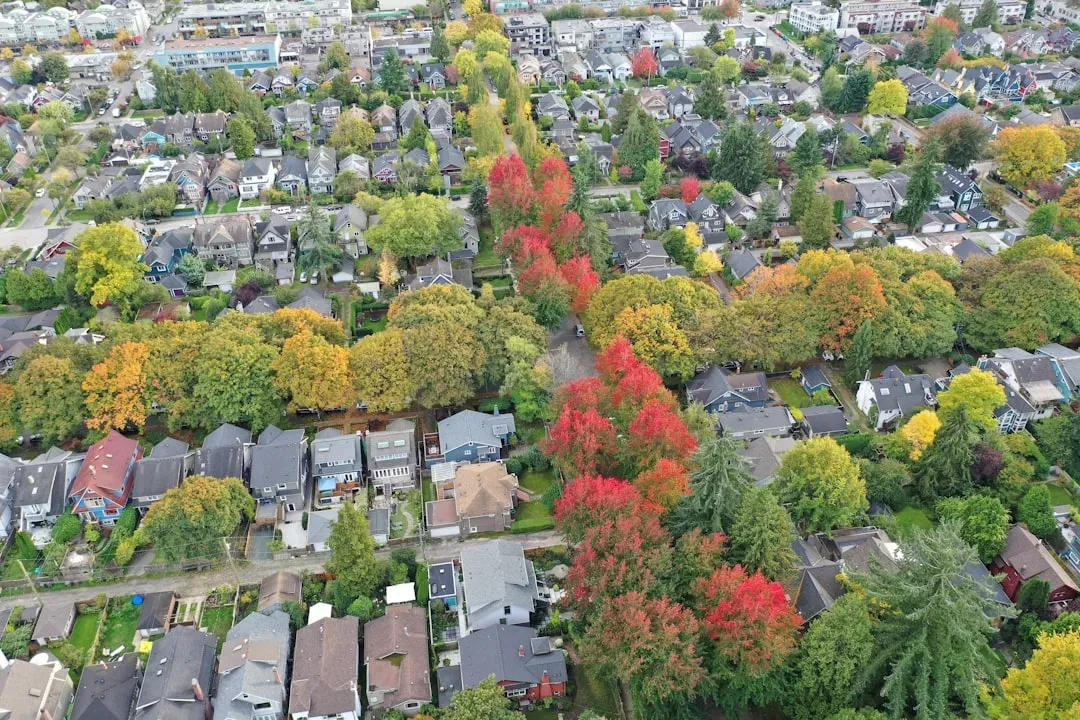
In many neighborhoods, the builder simply planted a set number of the same tree in each and every front and back yard, and homeowners inherited whatever was already in the ground. You didn’t get a vote. You got a sapling.
Urban trees must endure harsh conditions like pollution, limited space, and compacted soil, so cities and developers often choose resilient species that can thrive in challenging environments. These trees are typically low-maintenance, drought-resistant, and capable of providing plenty of shade. That checklist is short, and the same names keep topping it.
The Nursery Industry Keeps Options Narrow
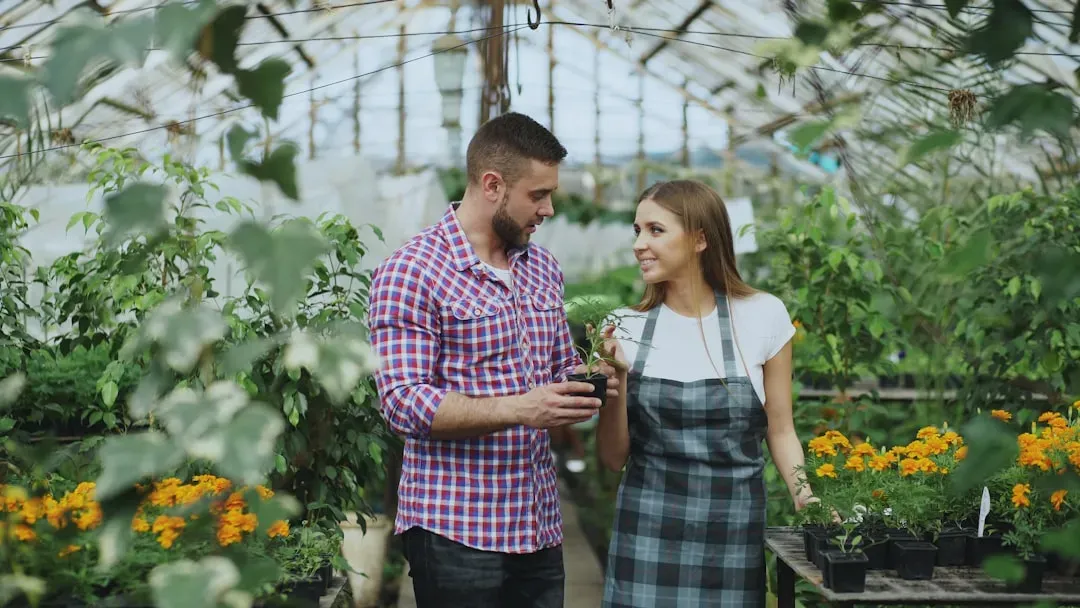
The nursery and landscape industry is made up of thousands of small family businesses, but according to the USDA, the top production is concentrated in just five states: California, Florida, Oregon, Michigan, and Texas. When trees come from a small pool of major producers, the catalog of what actually reaches garden centers stays predictably thin.
Roughly four out of every five new single-family homes sold in recent years were part of Homeowners Associations, and homeowners were often limited in what they could plant based on HOA rules. That kind of top-down control doesn’t exactly inspire botanical experimentation. Think of it like a restaurant where the menu never changes because the supplier only ships three dishes.
Bradford Pears: The Tree Everyone Planted and Now Regrets
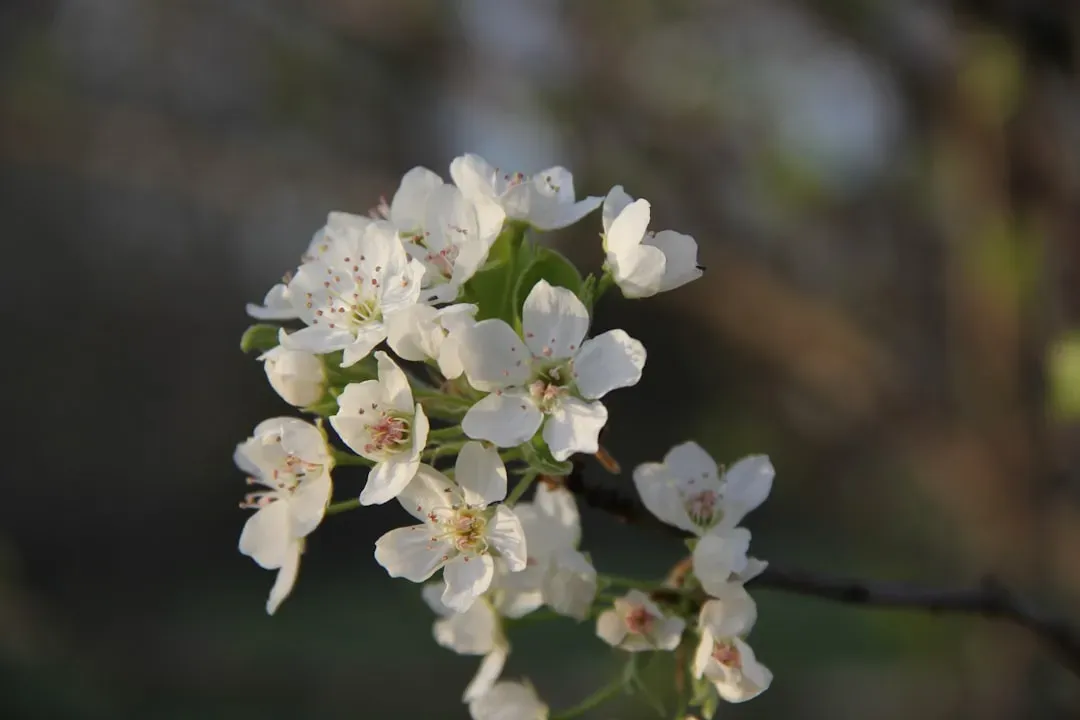
Bradford Pear trees were massively over-planted, which makes them susceptible to disease, and they are considered an invasive species that is harmful to the environment. Yet for decades, they were the go-to suburban ornamental. Pretty in spring, problematic always.
By far the worst problem associated with Bradford pear trees is the weak wood. Because of their fast growth and tight branching pattern, they split very frequently in high winds. Because of cross-pollination, pear trees have proliferated exponentially, and their wild offspring have reverted to ancient thorny forms that choke out native pines, dogwoods, maples, redbuds, and oaks. So the “same tree” in your neighbor’s yard is now literally reproducing across the wider landscape.
Red Maples: The Crowd Pleaser That Took Over
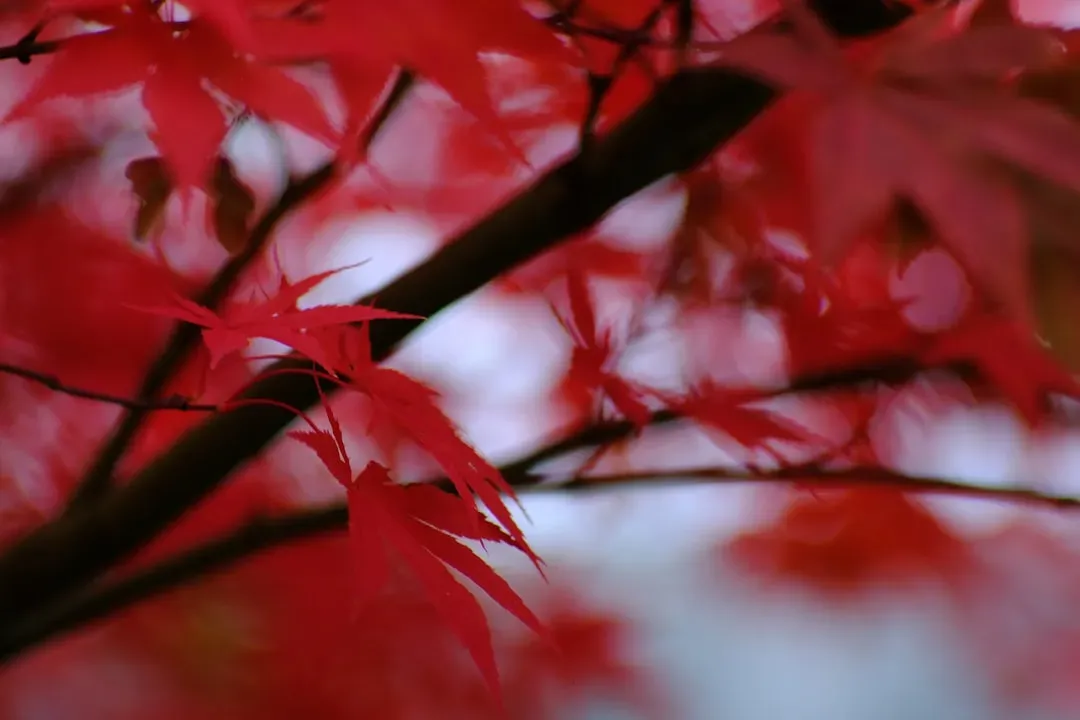
Maple trees are among the most common and recognizable trees across American suburbs, with around 128 different species found across the globe. Most species have large lobed leaves that turn brilliant combinations of red, orange, and yellow in fall. That fall color spectacle is basically catnip for anyone who wants a yard that looks impressive for three weeks in October.
Red Maple varieties like Northwood are a great option for those looking for low-maintenance trees, featuring brilliant red leaves in the fall and showy red flowers in early spring. Homeowners love them. Landscapers default to them. Nurseries sell them by the thousands. The cycle repeats.
Crape Myrtles: The Southern Export Gone National
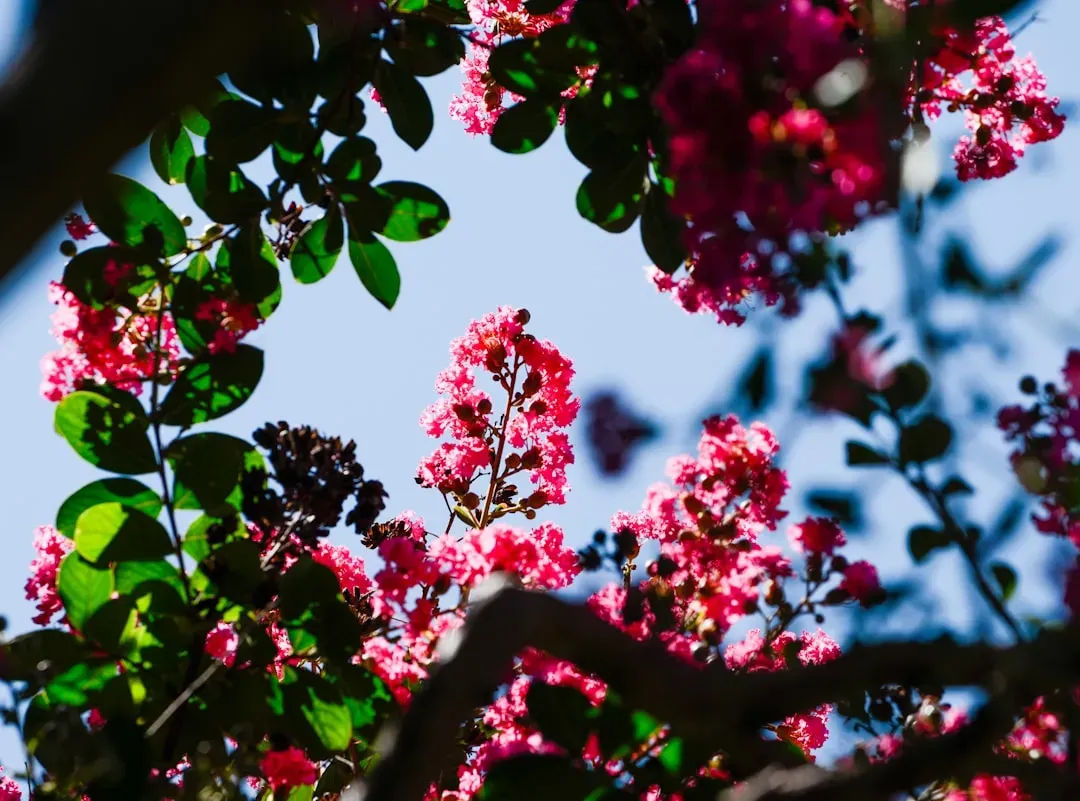
Crape myrtles have become a dominant feature in Southern yards, and with good reason. They offer distinctively showy blooms, exfoliating bark revealing colorful trunks, and superb fall foliage ranging from delicate yellows to intense reds. It’s genuinely a good-looking tree. The problem is that it became a reflex, not a choice.
Partner offer
Crape myrtles are trees that can grow between 20 and 40 feet in height and have been lovingly called the Lilac of the South for their very long bloom time in the summer. Somehow, they escaped the South entirely and now appear in valley neighborhoods far from their original climate range. I think that says a lot about how trends spread through the landscaping world.
Biotic Homogenization Is a Real Scientific Problem
Here’s the thing: this isn’t just an aesthetic quirk. It has a formal scientific name. Research published in Nature Cities found that urbanization often leaves cities with fewer iconic species of trees, and that urban trees have homogenized over large geographic differences while diversifying only locally over short distances. The whole country is slowly trending toward the same short list of species.
Nonnative species were a major contributing factor to these patterns, with the sharing of the same nonnative species contributing to homogenization at broad geographic distances. In other words, that imported ornamental tree your neighbor planted may be participating in a nationwide ecological flattening. It’s hard to say for sure how bad it will get, but the science is not reassuring.
The Ecological Cost Nobody Talks About
One of the most important trends now pushing back against this is the rise of native tree planting. Native trees thrive in local conditions, are easier to care for, and help support local wildlife including birds and pollinators. Studies show that neighborhoods with native plants can support roughly half again as much local wildlife compared to those with non-native species.
Trees are significant air and ground coolants and provide insulation from frigid winds. They also sequester significant amounts of carbon dioxide and filter particulates by trapping them on leaves and bark. When the same handful of species dominate every yard, a single pest or disease can sweep through an entire neighborhood in one season. Monoculture on a landscape scale is always a gamble.
Tree Inequality Adds Another Dimension
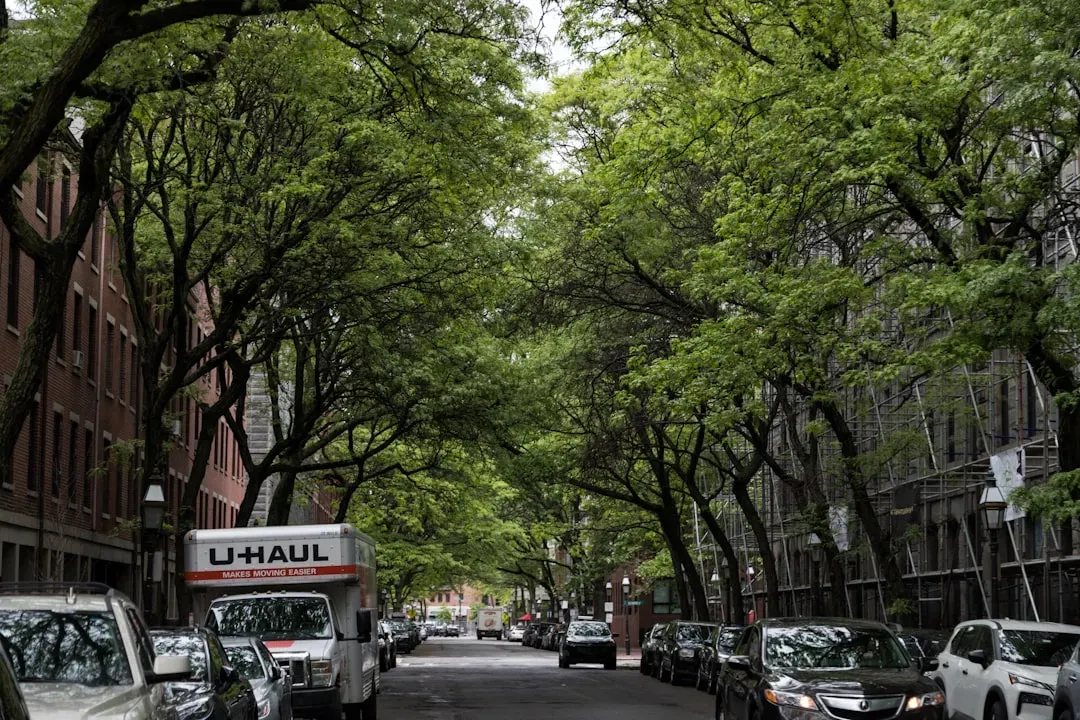
Let’s be real. It’s not just about which trees get planted. It’s also about who gets trees at all. In roughly nine out of ten American cities, low-income neighborhoods have less tree cover than high-income neighborhoods. On average, wealthier areas have about 15 percent more tree cover and are noticeably cooler.
Across the country, low-income neighborhoods collectively have roughly 62 million fewer trees than comparable high-income neighborhoods. On average, tree cover is about 15 percent less for low-income blocks, resulting in measurably higher temperatures. Studies show that tree-lined streets can lower urban temperatures by up to 9 degrees Fahrenheit and even help boost property values. The same three trees planted in wealthier valleys represent a privilege that many communities simply don’t have access to.
Native Trees Are Making a Quiet Comeback
One of the most important shifts in suburban landscaping right now is the rise of native tree planting. Native trees thrive in local conditions, making them easier to care for and more resilient against local pests and disease. Legislation in places like California and Texas is now opening doors to allow people to plant a wider variety of plants without HOA penalties, driven by drought conditions and the need for climate-appropriate landscaping.
According to the Environmental Protection Agency, a large urban tree provides 10 to 20 times as much ecological benefit as a large forest tree. That fact alone should flip the whole conversation. The right native tree in the right backyard isn’t just decoration. It’s infrastructure. The movement toward variety is slow, but it’s real and it’s growing.
Conclusion: Your Backyard Can Break the Mold
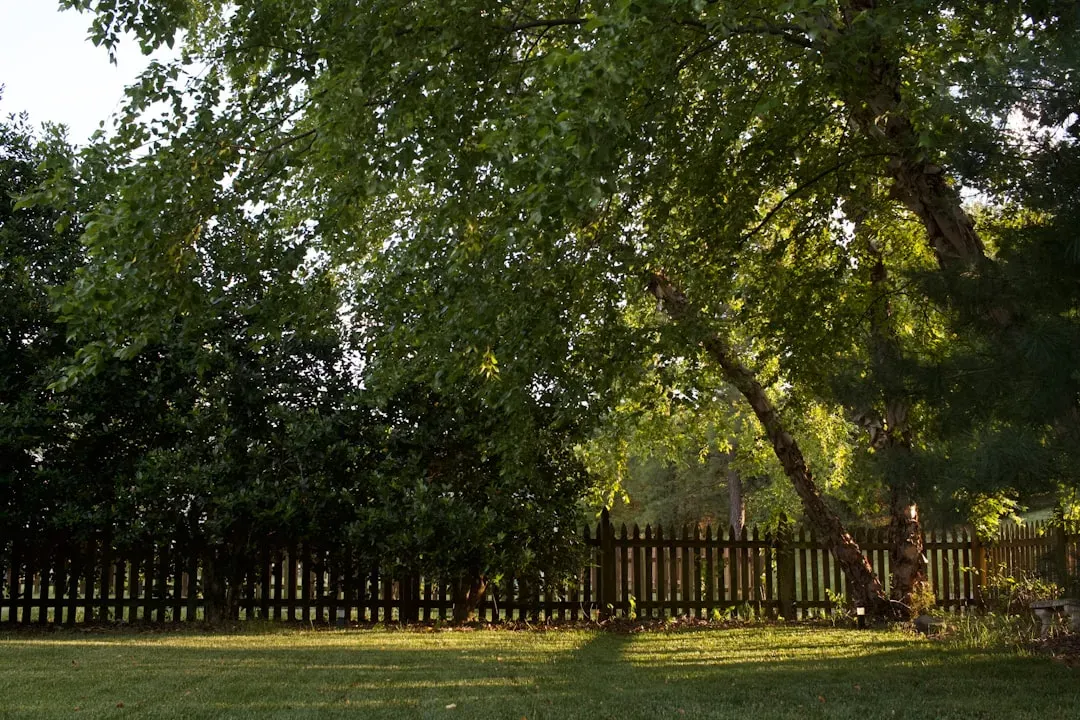
The three identical trees in every valley backyard didn’t appear by magic. They arrived through a chain of decisions made by developers, nurseries, HOAs, and landscaping trends, each one reinforcing the last. The result is a suburban landscape that’s visually uniform and, more importantly, ecologically fragile.
The good news is that awareness is shifting. Through education about what’s involved in having a healthy landscape and how it mitigates climate change, homeowners, builders, and architects are beginning to think more seriously about the ecological impact of their planting choices. You don’t have to follow the script.
Next time you’re standing in a garden center holding a tag for yet another red maple, ask yourself whether you’re making a real choice or just following a pattern someone else set decades ago. What would you have planted if nobody told you what to plant?
Partner offer
Planning a trip to Vegas?
Compare hotel rates and show tickets on VEGAS.com.