Something curious is happening in the desert outside Las Vegas. People are streaming into Henderson, Nevada, by the thousands. It’s not making headlines like the tech exodus to Austin or the Florida migration, but the numbers don’t lie. This city of roughly 350,000 has quietly become one of America’s fastest-growing urban centers in 2026.
Yet there’s another side to this story. While newcomers are pouring in, some long-time residents are packing up and heading out, frustrated by what rapid growth has brought. Let’s look at why Henderson has become such a magnet and why, despite all that appeal, certain people are choosing to leave.
The Tax Advantage That Actually Matters


Here’s the thing about Nevada: there’s no state income tax. That’s not some obscure loophole or promotional gimmick. It’s real money that stays in your pocket every single paycheck. For someone earning a decent salary in California or Oregon, the savings can amount to thousands of dollars annually. People relocating from high-tax states often describe the difference as genuinely life-changing, especially for families or retirees living on fixed incomes.
Henderson benefits enormously from this Nevada advantage. The median household income sits around $88,654, which means residents are keeping substantially more of their earnings compared to neighboring states. The financial appeal extends beyond just income tax, too. Property taxes tend to be more reasonable, and the overall tax burden creates breathing room that many households haven’t experienced elsewhere.
The Lifestyle Draw: Sunshine, Trails, and Safety


Henderson offers something that draws people from rainy Seattle and foggy San Francisco: relentless sunshine and outdoor access. The city boasts over 220 miles of trails and dozens of parks woven throughout its neighborhoods. If you’re into hiking, biking, or just getting outside without planning a weekend expedition, Henderson delivers that almost effortlessly.
Safety matters too. Henderson consistently ranks as one of the safest cities in the nation. Families moving here often cite school quality and low crime rates as major factors. The community feel is real. Neighborhoods like Green Valley and Anthem have cultivated reputations as family-friendly enclaves where kids can ride bikes and parents don’t constantly worry. It’s a slower pace than nearby Las Vegas, yet you’re still close enough to enjoy all the entertainment and dining options when you want them.
Job Opportunities and Corporate Relocations


Henderson’s population has increased by roughly 10% since 2020, driven partly by the broader economic expansion across the Las Vegas metro area. Companies in tech, logistics, and hospitality are relocating operations to Nevada, attracted by the business-friendly environment and lower operating costs. Henderson often becomes the landing spot for employees who want suburban living over the chaos of the Strip.
Remote work has amplified this trend. If your job is fully remote, why not move somewhere with lower costs, better weather, and no state income tax? Henderson checks those boxes. The city’s infrastructure has been expanding to accommodate corporate transfers, and as more businesses set up regional offices, job seekers find solid opportunities without needing to commute into Las Vegas proper. It’s a practical choice that makes a lot of sense for young professionals and established workers alike.
Housing Costs Are Climbing Fast

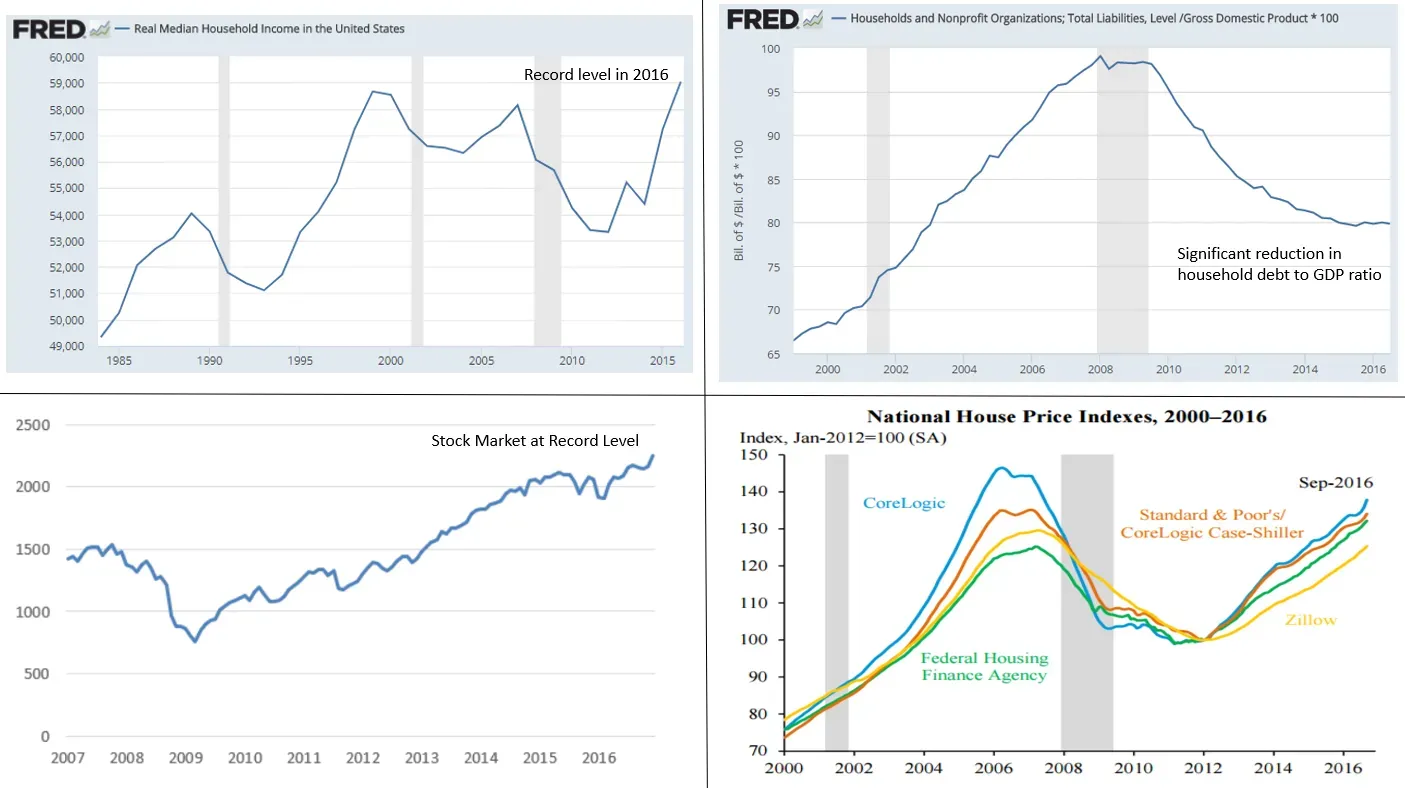
Let’s be real: housing in Henderson isn’t cheap anymore. The median property value hit $465,000 in 2023, and prices have continued to rise into 2026. For people who bought homes years ago, that’s great equity. For newcomers or renters trying to buy, it’s a different story. What was once an affordable alternative to California has become increasingly expensive.
Home prices were up slightly in late 2025, continuing a pattern of steady appreciation that has priced out many first-time buyers. Renters face similar pressures, with median rents climbing past $1,600 for typical apartments. Some residents who moved here for affordability now find themselves squeezed by the same market forces they tried to escape. When housing eats up too much of your income, even the tax savings start to feel less significant.
Rapid Development Is Straining Infrastructure

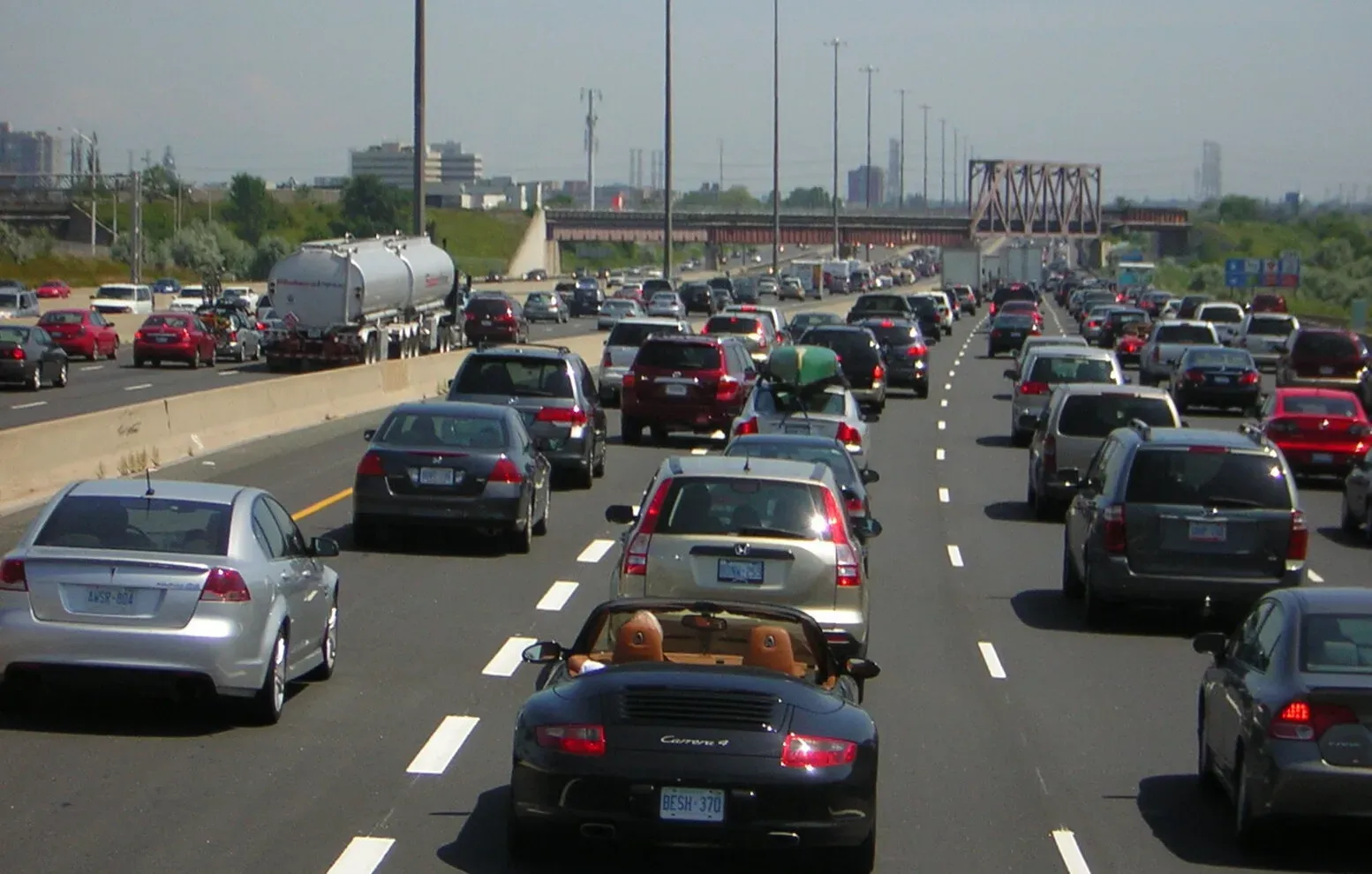
Residents have expressed concerns about approving development too fast for infrastructure to handle, and it’s not hard to see why. Roads are more congested. Schools are more crowded. Construction seems constant. The very growth that makes Henderson attractive is also creating frustrations for people who moved here seeking a quieter, more manageable lifestyle.
Traffic during rush hour has worsened noticeably. Water concerns occasionally surface, given the desert environment and ongoing drought conditions in the Southwest. Some long-time residents feel the city council prioritizes developers over quality of life, approving projects without adequately addressing the strain on public services. It’s hard to say for sure, but when you’re sitting in traffic that didn’t exist three years ago, it’s easy to feel disillusioned.
The Cost of Living Isn’t What It Used to Be

Housing is just one piece of the puzzle. Overall cost of living in Henderson has crept upward as the population has surged. Groceries, dining out, utilities – these expenses add up. While Nevada’s lack of income tax helps, it doesn’t fully offset the rising costs that come with a booming city.
Las Vegas and Henderson saw more than 30,000 evictions in 2023, a stark indicator of housing instability affecting the broader region. For lower-income households, Henderson can feel unaffordable. Some residents who initially relocated for better opportunities find themselves struggling to keep up with rent increases or mortgage payments. When the financial pressure becomes too much, leaving becomes the rational choice, even if it means giving up on the Nevada dream.
Conclusion

Henderson remains one of the most compelling relocation destinations in America. The tax benefits, outdoor lifestyle, safety, and job market continue to draw thousands of new residents every year. Projections suggest the population could exceed 361,000 by 2025, reflecting the city’s enduring appeal.
Still, growth comes with trade-offs. Rising housing costs, infrastructure strain, and an increasingly expensive lifestyle are pushing some residents to reconsider. For those who can afford it and don’t mind the growing pains, Henderson offers a fantastic quality of life. For others, the challenges have become too much.
What do you think? Is rapid growth worth the trade-offs, or should cities like Henderson pump the brakes? Tell us in the comments.