There’s something quietly exciting happening in the world of books right now. Not with new releases or digital formats, but with the oldest, most original versions of the books many of us already own. Across auction rooms, online marketplaces, and private collections, first editions are attracting serious money and serious attention – and the story behind why is more interesting than you might expect.
Part of this shift is cultural. Part of it is financial. As e-readers and digital platforms have come to dominate everyday reading, collectors have turned toward tangible, timeless works of literature and history – a revival that reflects not just nostalgia, but a recognition of the enduring power of physical books as both cultural artifacts and investment assets. If you have a shelf full of older books at home, it might be worth a closer look.
A Market That Is Quietly Booming


The global first edition book market reached roughly 1.82 billion dollars in 2024, and it’s expected to expand at a rate of over seven percent annually from 2025 through 2033, with projections estimating the market will reach nearly 3.41 billion dollars by the end of that period. Those are not the numbers of a niche hobby slowly fading away.
Key growth drivers include increasing demand from collectors, investors, and institutions, the rising value of rare literary works, enhanced market accessibility via digital platforms, and the influence of high-net-worth individuals viewing first editions as alternative investments. In other words, rare books have moved well beyond the dusty antiquarian shop into genuinely competitive territory.
Auction Houses Are Setting New Records

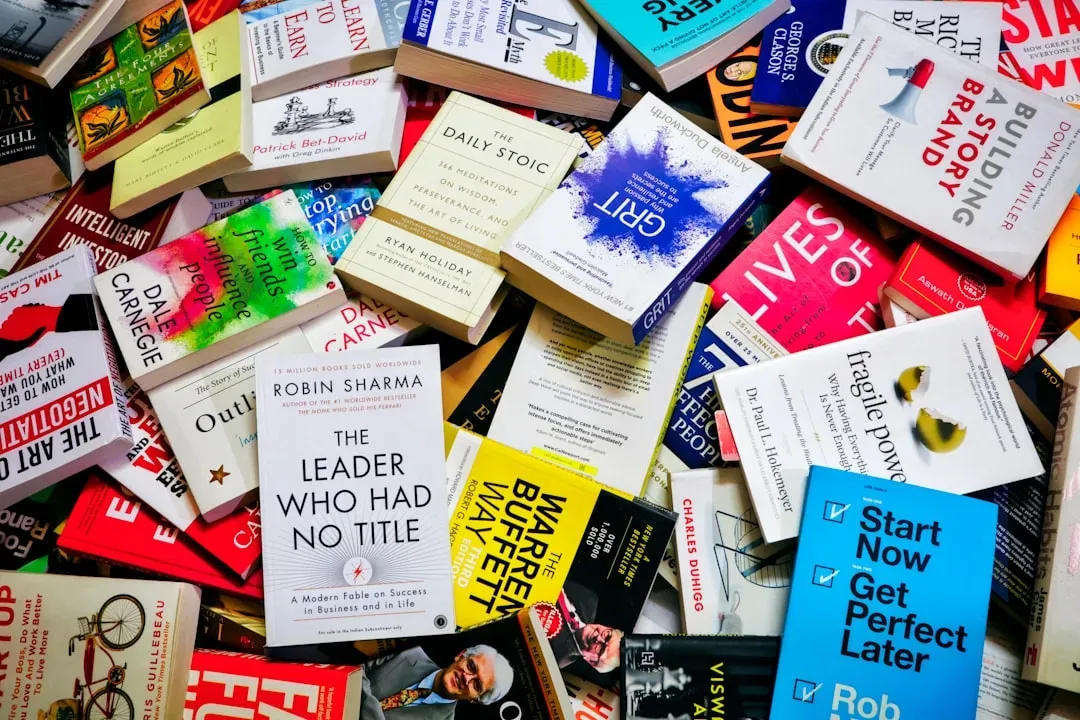
2025 was a record year for Sotheby’s Books and Manuscripts department, with sales achieving an aggregate total of nearly 82 million dollars across its locations in New York, London, and Paris – an increase of roughly a third from its previous record set in 2024. That kind of growth in a single year is difficult to ignore.
Over the past five years alone, Sotheby’s departmental sales have exceeded 400 million dollars, reflecting both the category’s strength and the trust placed in the auction house by collectors, institutions, and estates around the world. These figures signal something structural, not just a single year of lucky results.
Why First Editions Specifically Hold Such Value

A first edition is the closest you can get to a book’s “birth,” printed before anyone even knew it would matter – before it became assigned reading, adapted to film, or quoted for generations. What makes these early copies so valuable isn’t just their age; it’s a mix of scarcity, timing, and story. These are objects that existed before their own cultural weight was established.
The most expensive first edition books often combine multiple value drivers: they may be the only surviving copy of a historically significant work, created by renowned authors, or represent pivotal moments in human knowledge. Collectors and institutions compete fiercely for these treasures, driving prices to levels that reflect their irreplaceable nature and cultural importance.
The Role of Social Media in Fueling the Trend


The demographic of collectors is broadening. Younger readers and diverse collectors are entering the field, often inspired by online visibility through Instagram “shelfies,” BookTok, and curated home libraries. Collecting has become more personal, thematic, and story-driven rather than simply about owning the canonical “greats.”
Since 2020, TikTok’s reading community has exploded into a global phenomenon known as BookTok, home to more than 190 billion views of book-related content as of late 2025. Publishers are paying attention and changing their strategies. In 2024, Publishers Weekly reported that romance and fantasy genres rose by nine percent and nearly thirty-six percent respectively in the U.S. – both categories that dominate BookTok. That enthusiasm has spilled directly into the rare books market.
Fantasy and Sci-Fi First Editions Are Surging
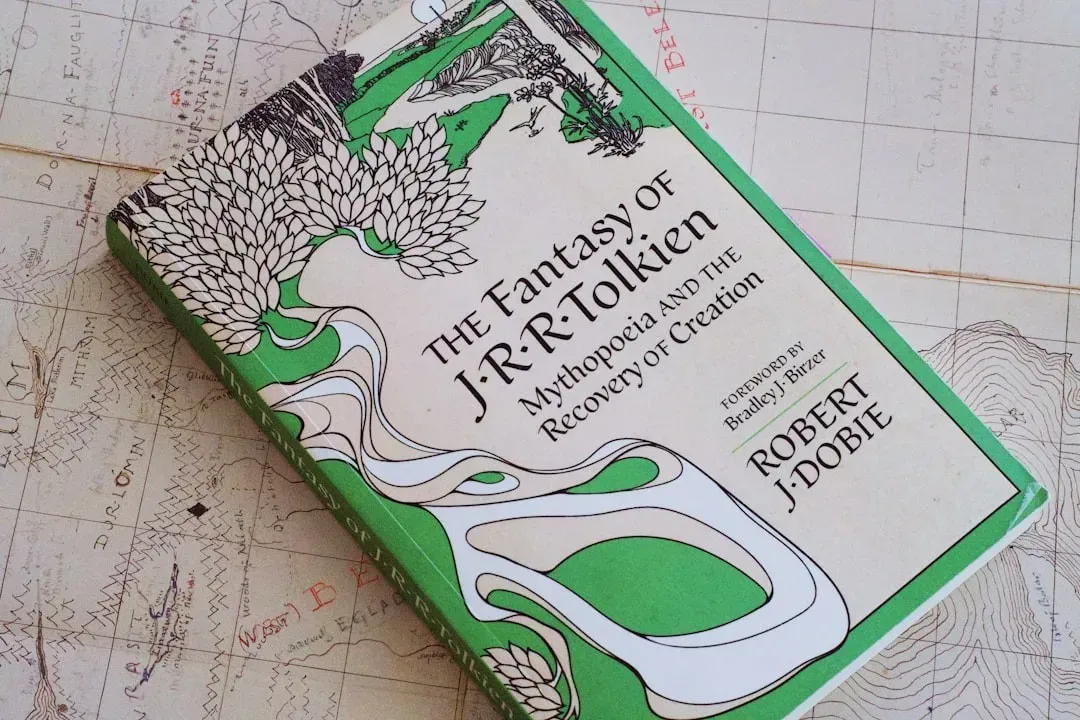
In early 2025, London-based Forum Auctions sold a fully signed, first-edition set of J.R.R. Tolkien’s Lord of the Rings trilogy for £287,700, establishing a new record for the most expensive Tolkien books ever sold. The result surprised even seasoned observers.
Shortly after, Heritage Auctions sold another first-edition set of the trilogy, this time unsigned, for $250,000 – a result that dominated the entire 610-lot Rare Books Signature sale and set a new record for the most expensive unsigned Tolkien books ever sold at auction, outdoing a previous champion that had sold for $103,125 in 2021. Compared with the signed books from earlier that year, the latest sale reveals the true value of Tolkien’s story alone, as well as rising collector tastes for fantasy and science fiction.
Harry Potter: The Modern First Edition That Could Be Sitting on Your Shelf

J.K. Rowling’s Harry Potter and the Philosopher’s Stone holds particular significance for collectors, as it marks the beginning of the series and was initially printed in very limited quantities. Bloomsbury, uncertain of the book’s future success, published the first UK edition in 1997 with just 500 hardback copies and 5,150 paperbacks. The scarcity of the hardcover edition is further amplified by the fact that many copies were sent to public libraries, leaving only about 200 in potentially fine condition.
J.K. Rowling’s Harry Potter and the Philosopher’s Stone, originally sold for £10.99, now commands upwards of £45,000. First edition Harry Potter books continue to perform strongly at auction, with exceptional copies of Philosopher’s Stone reaching six-figure sums. Knowing what to look for matters enormously here, since millions of copies were printed after those first few thousand.
How to Identify a Harry Potter First Edition


Inside your copy, verify that “Bloomsbury” appears at the bottom of the title page as the publisher and that “1997” is the only date listed on the copyright page. The print line on the copyright page should read “10 9 8 7 6 5 4 3 2 1,” indicating a first printing. If any number is missing from that sequence, you’re holding a later impression.
Early editions contain a few notable errors that were corrected in later printings. On page 53, for instance, “1 wand” is mistakenly repeated in Harry’s Hogwarts school supply list. Another telltale sign is on the back cover, where “Philosopher’s Stone” is missing an “o.” Your copy must include all of these identifying features to be considered a true Harry Potter first edition.
Classic Literature: The Blue-Chip Side of Collecting

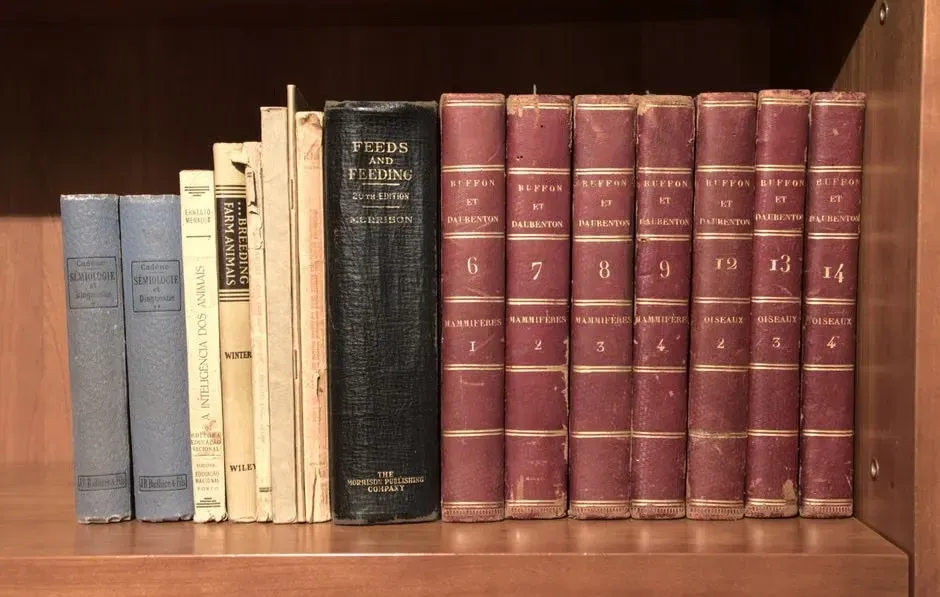
Early editions of Fitzgerald, Hemingway, Joyce, and Woolf are among the most reliable “blue-chip” investments in the rare books sector. These titles carry the kind of sustained demand that doesn’t follow trends – it simply persists. When The Great Gatsby was published in 1925, it wasn’t an immediate success, and only around 20,870 copies were printed in its first run. Over the decades, many of those copies vanished, leaving only a few intact today, especially with their original dust jackets.
The first edition copies not only feature an iconic cover, but also a typo that makes them unique. That combination of limited survival and literary significance has pushed auction value extremely high, with well-preserved first editions selling for more than $190,000 and one mint-condition copy being auctioned for $360,000. A copy in truly excellent condition with its original jacket is extraordinarily rare to encounter.
Condition and the Dust Jacket Rule

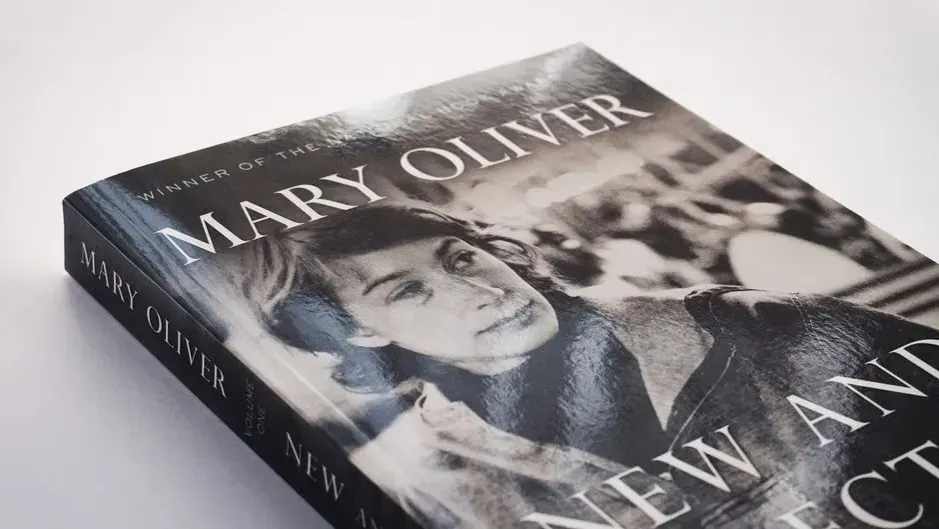
Condition is critically important in this market. A dust jacket can account for as much as eighty percent of a twentieth-century book’s value, making preservation vital. Books must be stored in controlled environments with stable temperature and humidity, and protection against light, pests, and pollutants is essential. What looks like a minor scuff or a faded spine can mean a significant difference in what a book will fetch.
The value for a first edition book without its dust jacket is often only about ten to twenty percent of the value of the same book in similar condition with the dust jacket intact. Even worn or damaged dust jackets add significant value. This is one of the more surprising facts for new collectors, and it changes how you should think about storing books you suspect might be valuable.
Rare Books as an Alternative Investment

The global rare book market is receiving sustained structural support from the broader “passion investment” universe – a category encompassing fine art, vintage wine, and luxury watches. As of 2025, rare books have outperformed global equities on an annualized ten-year basis by approximately 1.8 percentage points according to the Knight Frank Luxury Investment Index. That performance has drawn the attention of family offices and wealth managers who previously ignored the category entirely.
The market’s appeal is amplified by its relative illiquidity premium, tax-advantaged treatment in several jurisdictions, and the narrative value attached to specific titles and authors. The emergence of dedicated rare book investment funds and portfolio advisory services, notably in the UK and US, is further professionalizing the market and expanding the investable universe. It’s no longer unusual for a financial advisor to discuss rare books alongside equities and real estate.
What to Actually Check on Your Shelves


Works by contemporary authors like Margaret Atwood and Salman Rushdie, and even collectible graphic novels such as Maus and Sandman, are creating entirely new categories of collector demand. The definition of what counts as a valuable first edition has broadened considerably in recent years. As a novella, George Orwell’s Animal Farm had roughly 4,000-odd first editions, remarkably few of which survive in pristine condition. Suitable quality copies may sell for $16,000 and up.
Focus on copies with complete provenance, unique bindings, or inscriptions. Photograph and catalog your holdings – condition, binding, edition, and story all matter. Avoid overproduced “collectors’ editions” lacking rarity or true bibliographic distinction. The things that give a first edition its value are the things that happened before anyone knew they would matter: small print runs, uncorrected typos, original jackets, and the simple fact that they exist at all.