Let me be upfront: I used to be that person who swiped my debit card at every pump without a second thought. It felt convenient, fast, and harmless. Then I started paying closer attention to the numbers behind gas station fraud, and honestly, what I found changed my behavior for good. If you live in the Valley and you’re still reaching for that debit card every time you fill up, this might be the article you didn’t know you needed. Let’s dive in.
1. Stations Where the Pumps Are Far from the Building
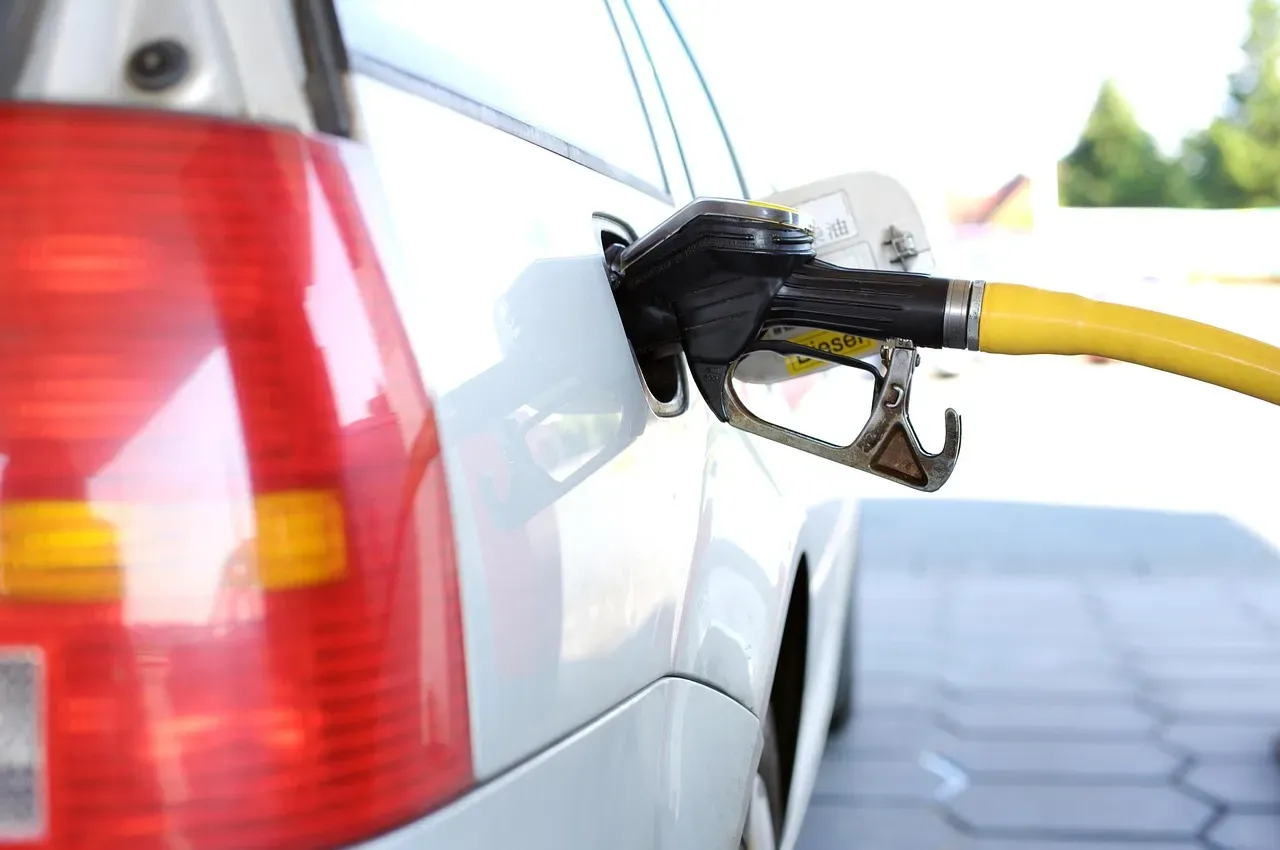
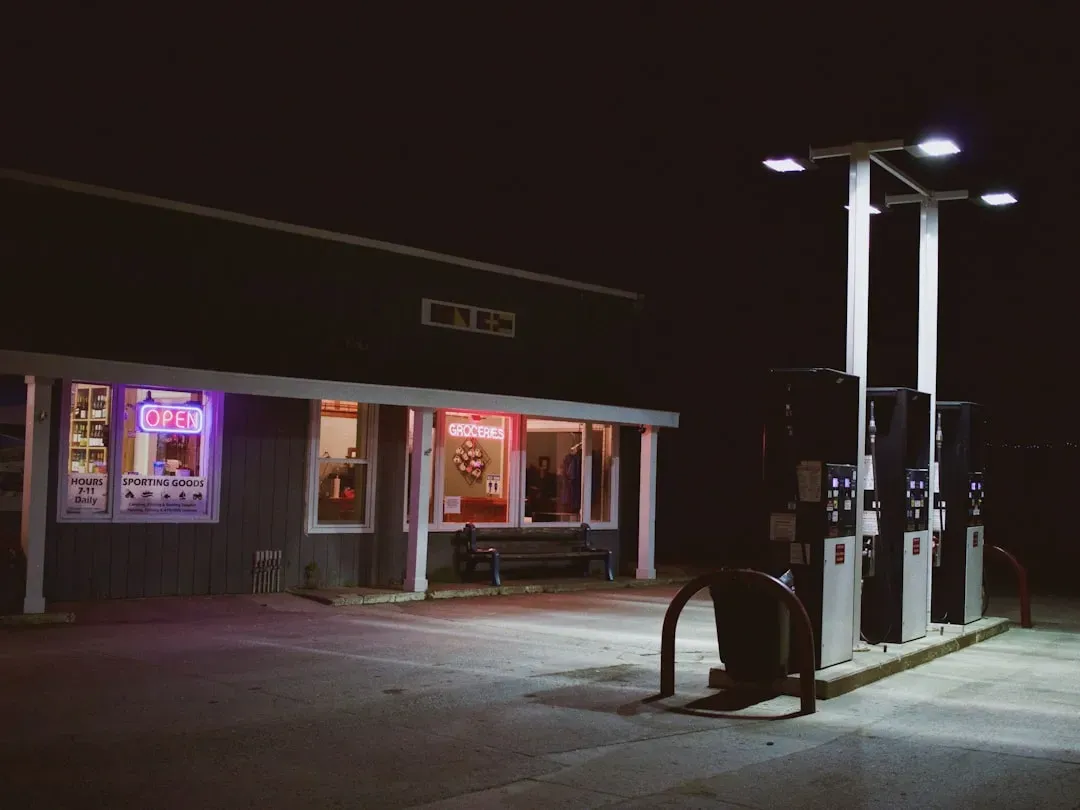
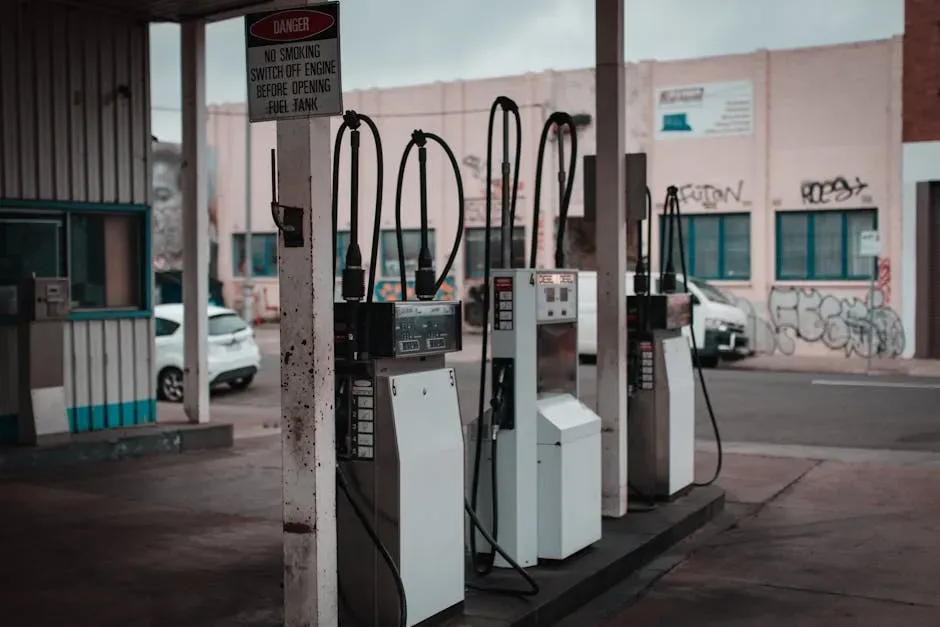
Here’s the thing: distance matters more than you’d think when it comes to card fraud at the pump. Scammers tend to target the least visible or most isolated gas pumps. The farther a pump sits from the store window, the less anyone is watching it.
The FBI directly advises consumers to choose a fuel pump that is closer to the store and in direct view of the attendant, noting that these pumps are less likely to be targets for skimmers. That’s not just general advice. That’s a federal law enforcement agency telling you exactly where criminals prefer to do their work.
If you pay at the pump, whenever possible choose the pump closest to the building. They’re the least likely to have been tampered with because they’re so close to the attendants, who could catch criminals in the act. On the other hand, pumps that aren’t in the gas station attendant’s line of sight give thieves an opportunity to attach a skimming device. So when I pull into a valley station and the nearest pump is practically in a different zip code from the cashier, I head inside without hesitation.
2. Stations with Older Pumps and No Tamper-Evident Seals
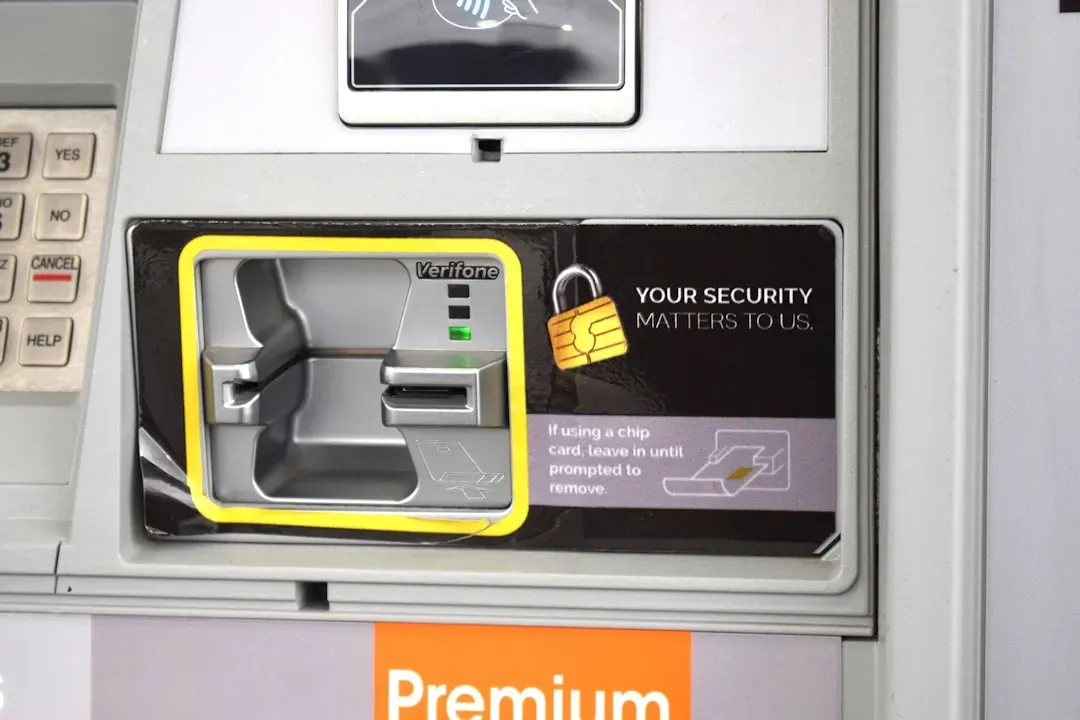
Not every gas station in the Valley has upgraded its security measures, and that gap is a real problem. Fuel pump skimmers are usually attached to the internal wiring of the machine and aren’t visible to the customer, with the skimming devices storing data to be downloaded or wirelessly transferred later. You won’t see anything wrong from the outside. That’s exactly the point.
Many gas stations place a security seal that looks like a piece of tape over the payment panel. If someone has opened the panel to install a card reader in the wiring, the tape will display “void,” according to the Federal Trade Commission. If there’s no seal at all, or if it’s already showing “void,” that pump has a story to tell, and it’s not a good one.
In order to place a skimmer inside a fuel pump, fraudsters must open the fuel dispenser door to insert the skimmer. According to the FTC, many stations place pump security seals near the credit card reader. If a criminal opens the pump panel, the label will read “void,” which tells you the machine has been tampered with. I make a habit of checking this every single time before I even reach for my wallet. Takes five seconds and could save your entire bank account.
3. Isolated Stations Along Less-Trafficked Roads in the Valley
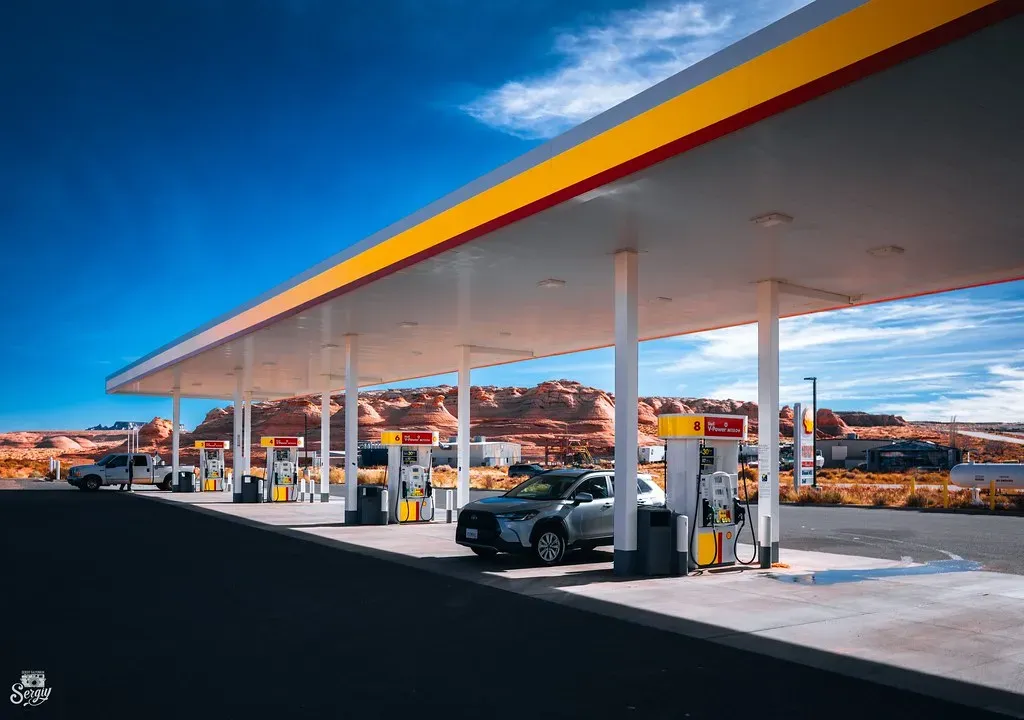
I know it sounds a little dramatic, but location really does tell you a lot about risk level. Gas pumps that accept credit cards at stations far from major highways are particularly vulnerable. Consumers most at risk for card theft are those who use nonbank ATMs and those who make purchases at out-of-the-way merchants such as remote gas stations, according to FICO’s senior director of product management.
Think about it like this: a criminal wouldn’t install a skimmer at a busy, well-lit, heavily monitored station where 200 people walk by every hour. They go to the quiet spots. Gas station pumps are an ideal location for skimming attacks. They are automated and often left unattended, resulting in the loss of a place manager and granting the perfect opportunity for offenders to embed the device.
Card skimmers used to be found primarily in cities, but the scam has spread into rural areas, so everyone should be on alert for these devices. That includes the Valley. Low-traffic does not mean low-risk. It often means the opposite.
4. The Skimming Problem Is Bigger Than Most People Realize

Let’s talk real numbers for a second, because I think people still underestimate how widespread this is. In 2023 alone, more than 315,000 cards were compromised through skimming attacks, affecting at least 3,500 financial institutions across the U.S. These types of scams now cost consumers and banks over $1 billion annually. That is not a niche problem. That is a nationwide epidemic hiding in plain sight.
The most recent data available from FICO found card compromises from skimming nearly doubled in 2023 from the year prior, and they warn the skimming scam is still on the rise. Nearly doubled. In a single year. And preliminary FICO data suggested the trend would continue into 2025.
Among Americans surveyed in 2024 who reported feeling they had been victimized by card skimming at some point, 60% reported it happened at the gas pump. Six in ten skimming victims traced it back to a fuel station. That is the single most common place this crime occurs, and it keeps happening because people keep swiping debit cards without thinking twice.
5. Why Debit Cards Are Specifically More Dangerous Than Credit Cards Here
Honestly, this is the part that matters most and the reason I made the switch. Using a debit card at the pump can be riskier than using a credit card. Since debit cards are directly linked to your bank account, stolen card information can result in immediate financial losses that are harder to recover compared to credit card fraud. With a credit card, you’re disputing a charge. With a debit card, the money is already gone.
Although both types of cards commonly offer zero liability protection for unauthorized transactions, your debit card is connected directly to your bank. If thieves get ahold of that card’s info, they might be able to withdraw money from an ATM and quickly drain your account. That is the nightmare scenario, and it happens faster than most people expect.
Because debit cards link directly to bank accounts, fraud can freeze essential funds for days or even weeks during an investigation. That disruption can strain budgets and create additional fees. Picture your rent due in three days while your checking account is locked up in a fraud investigation. That’s not hypothetical for a lot of people.
6. Criminals Now Use Bluetooth to Steal Your Data Remotely

The technology criminals use has evolved considerably, and it’s genuinely unsettling. Some devices use Bluetooth technology to transmit stolen data wirelessly, and scammers can retrieve your info from up to 100 yards away. They don’t even need to come back to the pump. They can sit in a parking lot across the street and download everything.
Some skimmers use Bluetooth devices to steal credit or debit card information, allowing the stolen data to be sent to the thief’s computer or phone. This is part of what security analysts have started calling “Skimming 2.0,” a newer generation of devices that are harder to detect and faster to exploit.
The results from the second half of 2024 compared to the first half indicate that skimming is back on the rise. The second half of the year had a roughly 30% increase in compromised debit cards compared to the first half of the year, and compromise events increased by nearly half in the second half of 2024 compared to the first half. The trend is moving in the wrong direction, and Bluetooth-enabled skimmers are a big reason why.
7. Your PIN Is Also at Risk, Not Just Your Card Number
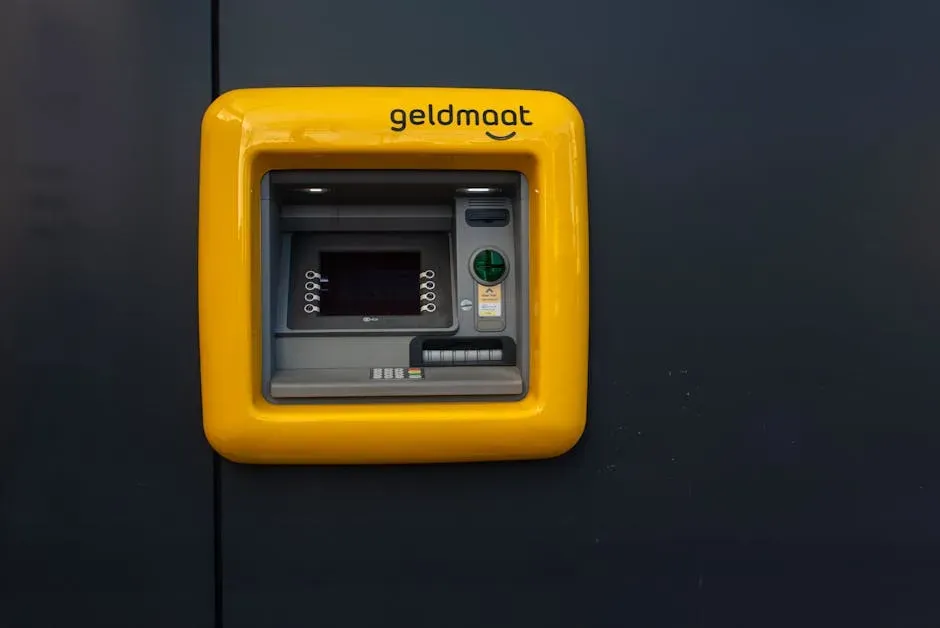
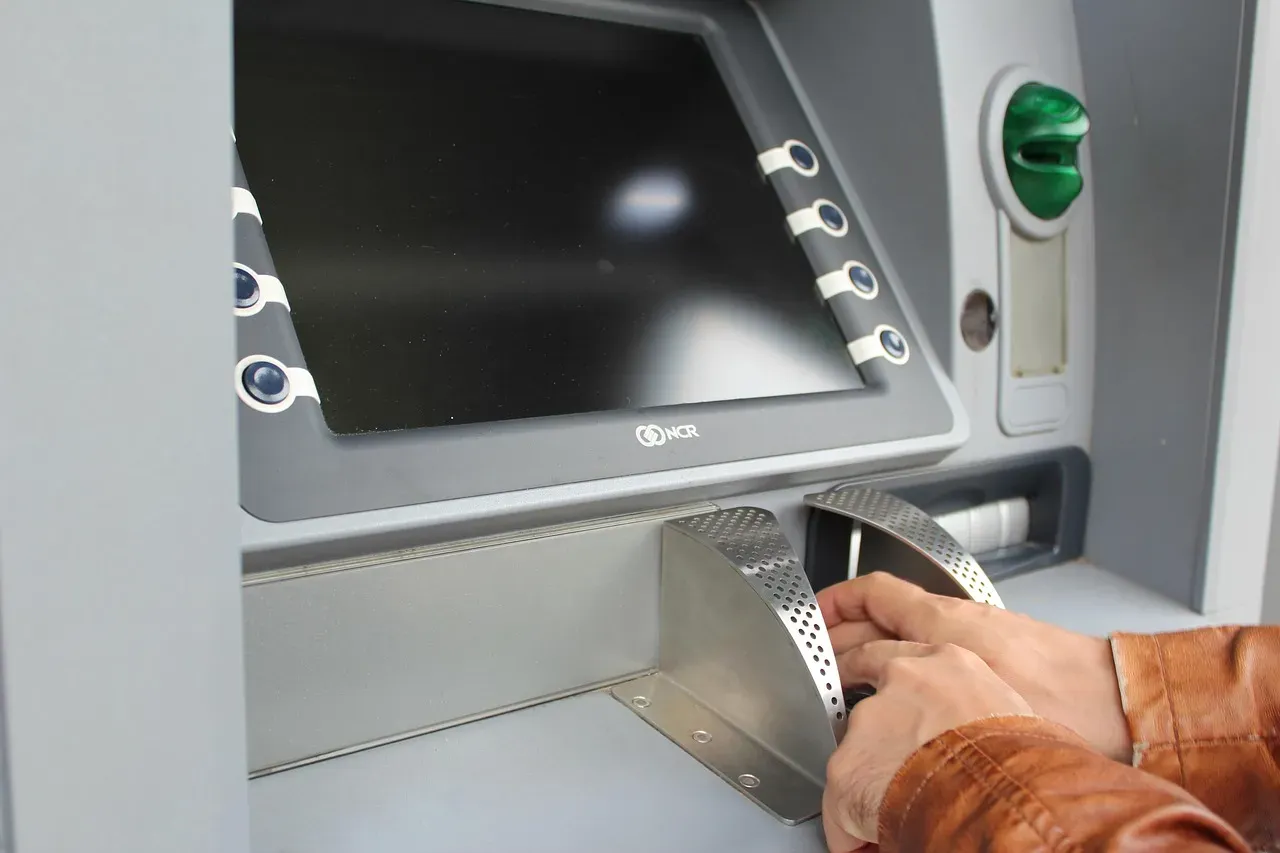
A lot of people think the worst case is someone making purchases online with a stolen card number. The actual worst case is losing your PIN too. In conjunction with card skimmers, thieves also will sometimes hide tiny pinhole cameras above the keypad to record customers entering PIN numbers. Criminals can then take stolen debit card data and drain bank account funds via ATM withdrawals.
A pump will usually ask if your card is a debit card. If you answer yes, you will be prompted to enter your PIN. If that pump has a skimmer attached, you’ll be handing your PIN over to a thief who can use it to cause large losses in your account. When paying at the pump, always select “CREDIT.” The pump will ask for your zip code instead, which is much less useful to a thief. That single habit change costs you nothing and protects a lot.
Some skimmers even have tiny cameras or keypad overlays to record your PIN as you enter it. It’s a two-part system: steal the card data, steal the PIN, and then clean out the account. The debit card is the key that opens that door.
8. What Happens After Your Debit Card Is Compromised
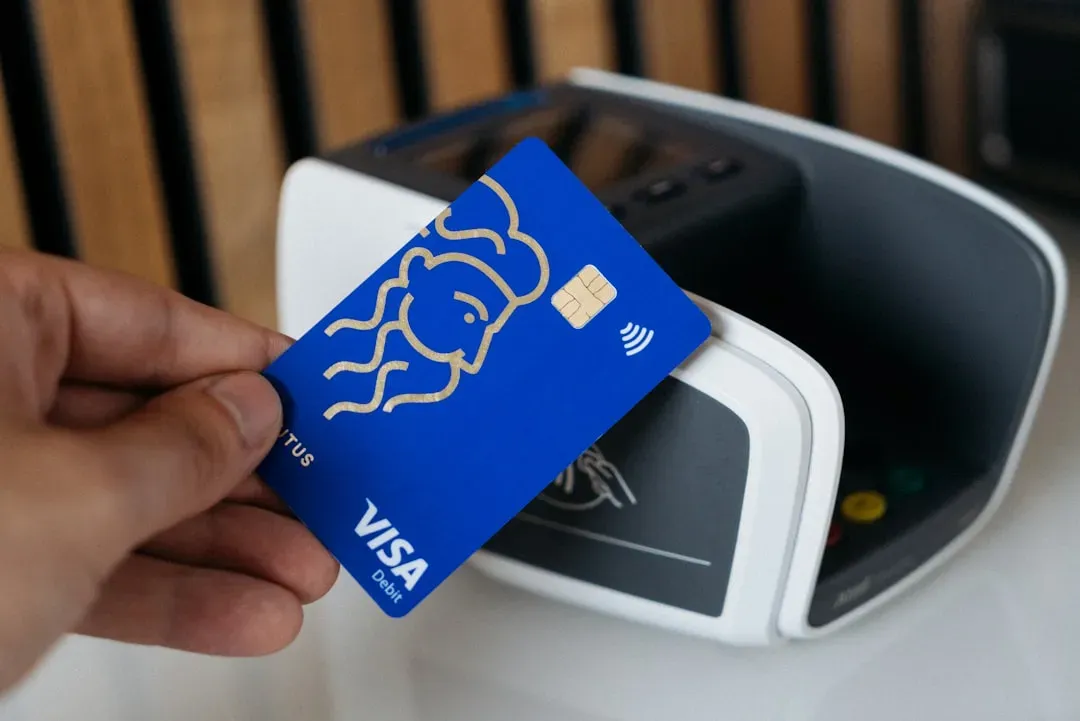
The aftermath of debit card fraud is genuinely stressful, and the timeline is longer than most people expect. Your bank must investigate within 10 business days and correct any errors within one business day of determining fraud occurred. If the investigation takes longer, the bank must generally provide provisional credit within 10 days. Ten business days is two calendar weeks. That is a long time to be short on money.
Here’s the thing that catches people off guard: even if you do eventually get reimbursed, the damage in the meantime can be real. As one financial analyst noted, if bad guys get a hold of your debit information, they can steal real money from a real account. Depending on when bills come due, that missing money can cause real problems, even if it’s only missing temporarily.
Regulation E, which implements the Electronic Fund Transfer Act, limits a consumer’s liability for unauthorized transactions at $50 if the consumer notifies their financial institution within two business days of learning of the loss or theft. A consumer must provide notice to the financial institution within 60 days of receiving a periodic statement on which an unauthorized transaction appears, or the consumer may face unlimited liability for any unauthorized transactions after that period. The clock starts ticking the moment fraud happens, whether you know about it yet or not.
9. The Valley Is Not Immune to These Fraud Hotspots
Some Valley residents still operate with the assumption that serious card fraud happens in big cities or tourist corridors, not here. That thinking is outdated. Most skimming fraud was concentrated in California, which accounted for nearly half of all cases tracked by FICO over the year. New York, New Jersey, Pennsylvania, Maryland, and Virginia were other skimming hotspots. California alone accounts for a staggering share of these crimes.
ATM skimming compromise events in Virginia, Texas, New Jersey, Florida, and Colorado rose 50% or more year over year. If you’re in a region connected to any of these states through travel corridors, your local stations are part of the same risk landscape. Organized crime rings don’t respect local borders.
Skimming devices are often installed by organized crime rings that target gas stations, especially those in high-traffic tourist areas. The criminals may return periodically to collect the stolen data from the skimmer. They can then sell this information on the dark web or use it to make fraudulent purchases. These aren’t amateur operations. They are coordinated, mobile, and increasingly sophisticated.
10. What to Do Instead: Practical Habits That Actually Work
Let’s be real: avoiding the pump entirely isn’t always practical. But there are smarter habits that genuinely reduce your exposure. If you’re really concerned about skimmers, pay inside rather than at the pump. It takes an extra two minutes. That two minutes could save you two weeks of financial headache.
Tap-to-pay options like Apple Pay, Google Pay, and Samsung Pay offer better protection through encryption. If your pump supports it, tap instead of inserting your card every time. No card contact means no skimmer can grab your data. It’s the simplest upgrade you can make without changing anything else about your routine.
Many financial advisors suggest using credit cards for everyday purchases and reserving debit cards for ATM withdrawals or controlled transactions. That strategy adds a layer of protection without eliminating convenience. I personally follow this rule now. My debit card stays in my wallet at every gas pump in the Valley. The risk simply isn’t worth the ten seconds of convenience it saves.
Conclusion
This isn’t about fear. It’s about being informed. The data from FICO, the FBI, and the FTC all point in the same direction: gas station pumps, particularly isolated ones with older equipment and no security seals, are among the highest-risk places in the country to use a debit card. And the problem is getting worse, not better.
Switching to a credit card, tapping when possible, choosing pumps near the attendant, and paying inside when something looks off are all small habits with outsized protective value. None of them cost you anything. All of them could spare you days of financial disruption and a genuine shock to your bank balance.
So next time you pull into a valley station, take five seconds before you reach for that debit card. Ask yourself: is this pump near the building? Is the seal intact? Does the reader look right? Those questions might feel small. What they protect is anything but. Have you ever had your card compromised at the pump? Tell us your experience in the comments.