Shared Cultural Rituals Create Collective Memory
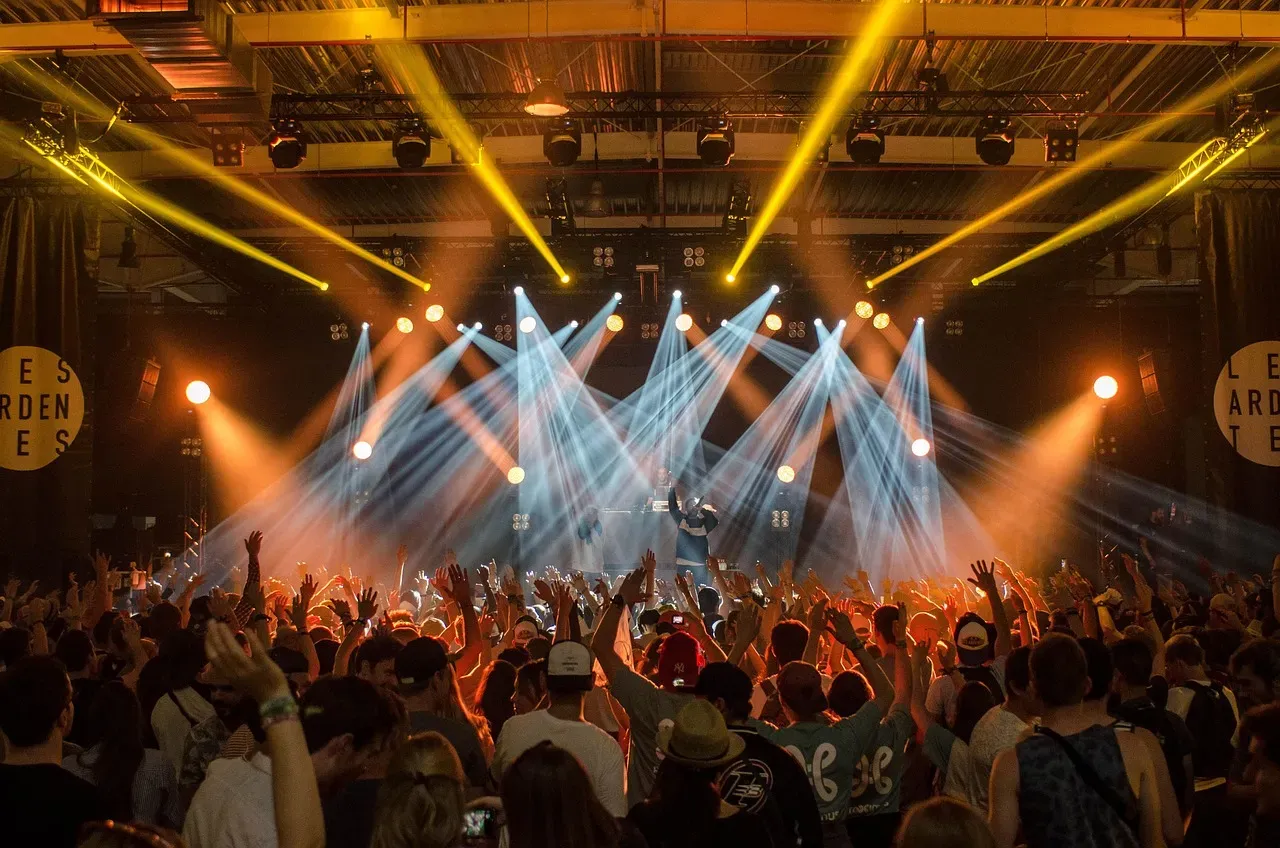
Music festivals today operate much like the traditional celebrations of the past, creating shared rituals and collective experiences that bind communities together. Research shows that music festivals are designed to create unique experiences for attendees and have a significant impact on cultural identification processes. This influence manifests in musical tastes, regional identity strengthening, and increased sense of community, with these effects intensifying when emotions felt during festivals are more powerful. The temporary space of a festival becomes a place where attendees create meaning together, something anthropological studies describe as essential to cultural gatherings.
UNESCO Recognition Confirms Music as Cultural Heritage
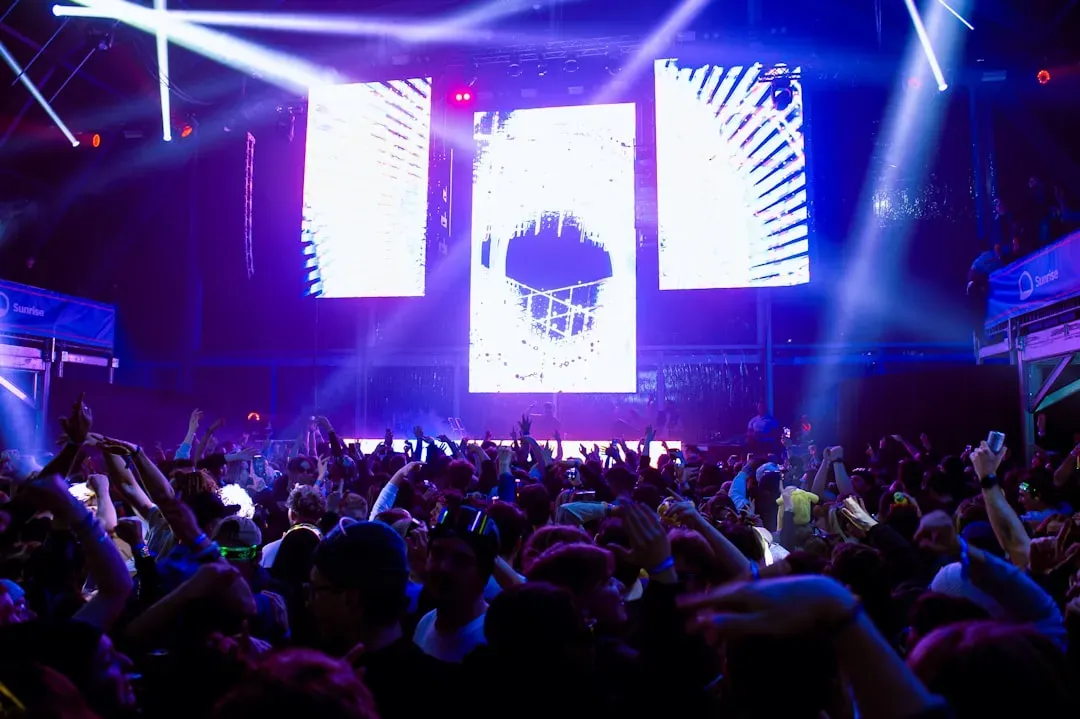
Berlin’s techno culture was added to the German national inventory of intangible cultural heritage in 2024, with the German UNESCO Commission recognizing the social and cultural significance of club culture, techno festivals and parades. Each year, UNESCO discusses and agrees on new items to add to their list of intangible cultural heritage, which can include songs, dances, rituals, dress, festivals, celebrations and more from around the globe. This formal recognition underscores the global acknowledgment that music festivals function as vital expressions of living culture, not merely entertainment events.
Local Identity Strengthened Through Regional Festivals
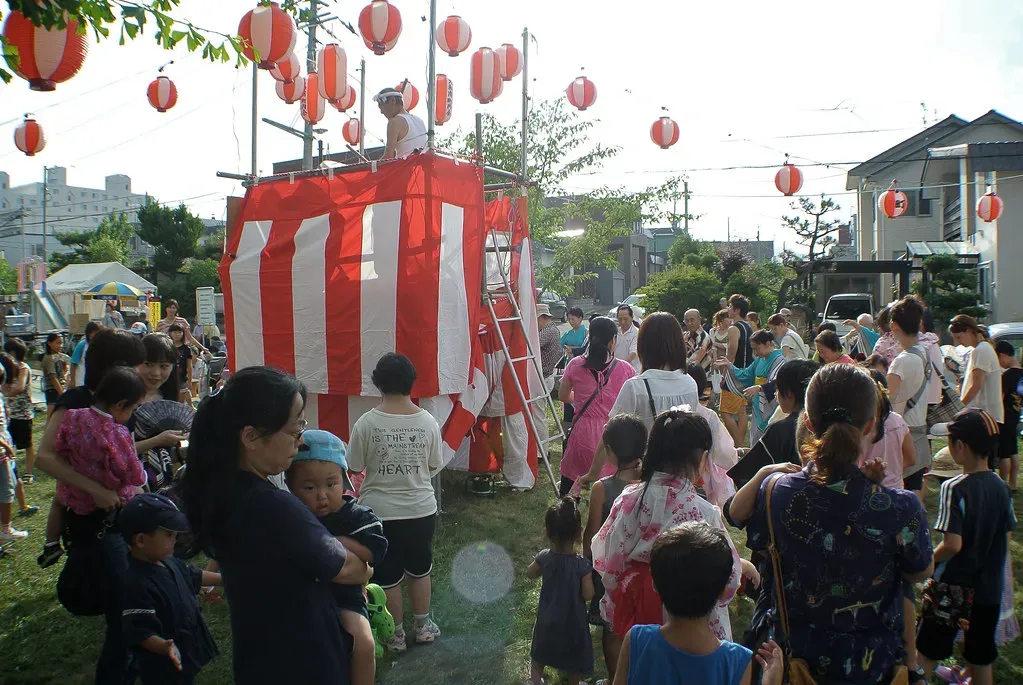
Music festivals have a significant impact on cultural identification processes, influencing regional identity and creating increased sense of community. Think about it this way: when a festival showcases local artists alongside international acts, it creates a platform where regional traditions meet global influences. Festivals and events have been used to attract new types of visitors and spread them across seasons, providing opportunities to highlight local culture and businesses. This kind of cultural exchange helps communities define and celebrate what makes their region unique while remaining open to diverse perspectives.
Cross-Cultural Exchange in Multicultural Spaces
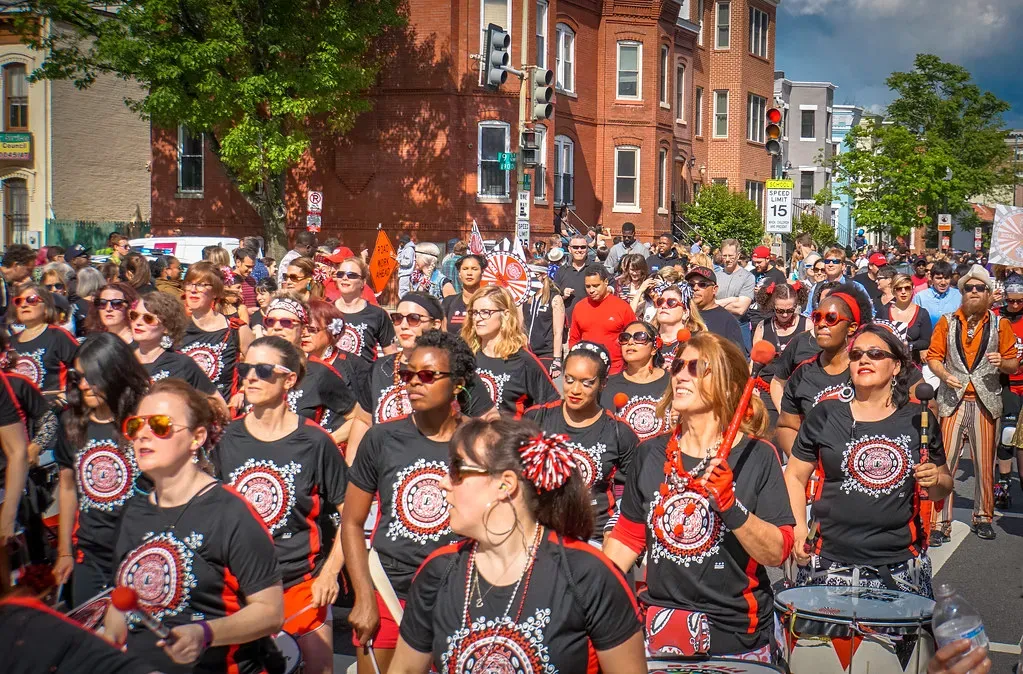
Music festivals attract people from different cultures around the world, yet once at the festival, culture barriers seem to be eliminated as everyone comes together to create a new culture where everybody is accepted for who they are. From an anthropological perspective, each festival acts as a microcosm of society, representing various identities and values through music, with the integration of different cultures promoting understanding and dialogue among attendees. The language of music becomes universal in these spaces, transcending verbal communication and allowing genuine connection across cultural divides.
Cultural Tourism Connects Visitors to Authentic Experiences
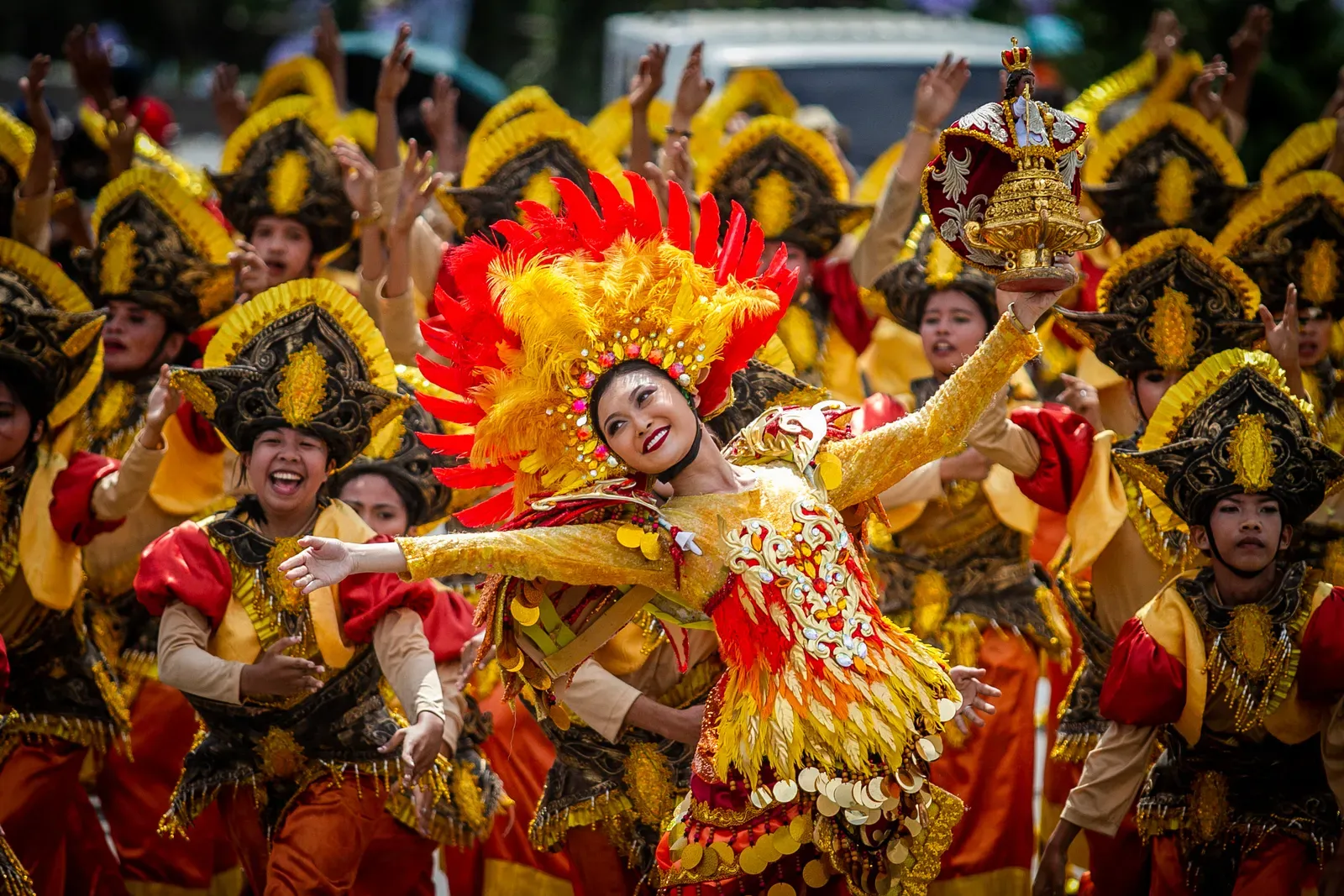
Festivals and events attract new types of visitors and provide opportunities to highlight local culture and businesses. Many tourism strategies focus on diversifying the tourism offer and attracting new source markets and segments to emerging destinations to better spread the benefits and tourist flows. When travelers attend music festivals, they’re seeking more than just performances – they want authentic local experiences that connect them to the culture of a place. This is what distinguishes festival tourism from other forms of travel: the immersive quality and the sense of participating in something meaningful rather than simply observing.
Global Digital Amplification Transforms Local Events into Cultural Moments
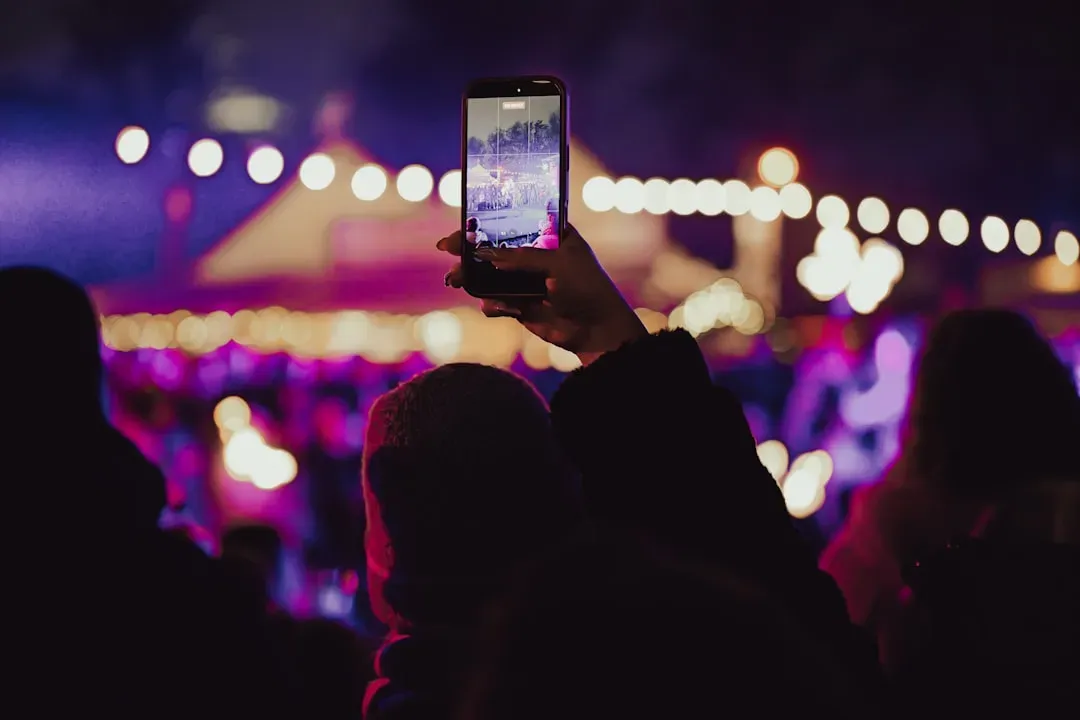
In the digital age, the cultural reach of music festivals has expanded exponentially, with social media platforms amplifying the festival experience and making fashion trends, music styles, and political statements go viral in real-time. Festival-goers’ curated aesthetics on Instagram and TikTok influence mainstream fashion brands, while performances at major festivals set the tone for the next big musical trends, showcasing the interconnectedness between live experiences and digital culture. The festival no longer exists only within its physical boundaries – it becomes a shared cultural moment accessible to millions worldwide, fundamentally changing how we experience and celebrate music.