Picture this: tens of thousands of people gathered under the desert sky, moving to the same beat, sharing experiences with complete strangers like they’ve known them for years. That’s the magic of music festivals, and honestly, calling them “just concerts” feels like calling the Grand Canyon “just a hole in the ground.” Something much deeper happens when you step through those festival gates.
Sure, you’re there for the music. But let’s be real, if it was only about hearing your favorite artists, you could stay home with a good sound system and save yourself the sunburn. Music festivals create something else entirely, a temporary world where normal rules bend and people experiment with new ways of being. They’re living laboratories where culture gets remixed in real time.
Temporary Cities That Spring Up Overnight
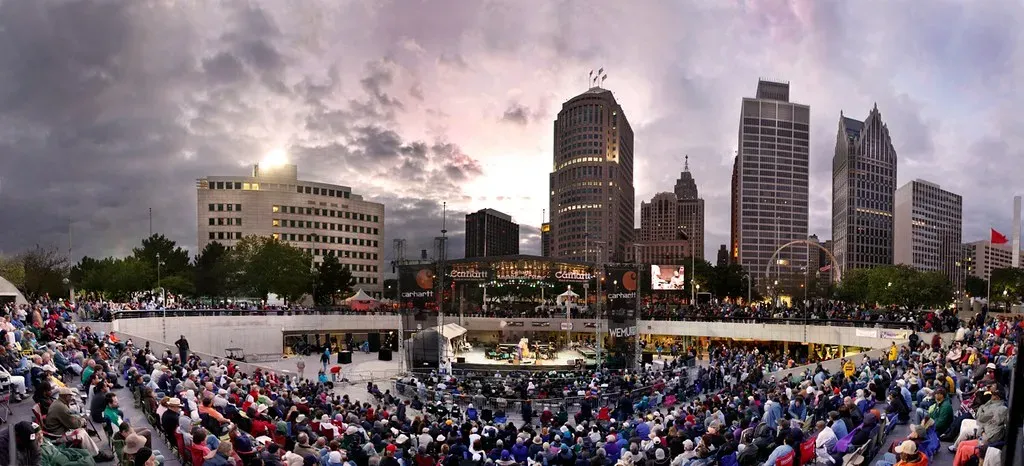
Music festivals are basically pop-up civilizations. Within hours, empty fields transform into functioning mini-cities with their own economies, social structures, and unwritten rules. You’ve got your food vendors, medical tents, charging stations, even art installations that rival museum pieces.
What fascinates me most is how quickly people adapt to this temporary society. Everyone figures out the logistics pretty fast, where to meet up, how to navigate crowds, which stages to hit when. It’s like watching a social experiment in fast-forward, complete with its own currency of wristbands and beer tokens.
These temporary spaces allow people to reinvent themselves too. That accountant from Monday morning might be wearing neon body paint and dancing like nobody’s watching. Because in this space, nobody really is watching, at least not with judgment.
Breaking Down Social Barriers in Unexpected Ways
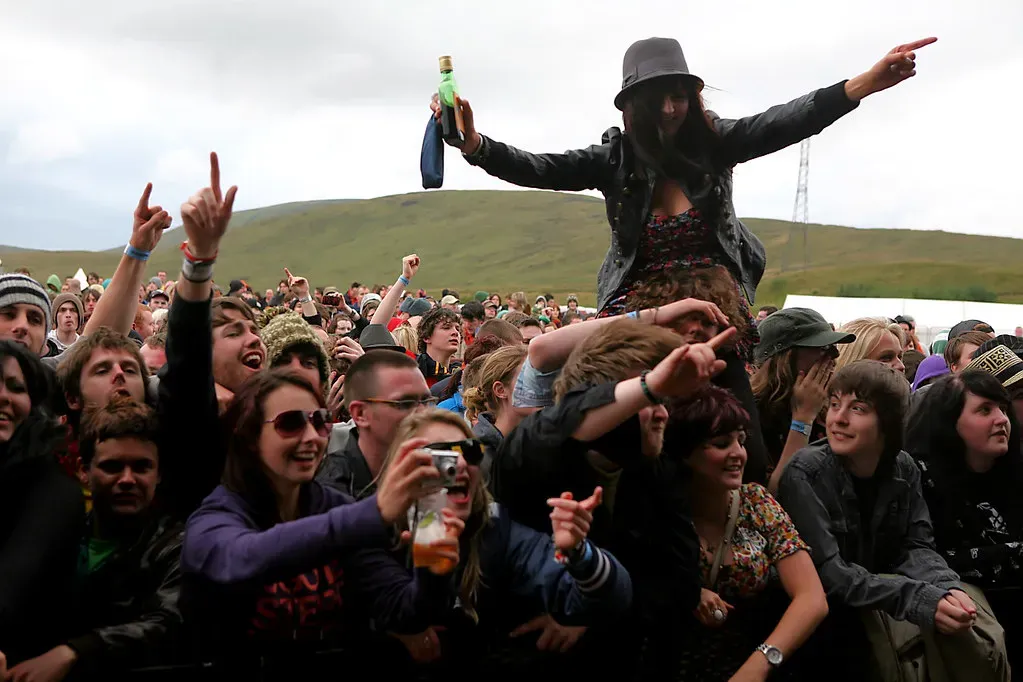
Here’s something you probably wouldn’t guess: festivals are ridiculously good at dissolving social walls. Age, background, occupation, none of that matters much when you’re all sweating through the same heat wave waiting for the headliner.
I’ve seen corporate executives sharing water with college students, grandparents vibing next to teenagers, people from completely different worlds forming genuine connections over a shared moment. The music becomes this universal language that bypasses all our usual sorting mechanisms.
It’s rare to find spaces in modern life where such diverse groups genuinely mix. We tend to cluster with people like us. Festivals disrupt that pattern, forcing interactions that simply wouldn’t happen in everyday life. That’s pretty powerful when you think about it.
Fashion as Identity Playground
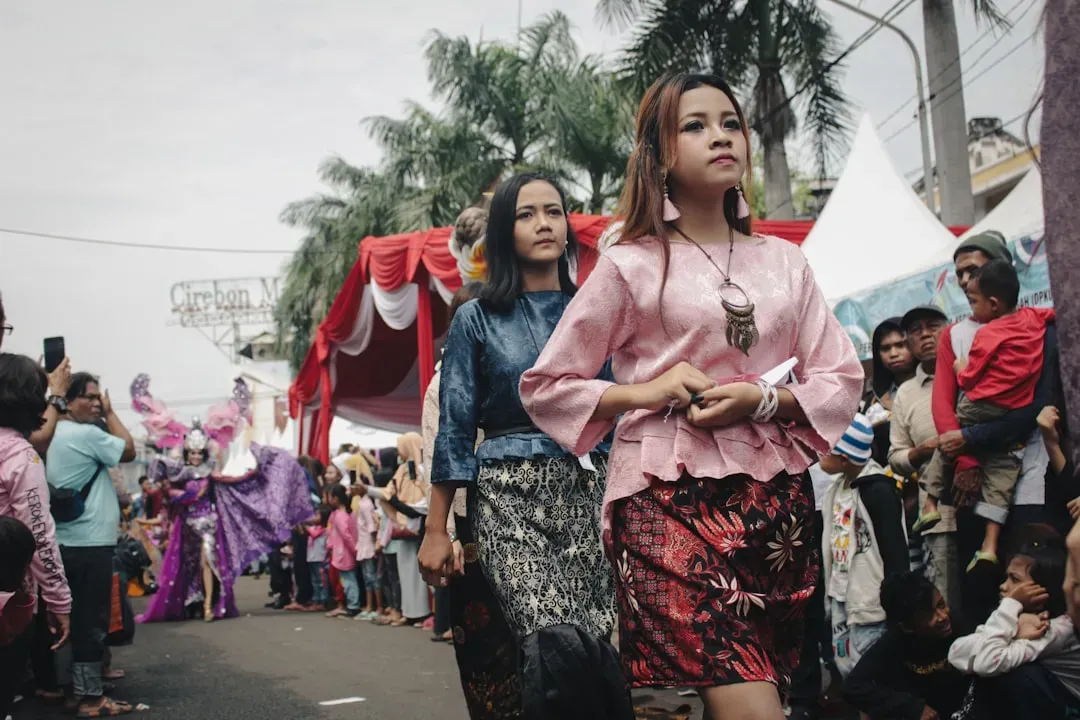
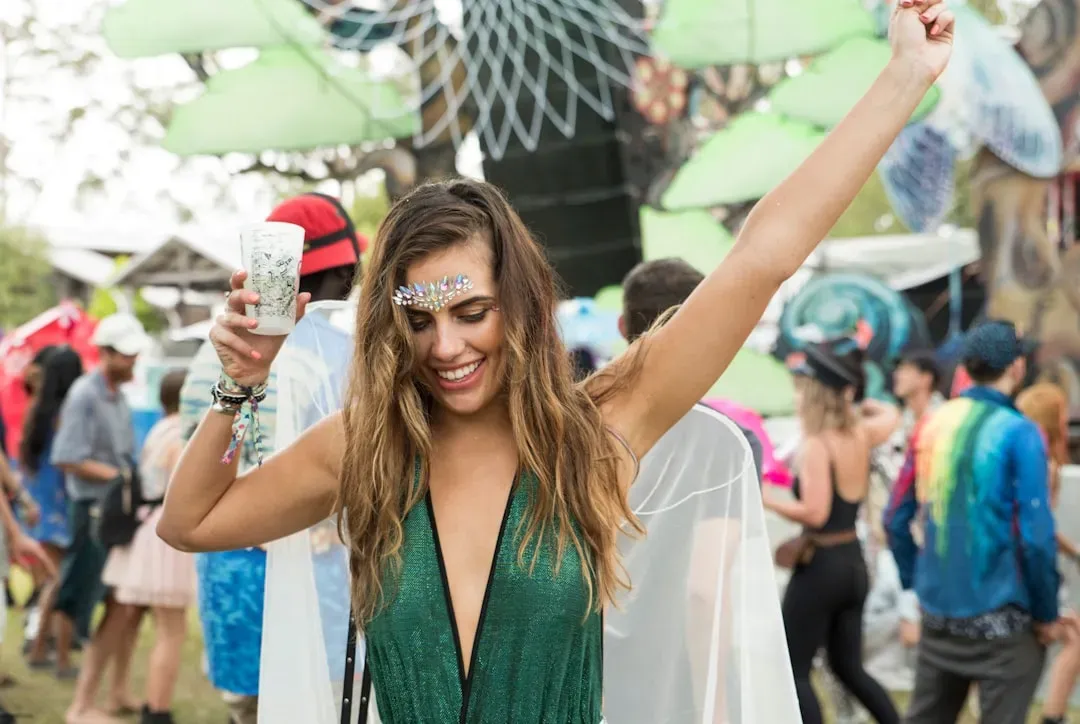
Let’s talk about the wild fashion experiments happening at festivals. Glitter everywhere, flower crowns that would look absurd at the grocery store, outfits that defy both logic and sometimes physics. It might seem superficial, but there’s genuine cultural significance here.
Festivals give people permission to express sides of themselves they normally keep hidden. That person in the sparkly jumpsuit might wear business casual fifty weeks a year. These events become safe spaces for aesthetic experimentation without consequences.
Fashion at festivals also spreads ideas fast. Trends that start in these spaces often ripple outward into mainstream culture. Remember when flower crowns suddenly showed up everywhere? Yeah, festivals did that. They’re incubators for style movements that shape broader fashion landscapes.
The freedom to dress however you want, without judgment or dress codes, creates this atmosphere of acceptance. When everyone’s being weird, nobody’s weird. That mindset shift alone makes festivals worth studying.
Environmental Consciousness Gets Real
Modern festivals are increasingly becoming testbeds for sustainability practices. Organizers experiment with everything from solar-powered stages to compostable food containers, trying to figure out how to throw massive parties without destroying the planet.
Some festivals have gone completely plastic-free or carbon-neutral. These aren’t just marketing gimmicks, they’re genuine attempts to solve real problems at scale. When you get hundreds of thousands of people cooperating on environmental initiatives, you learn what works and what doesn’t.
Attendees often carry these lessons home with them. Experiencing sustainable practices firsthand makes abstract environmental concepts tangible. You see that reusable cups actually work, that sorting trash isn’t that hard, that renewable energy can power incredible experiences.
Technology Integration Reshapes Live Experiences
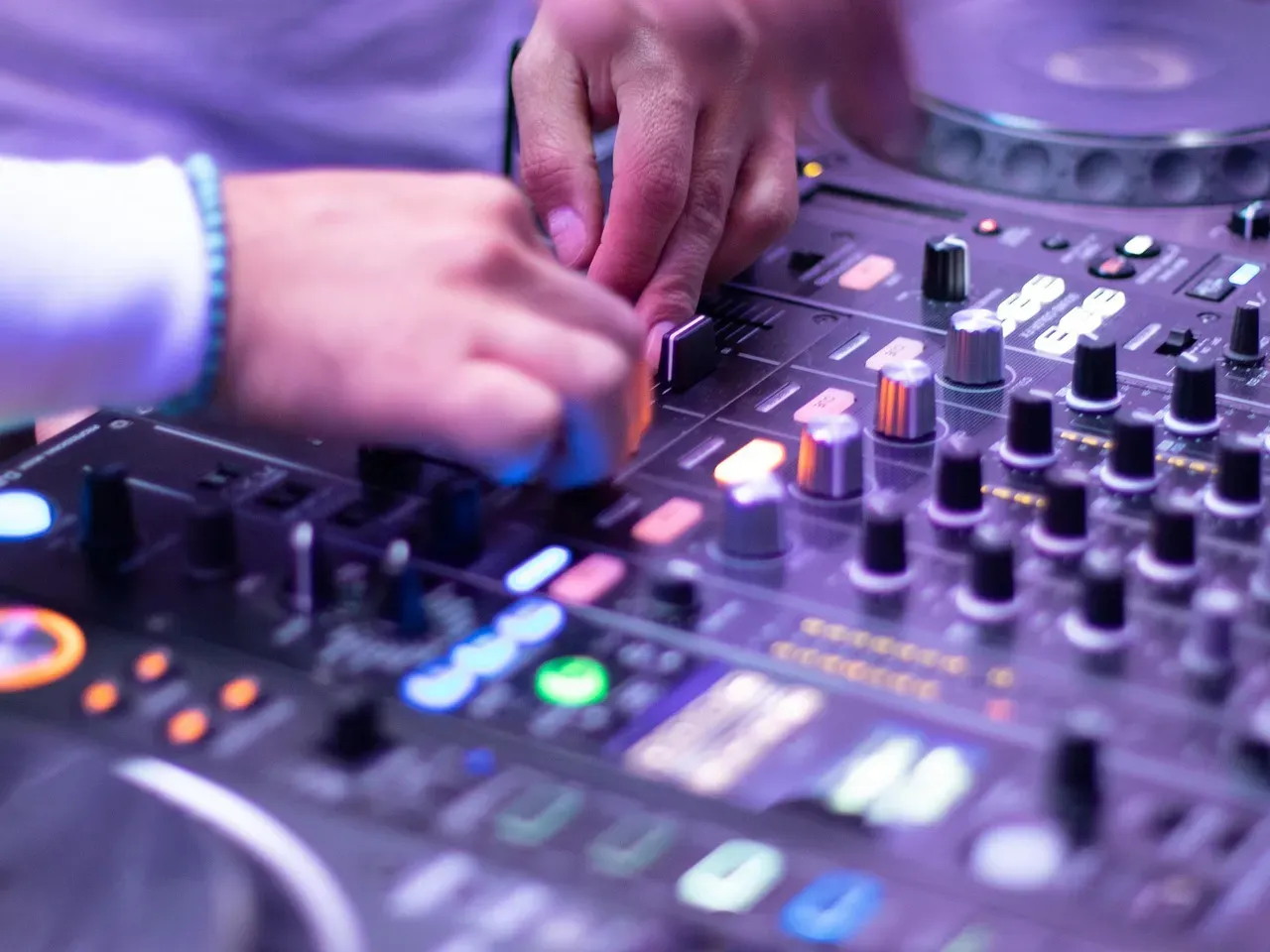
Festivals push technological boundaries in ways traditional concerts rarely attempt. Massive LED installations, interactive art pieces responding to crowd movement, apps that enhance the experience rather than distract from it. It’s hard to say for sure, but festivals might be where we’re figuring out the future of entertainment technology.
Cashless payment systems, RFID wristbands, augmented reality experiences, these innovations get tested at festivals before spreading elsewhere. When something works for managing eighty thousand people in a field, it probably works in other contexts too.
The balance between technology and authentic human connection gets explored here in interesting ways. How much tech enhances the experience before it starts diminishing it? Festivals are basically running that experiment every weekend.
Community Building in the Digital Age
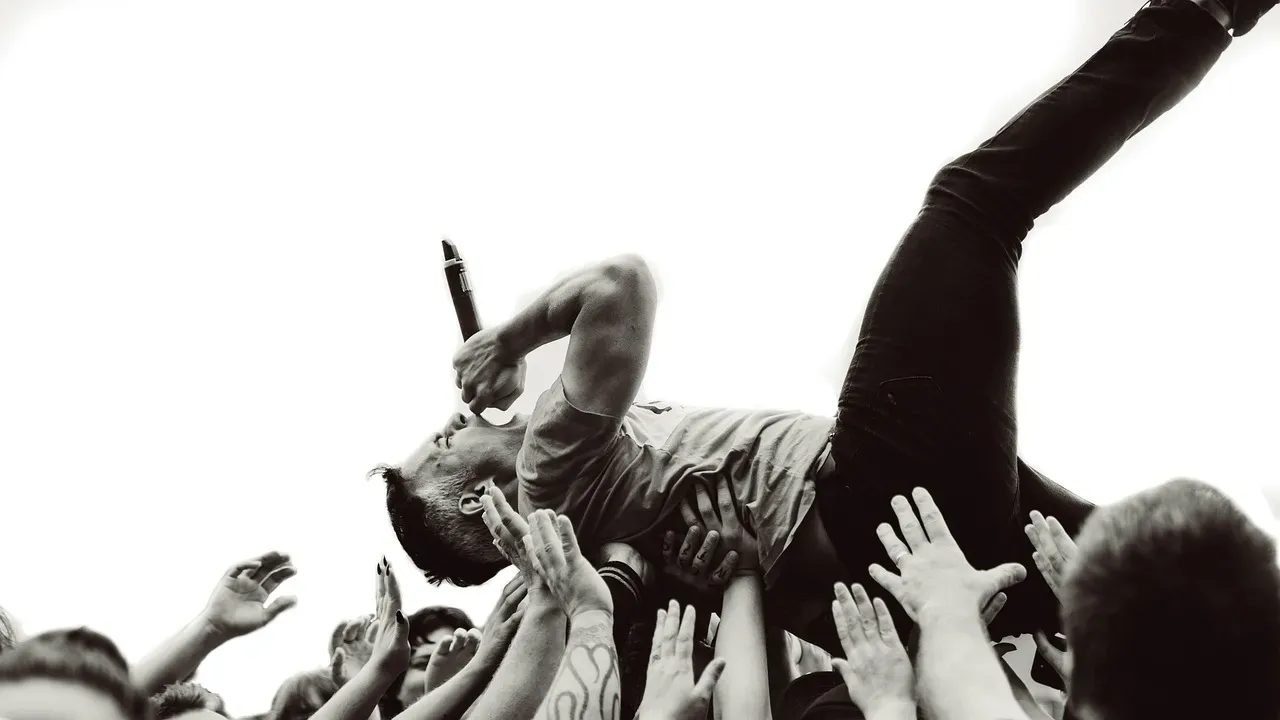
There’s something beautifully ironic about how these in-person gatherings thrive in our supposedly digital world. People crave real connection now more than ever, and festivals deliver that in concentrated doses.
The communities that form around festivals extend far beyond the event itself. Online forums, meetup groups, year-round friendships, these gatherings spark connections that persist. They prove that physical presence and shared experiences still matter immensely, even as so much life moves online.
Festivals also experiment with different models of community organization. Some emphasize radical inclusion, others focus on specific subcultures, each approach teaches us something about how humans naturally organize themselves when given freedom and shared purpose.
Art Installation as Public Experience
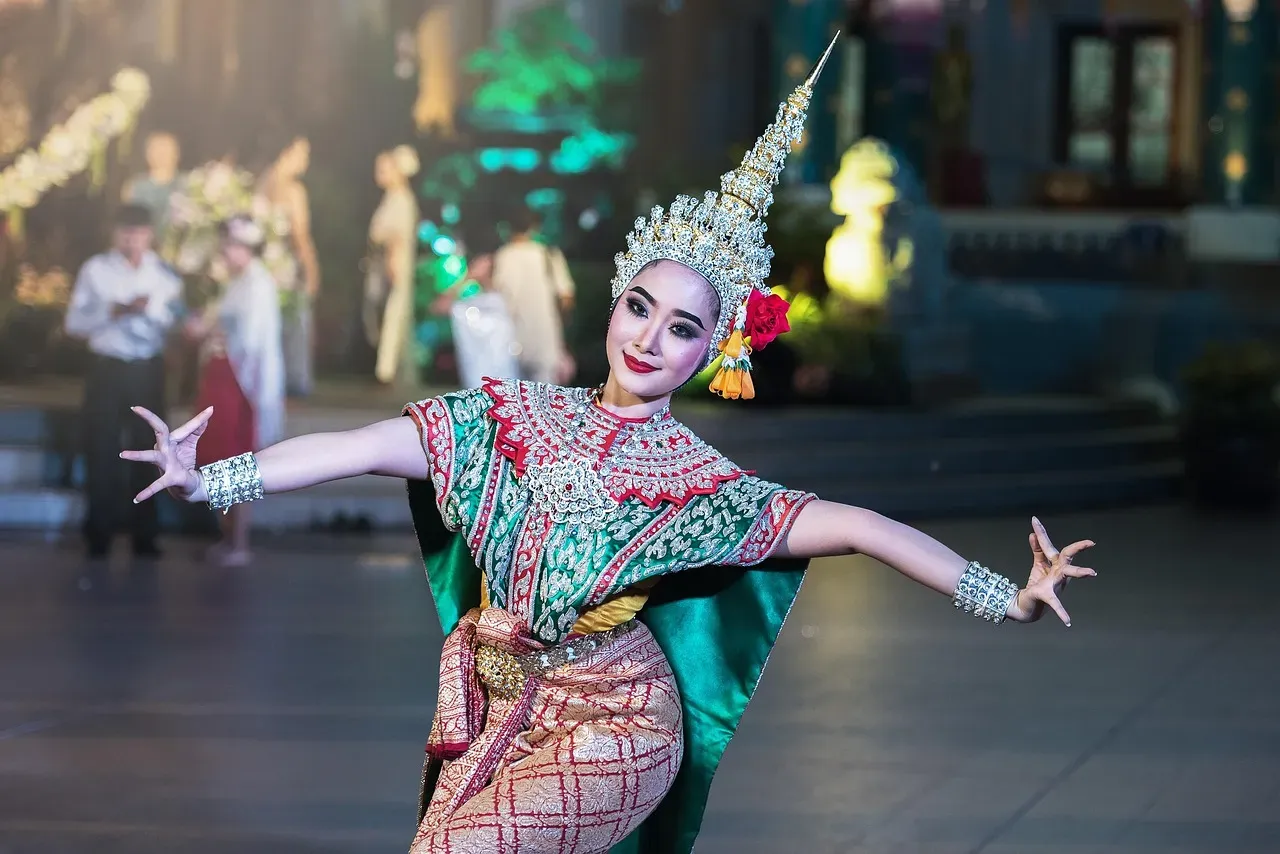
Walk through any major festival and you’ll encounter art that challenges, confuses, or amazes you. Giant sculptures, immersive installations, interactive pieces that require participation. This isn’t art locked behind museum glass, it’s art you can touch, climb on, or become part of.
These festivals democratize art experiences in powerful ways. You don’t need tickets or appointments or reverent silence. Art exists right alongside everything else, integrated into daily festival life rather than segregated in special spaces.
Artists use festivals to test ambitious concepts that might never work in traditional galleries. When your audience is relaxed, open-minded, and ready for experimentation, you can take bigger creative risks. Some of the most innovative contemporary art happens first in these spaces.
Economic Models Get Tested
The festival economy is fascinating if you pay attention. These events experiment with different pricing structures, tiered access levels, and value exchanges that reflect broader economic tensions in society.
Some festivals try radical economic approaches like gift economies or trade systems. Others explore how to keep events accessible while covering massive costs. The vast majority experiment somewhere in between, trying to balance profitability with inclusivity.
Food vendors, merchandise sellers, and service providers all navigate this temporary marketplace, learning lessons about consumer behavior in highly concentrated, time-limited contexts. What works when you have a captive but enthusiastic audience? These are live case studies in economics.
Health and Wellness Take Center Stage
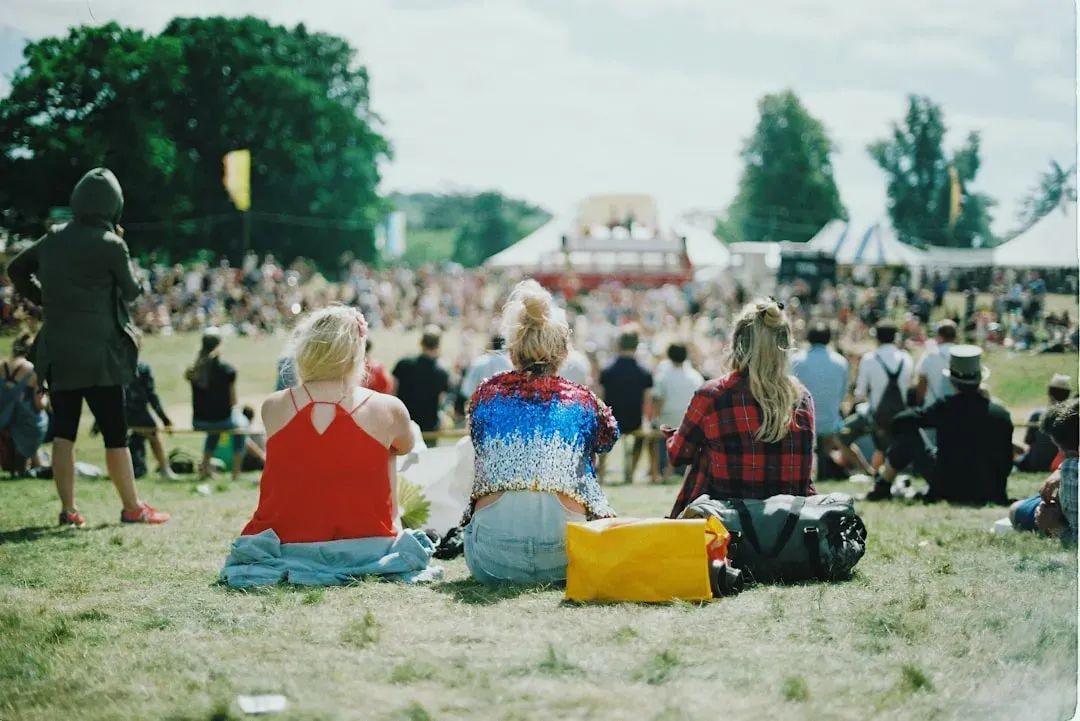
Modern festivals increasingly incorporate wellness spaces, meditation areas, yoga sessions, even therapy tents. This integration of health consciousness into party culture represents a genuine cultural shift worth noting.
People are figuring out how to balance intense experiences with self-care, how to have fun responsibly while still cutting loose. Festivals become laboratories for this balance, offering both wild celebration and resources for staying grounded.
The normalization of things like harm reduction, mental health support, and physical wellness at festivals influences broader attitudes. When care and celebration coexist naturally, it challenges old either-or mentalities about how we approach fun and responsibility.
Why We Keep Coming Back
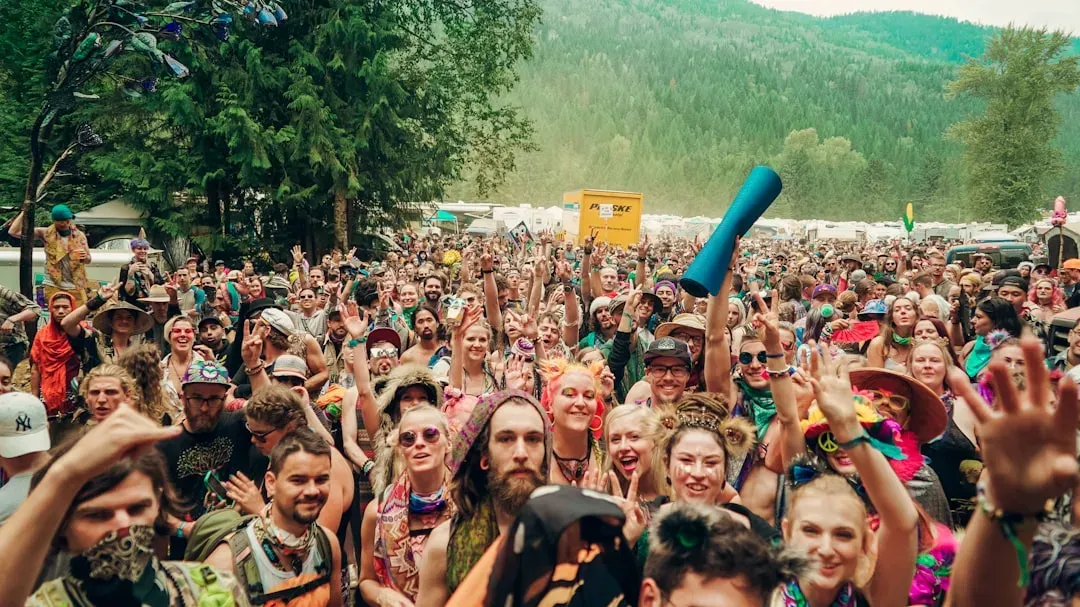
Let’s be honest, festivals are exhausting, expensive, logistically challenging, and sometimes uncomfortable. Yet millions of people return year after year, planning their schedules around these events like they’re sacred rituals. There’s something deeper pulling people back.
Festivals offer glimpses of alternative ways of living, even if just for a few days. They show us that large groups of strangers can cooperate, that diversity enriches rather than divides, that joy can be collectively created and shared. These aren’t small lessons.
In a world that often feels fragmented and divided, festivals prove that common ground still exists. Music becomes the excuse, but what really happens is people remembering how to be human together, how to celebrate life without cynicism or guard rails. That experiment succeeds every single time someone walks through those gates ready to be surprised by what unfolds.
Music festivals aren’t replacing traditional concerts, they’re evolving them into something larger and more meaningful. They’re spaces where culture gets made, tested, and remixed in real time. The next time you’re standing in a crowd watching the sunset behind a stage, remember you’re not just attending a show, you’re participating in one of our era’s most interesting ongoing experiments. What did you discover at your last festival that you brought home with you?