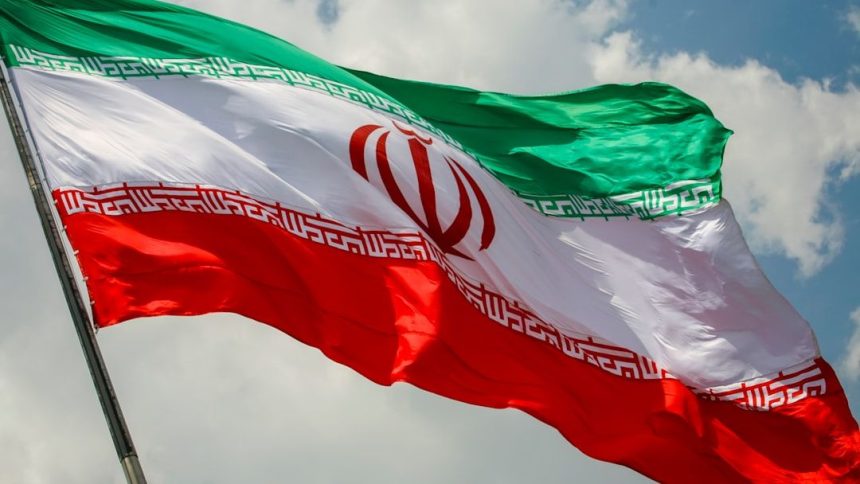
Terrorists Have Taken Over Iran – Now What? – Image for illustrative purposes only (Image credits: Unsplash)
Many governments have formally labeled the Islamic Revolutionary Guard Corps a terrorist organization. In practice, however, they continue to avoid direct measures against it. This gap between official recognition and actual policy creates openings that extend well beyond Iran’s borders. The pattern of evasion now shapes how other states calculate their own security choices.
The Gap Between Words and Action
Several countries have placed the IRGC on terrorist lists after reviewing its role in regional conflicts and proxy activities. Despite these steps, diplomatic and economic channels remain open in ways that limit real pressure. Officials often cite the need to maintain dialogue or protect commercial interests as reasons for restraint. Such calculations keep enforcement inconsistent across different capitals. The result is a mixed signal that weakens the original designation. Allies watch one another hesitate and adjust their own approaches accordingly. Over time, this reduces the collective impact that coordinated restrictions might otherwise achieve.
Partner offer
Geopolitical Pressures Driving Restraint
Regional dynamics play a central role in the reluctance to act more forcefully. Iran maintains influence through networks that reach into neighboring states and beyond. Decision makers weigh the risk of escalation against the benefits of tighter enforcement. In many cases, the immediate costs of confrontation appear higher than the longer-term risks of continued tolerance. Energy markets and trade routes add another layer of caution. Disruptions tied to stronger measures could affect global supply lines in unpredictable ways. Governments therefore favor incremental steps that avoid sudden breaks. This preference for stability over confrontation sustains the current approach.
Consequences That Extend Outward
The evasion carries effects that reach allied nations and international institutions. Groups operating under IRGC direction gain space to plan and move resources with less interference. Intelligence sharing becomes more selective when partners disagree on enforcement priorities. Over months and years, these frictions accumulate into broader security challenges. Domestic debates inside acknowledging countries also shift. Public confidence in counterterrorism policy can erode when official labels do not match visible outcomes. Lawmakers face questions about consistency that complicate future decisions on similar designations.
What matters now is closing the distance between formal listings and practical steps that match them.
Paths Toward Greater Consistency
Some analysts point to targeted financial tracking and selective sanctions as tools that could narrow the gap without broad confrontation. Others emphasize clearer public explanations of why certain contacts continue despite the terror label. Both approaches require coordination that has so far proved difficult to sustain. Progress would depend on aligning incentives across multiple governments rather than isolated actions. Without that alignment, the pattern of looking away is likely to persist. The choice remains between accepting the present costs or accepting the effort needed to change course.
Partner offer
Planning a trip to Vegas?
Compare hotel rates and show tickets on VEGAS.com.