Print Sales Are Actually Growing After Years of Decline

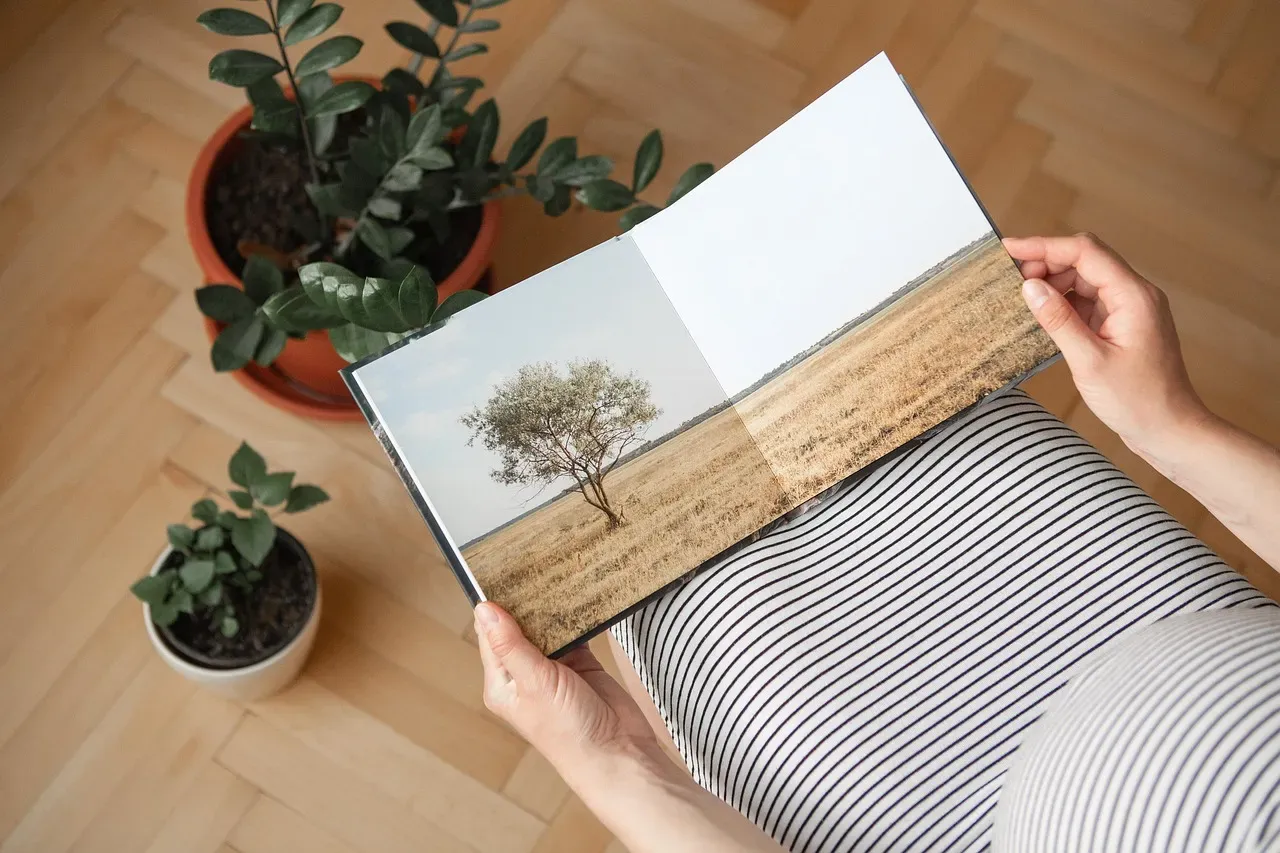
For years, experts predicted the death of physical books. E-readers were supposed to replace shelves, and bookstores were meant to disappear like relics of a bygone era. Yet here we are in 2025, and something unexpected is happening. Print book sales rose for the second consecutive year, hitting 762.4 million units in 2025, marking a 0.3% increase over 2024. That might sound modest, yet it’s noteworthy considering digital alternatives have never been more accessible or affordable.
The numbers tell a story that few saw coming. Print sales grew by nearly one-fourth from 2014 to 2024, defying the dire predictions that once dominated publishing industry conversations. What makes this resurgence truly fascinating is who’s driving it.
Generation Z Is Leading the Print Revolution


Almost 70% of US respondents between the ages of 18 and 29 said they read print books, while just 42% said they read e-books, according to research from Pew. This generation, practically raised with smartphones in hand, is choosing paper over pixels. Think about that for a moment. The demographic that grew up scrolling is now the one flipping pages.
Gen Z is leading the Barnes and Noble comeback, fueled by TikTok’s #booktok and their drive to own more tangible products. They’re not rejecting technology – they’re seeking balance. A number of Gen Z readers are citing digital eye strain as something print books give them relief from, and print books also make it easier to focus on the narrative instead of the built-in distractions. After spending most of their waking hours staring at screens for school, work, and socializing, physical books offer something their devices cannot: an escape from the digital noise.
BookTok Transformed Book Discovery and Sales


Here’s where things get really interesting. With over 79 billion views, the #BookTok hashtag has transformed the way books are discovered, discussed, and devoured. A platform designed for viral dance videos inadvertently became the most powerful book marketing engine of the decade. TikTok’s #BookTok community influenced an estimated 59 million U.S. print sales in 2024, becoming a dominant cultural force for book discovery.
A massive 68% of Gen Z readers polled by Publishers Association indicated that BookTok inspired them to read a book they may not have otherwise picked up, and 49% of those readers are going to physical bookstores to buy those books. That last part deserves emphasis – social media isn’t just driving online purchases. It’s bringing people back to actual bookstores. 59% of 16-25 year olds report that BookTok has helped them discover a passion for reading, and nearly half mentioned they have visited a bookshop in person due to TikTok.
Independent Bookstores Are Experiencing Unprecedented Growth

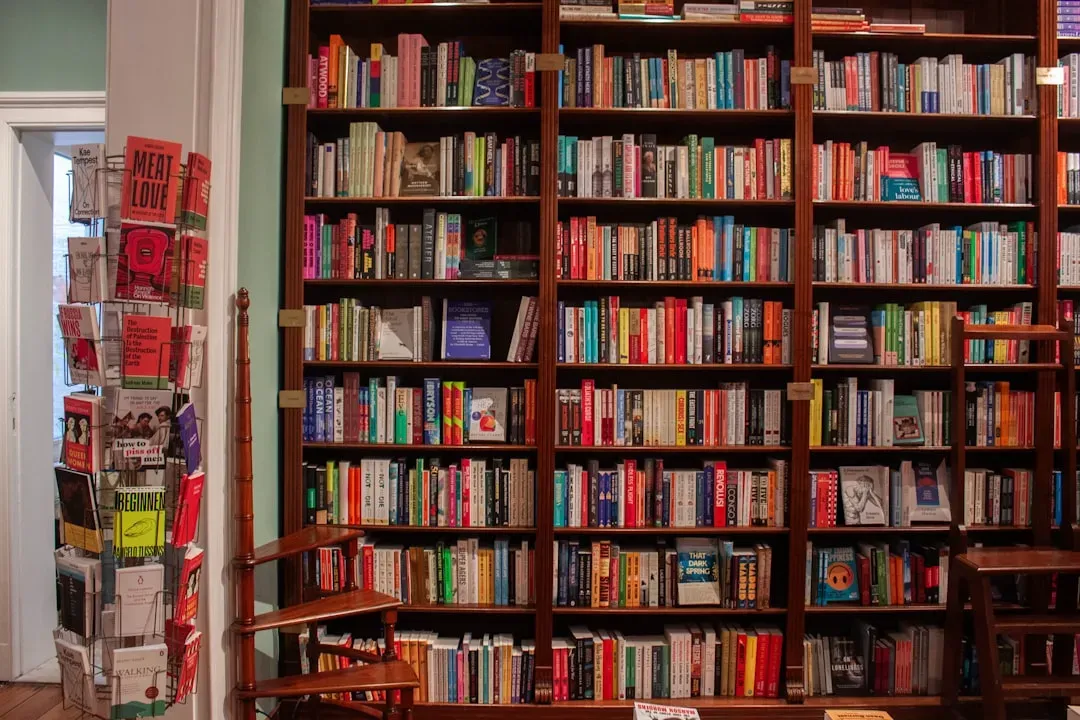
Remember when Amazon was supposed to kill independent bookstores? The opposite is happening. The number of independent bookstores has nearly doubled since 2016, now surpassing 2,400 nationwide, according to the American Booksellers Association. Even more remarkably, there were 422 independent bookstore openings across the U.S. in 2025, representing a 24% increase from 2024.
These aren’t just surviving – they’re thriving. Local book shop sales accounted for a revenue share of 41.83% of the global books market in 2024, with independent bookstores continuing to attract loyal readers through curated selections, personalized recommendations, and community engagement events. Over the last five years, the number of independent bookstores in the U.S. jumped by 70%, with 422 new bookstores opening in 2025 alone. These stores offer something algorithms can’t replicate: human curation, local community connection, and a browsing experience that feels genuinely personal.
The Tactile Experience Still Matters Deeply

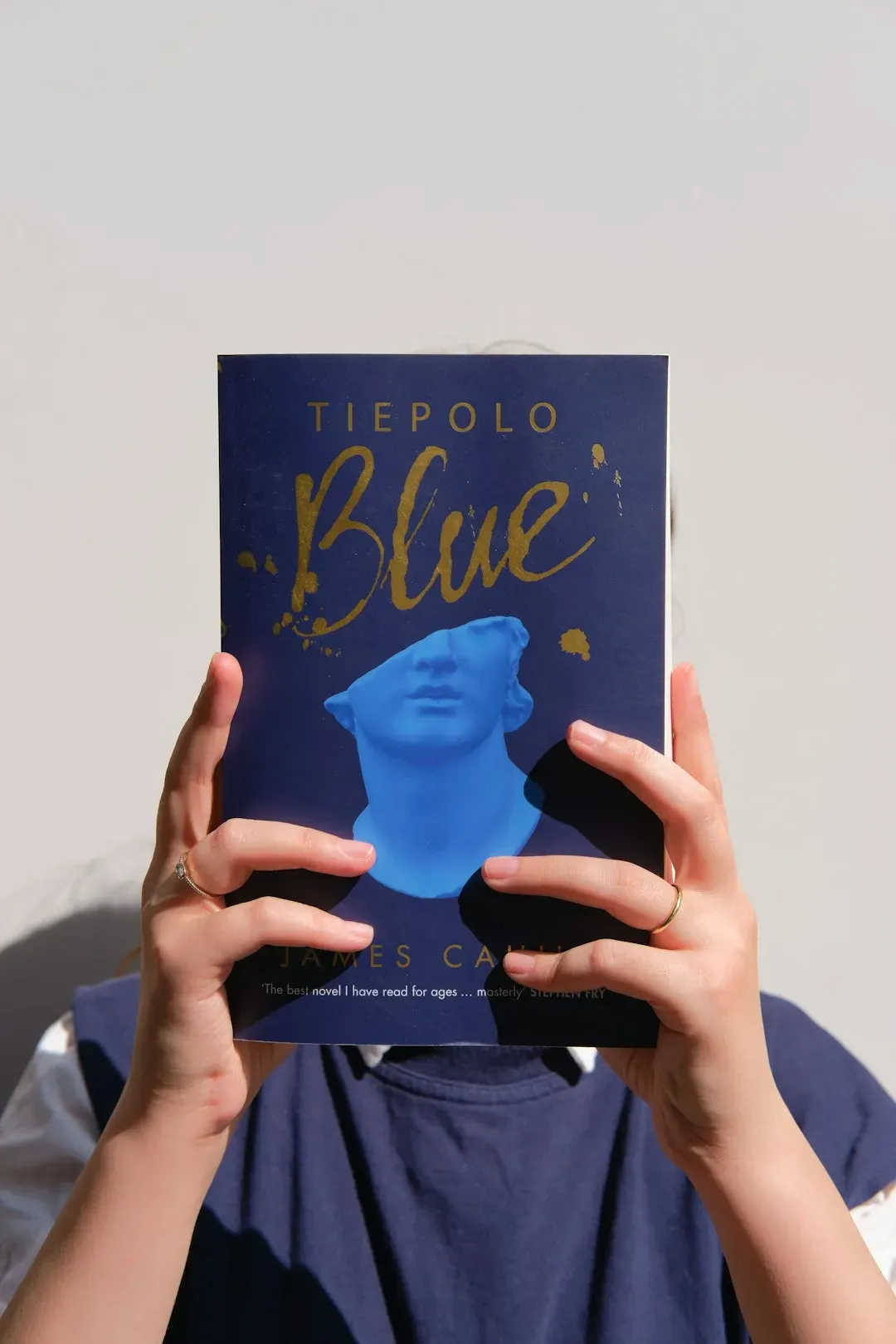
There’s something primal about holding a book. Readers of all ages often say they like to be able to hold a book, feel its texture and even smell the smell of its pages. I know it sounds romantic, maybe even a bit silly, but these sensory experiences create connections that screens simply cannot provide.
The paper texture, the weight in your hands, and even the smell are physical cues that create a deeper emotional connection. You can’t dog-ear a digital page. You can’t loan your favorite e-book to a friend with a handwritten note tucked inside. Whether it’s the opportunity to get lost in a story without digital interruption, the tactile nature of paper, the lack of eye strain, or simply the chance to disconnect from technology for a while, it’s clear that young people appreciate a good print book. Physical books exist in space – on nightstands, in backpacks, displayed on shelves – becoming part of our lives in ways digital files never will.
Barnes and Noble Reinvented Itself Successfully


Let’s be real – Barnes and Noble seemed doomed just a few years ago. Borders collapsed in 2011, and many assumed the same fate awaited B&N. Instead, something remarkable happened. Barnes & Noble opened more than 50 new locations in 2024 and made plans to open some 60 by the end of 2025.
Since 2021, B&N has seen steady sales growth in the mid-single digits, a rarity in brick-and-mortar retail. How did they pull this off? The company is opening stores of increasingly varied sizes and focusing more on books and customer experiences, with local managers having more control over inventory as the retailer takes more cues from independent shops. They stopped trying to be everything to everyone and went back to basics: books, community, and experience. Barnes & Noble’s share of visits that last for at least 45 minutes has continued to rise year-over-year, from 24% in 2021 up to 27% in 2024.
Digital Fatigue Is Real and Growing


Short-form, fabricated digital content or AI-generated art and writing are contributing to an increasingly uncreative digital landscape, with younger generations facing a phenomenon of “Digital Fatigue,” a feeling of burnout that can bubble up during screen time. People are exhausted. Every notification, every algorithm-curated feed, every autoplay video – it all adds up to cognitive overload.
Physical books offer refuge. Screens aren’t going anywhere, but people are rediscovering the rhythm of slower, more mindful reading, with print books regaining ground especially among readers seeking focus and clarity. There’s no notification that pops up mid-chapter. No recommended content distracting you from the story. Printed books offer clarity and presence, far from the distractions, pop-ups, and backlight fatigue that often come with digital reading experiences, with many young readers buying physical books again because holding a story, flipping real pages, and seeing progress offers satisfaction that swiping can’t replicate.
Ownership and Permanence Are Valued Again

Streaming taught us a hard lesson: you don’t really own anything digital. Since digital media and information can vanish or change instantaneously, the permanence that comes with physical media is increasingly important, helping combat the paradox of ownership caused by streaming platforms. Movies disappear from Netflix. Songs get pulled from Spotify. E-books you “purchased” can be revoked.
Physical books, though? Those are yours. With the physical media model, you own the copy as long as the thing still plays, you still get access to it, you could go to it anytime you want, and no one can take that away. Younger generations are increasingly valuing this permanence, this tangible ownership. With physical media, consumers are able to keep and utilize that piece of media that they love for as long as they want to, which is part of the core reasons as to why online and streaming media has become frowned upon by younger generations. When everything else feels temporary and algorithm-controlled, a bookshelf full of stories you actually own feels revolutionary.
What did you think? Are you surprised that Gen Z is bringing back physical books, or does it make perfect sense? Tell us in the comments.