


Have you ever noticed how some people become almost larger than life once they’re gone? Walk into any major art museum and you’ll likely see crowds gathered around the work of Vincent van Gogh, a man who barely sold a single painting while he was alive. Open a poetry anthology and there’s Emily Dickinson, whose verses were mostly discovered in a drawer after her death. It’s a strange twist of fate, really.
The phenomenon is more common than you might think. Throughout history, countless talented individuals toiled in obscurity, only to achieve legendary status after they left this world. Let’s be real, it’s both fascinating and a little heartbreaking. So what is it about death that suddenly makes society sit up and take notice?
The Romantic Appeal of the Tragic Story

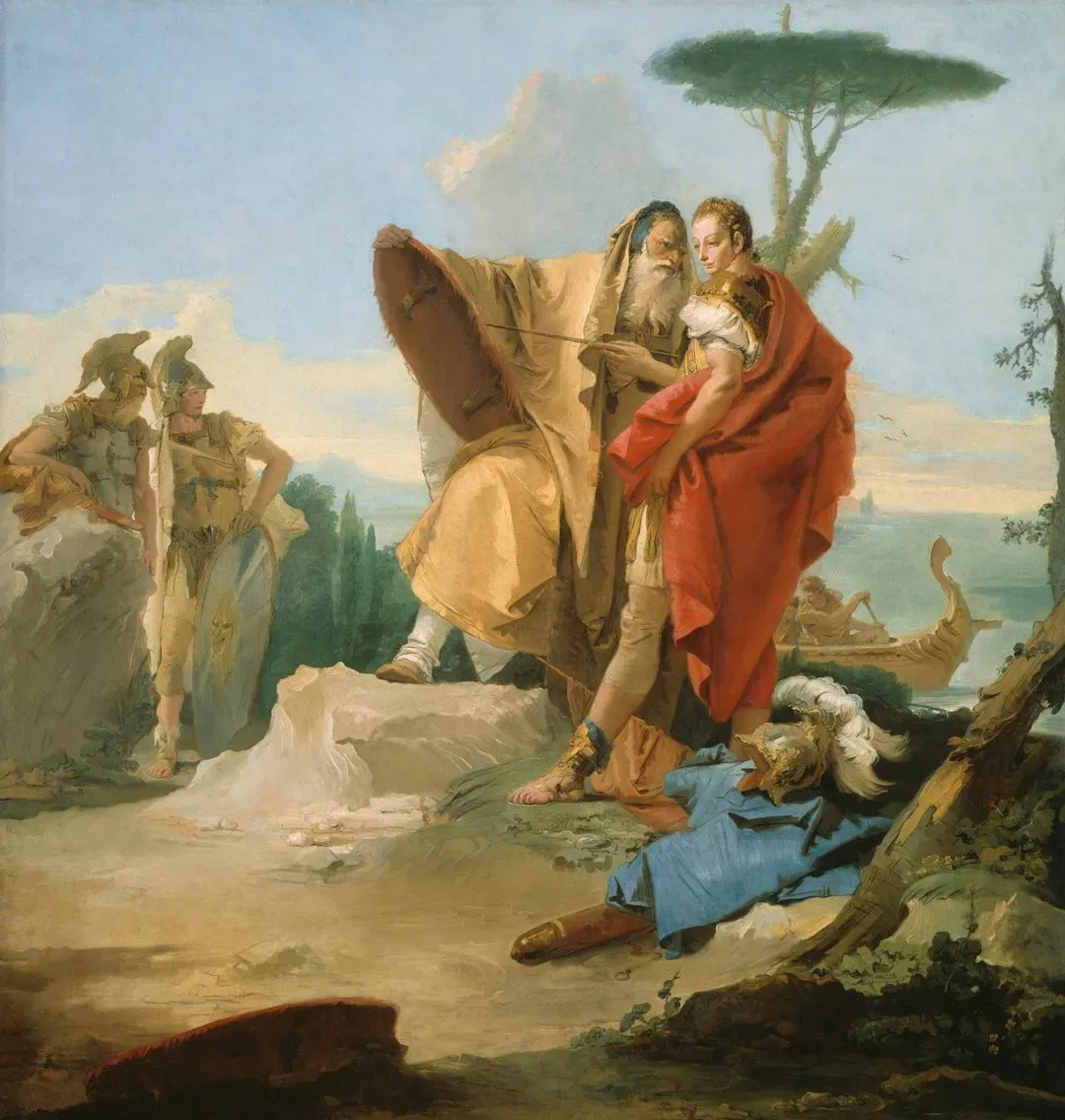
When a historical figure passes away, their story often becomes shrouded in a kind of mystique that wasn’t present during their lifetime, as people start to idealize their struggles, achievements, and even their failures, turning them into legends rather than simply humans. There’s something undeniably compelling about a life cut short or a genius who suffered. Vincent van Gogh is a classic example – he sold few paintings when alive, but after his death, his story of poverty and passion became almost mythical.
Think about it this way: a struggling artist becomes infinitely more interesting when you know the ending was tragic. This kind of tragic narrative can make a person’s story unforgettable, sparking endless speculation and discussion, as the sense of “what might have been” lingers, making their achievements seem even more impressive, often leading to a surge in books, films, and memorials that reinforce their legendary status. We’re drawn to these stories like moths to a flame.
The Discovery of Hidden Work

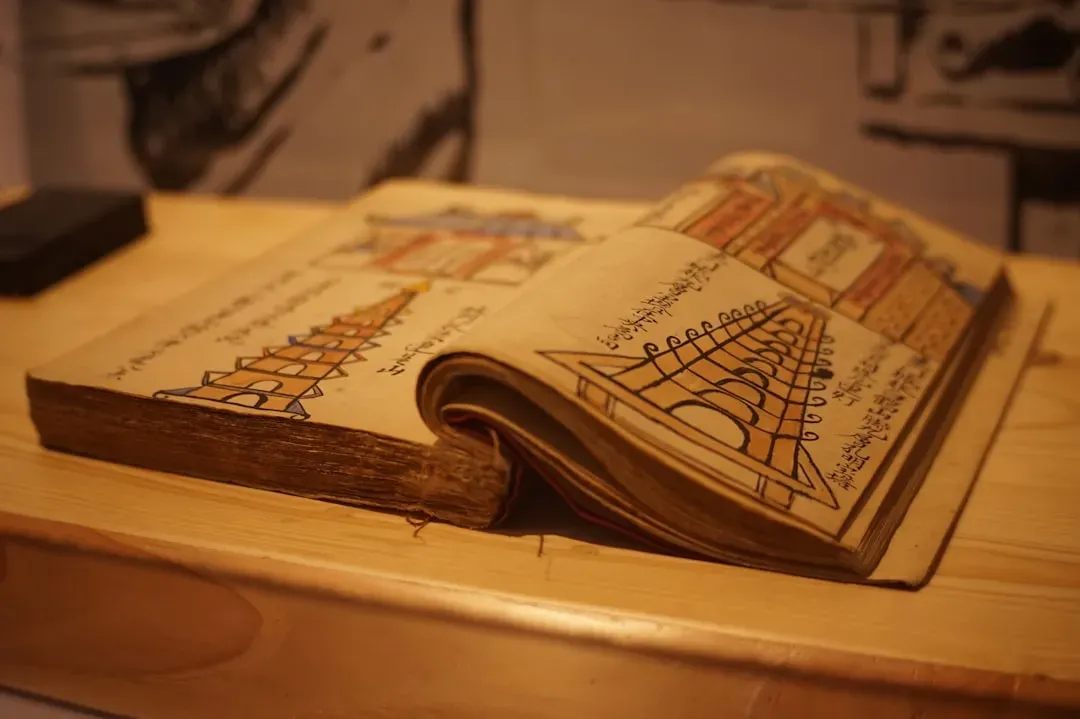
Poet Emily Dickinson, for example, published very little during her lifetime, but after her death, her unique style and voice captured the attention of readers and critics worldwide. Here’s the thing: many artists and thinkers never shared the full extent of their work publicly. They kept poems in drawers, paintings in attics, manuscripts in trunks.
The excitement of finding “lost” masterpieces or previously unknown writings adds to the intrigue, as society suddenly views their contributions differently, often with a sense of awe at the genius that went unrecognized for so long. Franz Kafka instructed his friend Max Brod to burn his manuscripts, but fortunately, Brod ignored him, and the posthumously published works like The Trial and The Metamorphosis became hallmarks of existentialism and bureaucratic absurdity. Sometimes disobedience pays off spectacularly.
Freedom from Censorship and Political Repression


In some cases, a historical figure’s work or ideas couldn’t be shared freely during their lifetime due to censorship or political repression, but once those restrictions are lifted, their contributions can finally be recognized for their true value. This is particularly true for writers and thinkers who lived under oppressive regimes. Their voices were silenced by governments, religious institutions, or social conventions.
George Orwell and Franz Kafka are two writers whose works were not fully appreciated until after their deaths, often because of the political climates in which they lived. Once the barriers came down, their work could finally reach the audiences they deserved. It’s hard to say for sure, but maybe some ideas are just too dangerous for their own time.
Becoming Symbols for Movements

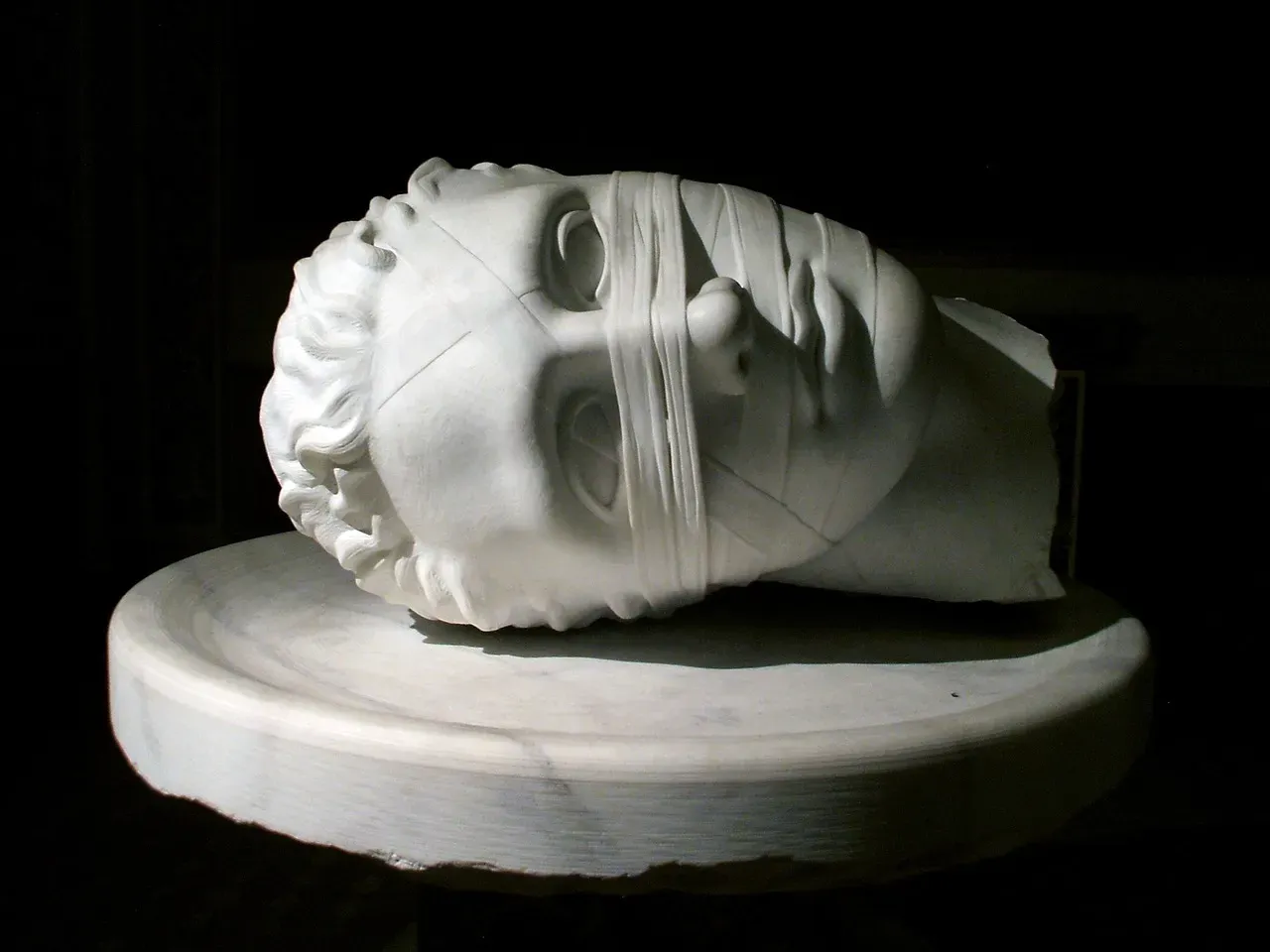
Death has a way of transforming individuals into icons. When a person’s ideals align with the needs or hopes of later generations, they can become rallying points for change, as their image – often simplified and idealized – appears on posters, in speeches, and across social media, and this transformation from individual to symbol helps their memory endure, with their message growing even louder after their passing.
The world was shocked by the assassination of John F. Kennedy in 1963, and his death instantly elevated him from popular president to enduring martyr. The same pattern repeated itself with Martin Luther King Jr. and countless others. People look to them for inspiration during tough times, and their stories become part of collective identity. They’re no longer just people anymore – they’re movements.
The Elimination of Personal Resistance
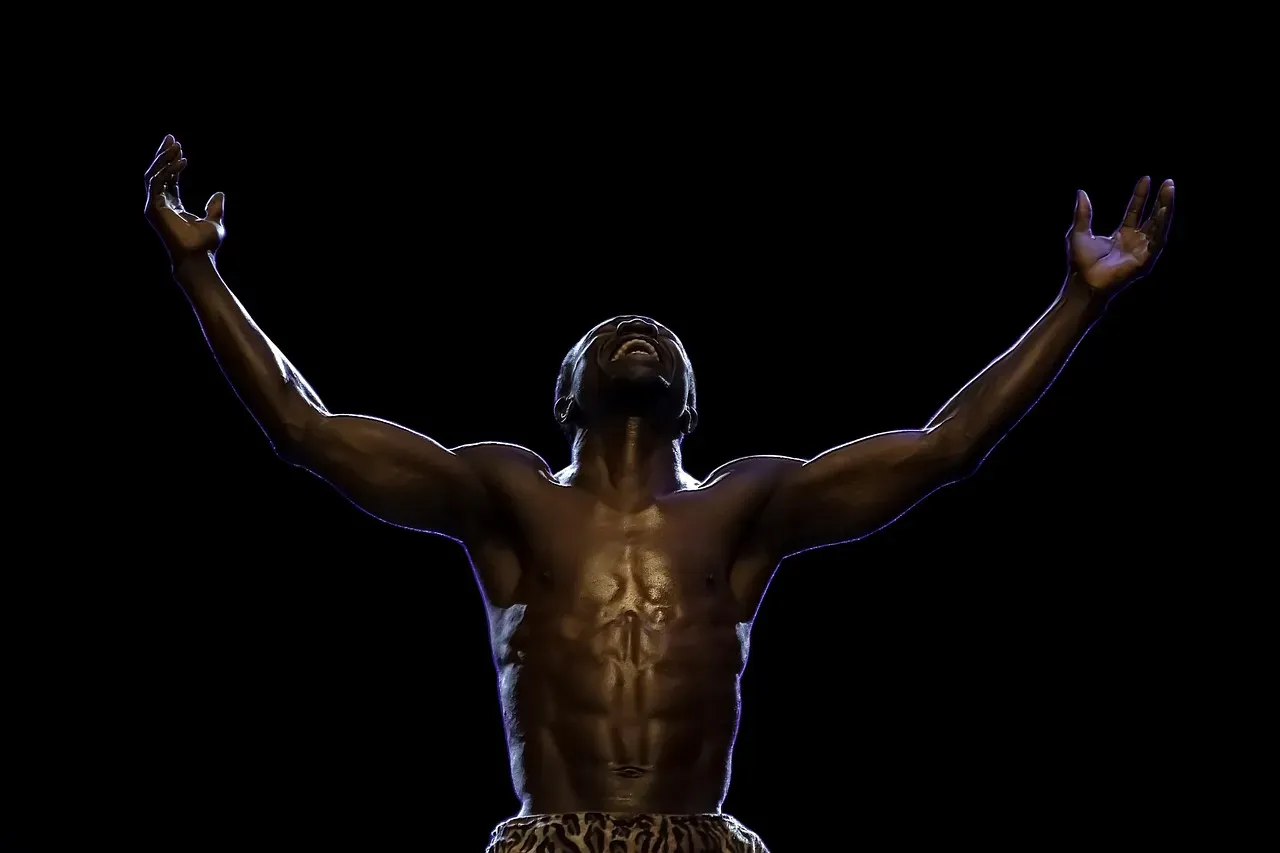
Now here’s something most people don’t consider: artists themselves can be their own worst enemies. Most artists have an emotional attachment to their creations, making them horribly vulnerable to criticism, and they hold a plethora of limiting beliefs about their work or themselves, which in turn creates a limiting vibration around the subject.
Self-doubt, imposter syndrome, fear of rejection – all these barriers exist while someone is alive. When an artist dies, all of that resistance melts away, allowing everyone who resonates with them to find them. The work can finally stand on its own merit, freed from the anxiety and perfectionism that may have kept it hidden or undersold during the creator’s lifetime.
The “Death Effect” on Market Value

Let’s talk money for a moment. The National Endowment for the Arts has reported that posthumous exhibitions can boost an artist’s market value by up to 300%, which shows just how powerful this romanticization can be. There has arisen a well-known myth called ‘the death effect’: the idea that an artist’s work will increase significantly in value once they have died, an idea often used by art dealers to convince clients to invest in art based on the fact that the artist is going to die soon.
From a sales perspective, the death of an artist immediately increases the value of their work, a trend labeled as the “death effect” that is more evident in the art industry but can be applied to aspects of the music industry as well. The simple economics of scarcity kicks in. No more work will ever be produced, so what exists becomes instantly more valuable. Collectors and museums suddenly scramble to acquire pieces they may have overlooked before.
The Power of Publicity and Media Attention

The death of a musical artist will spark news stories or reports if they were successful enough, which is another obvious reason why their popularity may skyrocket, as there is no such thing as bad publicity, even from the grave, so that kind of news coverage could reach a whole new audience who will then listen to that artist out of curiosity.
Suddenly, newspapers write retrospectives. Television runs documentaries. Social media explodes with tributes. A 2019 study from the Journal of Historical Biography found that posthumous recognition could lead to a 50% increase in how often a person’s work is cited or referenced academically. The media cycle itself creates a snowball effect, introducing forgotten artists to entirely new generations who had never heard of them before.
When Recognition Finally Arrives

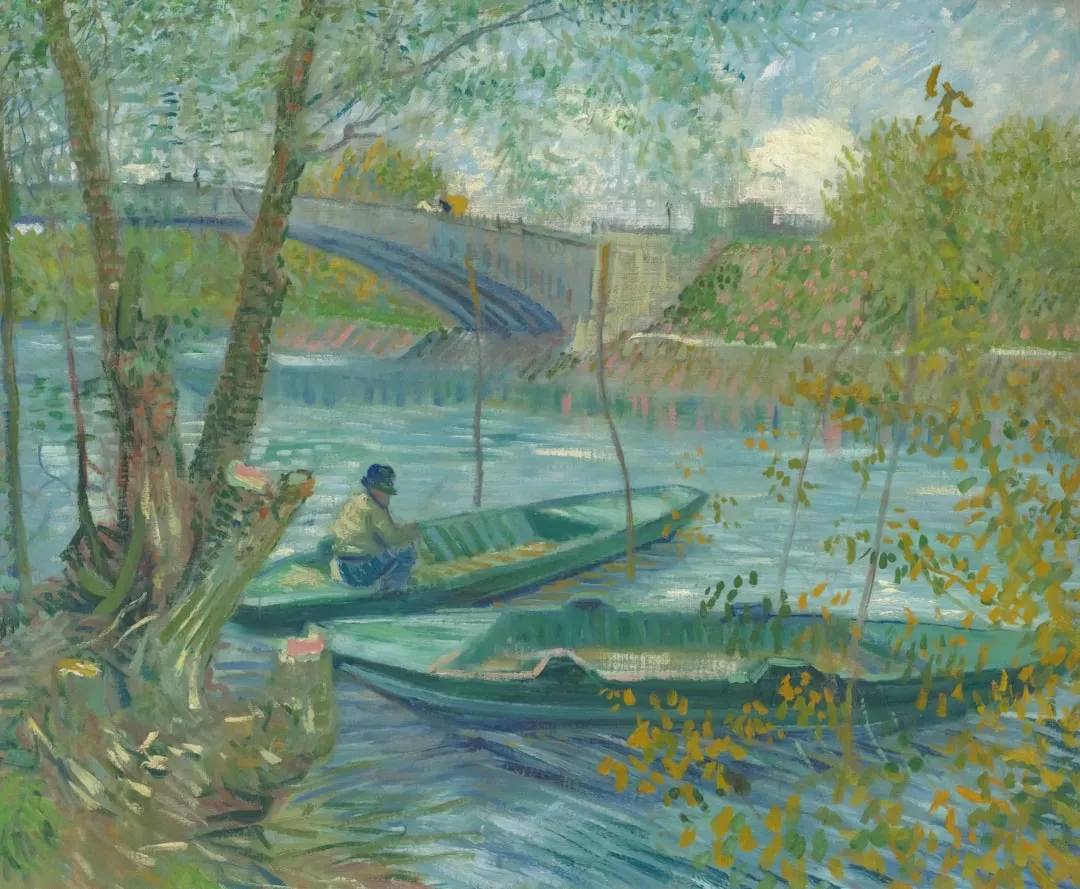
It’s honestly a bittersweet reality. So many brilliant minds never experienced the validation they deserved. Vincent Van Gogh created around 2,100 works in just over ten years but only succeeded in selling a single painting in his lifetime, and was considered insane and a failure of an artist, but post-death, in addition to his substantial contributions to modern art, his dramatic life and death have helped shape the romanticized depiction of the tortured artist.
Recognition came too late for them to enjoy it, but perhaps their legacies matter precisely because they endure. This rediscovery gives new generations a chance to appreciate the work in new ways, often making these individuals far more famous than they ever were in their own time, as the feeling of having “missed out” on greatness can make their story even more compelling.
Did you ever imagine that fame and obscurity could be separated by something as simple as timing? What historical figure do you wish had been celebrated during their lifetime? The answers might surprise you more than you think.


