Music has never existed in a vacuum. Every dominant sound of every era was shaped by something beyond the notes themselves: social upheaval, new technology, economic mood, and plain old cultural hunger. Music history is defined by a series of epochal shifts, where clusters of stylistic innovation give rise to new genres and movements. The fascinating thing is how predictable these patterns are in hindsight, yet how completely unexpected they felt in the moment. Understanding why certain genres took over means understanding the world that produced them.
The Jazz and Swing Era: The Soundtrack of Social Escape

Music in the 1920s was dominated by jazz, blues, and the traveling dance bands that played what was popular at the time. Following the devastation of the first World War, twenties music was quite upbeat and optimistic as the economy boomed and parties roared despite prohibition in the US. The music industry as we know it was just beginning and all things seemed possible. There is something deeply human about that impulse: when life gets hard, people reach for music that makes them want to move. Jazz filled that role perfectly, offering rhythm, improvisation, and a sense of communal joy that fit the roaring mood of the decade.
The 1930s represented a transition from blues in the previous decade to jazz. Swing and Vocal Jazz, both sub-genres of jazz, were the top two genres of the decade, and the 1940s became the decade of jazz and country music. Big Band orchestras filled ballrooms and radio broadcasts alike, making jazz not just a genre but a shared national experience. The sheer scale of orchestral jazz production required the resources of a growing commercial music industry, and that infrastructure helped turn jazz into the first truly mass-market music genre in American history.
Rock and Roll in the 1950s: Technology Meets Teenage Rebellion

Music of the 1950s reflected the beginnings of major social changes in the world and in the US especially. Rock and roll, R&B, and traditional pop ruled the charts while radio and television connected the country in musical tastes and exposed the nation to a greater variety of artists and styles. Some of the first major superstars of music emerged from this decade, with people like Elvis Presley dominating the airwaves and the minds of young girls. That combination of radio reach and a newly defined teenage consumer class was essentially a rocket booster for the genre. Young people had money, they had free time, and they had a powerful desire to sound nothing like their parents.
The 1950s marked the birth of rock and roll, with artists like Elvis Presley and Chuck Berry at the forefront, challenging the status quo and setting the stage for the cultural revolutions to come. The electric guitar, which had been developing as an instrument throughout the 1940s, became rock and roll’s signature weapon. In the context of popular music history, “rock and roll” is an early form of rock music known for its upbeat tempo and simple melodies, while later “rock” includes a broader range of styles and more complex compositions. That evolution from simple to complex would define the genre’s entire arc across the following three decades.
The 1970s: Rock Expands, Disco Ignites, and Everything Collides
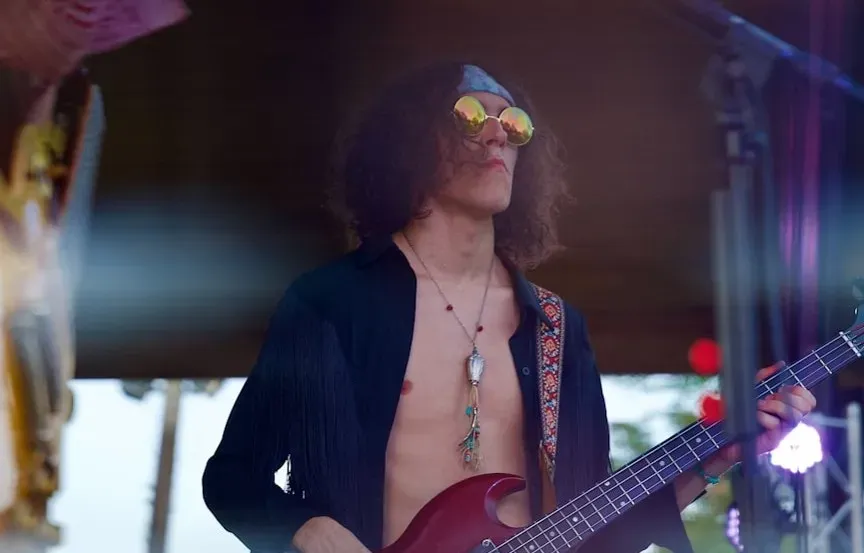
The 1970s was a golden era for rock music, a time when legendary bands took rock music in multiple diverse directions and set the stage for future musicians. Rock bands at this time shifted into new stylings, like glam rock, prog rock, and even heavy metal, with elements of blues and remnants of psychedelia lingering from the 1960s. Led Zeppelin was widely considered the most popular rock band of the 1970s. With revolutionary music and more than 300 million albums sold globally, their influence and success defined the era. Progressive rock, in particular, pushed the boundaries of what a song could even be, with bands like Pink Floyd building entire narrative concept albums rather than chasing singles.
Disco, meanwhile, was forging its own path from a very different direction. Many disco songs have lyrics that address the themes of the movements for civil rights, women’s liberation, and LGBTQ+ rights. The music developed in underground clubs that catered to Black, gay, and Latino dancers and provided the soundtrack for the sexual revolution. The opening of Studio 54 in New York City and the release of the film Saturday Night Fever marked disco’s mainstream peak in 1977. Disco’s dominance, though brief, showed that a genre could rise to the very top of mainstream culture while carrying deeply political and social undertones.
Rock’s Peak and Disco’s Fall: The 1980s Shift
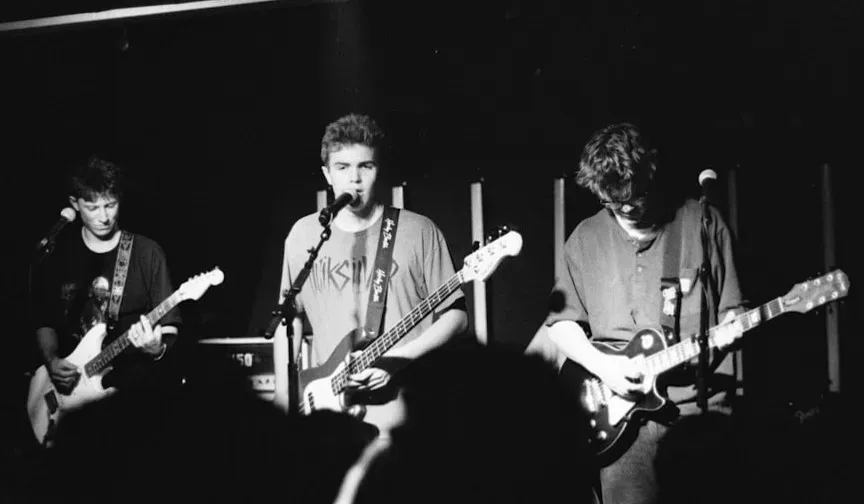
Rock’s run from 1982 to 1986, when rock musicians occupied nearly 60% of available Hot 100 spots, is by far the most dominant stretch for any one genre in the history of the Billboard charts. That kind of saturation is almost impossible to imagine today, when streaming has fractured listening habits into thousands of micro-niches. In the 1980s, music was dramatically changed by the introduction of MTV. This meant that music videos became more and more of a necessity in order for artists to gain popularity, especially with the youth, and sell records. A greater importance was placed on the appearance of musicians and gimmicks became commonplace. Rock, with its larger-than-life performers and theatrical staging, was perfectly suited to this new visual medium.
Disco’s collapse before that boom was sharp and socially charged. Disco Demolition Night, an anti-disco event held at a baseball stadium in Chicago in July 1979, was a key event marking its decline in popularity. Factors cited as leading to the decline of disco in the United States include economic and political changes at the end of the 1970s as well as burnout from the hedonistic lifestyles led by participants. In the years since Disco Demolition Night, some social critics have described the backlash as implicitly macho and bigoted, and an attack on non-white and non-heterosexual cultures. In January 1979, rock critic Robert Christgau argued that homophobia, and most likely racism, were reasons behind the backlash. Disco’s fall was not simply about musical taste. It was a culture war fought on a baseball field.
Hip-Hop’s Rise: From the Bronx to Global Dominance

Hip-hop and rap originated in the Bronx during the 1970s, evolving from DJs delivering spoken rhymes over looped breakbeats. The genre quickly gained recognition for its rhythmic intensity and lyrical sophistication. The swift adoption of these music stylings marked the end of rock’s dominance, first capturing popular imagination in the 1980s and then fueling the genre’s obsolescence in the 2000s. It is a remarkable arc: a genre born in an economically devastated New York neighborhood in the late 1970s becoming the defining sound of the 21st century. In the 2010s, hip-hop, electronic dance music, and pop music dominated the charts, with artists like Kendrick Lamar, Calvin Harris, and Taylor Swift becoming household names and shaping the musical landscape of the decade.
The numbers behind hip-hop’s supremacy are staggering. Hip-Hop/R&B accounted for 30.7% of all streams across platforms, making it by far the most dominant genre in 2024. According to Forbes, hip-hop artists made up half of the top 10 highest-paid musicians in 2020. Drake holds the record for the most Billboard Hot 100 entries by a solo artist, with 161 entries. These figures reflect not just popularity but a structural takeover of how the music industry generates revenue, from touring to streaming to brand partnerships.
Streaming, Genre Blending, and Who Dominates Now

Platforms like Spotify and Apple Music have revolutionized the way listeners discover music. These services use sophisticated algorithms to recommend music based on user behavior, pushing popular musical genres like hip-hop and pop to the forefront. Personalized playlists such as “Today’s Top Hits” often feature these genres, helping them stay dominant. The mechanism of dominance has changed fundamentally. It is no longer just radio programmers deciding what gets heard. Algorithms trained on billions of listening choices now effectively decide which genres stay at the top, reinforcing the popularity of whatever is already popular. Luminate’s year-end reporting shows the global music industry reached 5.1 trillion streams in 2025, a new single-year record, up 9.6% from 2024.
The music industry in 2025 is characterized by a dynamic fusion of genres, propelled by the global reach of streaming platforms and the cultural influence of social media. A key trend is the globalization of music, where genres like K-pop and Afrobeats are no longer confined to their regions of origin but are reshaping mainstream pop, hip-hop, and electronic music worldwide. The very idea of a single genre dominating a whole decade may itself be a relic. Genre popularity is cyclical, with new styles continually emerging and receding from the mainstream. When tracking the prevalence of various formats in the Billboard Top 100, we observe a handful of metaphorical “baton passes” from one fashionable format to the next. That baton is now being passed faster than ever, and it is being grabbed by more hands from more corners of the world simultaneously.