There are roads you simply use, and then there are roads that shape an entire city’s identity. In Las Vegas, that road is the 215 Beltway. Locals swear by it, curse at it, and debate it at every neighborhood meeting. It connects the city’s fastest-growing suburbs, serves one of the busiest airports in the American West, and somehow still manages to grind to a halt when you need it most. It’s complicated. Let’s dive in.
A Road Born From Explosive Growth

Las Vegas did not grow slowly. It exploded, and the 215 Beltway was essentially the city’s attempt to keep up with itself. The beltway, which circles three-quarters of the Las Vegas Valley, is the largest road project in Southern Nevada history and was originally set to be completed by 2025. The fact that it had to be accelerated dramatically tells you everything about how fast the valley was developing.
With funding from a tax program passed by the Nevada Legislature in 1991, the Clark County-controlled and funded portion of the Beltway, Clark County Route 215, was constructed, with the primary sources being the Motor Vehicle Privilege Tax and a new development tax. Ordinary residents, in other words, helped pay for this road before a single lane was even paved. That kind of community investment creates a complicated relationship with a highway from day one.
The Numbers Behind the Name

The Las Vegas Beltway, officially named the Bruce Woodbury Beltway and locally referred to as “The 215,” is a 50-mile beltway route circling three-quarters of the Las Vegas Valley in southern Nevada. That is not a small highway. Think of it like an unfinished ring road with ambitions far bigger than its original design.
It consists of the 11.2-mile Interstate 215 segment in the southeast quadrant and the 39-mile Clark County Route 215 for the western, northern, and southern portions, forming a three-quarter loop that bypasses the urban core of Las Vegas and North Las Vegas. The fact that it carries two different designations confuses visitors, irritates locals, and has been a topic of ongoing bureaucratic debate for decades. Honestly, it’s very on-brand for Las Vegas.
Named After a Man Who Actually Deserved It
The beltway is named for Bruce L. Woodbury, who served as a Clark County commissioner for 28 years from 1974 to 2002 and was instrumental in its early planning and development. Most highways get named after politicians in a rather transactional way. This one feels different.
At the Board of County Commission meeting on March 2, 2004, the beltway was renamed as the Bruce Woodbury Beltway, with the Board approving a resolution recognizing Republican Clark County Commissioner Bruce L. Woodbury for his many years and efforts in the future of transportation in the valley. Woodbury served for 28 years as a Clark County Commissioner, the longest of any commissioner in Nevada history. That is a legacy worth a highway sign or two.
The Airport Connection That Changed Everything

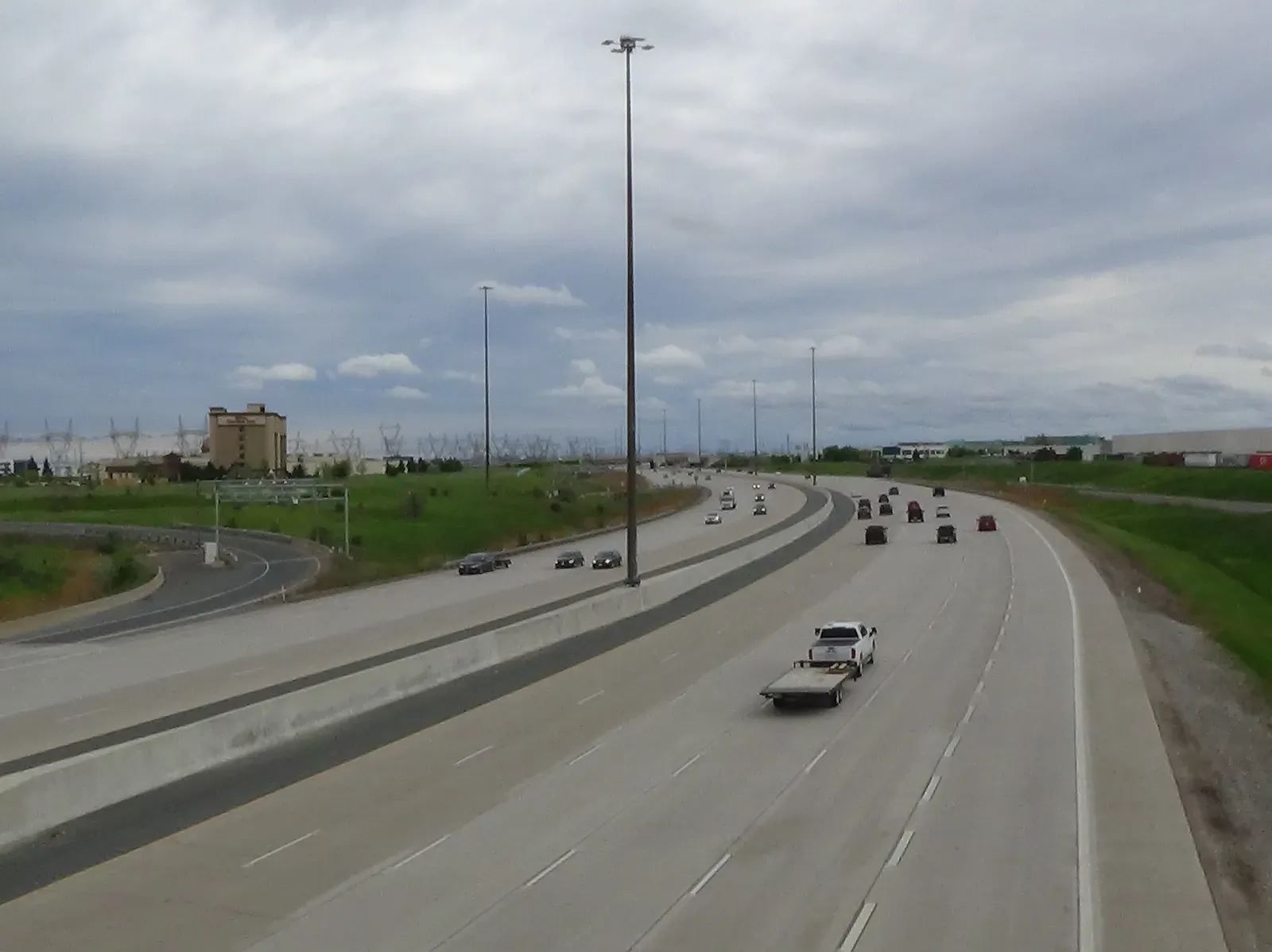
Extending 11.1 miles, the I-215 portion of the beltway provides direct access to Harry Reid International Airport while also serving as a commuter route between Henderson and Paradise in the south reaches of the Las Vegas area. Before this link existed, getting to the airport meant fighting through Strip traffic. I know it sounds obvious now, but that was genuinely painful.
The first section of I-215 opened to traffic in 1996 from I-15 to Warm Springs Road, including the Harry Reid Airport Connector and tunnel, which linked Harry Reid International Airport to southern metro Las Vegas without requiring motorists to use Tropicana Avenue or Russell Road to access the main passenger terminal. That tunnel alone probably saved millions of hours of collective commuting time since its opening. It is one of the beltway’s most genuinely beloved features.
The Rush-Hour Problem That Won’t Go Away

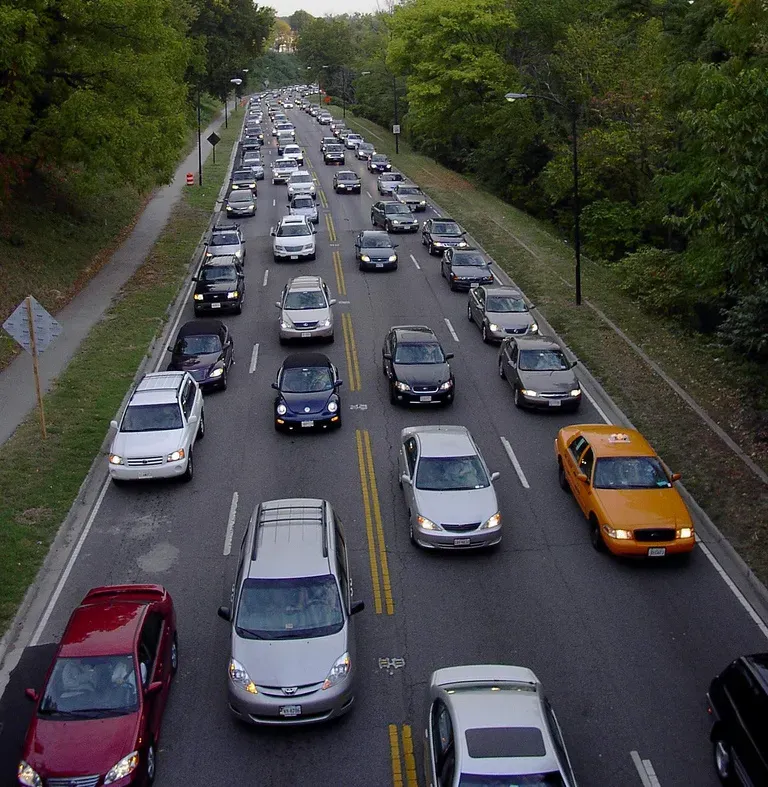
Here is the thing: building a road to relieve congestion does not automatically cure congestion. It just moves it around a bit. Locals who are employed outside of the hospitality industry clog the merge lanes on the I-215 between 7:30 a.m. and 8:30 a.m. and again at 4:30 p.m. and 5:30 p.m., and it’s essentially inevitable. Ask any Henderson commuter about this and you will get a very long answer.
Transportation in Las Vegas is dominated by private vehicles, with roughly four out of every five commuters driving alone, and the average one-way commute runs around 25 minutes. When the vast majority of a valley’s population is driving solo every single day, a beltway is not a luxury. It’s a pressure valve. The trouble is that pressure valves have limits.
Staggering Daily Traffic Volumes

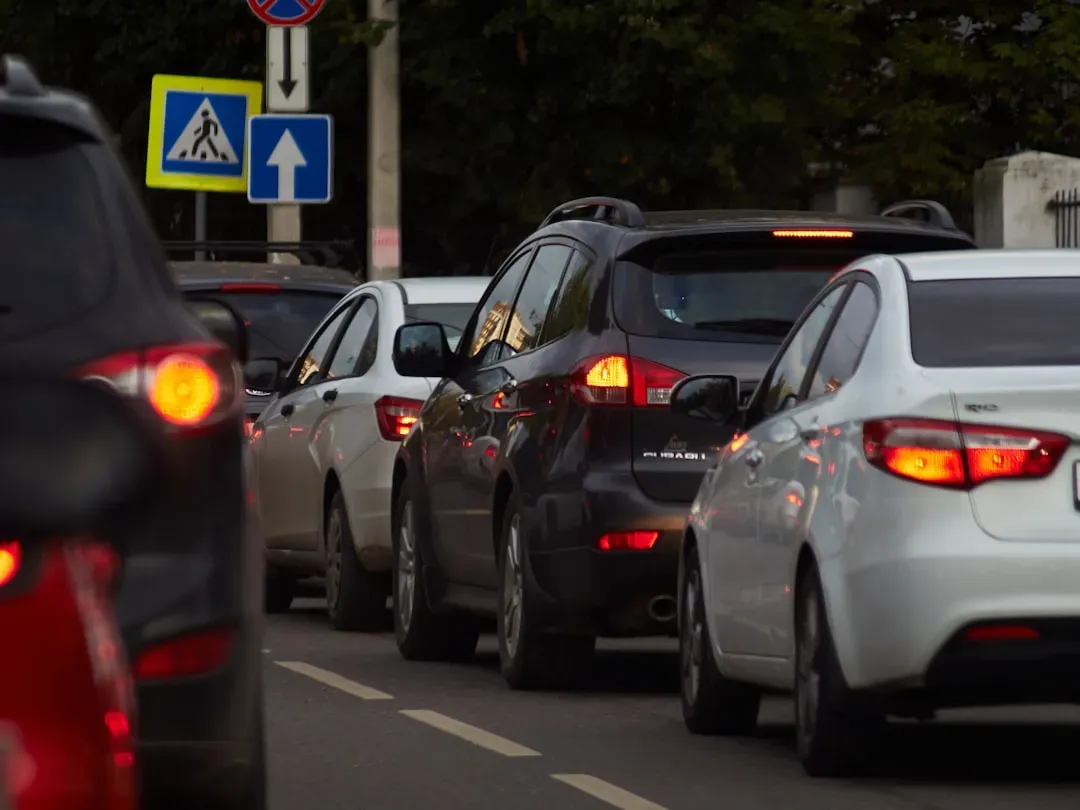
The raw traffic numbers on the 215 are hard to digest without context. The 215 Beltway between Tropicana Avenue and Charleston, for example, sees 108,000 vehicles daily. That is more than one vehicle per second passing a single point on the road, every single day. Think about that for a moment.
Partner offer

NDOT traffic data confirms that stretch of the Beltway sees 108,000 vehicles per day. These numbers explain, better than any editorial could, why widening projects keep coming. Nevada’s own planning documents acknowledge that population in the valley is growing and that this growth will directly increase traffic on freeways and interstates. There is no scenario where the 215 gets quieter without serious structural change to how the region moves people.
A Decade of Non-Stop Construction

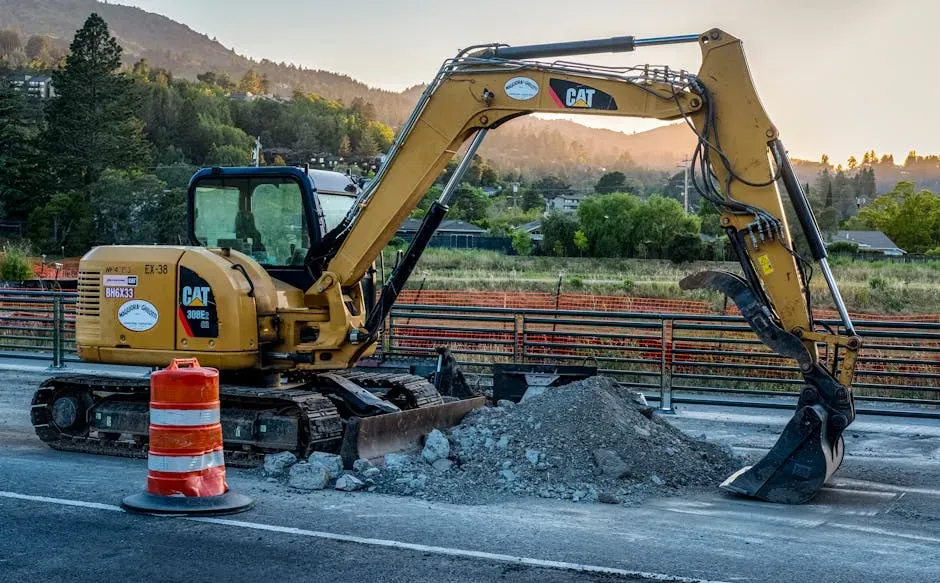
If you have driven the 215 in recent years and thought you were living in one permanent construction zone, you are not imagining things. One widening project on the 215 Beltway, underway since August 2023 between Interstate 15 and Jones Boulevard, involves an $84.6 million investment to add a lane in both directions. That is nearly 85 million dollars for a relatively short stretch of road.
In Henderson, a separate portion of the 215 Beltway also began widening early in 2025 with a $120 million project set to widen the beltway between Pecos Road and a neighboring section, and the project is slated to wrap up in the first quarter of 2027. Two major widening efforts happening at the same time, on the same beltway. It is genuinely hard to find another road in Nevada that has demanded this level of sustained investment over such a compressed timeframe.
The Centennial Bowl: A Milestone Moment

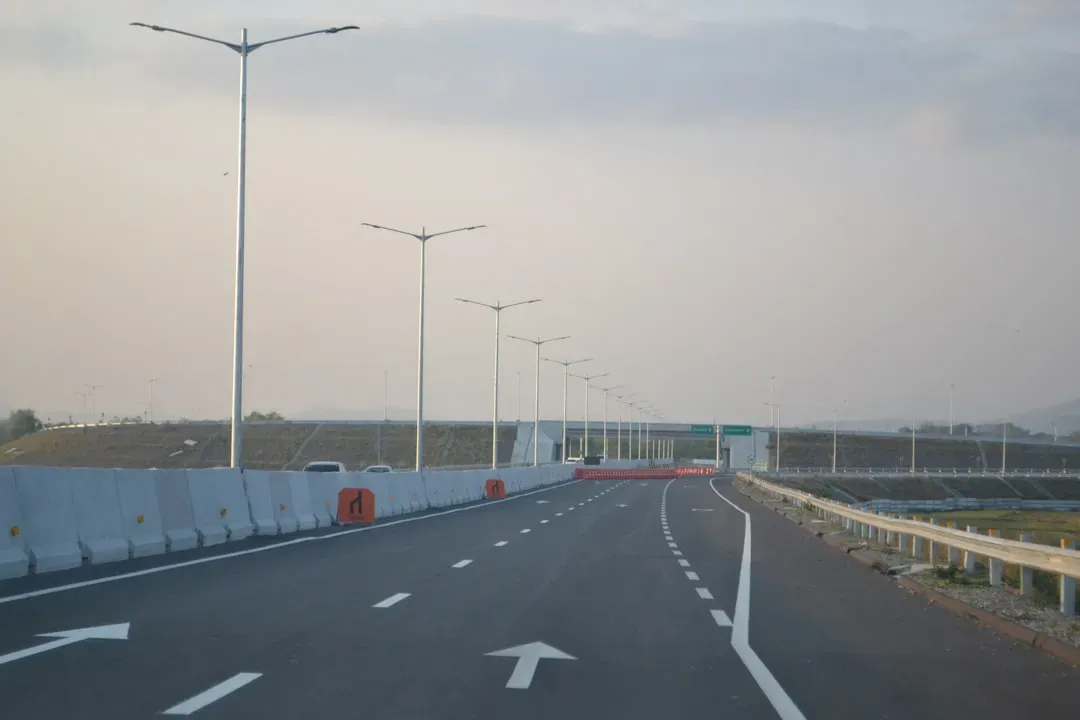
Not everything about the 215 is a complaint. In December 2023, a genuinely important milestone arrived. On December 4, 2023, the $272 million Centennial Bowl project finished construction, eliminating the last remaining traffic signals and interim roadway segment along the beltway and completing the full freeway build-out. For a road that had been in various states of incomplete construction for nearly three decades, that was a big deal.
As a result, the entire beltway is expected to be redesignated I-215, eliminating the CC 215 designation, and turned over to the Nevada Department of Transportation for maintenance. This redesignation would finally unify the beltway under a single, coherent identity. It may seem like a technicality, but for transportation planners, getting an interstate designation means better federal funding access. That matters enormously for the road’s future.
The Summerlin Connection and Suburban Lifeline

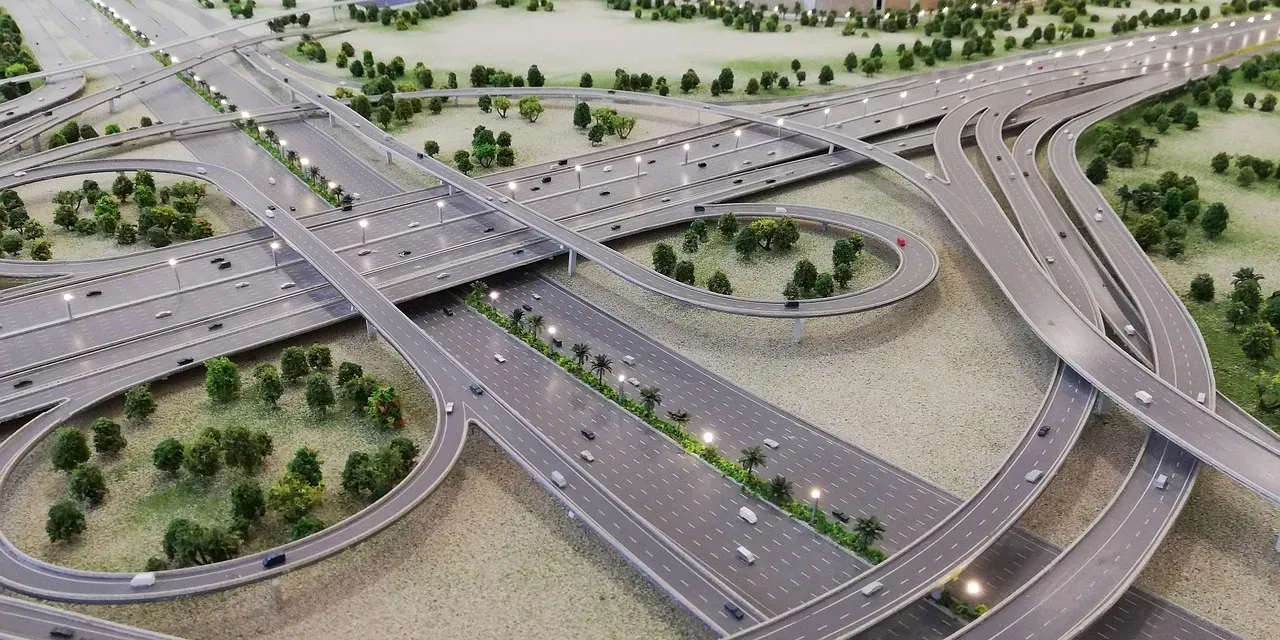
The 215 is not just an abstract highway. For hundreds of thousands of suburban residents, it is the central artery of daily life. Summerlin, a master planned community, houses over 100,000 residents across 22,500 acres of the western valley region, and the Bruce Woodbury Beltway travels the next eight miles through this development community. The beltway and Summerlin essentially grew up together.
Work between February 2025 and February 2028 is reconstructing the exchange joining Clark County Route 215 and Summerlin Parkway, with the $130 million project including a loop ramp from Sunset Run Drive east to CC-215 north and a directional ramp from CC-215 south to Summerlin Parkway east. That is a three-year construction window for a single interchange. It reflects just how critical this connection is to the daily rhythm of an entire community.
Loved for Its Vision, Hated for Its Reality
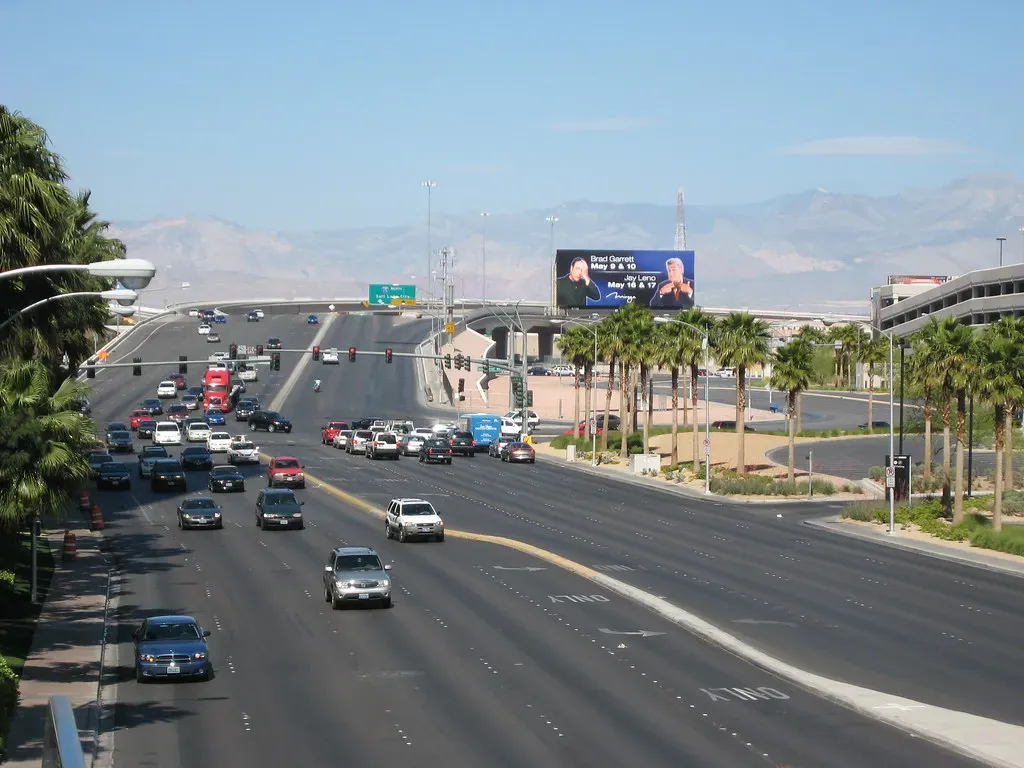
Here is the honest truth: the 215 Beltway is neither a failure nor a triumph. It is both, simultaneously. For getting around the city and bypassing much of the congestion, the Beltway and Desert Inn Road may be the best options available. When it flows, it genuinely saves time and connects the valley in ways that older roads simply cannot.
Still, the experience of driving it day after day, navigating lane shifts, construction zones, and unpredictable merges, wears people down. The beltway circles three-quarters of the Las Vegas Valley and is the largest road project in Southern Nevada history. Largest is not always synonymous with easiest. The ambition of the 215 has always slightly outpaced its execution, and that tension is exactly what makes it Nevada’s most fascinating, frustrating, and indispensable stretch of asphalt.
Conclusion
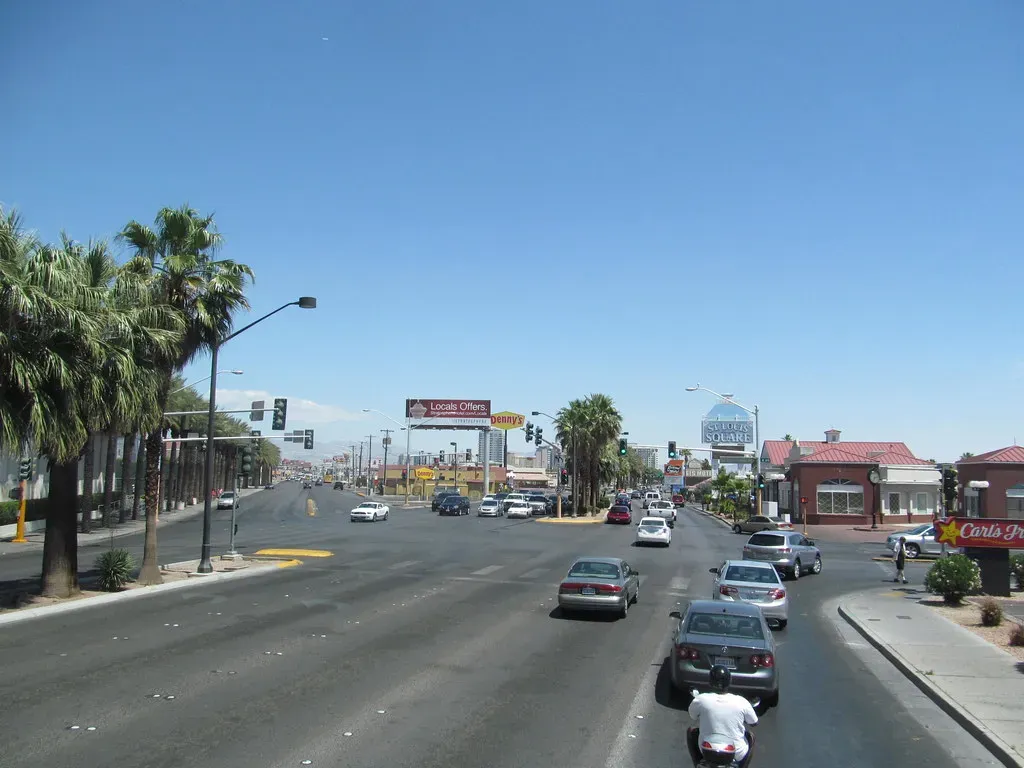
The 215 Beltway is, in many ways, a mirror of Las Vegas itself. It is vast, perpetually under construction, occasionally brilliant, and always a little overwhelming. It solves problems even as it creates new ones, and it connects people to places that would otherwise be unreachable on any reasonable schedule.
What makes it hated is precisely what makes it loved: it is too important to ignore and too busy to enjoy. The next time you sit in traffic on the 215 during evening rush, remember that somewhere ahead of you, someone is racing to the airport, another person is commuting home to Summerlin, and a construction crew is adding yet another lane that will be filled within a year. That is Las Vegas in a nutshell. Would you have expected anything less from a city built in the middle of a desert?
Partner offer
Planning a trip to Vegas?
Compare hotel rates and show tickets on VEGAS.com.