If you’ve walked the Las Vegas Strip recently or scrolled through social media, you’ve probably seen it. That enormous glowing orb wrapped in millions of LED lights, broadcasting everything from eyeballs to planets to holiday greetings. The Sphere isn’t just changing the skyline. It’s rewriting the rules of live entertainment entirely.
While traditional theaters across the United States struggle with declining attendance and shrinking revenues, this massive technological marvel is packing crowds and smashing revenue records. Here’s the thing: the contrast isn’t subtle. The gap between what the Sphere delivers and what conventional venues offer has widened to the point where some industry analysts are calling it a seismic shift. Let’s dive in and see what’s really happening.
The Revenue Numbers Tell a Jaw-Dropping Story
The financial performance of the Sphere is honestly staggering. In 2024, the venue sold 1.3 million tickets and generated $420.5 million in gross revenue, marking the highest annual gross for any venue in Billboard Boxscore’s 50-year history. Let that sink in for a moment.
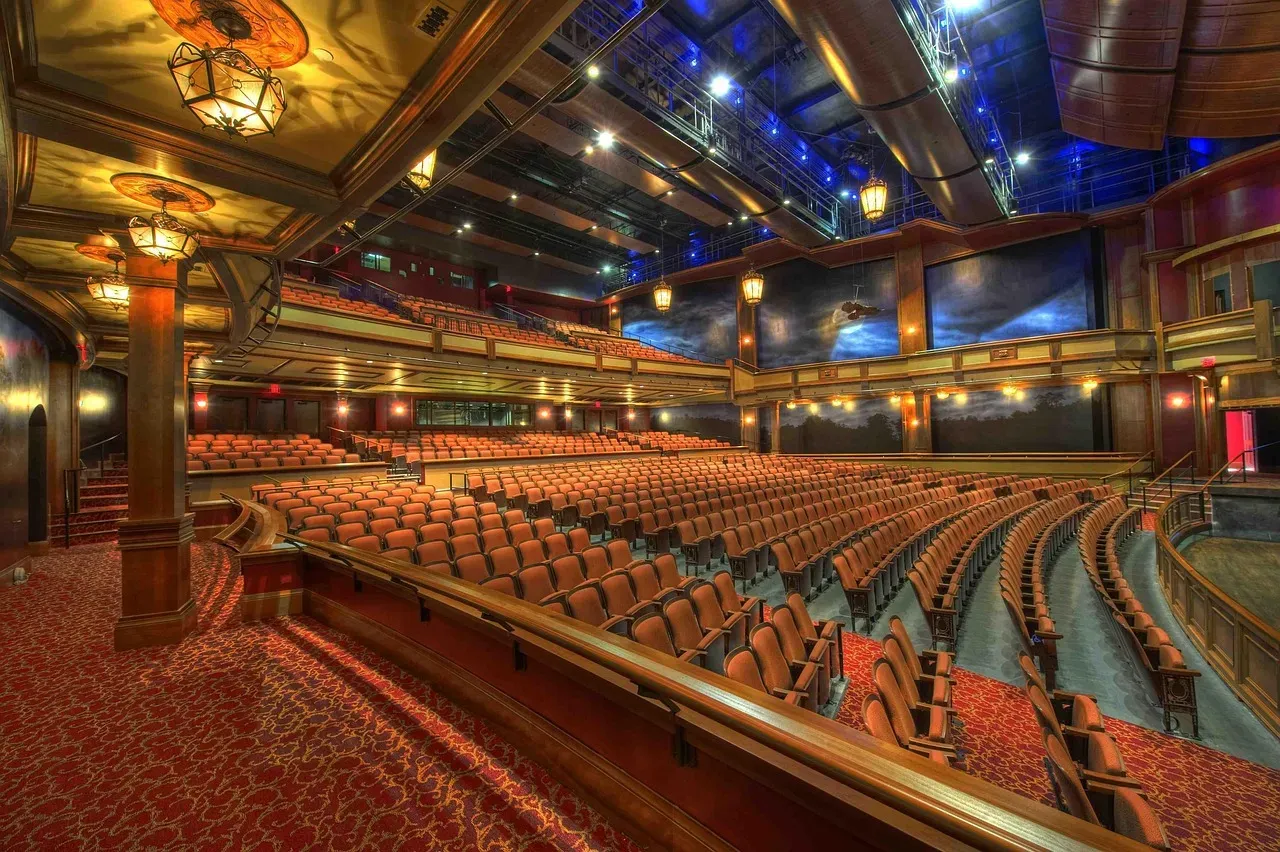
Meanwhile, ticket sales at traditional movie theaters in 2024 fell to $8.7 billion, representing a 23.5% drop from pre-pandemic levels of nearly $11 billion. The Sphere opened in September 2023, yet within just over a year it became the top-grossing venue globally. Traditional theaters, on the other hand, continue to lose ground year after year. The contrast speaks volumes about where audiences want to spend their entertainment dollars.
Immersive Technology Creates an Unforgettable Sensory Journey
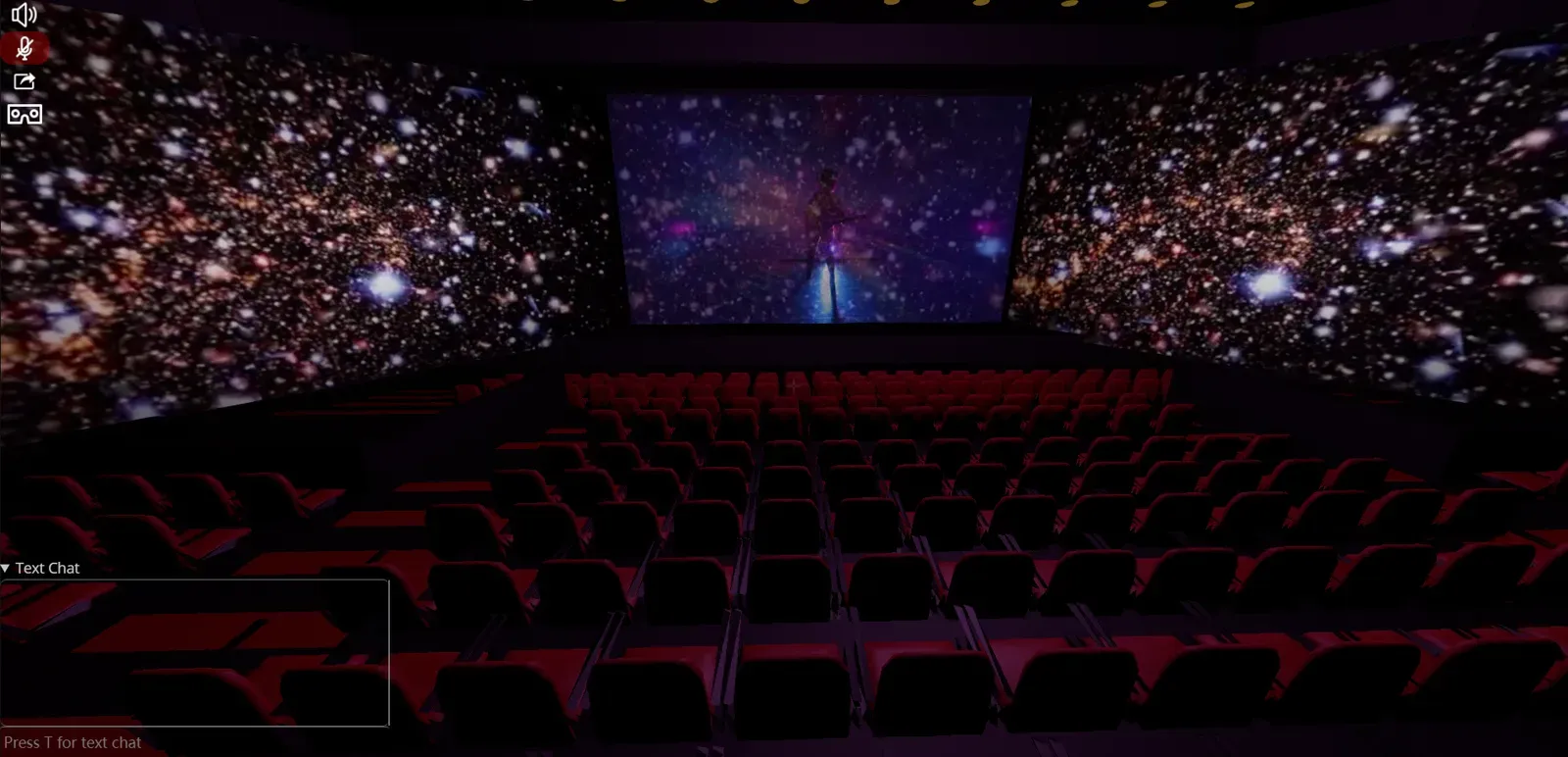
Walking into the Sphere isn’t like entering a typical theater. The venue features a wraparound LED interior screen covering roughly 160,000 square feet with 16K resolution, creating a visual environment that surrounds you completely. It’s hard to describe until you experience it yourself, honestly.
The technology goes beyond visuals. Haptic seating vibrates and moves in sync with the content, while spatial audio systems deliver sound from 160,000 speakers positioned throughout the venue. Environmental effects like scent and temperature changes further enhance immersion. Traditional theaters simply cannot replicate this level of sensory engagement, no matter how many renovations they undertake.
Premium Pricing Drives Higher Revenue Per Visitor

The Wizard of Oz at the Sphere has sold 2.2 million tickets since opening in August 2025, bringing in $290 million in ticket revenue. That’s an average ticket price exceeding $130, with some premium seats pushing well past $200. Compare that to average U.S. theater ticket prices, which hover around $11 to $15.
The premium pricing strategy works because people perceive the Sphere experience as worth the investment. The Sphere Experience generated an estimated $333 million in revenue in 2024 according to J.P. Morgan, nearly double the $188 million from concerts and other events. The willingness to pay reflects a fundamental shift in what audiences value: unique, unrepeatable moments over routine entertainment.
Attendance Rates That Traditional Venues Can Only Dream About
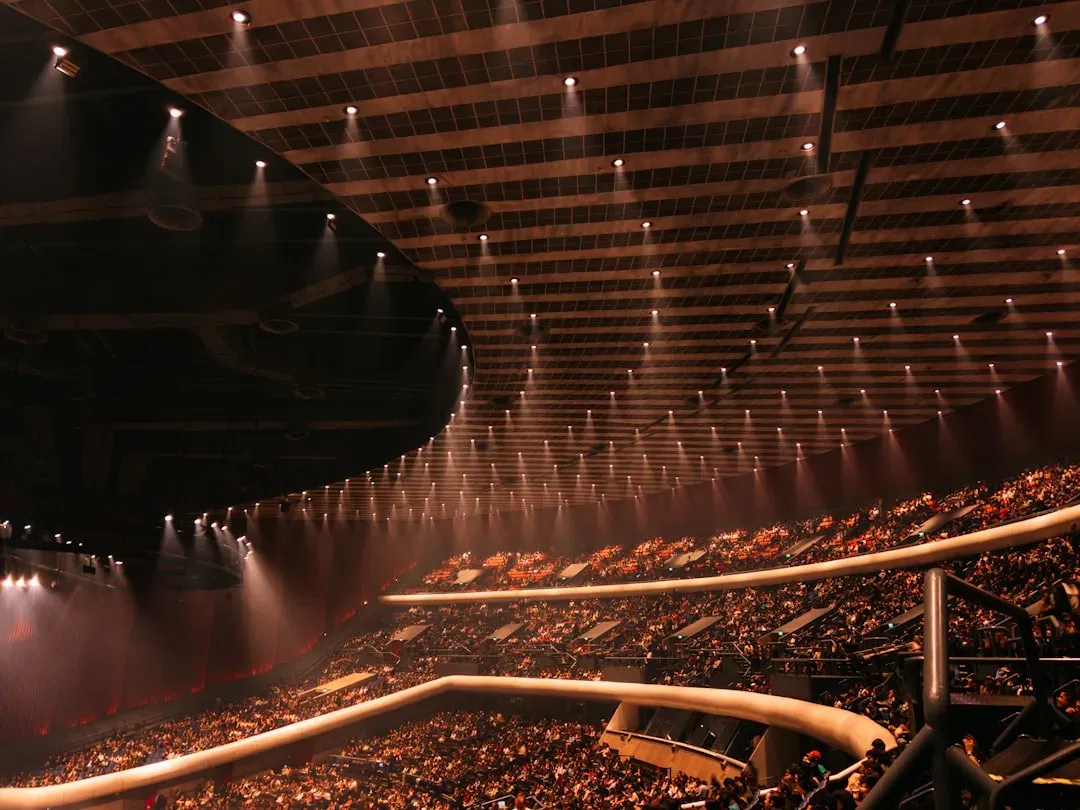
Capacity utilization at the Sphere consistently exceeds expectations. Early shows achieved attendance rates between 80 and 90 percent, numbers that many Broadway productions would envy. The venue holds between 17,500 and 20,000 people depending on configuration, and it fills those seats show after show.
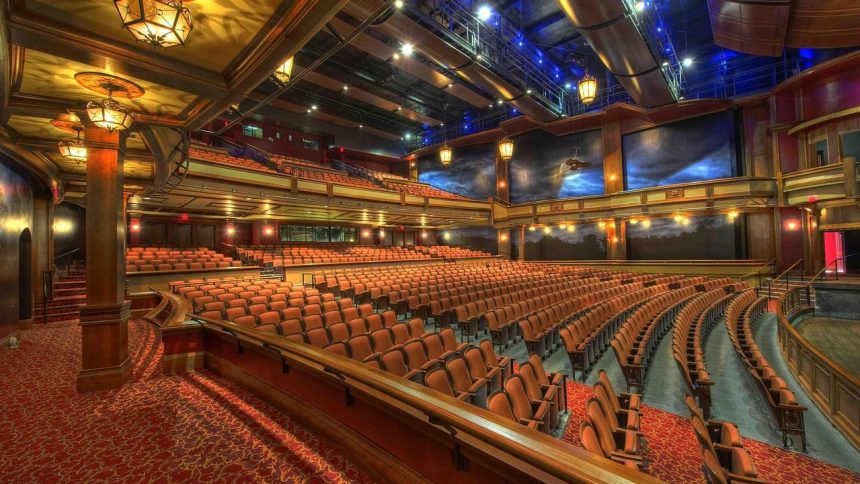
Traditional theaters face the opposite problem. In 2024, the film industry sold just 817.9 million tickets domestically, a 34% drop from the 1.225 billion tickets sold in 2019. Theaters are closing at alarming rates, with roughly 5,700 screens shutting down since the pandemic. The Sphere’s success highlights a brutal truth: audiences haven’t stopped going out, they’ve just stopped going to outdated venues.
The Experiential Entertainment Boom Is Accelerating
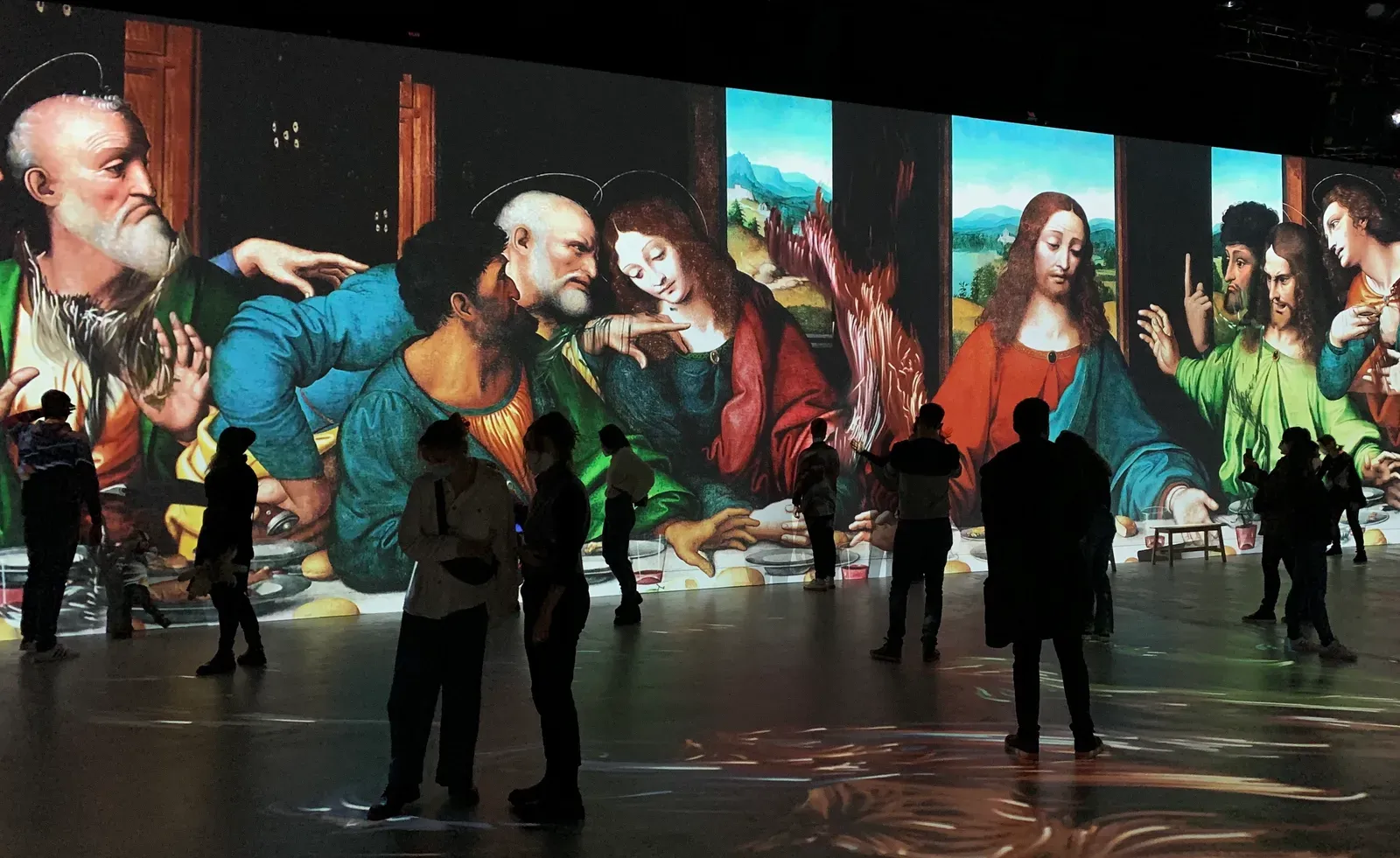
The Sphere benefits from broader market trends favoring immersive experiences over passive viewing. The Immersive Entertainment Market is expected to reach $144.17 billion in 2025 and grow at a CAGR of 23.41% to reach $412.69 billion by 2030. That’s explosive growth that traditional entertainment simply cannot match.
U.S. immersive experiences’ revenues reached $3.9 billion in 2024, reflecting an average annual growth rate of 21% since 2019, when the market was valued at $1.5 billion. People increasingly prioritize experiences over material goods, and they’re willing to travel and pay premium prices for something truly memorable. The Sphere sits at the center of this cultural shift.
Las Vegas Tourism Data Shows Shifting Visitor Priorities
Las Vegas visitors have always sought spectacle, but their priorities are evolving. Tourism data shows that guests increasingly prioritize unique immersive attractions over traditional casino shows and standard entertainment offerings. The Sphere benefits from this shift by offering something visitors literally cannot experience anywhere else on Earth.
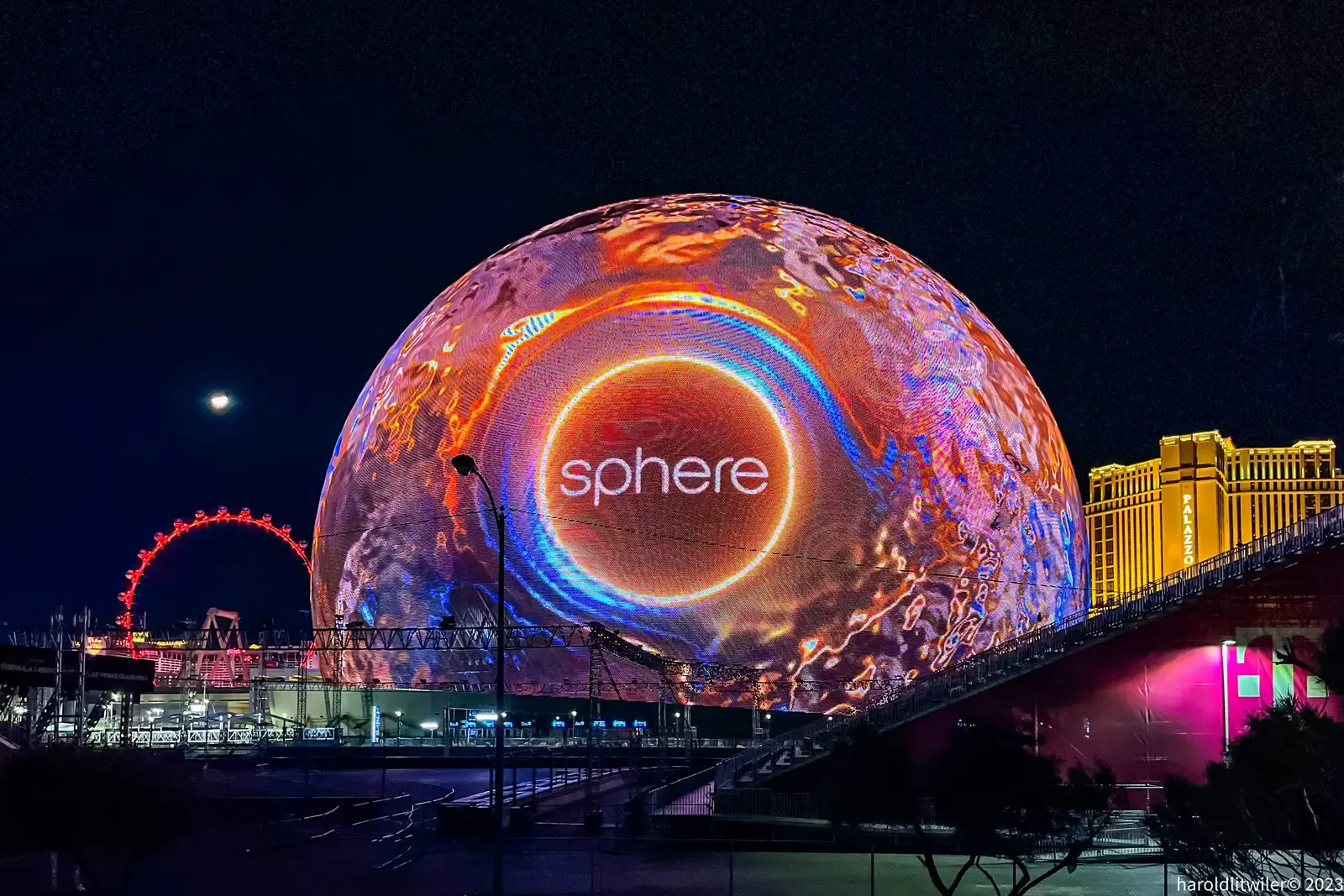
The venue’s location next to The Venetian Resort provides easy access, while its exterior LED display has become a destination in its own right. Millions stop to photograph and video the Exosphere, generating massive free publicity that traditional theaters rarely achieve. This organic social media amplification drives foot traffic and ticket sales in ways conventional marketing cannot replicate.
Social Media Impact Creates Unprecedented Free Marketing
Speaking of social media, the Sphere’s exterior display has generated countless millions of impressions across platforms. Every time the Exosphere displays a new animation, people share it globally. This creates a self-perpetuating marketing cycle that traditional theaters cannot access.
Traditional venues spend heavily on advertising with diminishing returns. The Sphere’s architecture does the marketing for them. It’s visible from the airport, from surrounding hotels, and throughout Las Vegas. This visibility translates directly into ticket demand and sustained audience interest over time.
The Content Refresh Cycle Keeps Audiences Coming Back
One massive advantage the Sphere holds over traditional theaters involves content flexibility. The venue can switch between different shows throughout the day, from “The Wizard of Oz” in the afternoon to concert residencies in the evening. Traditional theaters lock into productions that run for months or years with minimal changes.
Sphere Las Vegas is slated to host 100 concerts in 2025, up from 70 in 2024. The ability to refresh content rapidly means the venue never feels stale. Audiences can return multiple times throughout the year for completely different experiences. This flexibility drives repeat visitation in ways traditional fixed-programming venues cannot achieve.
Traditional Theaters Face a Perfect Storm of Challenges
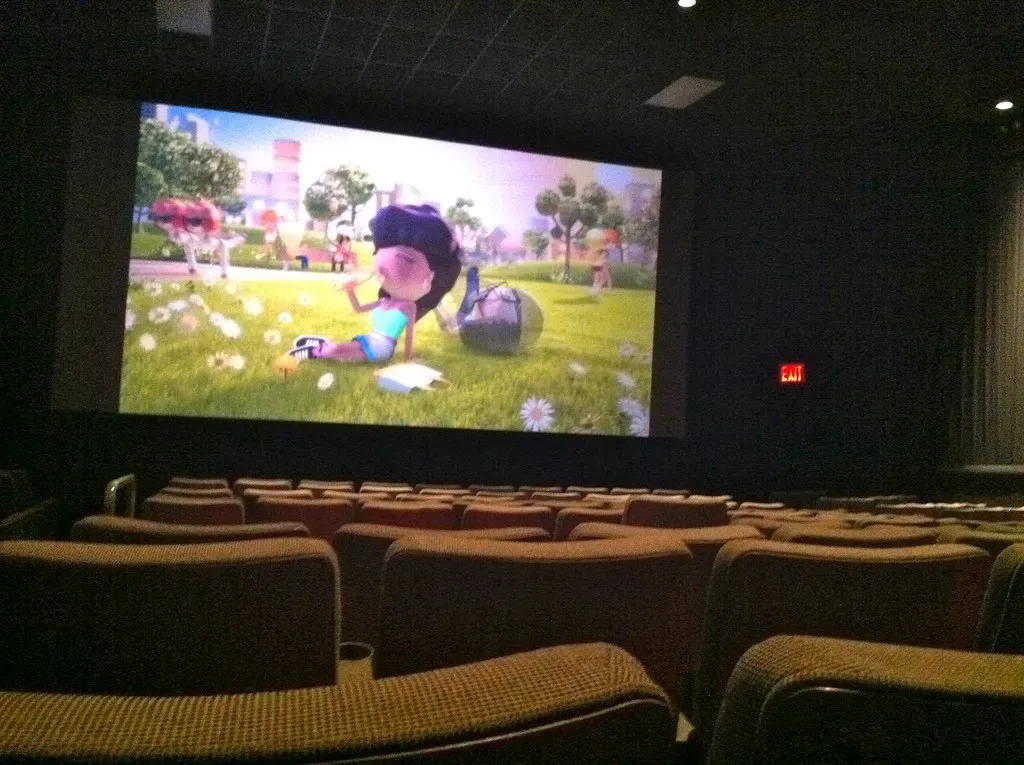
The struggles facing conventional venues go beyond simple competition. According to a Wall Street Journal survey, 65% of Americans prefer to watch a movie at home, compared with 35% that prefer theaters. Streaming services, shorter theatrical windows, and improved home entertainment systems have fundamentally altered the value proposition of traditional theaters.
Americans have dropped from nearly 4 trips to the movies per year to less than 2, with movie tickets purchased per person declining from 5.1 in 2004 to a projected 1.8 in 2024. The structural decline isn’t temporary. It reflects changed preferences that favor convenience and home viewing for standard content. Meanwhile, the Sphere thrives because it offers something home systems cannot replicate.
The Multi-Sensory Advantage Justifies Premium Investment
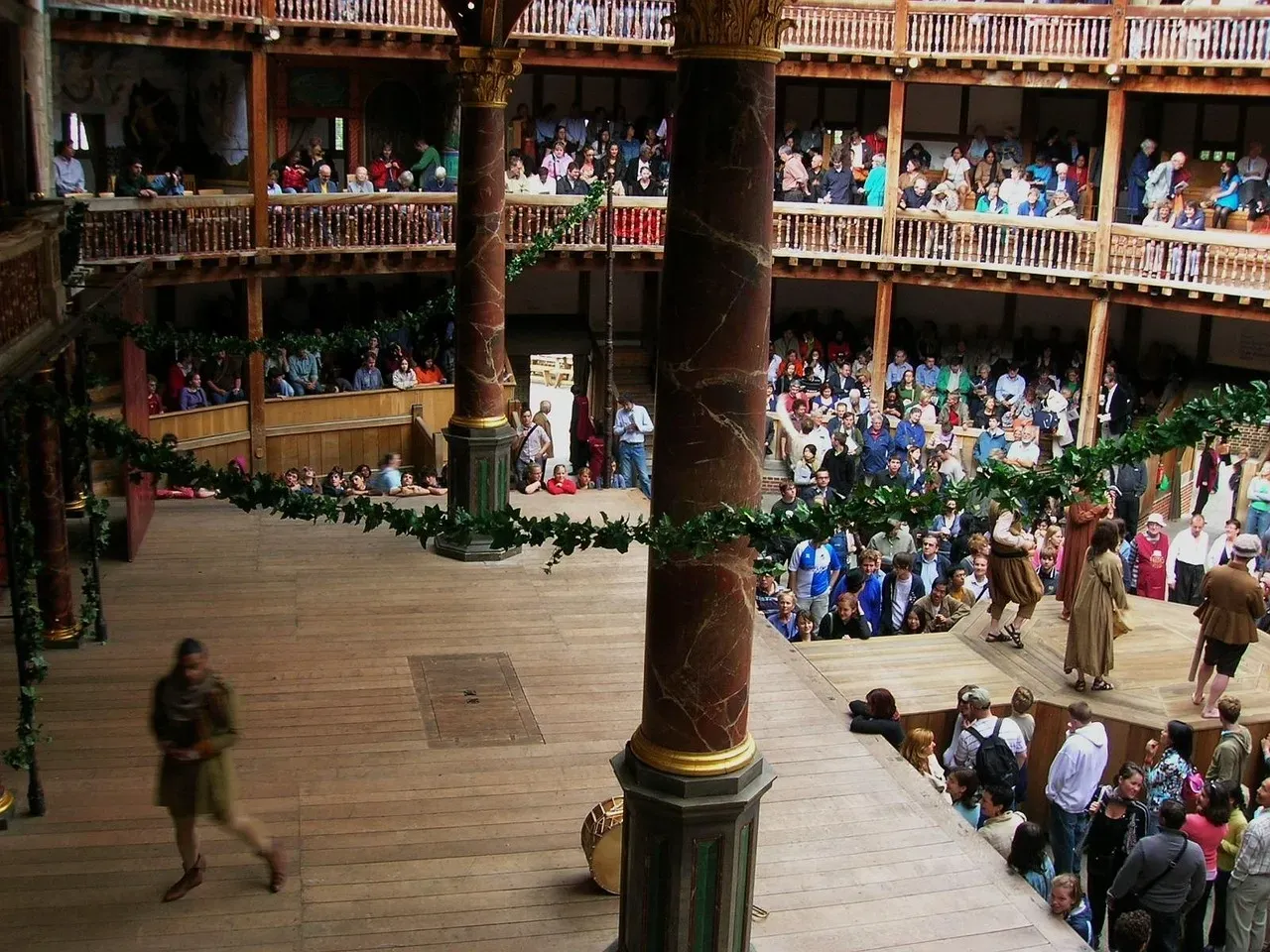
Research consistently shows that multi-sensory experiences increase audience engagement and willingness to pay. The Sphere leverages this principle expertly. Haptic seats, scent effects, spatial audio, and overwhelming visuals combine to create memories that last far longer than traditional shows.
Traditional theaters offer primarily visual and auditory stimulation. Even premium formats like IMAX focus mainly on larger screens and better sound. The Sphere integrates multiple sensory channels simultaneously, creating a qualitatively different experience. This difference matters enormously to audiences deciding where to spend limited entertainment budgets.
Looking Ahead: Expansion Plans Signal Confidence
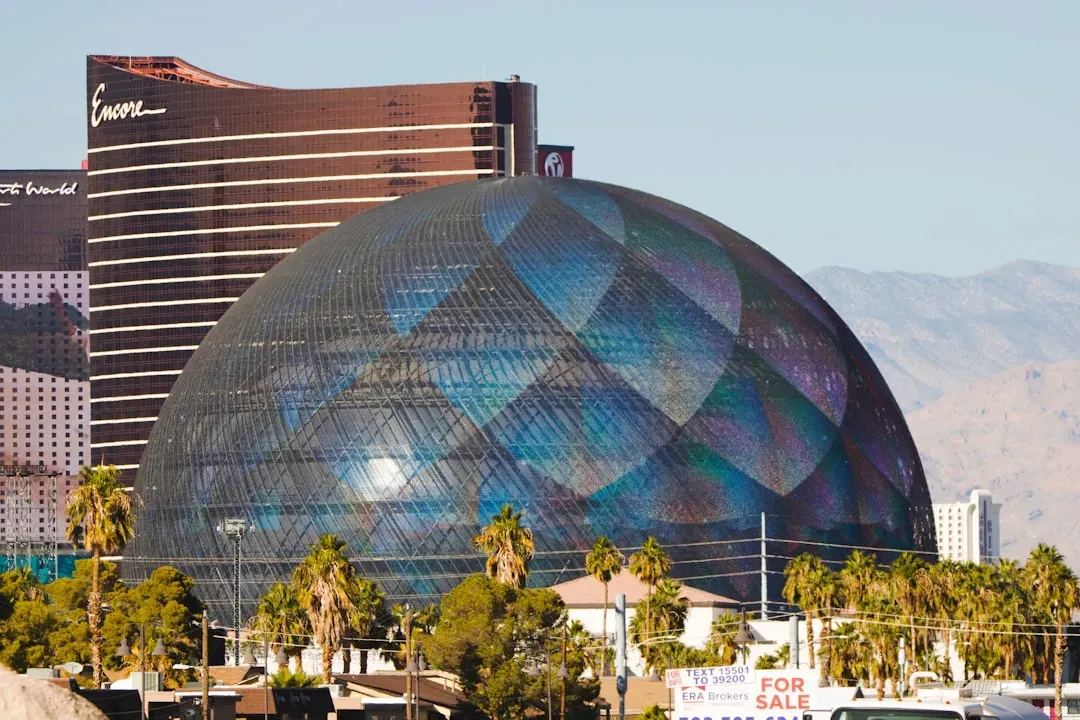
The Las Vegas Sphere ranked first on both Billboard’s and Pollstar’s lists of the top-grossing venues worldwide in 2025. Success at this scale rarely goes unnoticed. The company is already building a second location in Abu Dhabi, with additional venues planned for Maryland and potentially international markets.
The next two Spheres are set for Abu Dhabi and Maryland’s National Harbor, with the $2.3 billion Las Vegas venue serving as the first step in global ambitions. This expansion signals that industry leaders view the immersive venue model as sustainable and scalable. Traditional theater chains, meanwhile, continue closing locations and filing for bankruptcy protection. The contrast could not be starker.