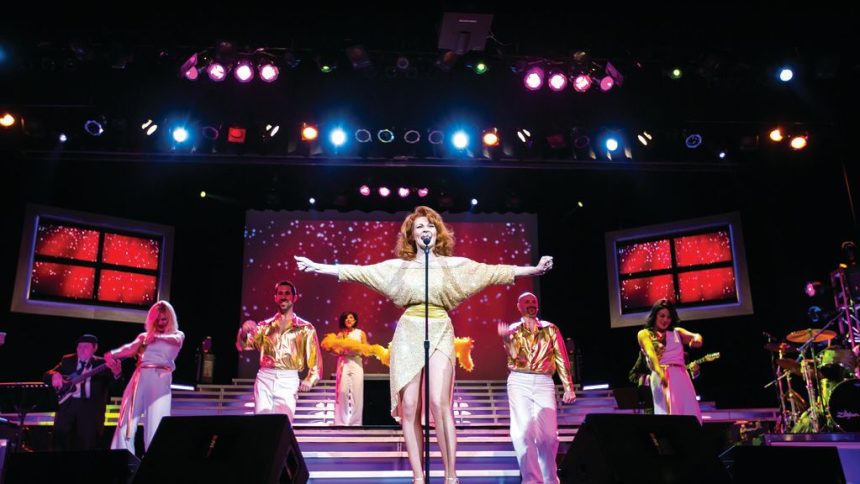
We live in an age obsessed with nostalgia. Every other week, there’s a reboot, a sequel, or some half-hearted tribute to something we loved twenty years ago. Yet while Hollywood recycles the same familiar faces and franchises, there’s a whole roster of genuine icons who’ve slipped through the cracks of collective memory. These aren’t one-hit wonders or fleeting trends. These are artists, performers, and cultural forces who shaped entire movements, only to watch younger generations scroll past them without recognition.
Las Vegas has always been the ultimate stage for reinvention, a place where legends are made and remade. The city knows better than anywhere that what’s old can become thrilling again with the right spotlight. So let’s talk about the names that deserve to reclaim their place in the cultural conversation.
Charo: The Guitar Virtuoso Hidden Behind the Catchphrase
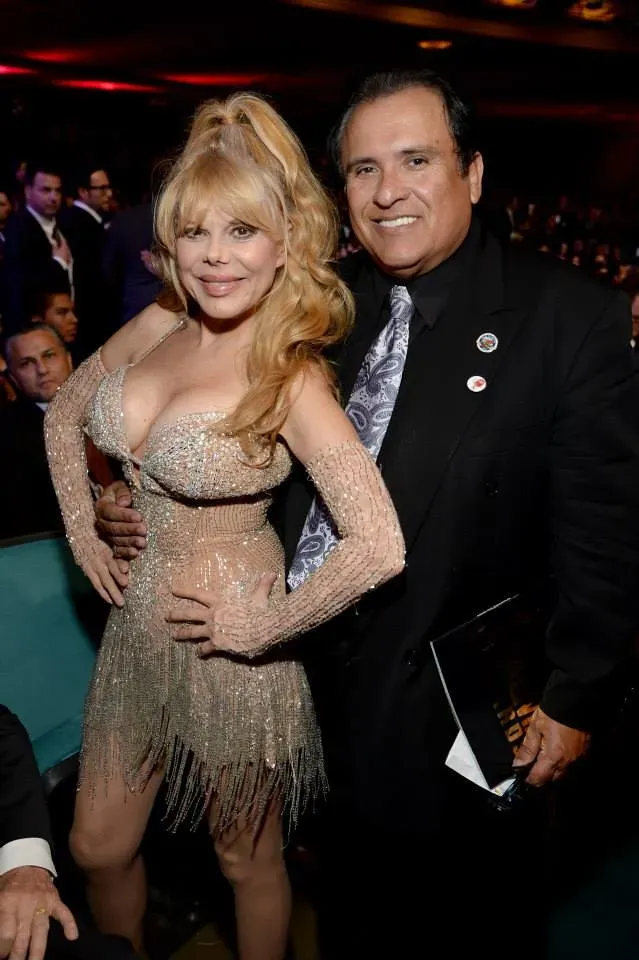
Most people remember Charo as the flamboyant personality who showed up on every variety show in the seventies, shaking her hips and shouting “cuchi cuchi.” What they don’t realize is that beneath the glittering persona was a classically trained flamenco guitarist who studied under the legendary Andrés Segovia. She could play circles around most modern guitarists, but her comedic timing and theatrical presence overshadowed her genuine musical mastery.
Vegas embraced Charo for decades. She headlined shows on the Strip well into the 2000s, proving her staying power in a town that chews up acts and spits them out. Yet somewhere along the way, mainstream culture dismissed her as kitsch. The current generation of music fans obsesses over technical skill and authenticity. Charo has both in spades, wrapped in a package that refuses to apologize for being entertaining. That kind of unapologetic confidence feels remarkably modern.
If TikTok discovered her shredding a classical guitar piece in full sequined glory, she’d go viral in seconds. The platform loves unexpected talent reveals. Charo’s whole career was an unexpected talent reveal that nobody took seriously enough.
Eartha Kitt: The Voice That Made Catwoman Purr
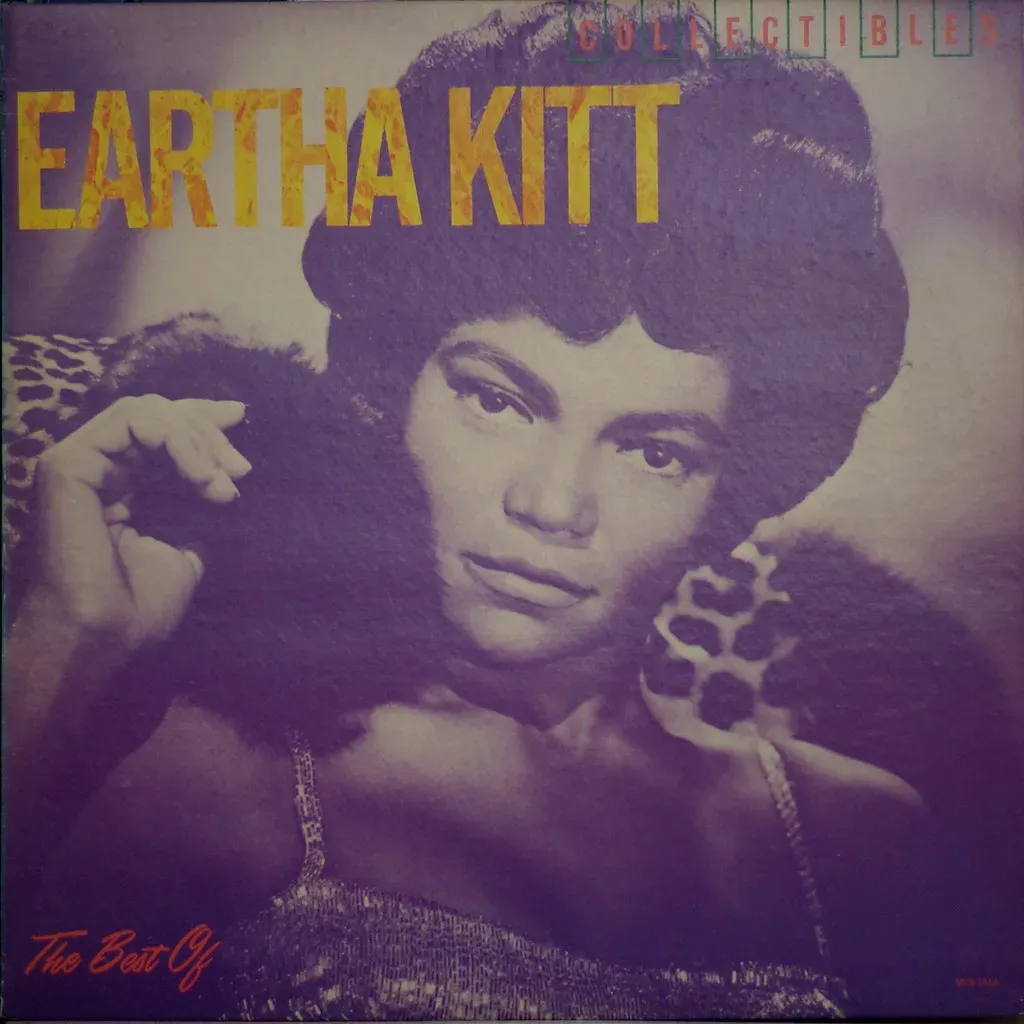
Eartha Kitt’s sultry voice and feline mystique made her the definitive Catwoman for an entire generation. She brought a sophisticated danger to the role that later interpretations have tried to recapture but never quite matched. Beyond Batman, she was a chanteuse who commanded stages worldwide, singing in multiple languages and captivating audiences with a presence that felt simultaneously elegant and wild.
Here’s what makes her story compelling now. Kitt spoke truth to power in ways that destroyed her career for years. When she criticized the Vietnam War at a White House luncheon in 1968, the CIA literally opened a file on her. She was blacklisted, investigated, and essentially exiled from American entertainment. She rebuilt her career internationally, returning to the States years later with her dignity intact and her talent undiminished.
In an era where we celebrate artists who use their platforms for activism, Kitt’s story reads like a blueprint. She paid a price that would terrify most modern celebrities, yet she never backed down. Las Vegas eventually welcomed her back with open arms, recognizing what the rest of the country had foolishly cast aside. Her resilience deserves recognition beyond the occasional meme about her iconic laugh.
Liberace: The Original King of Spectacle
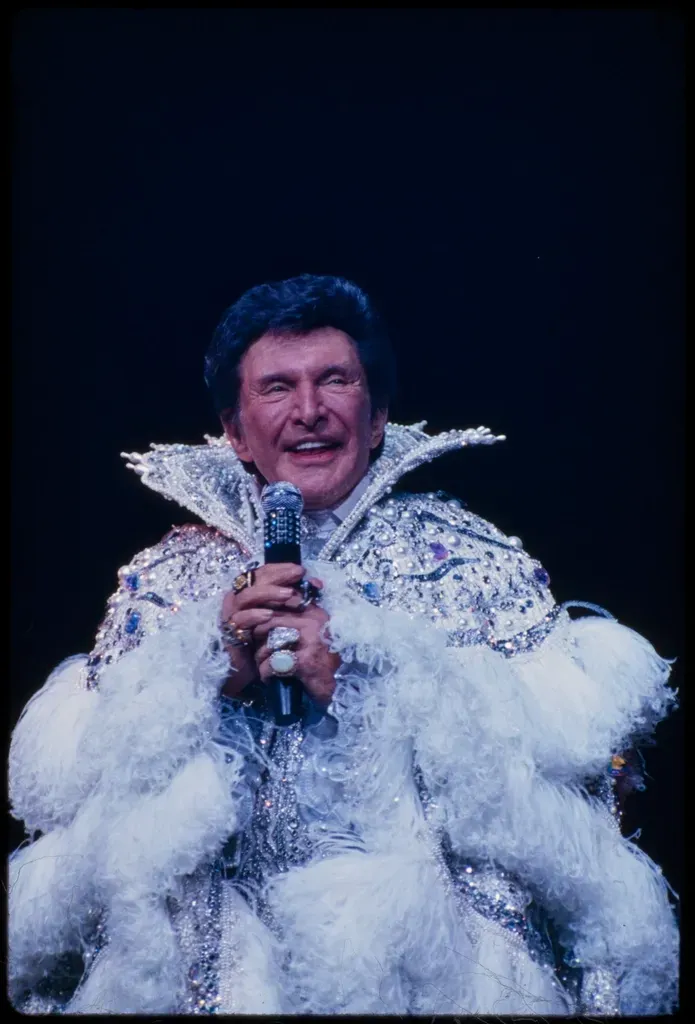
Liberace was Vegas before Vegas fully knew what it wanted to be. His candelabra-topped pianos, rhinestone capes, and unabashed grandeur set the template for Strip showmanship. He understood something fundamental about entertainment that too many performers forget. Give people a show they can’t look away from, even if they claim it’s too much.
Today’s pop stars owe him more than they realize. The elaborate costumes, the theatrical sets, the understanding that a concert is theater as much as music. Liberace pioneered all of it. He was also openly flamboyant in an era when that could end a career, navigating his identity with a wink and a smile that somehow let him transcend the prejudices of his time.
His technical skill as a pianist was legitimate. He could play Chopin and Rachmaninoff with genuine virtuosity, then pivot to a show tune with the same fingers. The spectacle never diminished the substance. Modern audiences hungry for performers who deliver both artistry and entertainment would absolutely embrace his approach. Las Vegas still remembers. His museum drew visitors until it closed, proving his appeal endures beyond the nostalgia crowd.
Ann-Margret: More Than Elvis’s Co-Star
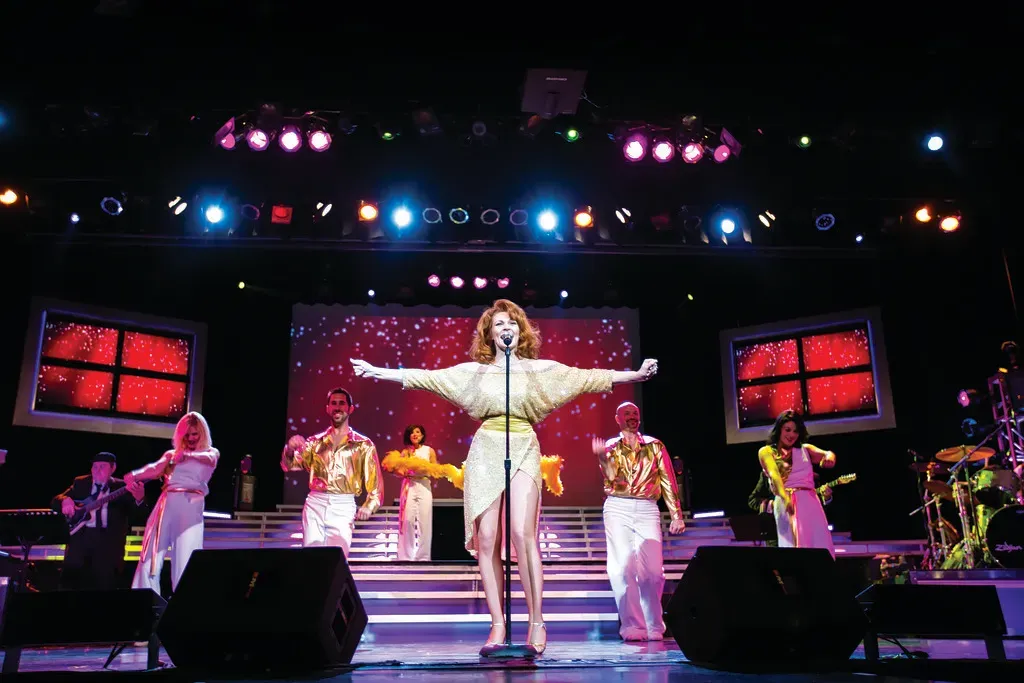
Ann-Margret gets remembered, if at all, as the sultry redhead from “Viva Las Vegas” who had chemistry with Elvis. That’s selling her incredibly short. She was a triple threat who could sing, dance, and act with equal skill, earning five Golden Globe Awards and two Oscar nominations across a career spanning six decades. Her performances in “Carnal Knowledge” and “Tommy” showcased dramatic range that demolished the sexpot stereotype Hollywood tried to trap her in.
Vegas was her second home. She performed residencies on the Strip for years, delivering high-energy shows that left audiences breathless. Even into her seventies, she commanded stages with a vitality that put performers half her age to shame. There’s footage of her dancing and singing that would shock anyone who only knows her as a vintage pinup.
In the current landscape where older actresses struggle for meaningful roles, Ann-Margret’s longevity and versatility offer a roadmap. She refused to fade gracefully into retirement, instead continuing to work and evolve. That kind of determination deserves celebration, not footnote status in Elvis documentaries.
Sammy Davis Jr.: The Multitalented Performer Who Broke Barriers
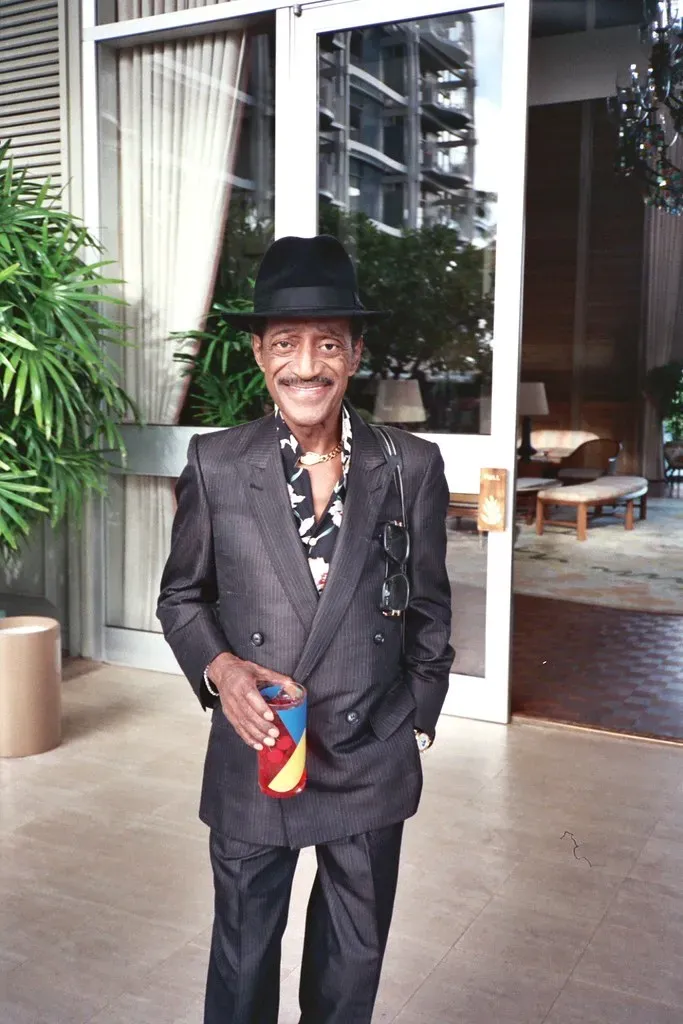
Everyone knows Frank Sinatra. Many remember Dean Martin. Sammy Davis Jr., arguably the most talented member of the Rat Pack, often gets relegated to supporting player in their story. Yet Davis could sing, dance, act, do impressions, play multiple instruments, and command a stage with a charisma that was absolutely magnetic. He was a one-man variety show who could do everything better than almost anyone.
His story is complicated in ways that make him even more relevant now. He navigated racism in the entertainment industry while performing at venues that wouldn’t let him stay as a guest. He married a white actress when interracial marriage was illegal in thirty-one states. He converted to Judaism. He hugged Richard Nixon. His choices sometimes baffled people, but they reflected someone trying to survive and succeed in a world determined to limit him.
Las Vegas eventually embraced Davis fully, but even there he faced discrimination in the early years. His persistence and undeniable talent forced doors open. Today’s conversations about representation and the cost of breaking barriers would benefit from examining his journey. He wasn’t perfect, but he was phenomenally gifted and braver than most people realize.
Mitzi Gaynor: The Dancer Hollywood Forgot
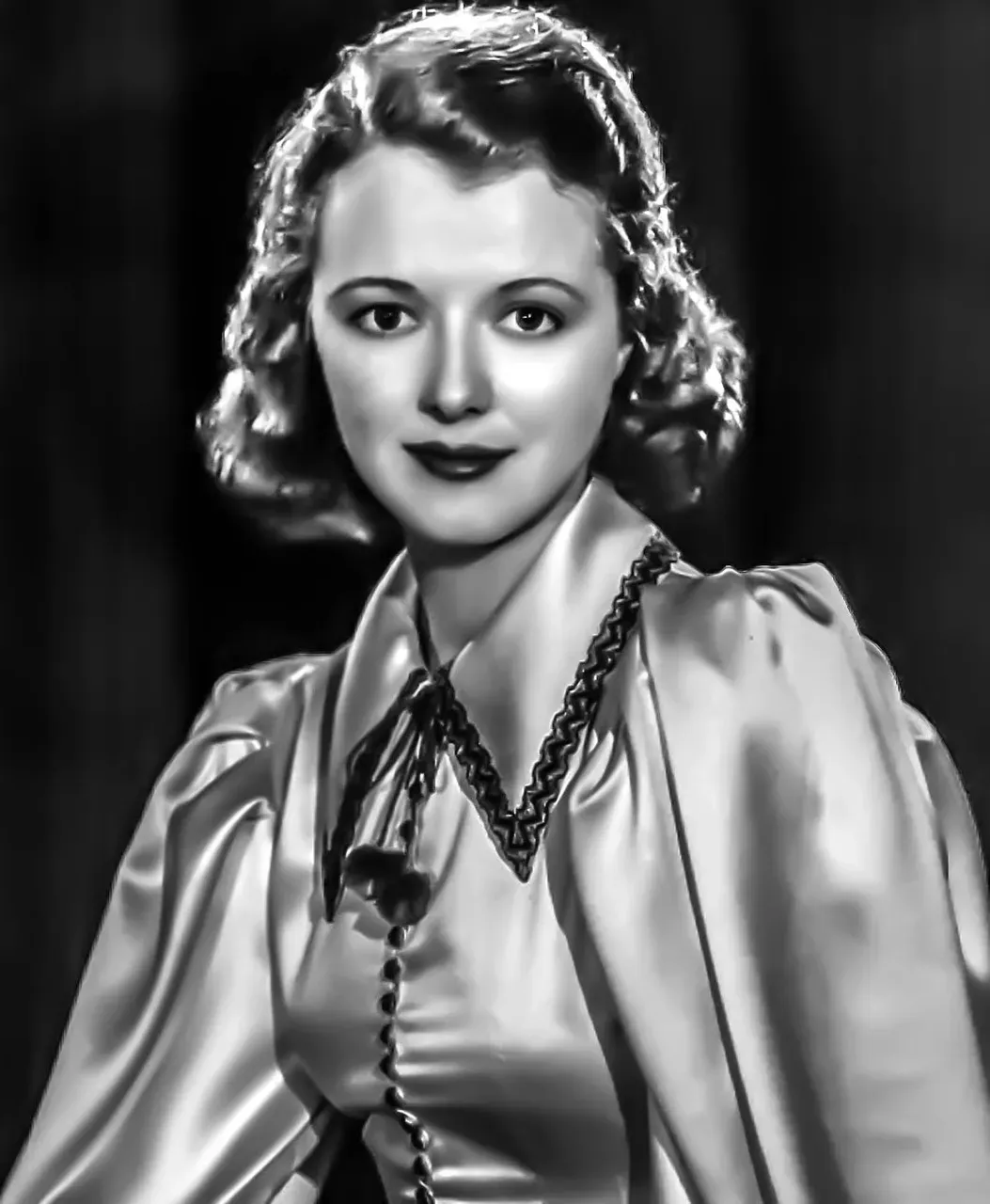
Mitzi Gaynor starred in “South Pacific,” one of the most successful movie musicals ever made. She was a trained dancer and singer who held her own in an era packed with legendary performers. Then Hollywood basically forgot she existed. Her film career stalled while less talented contemporaries continued getting roles, a pattern that reveals the industry’s fickleness more than any lack of ability on her part.
She pivoted to live performance, creating elaborate stage shows that toured successfully for years. Vegas became a home base where her talent for spectacle and dance could shine without Hollywood’s arbitrary gatekeeping. Her shows were technical marvels, combining precision choreography with glamorous production values that audiences loved.
There’s something admirable about building a second career when the first one inexplicably evaporates. Gaynor did exactly that, finding success outside traditional channels. In an industry obsessed with comeback narratives, her story offers a different kind of inspiration. Sometimes you don’t need Hollywood’s approval. You just need an audience that appreciates what you do.
The Rat Pack’s Women: More Than Arm Candy
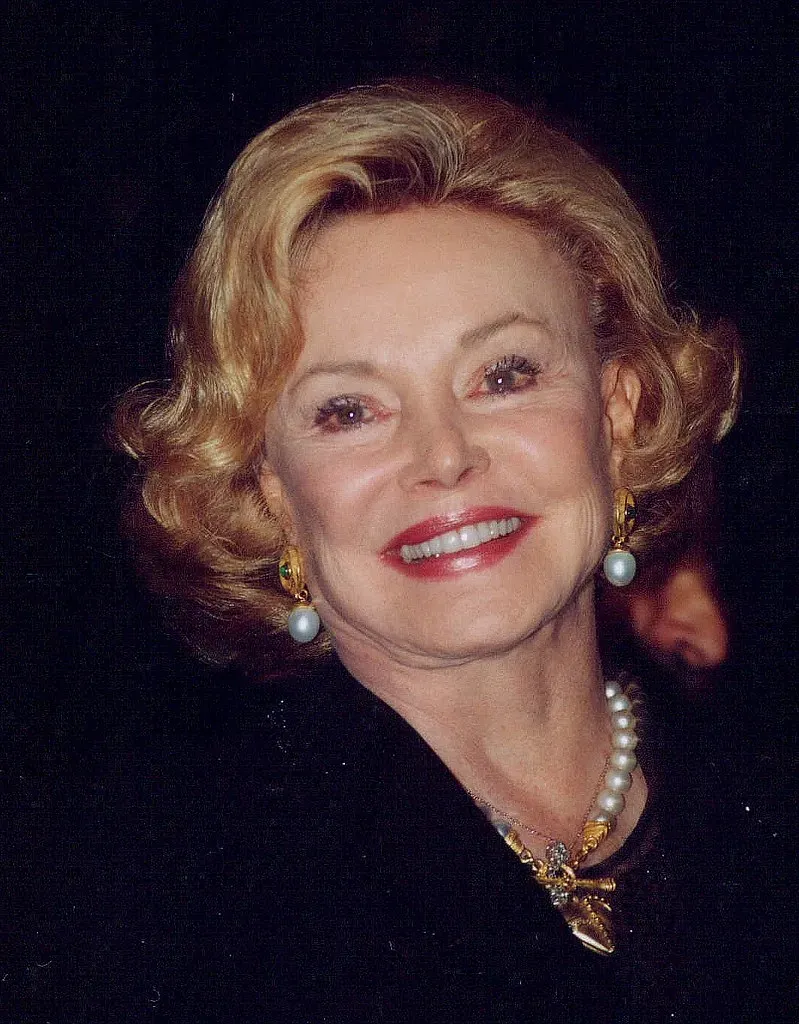
History remembers the Rat Pack as this cool boys’ club of Frank, Dean, and Sammy taking over Vegas. What gets glossed over are the phenomenally talented women who shared those stages and sometimes outperformed the men. Shirley MacLaine, Angie Dickinson, and Juliet Prowse were all accomplished performers in their own right, not just glamorous accessories to the main show.
MacLaine won an Oscar and built a film career that spanned decades. Dickinson became a television icon. Prowse was a dancer who Sinatra himself called one of the most talented performers he’d ever seen. Yet when people talk about Vegas in its golden era, these women become background characters in someone else’s story.
Giving them proper recognition means acknowledging that the entertainment landscape of that era was richer and more complex than the simplified version we’ve inherited. These women navigated sexism, ageism, and an industry that valued their looks over their talent. They succeeded anyway. That’s worth remembering.
The Verdict

These performers shaped entertainment in ways we still feel but rarely acknowledge. They broke barriers, redefined what was possible on stage, and proved that talent and determination could overcome almost any obstacle. Vegas embraced them when other venues wouldn’t, creating a legacy that the city still draws from today.
Bringing them back into the cultural conversation isn’t about living in the past. It’s about recognizing that the past has something valuable to teach us. These legends understood entertainment in ways worth preserving and studying. They represent a completeness of skill and a dedication to craft that feels increasingly rare. Maybe it’s time we stopped scrolling toward the next thing long enough to appreciate what we’ve left behind.
What do you think? Do any of these legends deserve more recognition, or are there other forgotten performers who shaped Vegas that we missed? Share your thoughts in the comments.