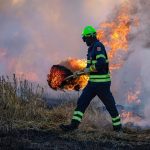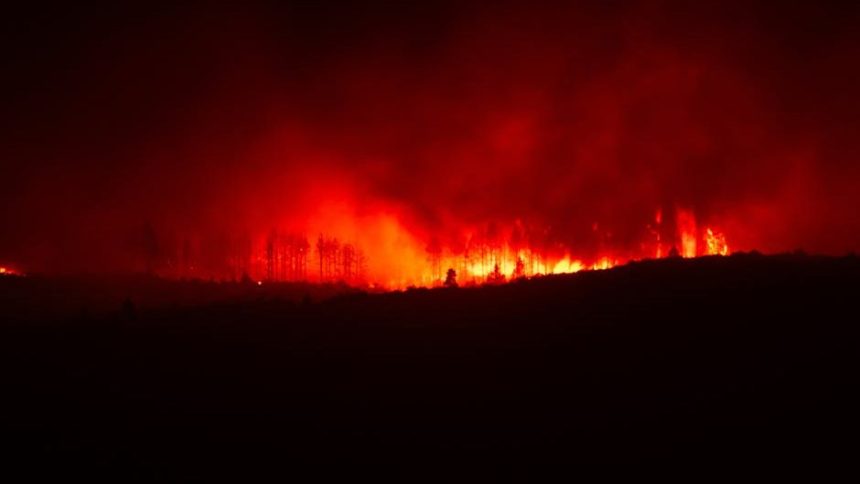
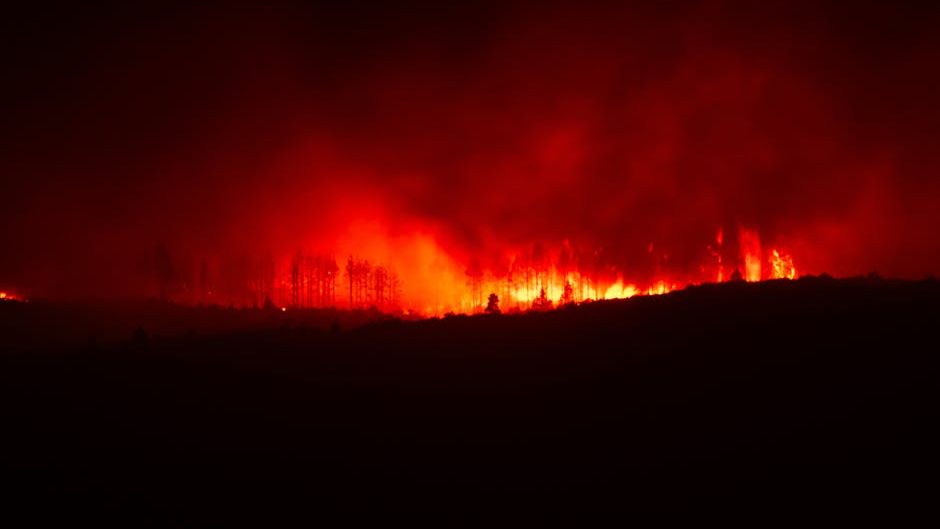
Fire in the ‘Galapagos of North America’ Risks Species Found Nowhere Else – Image for illustrative purposes only (Image credits: Pexels)
Santa Rosa Island – A wildfire has burned across nearly a third of this isolated stretch of land in the Channel Islands, placing rare plants and animals in immediate danger. The blaze continues to advance through terrain that supports life found nowhere else on Earth. With almost no human presence, the island has long served as a natural refuge, yet the fire now threatens that delicate balance.
The Fire’s Rapid Advance
The flames have already consumed a substantial portion of Santa Rosa Island, one of the more remote members of the Channel Islands chain off the California coast. Firefighters face difficult conditions as the blaze moves through dry vegetation with little to slow its progress. The island’s rugged landscape and limited access points add to the challenge of bringing the fire under control. Residents and visitors remain far from the affected areas, leaving the focus squarely on protecting the natural environment.
Why Santa Rosa Matters for Biodiversity
The Channel Islands as a whole host hundreds of species that have evolved in isolation over thousands of years. Santa Rosa Island stands out because many of its plants and animals exist only within its boundaries. These endemic species depend on the island’s unique climate and soil conditions that do not occur on the mainland. Any large-scale disturbance, such as the current wildfire, can disrupt entire ecosystems that have no backup populations elsewhere.
Life Without Human Interference
Santa Rosa Island remains largely free of permanent human settlement, allowing wildlife and native vegetation to thrive with minimal outside pressure. This absence of development has helped preserve habitats that support species adapted to the island’s specific environment. The ongoing fire now introduces a sudden and intense change to an area that has otherwise remained relatively untouched. Conservationists note that recovery could take years once the flames are finally contained.
Looking Ahead After the Flames
The full extent of damage to Santa Rosa Island’s unique species will become clearer only after the fire is extinguished and surveys can resume. In the meantime, the event underscores how vulnerable isolated ecosystems remain to sudden environmental threats. Efforts to restore burned areas will likely focus on preventing invasive species from taking hold in the newly cleared ground. The island’s future depends on both containing the current blaze and supporting long-term protection measures for its irreplaceable wildlife.