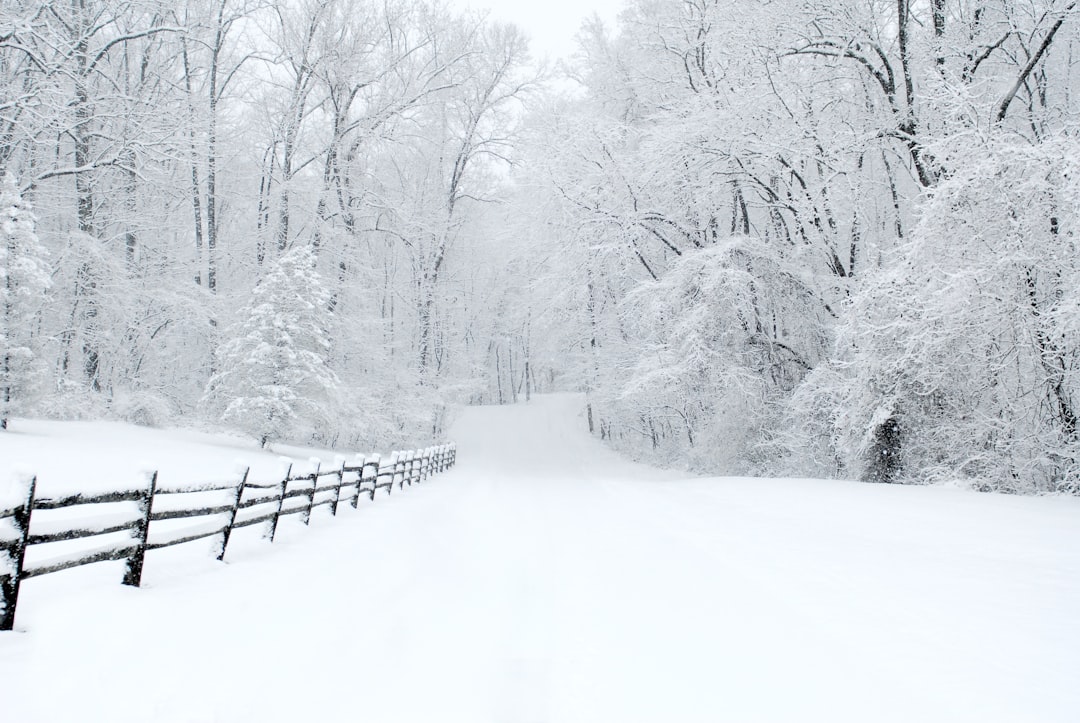
Rising Casualties from Hypothermia and Accidents (Image Credits: Unsplash)
A massive winter storm that ravaged two-thirds of the United States over the weekend left at least 64 people dead from weather-related causes, while extreme cold tightened its hold on the eastern half of the nation.[1][2]
Rising Casualties from Hypothermia and Accidents
Hypothermia emerged as a leading killer, with New York City alone reporting 10 individuals found dead outdoors amid subzero wind chills, according to Mayor Zohran Mamdani.[1] Officials across multiple states documented fatalities from car crashes on icy roads, collisions with snowplows, sledding mishaps, and heart attacks triggered by snow shoveling. CBS News verified these 64 deaths as directly linked to storm conditions or related incidents as of Thursday.[1]
Authorities noted roughly two dozen more deaths under investigation for possible weather ties. The storm’s fury affected some 200 million Americans with heavy snow, sleet, rain, and freezing temperatures from Friday through Monday. Frigid air masses lingered, plunging wind chills to minus-15 degrees Fahrenheit around New York City on Wednesday.[1]
Widespread Power Failures Compound the Crisis
More than 312,000 customers endured outages late Wednesday, concentrated in the South and Southeast. Tennessee, Mississippi, Louisiana, and Texas bore the brunt, with Kentucky, Florida, South Carolina, and Georgia also reporting significant disruptions.[1] Fallen trees and ice-laden lines snapped under the storm’s weight, leaving households vulnerable to the unrelenting freeze.
Restoration efforts progressed slowly in rural areas, where repair crews faced their own hazards from slick roads and bitter cold. In Mississippi, residents like one teacher highlighted the struggle of surviving without heat amid plunging temperatures.[1] Such blackouts amplified risks of carbon monoxide poisoning and hypothermia nationwide.
Partner offer
Record Cold and Looming New Threats
Meteorologists described the ongoing chill as potentially the longest in decades, with temperatures running 15 to 25 degrees below seasonal norms across the East.[1] Extreme cold alerts persisted through Thursday, as another Arctic surge promised record lows later in the week. Lake-effect snow threatened upstate New York cities like Buffalo and Syracuse with up to two feet of accumulation.
Forecasters eyed a possible bomb cyclone striking Massachusetts over the weekend, capable of delivering hurricane-force winds, heavy snow, and massive coastal waves. Uncertainty surrounded its path, but preparations ramped up from the Northeast to the mid-Atlantic.[1] Meanwhile, over 69 million people remained under cold weather advisories.[3]
Key Vulnerabilities Exposed in the Storm’s Path
The event shattered snowfall records in unlikely places, such as six inches in Little Rock, Arkansas, and over 30 inches near Bonito Lake, New Mexico.[2] Ice buildup reached an inch thick in parts of the South, toppling infrastructure and stranding travelers.
Common causes of death included:
- Vehicle accidents on black ice
- Cold exposure and hypothermia
- Medical emergencies during snow removal
- Snowplow and sledding collisions
- Power outage-related failures, like oxygen equipment shutdowns
Tragic cases ranged from three boys drowning after falling through ice in Texas to a plane crash claiming six lives in Maine.[2][3]
Key Takeaways:
- 64 confirmed storm-related deaths, with totals climbing toward 100.
- Over 300,000 still without power in southern states.
- Fresh Arctic air and potential bomb cyclone threaten further impacts.
As recovery unfolds, this storm underscores the growing ferocity of winter extremes – prompting urgent calls for better preparedness. Communities must layer up, check on neighbors, and heed warnings to avert more heartbreak. What steps are you taking to stay safe this winter? Share in the comments.
Partner offer
Planning a trip to Vegas?
Compare hotel rates and show tickets on VEGAS.com.