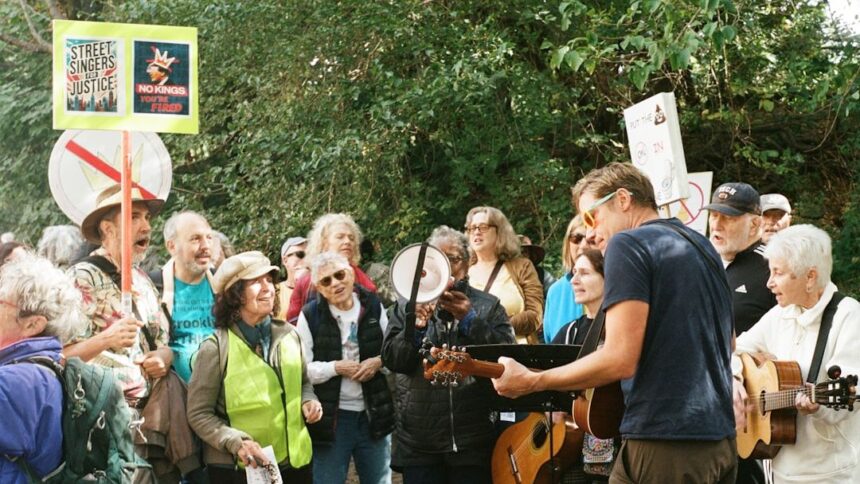
There’s something fascinating about watching the conversation around music performances shift over the last few years. What once felt like a straightforward entertainment experience has become layered with questions about identity, politics, and social messaging. Whether you’re scrolling through reactions to the Grammys or seeing headlines about festival lineups, the term “wokeness” keeps popping up. It’s hard to ignore how much the debate around visible activism on stage has changed the way we talk about live music.
Honestly, watching performers navigate this terrain feels like witnessing a cultural tightrope walk. Some artists lean into it fully, others avoid it completely, and the audience? Well, they’re split right down the middle.
What “Wokeness” Actually Means in Music Context
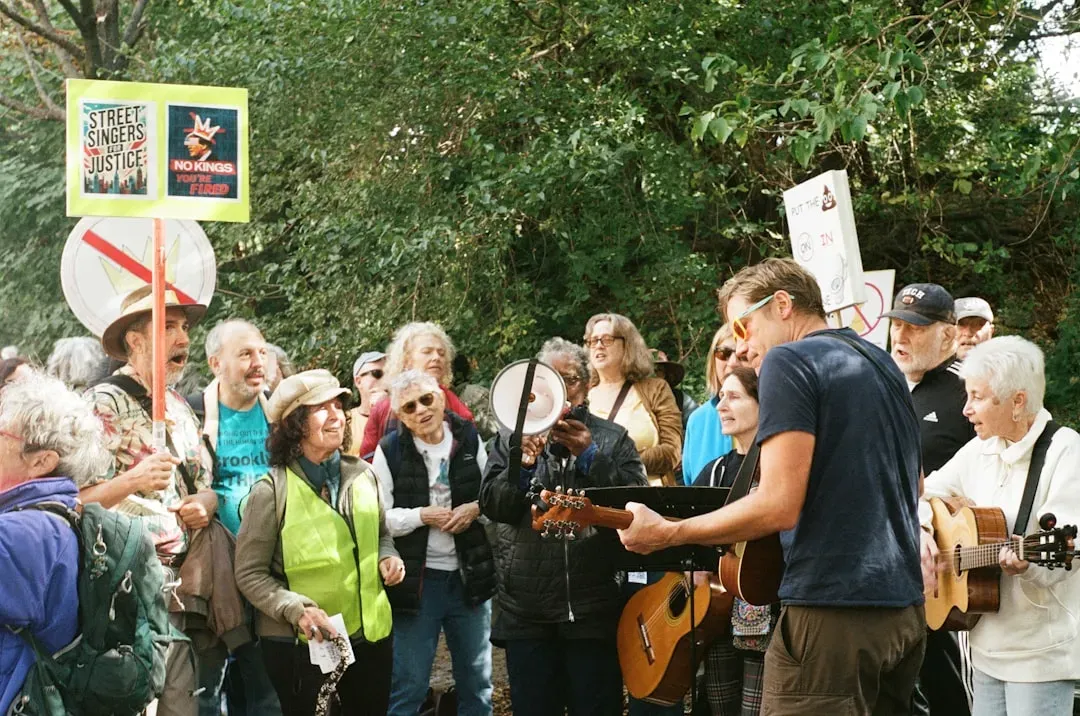
The term “woke” refers to being aware of the society around you and speaking up for needed change or against perceived injustice, suggesting someone who has been oblivious to social issues but then awakens to see the world differently. The term came out of Black activism and music in the early 20th century, with the phrase “stay woke” signifying elevated consciousness or an admonition to be vigilant in response to the insidiousness of white supremacy, gaining broader use in the 2010s. In music performance contexts today, cultural researchers note that wokeness generally refers to visible support for social justice issues such as racial equity, gender rights, and LGBTQ+ inclusion, according to Pew Research Center cultural analysis from 2023.
Here’s the thing though: the definition has gotten messy. What started as a call for awareness has morphed into something weaponized by critics and embraced by supporters in completely different ways. When you watch a major award show now, you’re seeing this tension play out in real time.
How Audiences Are Splitting Down Generational and Political Lines
The data tells a pretty clear story about who’s receptive to social messaging in music and who isn’t. Opposition to political correctness – referred to as anti-wokeness – is no longer an outlier but rather indicative of a broader social shift. A 2023 Pew Research Center survey found that public reactions to political or social messaging in entertainment vary sharply by age and political affiliation.
A 2025 YouGov poll showed Gen Z audiences are more likely than older generations to expect artists to take public stances during major performances. Think about that for a second: younger fans actually want to see activism on stage, while many older viewers find it intrusive or preachy. That’s not a small divide; it’s reshaping how performers approach their biggest moments.
Festival Stages Are Becoming Visual Statements
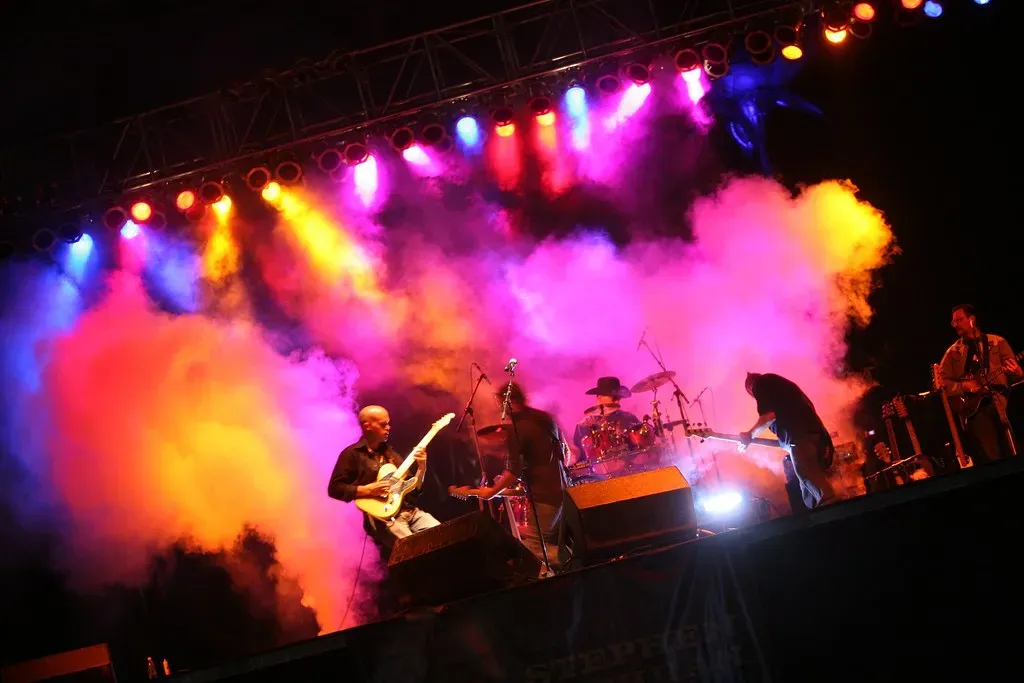
By honoring an album that transcends genre norms, the Academy collectively signaled that the music community celebrates its diversity and unity as its strength, standing in contrast to anti-wokeness though they may not mention it directly. Billboard reporting in 2024 showed that major festivals increasingly incorporate social or political symbolism into stage design, visuals, and artist speeches. You can see it everywhere from Coachella to Glastonbury: rainbow flags, protest imagery, statements about climate change.
Let’s be real, festivals have always reflected the culture of their moment. Still, the visual language has become more intentional and pointed in recent years. Organizers know their lineups and aesthetics send messages beyond the music itself, and they’re making calculated choices about what values to project.
Broadcasters Walking a Tightrope Between Expression and Standards
According to BBC Media Policy briefings from 2023 through 2024, live broadcasters have updated editorial guidelines to balance artistic expression with audience standards during major televised performances. Protests against Israel’s participation were held in Malmö during the contest, and the performances of the Israeli entrant Eden Golan on stage were met with booing from the audience, which was reportedly suppressed in the live television broadcast. This gets complicated fast.
Networks find themselves in an impossible position: allow artists full freedom and risk alienating portions of their viewership, or edit content and face accusations of censorship. It’s a lose-lose scenario that plays out differently depending on the broadcaster, the country, and the specific performance moment.
Social Media Amplifies Every Controversial Moment Into a Firestorm
A 2024 YouGov study found that controversial performance moments generate significantly higher online engagement, both positive and negative, than neutral performances. Taking to the stage one after another at the music industry awards ceremony in Los Angeles, the Beautiful People spoke up for all the trendy lefty causes, though the virtue-signalling really proved was how tone-deaf they are as the mocking backlash on social media drove the point home. Every Grammy speech, every festival moment, every staged visual gets dissected within seconds across Twitter, TikTok, and Instagram.
Here’s what’s wild: performances that might have sparked brief discussions a decade ago now become multi-day trending topics. Count-model regression analyses show that political content generally generates less engagement from followers, yet when something does break through, it explodes. Artists know this, which makes every choice feel higher stakes than ever before.
The Commercial Reality: Does Activism Actually Hurt Sales?
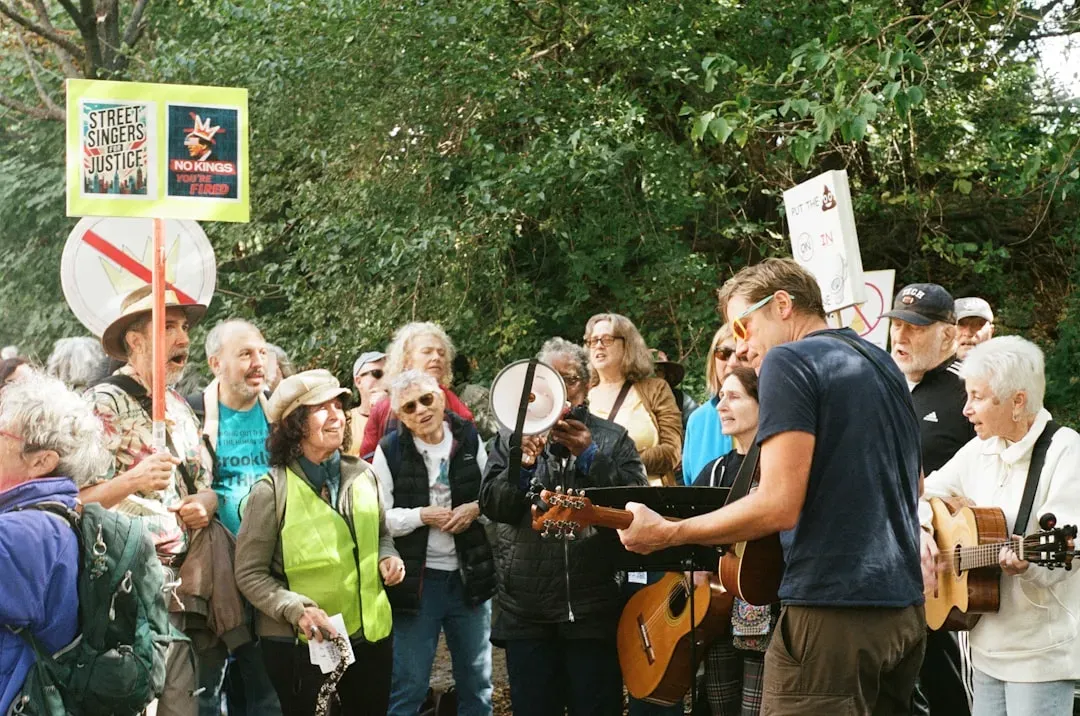
Nielsen Music data analysis from 2024 indicated that socially outspoken performances do not consistently harm streaming numbers and can sometimes lead to short-term increases. Interviews published by Rolling Stone in 2023 through 2025 show that many artists view activism on stage as an extension of their identity rather than a marketing strategy. That’s actually surprising to a lot of people who assume “going woke” equals commercial death.
Pollstar reported in 2023 that some sponsors have tightened brand-alignment reviews following high-profile political moments at live events. So while the music itself might not suffer, the behind-the-scenes business relationships get more complicated. Corporate money still drives major tours and festivals, and those companies are watching audience reactions very carefully before they write the next check.