
Most business owners spend their sleepless nights worrying about external threats: break-ins, cyberattacks, fraudulent customers. The uncomfortable reality, backed by years of research, is that the most costly threats often wear an employee badge. Workplace theft has quietly become one of the most persistent financial drains on local and small businesses, and the numbers tell a story that’s hard to dismiss.
Employee theft costs U.S. businesses roughly $50 billion annually. For a neighborhood hardware store, a family restaurant, or an independent boutique, that figure isn’t abstract. It lands directly on the balance sheet. Workplace theft is responsible for nearly a third of business bankruptcies, underscoring the severe impact that unchecked internal theft can have on a company’s financial health.
The Scale of the Problem in 2025

The data from the past two years paints a clear and concerning picture. Employee theft increased by roughly eight percent from 2024, with retail and restaurants identified as the most affected sectors, and economic factors alongside job dissatisfaction named as the primary causes.
In 2023, one in every fifty employees engaged in some form of theft. By 2024, that ratio rose to one in forty, and in 2025, reports show it climbed again to approximately one in thirty-five, indicating a consistent, year-on-year upward trend.
U.S. businesses lose up to $110 million a day due to employee-related crimes. That daily figure, compounded over months, helps explain why loss prevention has shifted from a line item to a strategic priority for businesses of all sizes.
Why Small and Local Businesses Bear the Heaviest Burden

Roughly 57.6 percent of small businesses experience internal or employee theft, and in 2023, about four in ten small business owners reported that the value of items stolen had increased compared to previous years.
Small businesses lose about five percent of their annual revenue to theft, and limited resources make recovery significantly more challenging for smaller firms. A large corporation absorbs a six-figure loss and adjusts. A local business often cannot.
The risk of billing fraud and payroll schemes is twice as high in small businesses compared to large enterprises. Small businesses are often more susceptible to unethical staff behavior, partly because they typically lack the budget or manpower to invest effectively in loss prevention methods.
The Most Common Forms of High-Value Theft

Asset misappropriation is the most common cause of employee theft, occurring in around 89 percent of cases, with merchandise theft, refund fraud, cash and deposit theft, and passing merchandise to friends ranking as the top four reported methods of internal theft.
Cash embezzlement accounts for roughly 45 percent of theft cases, with inventory or merchandise theft accounting for around 30 percent of incidents, often involving employees in retail and warehousing environments.
Fraud committed by managers runs for a median duration of 18 months, with a median loss of $184,000. Fraud by business owners or executives has a median duration of 24 months and a median loss of half a million dollars. These are not petty crimes. They are long-running, methodical operations.
How Long Theft Goes Undetected

A typical employee theft scheme lasts 14 months before it is detected. That’s more than a year of ongoing losses, often concealed by the very people who built trust within the organization. Almost half of perpetrators try to conceal the crime by creating fraudulent documents.
Tens of billions of dollars are lost annually to employee dishonesty, the average fraud scheme runs for over a year before detection, and most perpetrators have no prior criminal record that would flag them during a standard background check.
Only about two percent of employee theft cases are reported to law enforcement. This low reporting rate means that most incidents are handled internally or simply absorbed as unexplained losses, leaving the root problem unaddressed.
The Retail and Restaurant Sectors Under Pressure

Retail crime is still expanding, with increases reported across external theft and digital fraud, according to the National Retail Federation’s Impact of Retail Theft and Violence Report 2025. Respondents said they are most concerned about organized retail crime, shoplifting, repeat offenders, phone scams, return fraud, and credit card-related theft.
Incidents of shoplifting and merchandise theft increased 19 percent from 2023 to 2024, compounding the 26 percent growth recorded from 2022 to 2023. Restaurants face their own version of the problem. With frequent cash transactions and high employee turnover, restaurants and bars face theft risks including cash skimming, giving away free food, and fraudulent refunds or voided transactions.
In 2025, retail experienced a 15 percent rise in internal theft incidents compared to prior years, and restaurants saw a 12 percent surge, making theft a genuine budgeting priority for businesses in both sectors.
Surveillance Technology and Its Growing Role
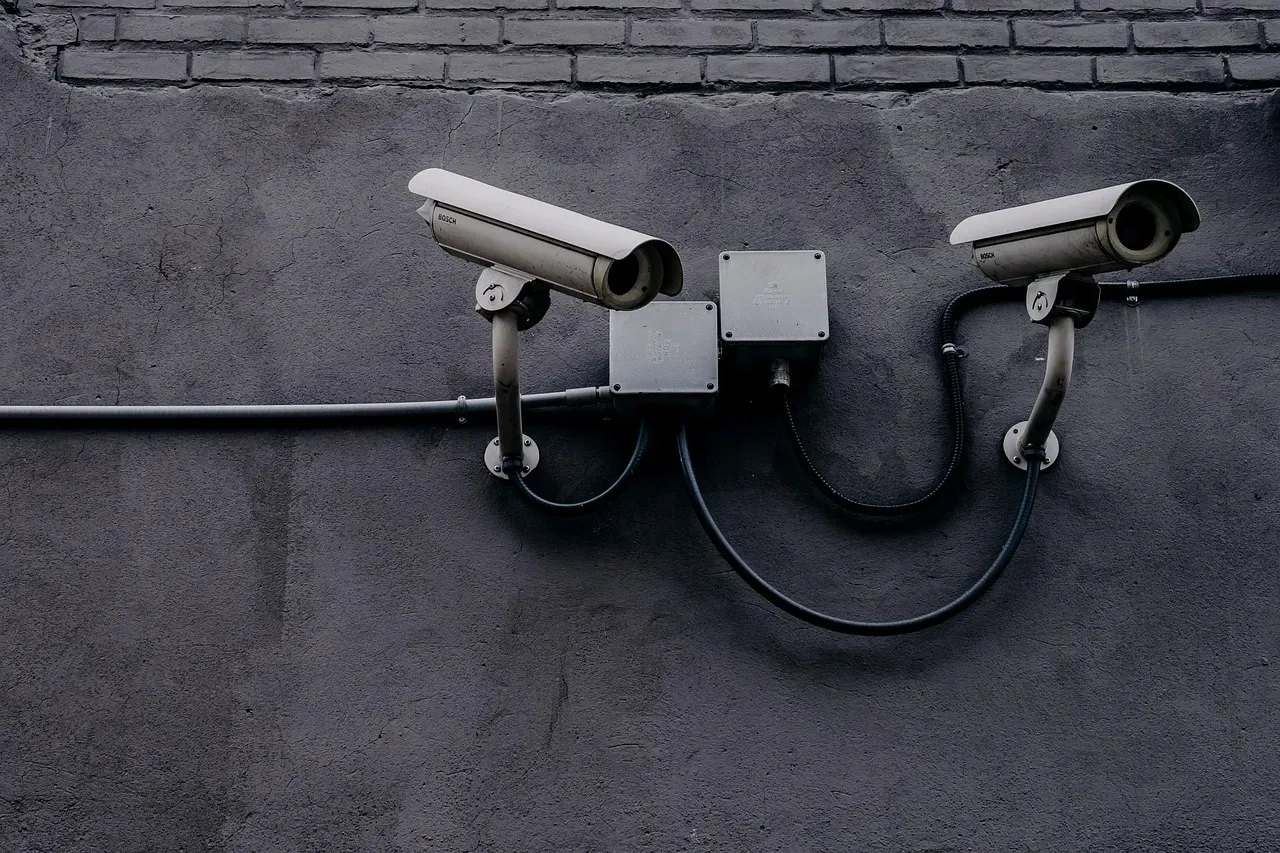
In 2025, theft is no longer an operational inconvenience for retailers; it has become a business survival issue. Margins in retail are already thin, and traditional loss prevention measures are struggling to keep pace with the speed, scale, and sophistication of theft.
AI-driven systems integrate with existing camera networks and act as intelligent filters, analyzing patterns of movement to detect suspicious activity in real time, evaluating gestures such as concealing items or unusual lingering in aisles, and sending instant alerts with video clips to staff for quick decisions.
One documented example involves Laurel Ace Hardware in San Francisco, which reported a 50 percent drop in theft following AI adoption, a critical improvement that allowed the business to remain viable in a high-crime area. Across the industry, surveillance systems have been found to reduce theft incidents by roughly 30 percent.
Audits, Access Controls, and Internal Checks
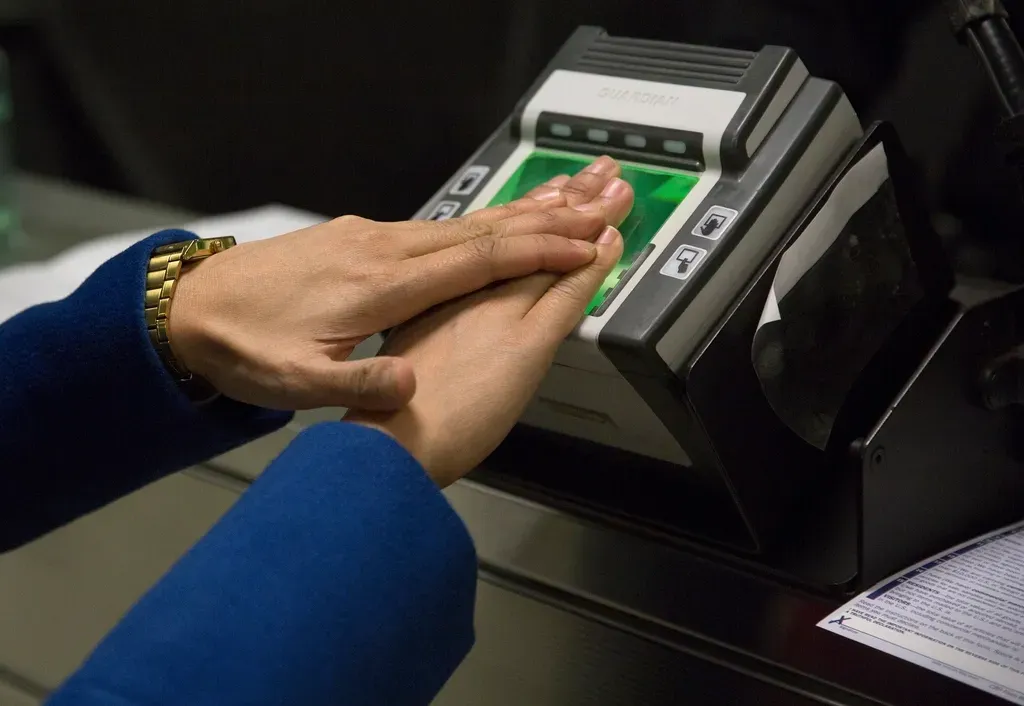
Strengthening internal controls helps minimize opportunities for theft, including having checks and balances in financial processes, requiring manager approvals for certain actions, and separating duties so that no single employee has control over an entire financial process.
Conducting regular audits is a helpful fraud detection method. However, if clever fraudsters learn an audit schedule, they will find ways to hide their crimes. Hiring an external accountant to audit financial records unexpectedly, with a different schedule and different auditor, is more likely to catch thieves off guard.
Using inventory management systems reduces the risk of inventory theft by closely tracking stock levels and movements, a technology that is especially crucial for businesses that handle significant amounts of merchandise or materials.
Building a Culture That Discourages Theft

Employee recognition programs have been shown to reduce theft by roughly 25 percent, as valuing employees fosters loyalty and discourages dishonest behavior. The connection between how workers feel and whether they steal is not incidental. It’s structural.
A positive work environment where employees feel valued and recognized for their work can reduce job dissatisfaction, which is one of the most common reasons for employee theft. Regular feedback sessions, employee recognition programs, and fair compensation all contribute to such an environment.
When employees don’t have to worry about medical bills for themselves and their families, they are less likely to steal out of need or a feeling that they deserve compensation. Small perks, such as a snack area, flexible hours, or a casual dress code, can make a meaningful difference between a satisfied employee and one who feels comfortable committing theft.
Anonymous Reporting Systems and Whistleblower Programs

Roughly three quarters of thefts are detected through employee tips, making whistleblower programs one of the most effective detection tools a business can implement. This is something many local businesses overlook, assuming that only larger organizations need formal reporting channels.
Whistleblower hotlines saw a roughly 20 percent increase in usage in recent years, with employees showing greater willingness to report misconduct through anonymous channels. Implementing a hotline where employees can report suspicious behavior while offering the option to remain anonymous, and assuring whistleblowers their identities will be protected, significantly increases the likelihood that theft will surface before losses escalate.
Encouraging anonymous reporting provides employees with a safe way to report theft without fear of retaliation, and this approach can uncover issues that might otherwise remain permanently hidden.
The True Cost Beyond the Dollar Figure

Employee theft can erode trust within the workplace, leading to reduced morale, and a distrustful environment can hamper teamwork and decrease overall productivity, negatively impacting company culture.
About 25 percent of businesses experience reputational damage after theft cases become public, and negative publicity can affect customer trust and loyalty in lasting ways. Litigation costs for theft cases average around $50,000 per incident, a figure that compounds an already costly situation.
Higher theft rates particularly hurt small firms, and for many, increased theft costs lead to tighter budgets, reduced staff benefits, or even job cuts. The ripple effect runs deep, touching every employee, not just the one who stole.
Conclusion: Protection Is a Strategy, Not a Reaction

Workplace theft rarely announces itself. It usually builds quietly over months, sometimes years, through small transactions that seem unremarkable in isolation. By the time the pattern becomes visible, the damage is already done.
Local businesses that treat theft prevention as an ongoing operational priority, rather than something addressed only after an incident, consistently fare better. Regularly updating security measures helps businesses stay ahead of evolving theft tactics, as fraudsters adapt continuously and so must the strategies and technologies deployed to stop them.
The combination of better culture, smarter technology, transparent audits, and accessible reporting channels isn’t foolproof. Nothing is. Still, businesses that layer these defenses reduce their exposure substantially, and for a local shop or independent operator, that reduction can be the difference between staying open and closing the doors for good.