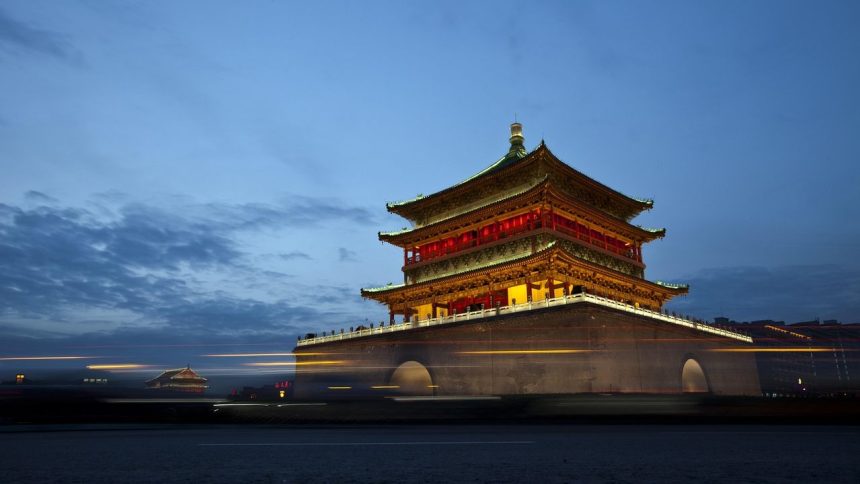

El doble acto de Xi: Putin llegará a China días después de la partida de Trump – Image for illustrative purposes only (Image credits: Pixabay)
Beijing is once again at the center of global attention as Chinese President Xi Jinping prepares to host Russian President Vladimir Putin for a state visit this week. The timing, coming less than seven days after Xi welcomed U.S. President Donald Trump with full ceremonial honors, underscores China’s effort to manage competing relationships amid ongoing international tensions. Both Moscow and Washington are navigating new dynamics with Beijing under the current U.S. administration, and the back-to-back visits highlight how China positions itself as a key player in several overlapping crises.
Why the Sequence of Visits Carries Weight
The rapid succession of high-level guests reveals Beijing’s strategy of maintaining open channels with rival powers. Putin’s arrival on Tuesday follows a similar red-carpet treatment that Trump received the previous week, including military bands and formal ceremonies. Chinese state media have framed the two visits as evidence that the country is becoming a central hub for world diplomacy, even as conflicts in Ukraine and the Middle East continue to reshape alliances. This approach allows Beijing to project stability and influence at a moment when traditional U.S. leadership faces questions. Officials in both Russia and China have long shared concerns about American dominance in global affairs, and the current meetings build on years of closer coordination in trade, security, and energy. The symbolism is deliberate: two leaders deeply involved in their own foreign-policy challenges are being received in quick succession by the same host.
Deepening Ties Between Moscow and Beijing
Putin’s trip marks his 25th visit to China during his long tenure as president, a record that reflects the steady growth of bilateral cooperation. The two leaders have met more than 40 times, often describing each other as close or longtime friends. In a pre-visit statement, Putin described the relationship as reaching an “unprecedented” level, noting mutual support on core issues such as sovereignty and territorial integrity. State-backed Chinese outlets echoed that sentiment, calling the partnership “unbreakable” amid turbulent international conditions. The two sides plan to issue a joint statement emphasizing a multipolar world order and a new type of international relations. These themes have appeared in earlier talks between the leaders, including conversations held shortly after Trump’s inauguration last year.
Partner offer

Economic and Energy Links That Shape the Agenda
Energy cooperation is expected to feature prominently in the discussions. Russia has become China’s top supplier of crude oil, with Chinese buyers securing discounted supplies since Western sanctions followed the invasion of Ukraine. A long-discussed natural-gas pipeline known as Power of Siberia 2 advanced during Putin’s previous trip to China in September 2025, and further progress is anticipated now. The Middle East conflict adds another layer. Disruptions to oil flows have raised the possibility that Beijing may rely more heavily on Russian energy in the future. At the same time, both countries maintain close ties with Iran, a major oil exporter also under U.S. sanctions. China remains the largest purchaser of Iranian crude, while Russia has provided intelligence support to Tehran during recent tensions.
Navigating Conflicts and Possible Mediation Roles
The leaders are also likely to address whether China and Russia could play any part in easing the U.S.-Iran standoff or the war in Ukraine. Trump sought Chinese agreement on key points during his visit, including assurances that Iran will not acquire nuclear weapons and that the Strait of Hormuz will remain open. Tehran has previously expressed interest in having Beijing and Moscow serve as security guarantors in any settlement. Yet both capitals must weigh the risks. Closer involvement could generate goodwill with Washington, but it might also strain their existing partnerships with Iran. Chinese and Russian officials have so far avoided direct commitments, preferring to protect their strategic interests while monitoring developments.
What matters now: The back-to-back visits illustrate how Beijing is using its diplomatic calendar to balance relations with Washington and Moscow while both capitals confront the consequences of prolonged conflicts and shifting energy markets.
The coming talks will test whether this careful balancing act can produce concrete outcomes or simply reinforce existing alignments. As global attention remains fixed on Ukraine, the Middle East, and U.S. foreign policy, the results of Xi’s meetings with Putin will offer one of the clearest signals yet of how these three powers intend to manage their overlapping interests in the months ahead.
Partner offer
Planning a trip to Vegas?
Compare hotel rates and show tickets on VEGAS.com.