


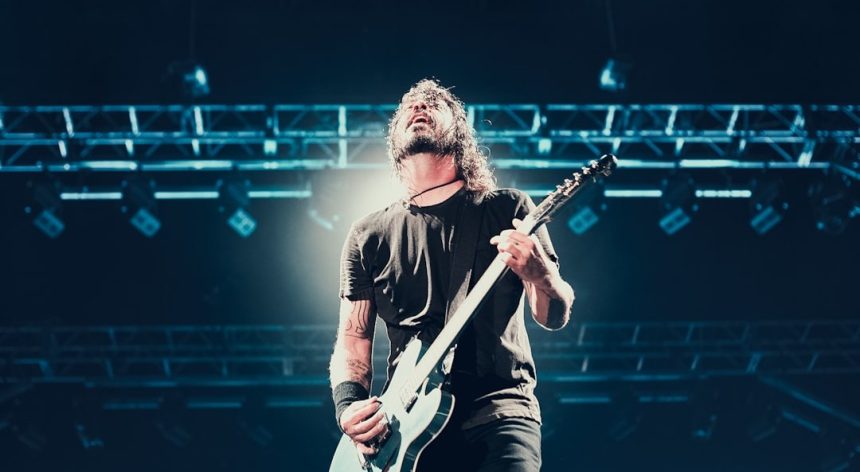
There’s something almost stubborn about an artist who decides they don’t need anyone else in the room. No band, no session players, just one person cycling through instruments they may have only half mastered, chasing a sound that exists only in their head. The results range from scrappy and strange to genuinely groundbreaking, and they say a lot about what happens when an artist has total control and nowhere to hide.
1. Paul McCartney – McCartney (1970)

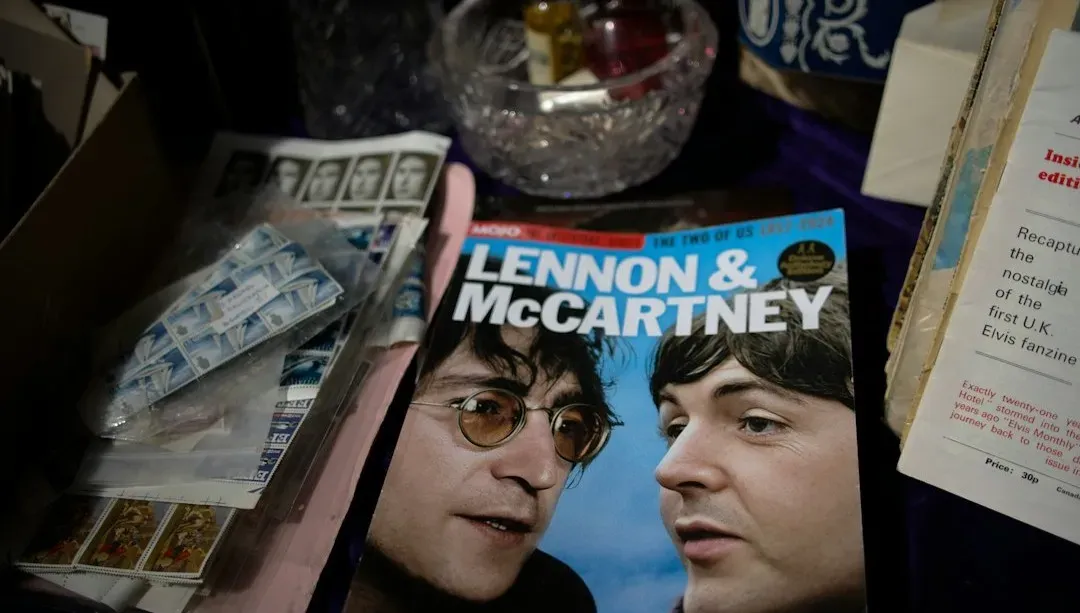
After the Beatles quietly fell apart, McCartney retreated to his home in St John’s Wood and, in near total secrecy, built his debut solo record from the ground up. Apart from occasional vocal contributions by his wife, Linda, McCartney performed the entire album alone by overdubbing on four-track tape. The lo-fi charm was intentional, a deliberate step away from the polish of his old band.
It wasn’t a comfortable time to make music. McCartney recorded the album during a period of depression and confusion, following John Lennon’s private departure from the Beatles in September 1969. Despite the messy circumstances surrounding its release, the album still hit number one in the United States, proving that a bedroom recording could compete with anything a full studio budget could produce.
2. Prince – For You (1978)

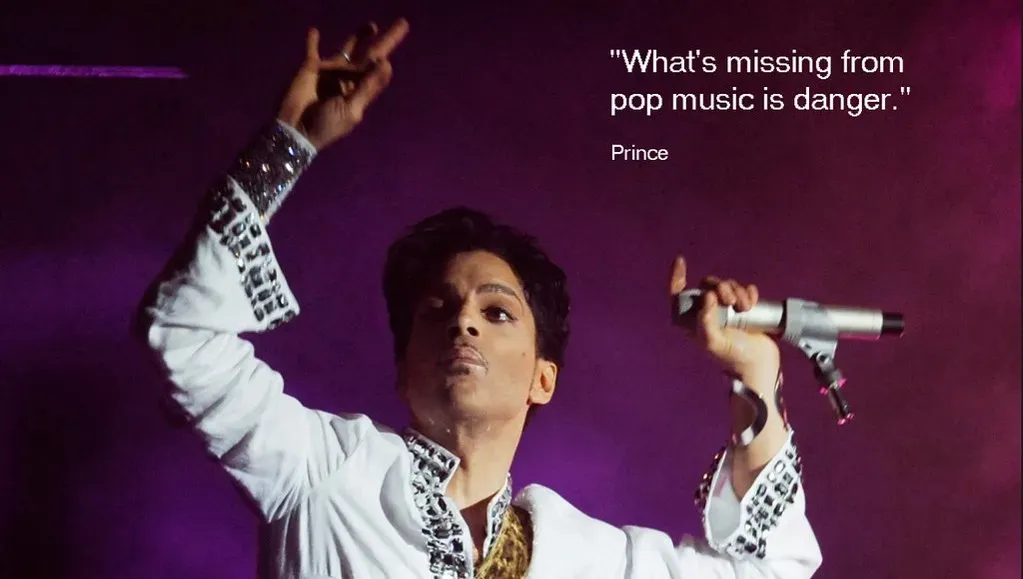
Prince was nineteen years old when he convinced Warner Bros to let him produce, arrange, and perform his own debut entirely by himself. All tracks were produced, arranged, composed, and performed by Prince, who worked obsessively on the project, singing all vocals and playing all instruments, including acoustic, electric, and bass guitar, acoustic and Fender Rhodes piano, synth bass, various keyboard synths, orchestra bells, drums and percussion. The liner notes credited him with playing twenty seven different instruments, a number that later became something of a running joke about how he counted keyboard variants.
The process nearly broke him. A painstaking five month process became an exhausting experience because of his dogged determination to play all of the instruments. Commercially modest at the time, For You now reads as the opening chapter of one of pop music’s most self reliant careers, a habit Prince kept up on many later records.
3. Mike Oldfield – Tubular Bells (1973)

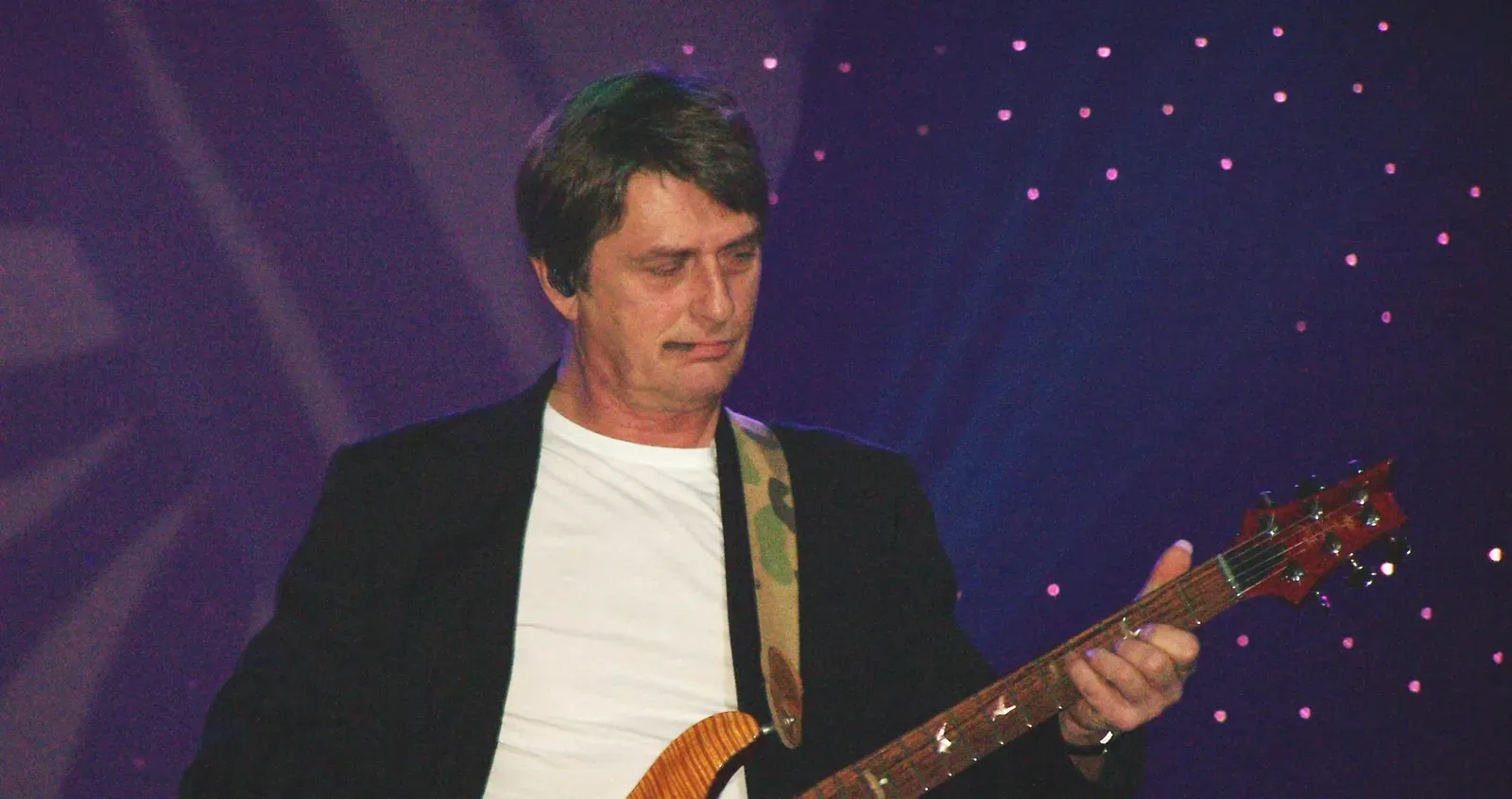
Long before Virgin Records became a global brand, it was a tiny label betting everything on a nineteen year old multi instrumentalist working alone in a converted squash court. Oldfield, who was nineteen years old when it was recorded, played almost all the instruments. He moved between guitars, keyboards, glockenspiel, and the titular tubular bells with a patience that suggests someone who had spent years rehearsing in isolation, which he had.
The album’s slow build into a cultural phenomenon is almost as remarkable as its creation. It initially sold slowly but gained worldwide attention in December 1973 when its opening theme was used for the soundtrack to the horror film The Exorcist, which increased Oldfield’s profile and played an important part in the growth of the Virgin Group. A one man home recording ended up anchoring an entire record label’s fortunes.
4. Trent Reznor – Pretty Hate Machine (1989)

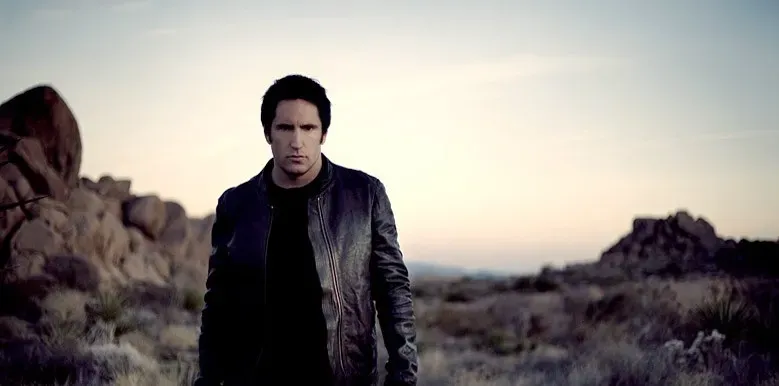
Before Nine Inch Nails meant sold out arenas, it meant a janitor sneaking into an empty Cleveland studio after hours. By day, Trent Reznor was the assistant engineer and broom pusher at the Right Track Studio; by night, with the owner’s blessing, he was using the empty room to record his own demo, alone, playing every part himself. Those late night sessions became the bones of the entire album.
Even after signing with TVT and bringing in outside producers to shape the final mixes, the core performances stayed his. Pretty Hate Machine is essentially Trent Reznor working alone, with one cameo guitar drone from another musician, a single engineer pulled in for a couple of tracks, and four producers contracted to different songs. It went on to sell three million copies in the United States, an enormous number for a record built mostly by one person tinkering with a sampler at night.
5. Dave Grohl – Foo Fighters (1995)

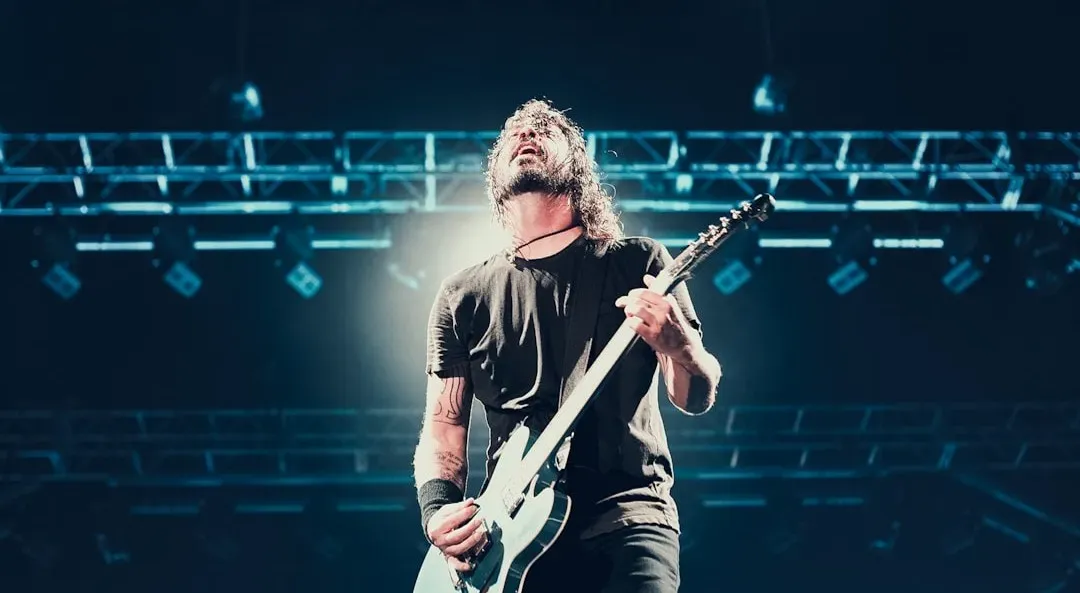
After the sudden end of Nirvana, Dave Grohl booked cheap studio time in Seattle without any real plan to start a new band. He wrote, sang, and played nearly every instrument on the resulting record himself, drums, guitars, bass, all of it, working through the songs quickly and mostly for his own sake. The sessions were meant to be a private exercise, not a launch pad, which gives the finished album a loose, unguarded energy.
Once friends heard the tape, word spread fast enough that Grohl assembled an actual band before the record even had a release date. Foo Fighters became a platinum selling debut and set the template for a group that, ironically, started as a one man project. The album still stands out in Grohl’s catalog as the moment he proved he could carry a record entirely on his own.
Partner offer

6. Stevie Wonder – Music of My Mind (1972)

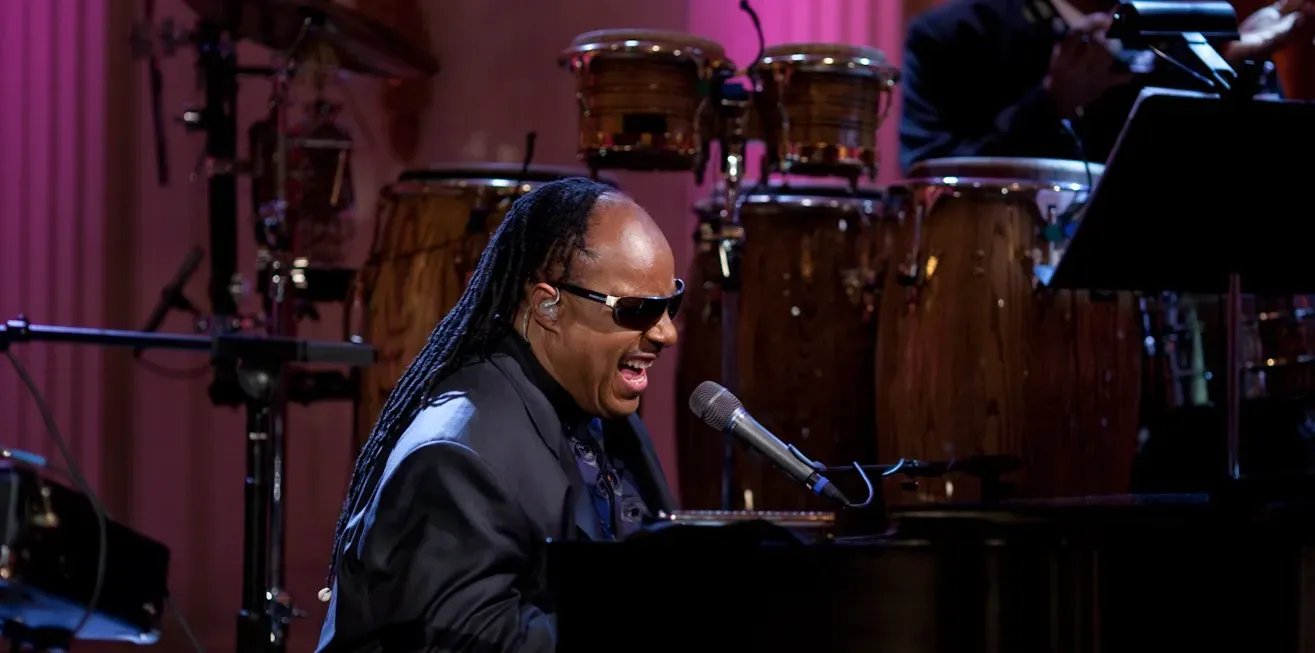
Stevie Wonder’s early seventies run marked a turning point where he took full creative control after years of Motown handling his sound for him. On Music of My Mind, he played the vast majority of the instruments himself, leaning heavily on newly available synthesizers with engineers Robert Margouleff and Malcolm Cecil helping him program and capture sounds that hadn’t really existed in pop music before. It was less a band record than a one man laboratory session, blindness and all, with Wonder navigating an enormous console of gear largely by feel and memory.
The album kicked off a stretch of records, including Talking Book and Innervisions, where Wonder’s near total authorship became his defining trait. What makes Music of My Mind notable within that run is how early and how completely he shed outside musicians, setting the pattern for everything that followed. It remains a quiet turning point in how much creative independence a major label artist could actually claim.
7. John Fogerty – Blue Ridge Rangers (1973)

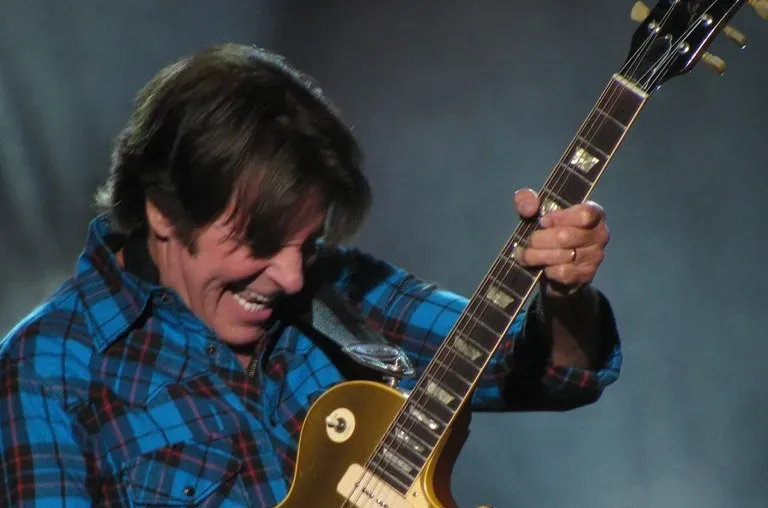
After Creedence Clearwater Revival split apart amid legal and personal disputes, John Fogerty made an unusual choice for his first solo release. Rather than assembling a new band, he recorded an album of country and gospel covers by playing every single instrument himself, credited under the fictional group name Blue Ridge Rangers to obscure just how solitary the project actually was. The disguise didn’t last long once people noticed no other musicians were ever mentioned.
It produced a genuine hit in his cover of “Jambalaya,” proving that a one man band could still land on the charts without any studio mystique attached. The record is often overlooked in Fogerty’s catalog, overshadowed by his Creedence years, but it stands as one of the more literal examples of an artist building an entire album with just his own two hands.
8. Emitt Rhodes – Emitt Rhodes (1970)

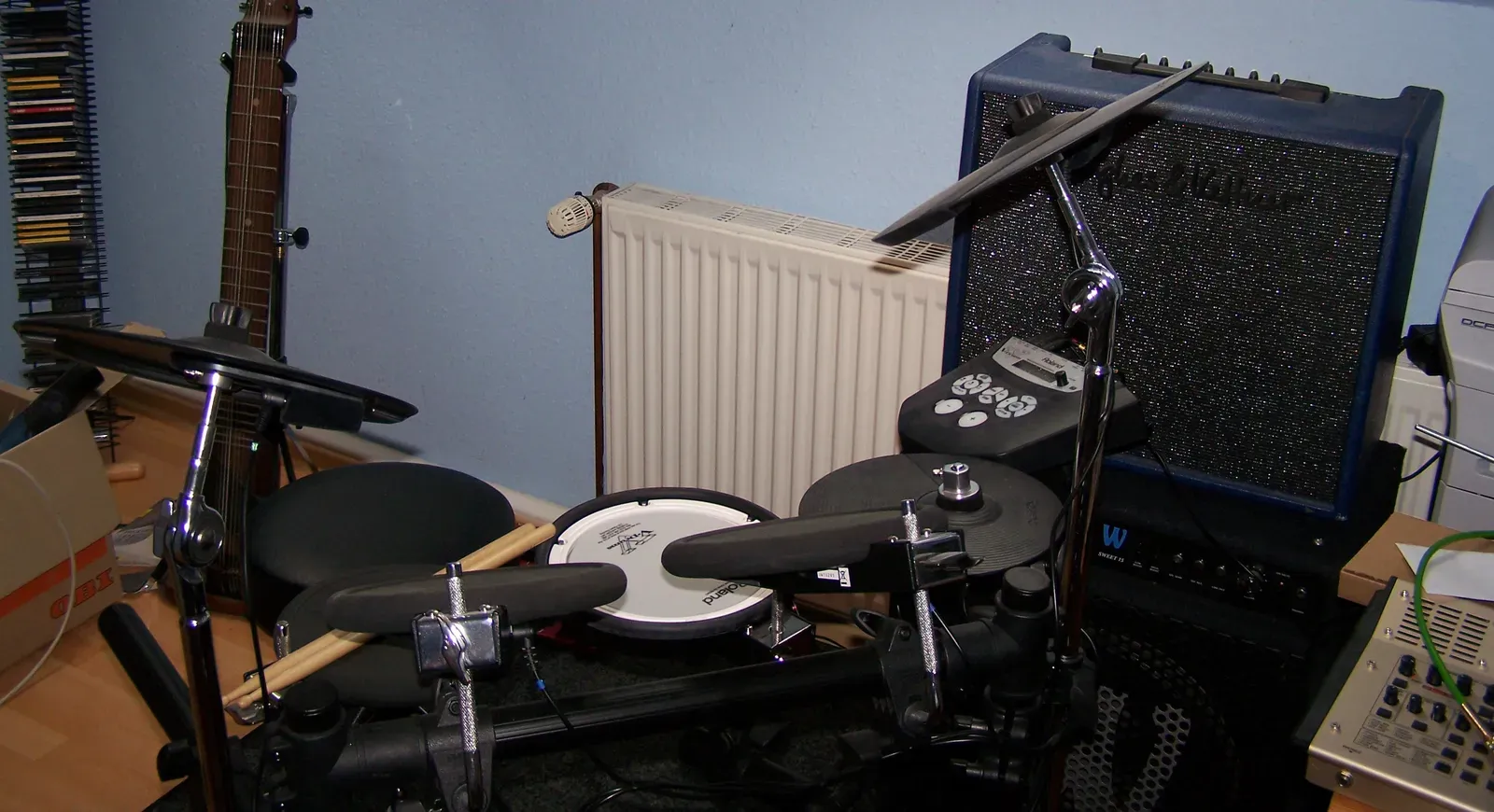
Emitt Rhodes built a home studio in his parents’ garage in Hawthorne, California, and used it to record a self titled debut that sounds uncannily like a full band effort. He played every instrument and sang every vocal part, layering guitars, drums, bass, and keyboards with a precision that impressed critics who initially assumed a group was involved. The Beatles comparisons followed him for the rest of his career, not always to his benefit. His label pressured him into an unsustainable release schedule based on how quickly he had finished this first record, not accounting for how much slower solo, self engineered work actually is. Emitt Rhodes never became a household name, but the album has developed a lasting cult following among fans of intricate, homemade power pop. It’s frequently cited as proof that bedroom recording could produce something polished decades before home studios became common.
9. Todd Rundgren – Something/Anything? (1972)

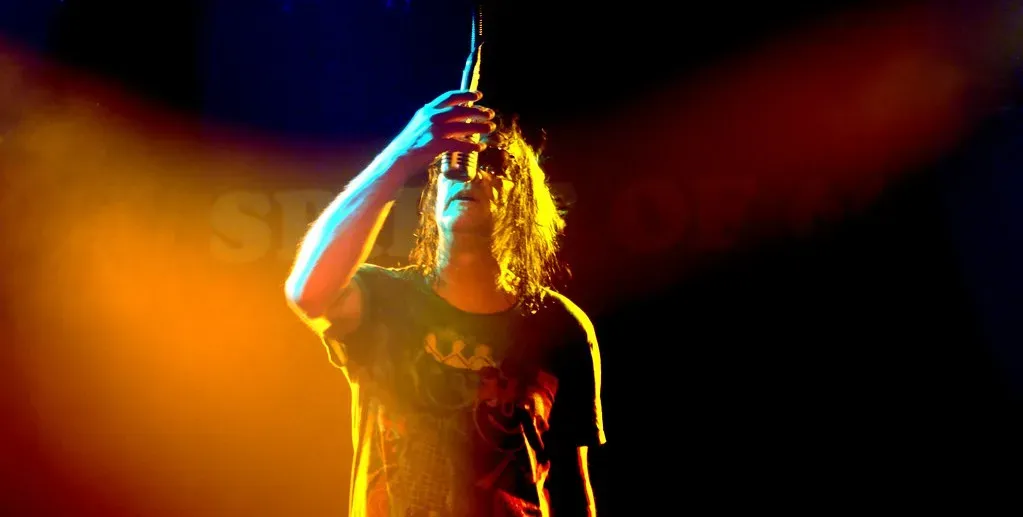
Todd Rundgren’s double album Something/Anything? is split into four sides, and three of those four sides feature Rundgren writing, singing, and playing every instrument entirely alone. Only the final side brought in outside musicians for a more conventional studio band sound, making the contrast between the solo and collaborative sides part of the album’s appeal. Rundgren treated the recording console itself almost as an instrument, layering vocal harmonies and guitar parts with an obsessive attention that few artists attempted at the time.
The single “Hello It’s Me” became a hit and remains his best known song, born entirely from those solitary sessions. Critics have pointed to the album as an early example of a musician using multitrack technology not just to record a band but to essentially simulate one. It’s a record that rewards patience, both from the artist who made it and the listener willing to sit through its considerable length.
10. Kevin Parker – Innerspeaker and Lonerism (Tame Impala)

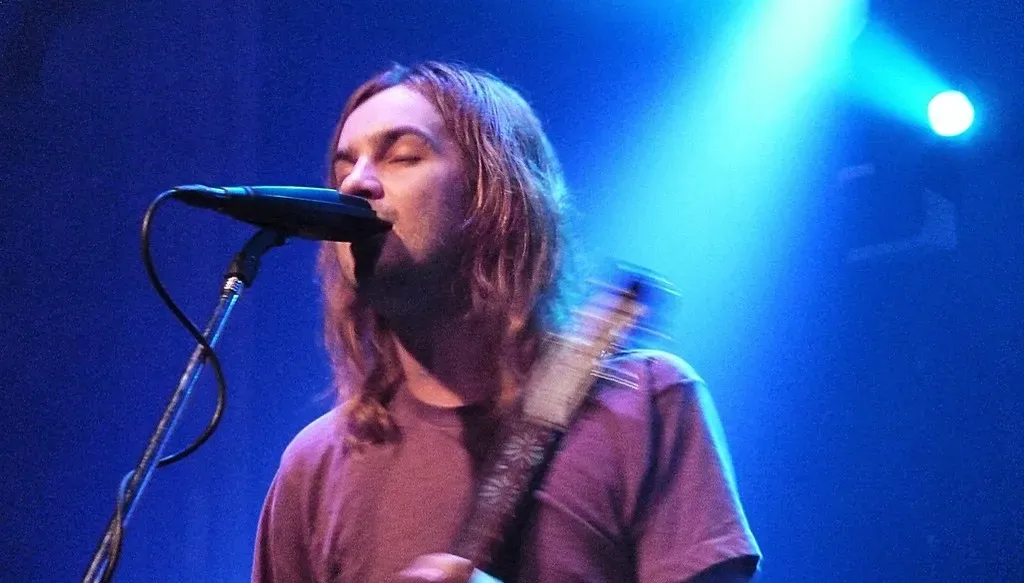
Kevin Parker built Tame Impala’s early sound entirely inside his own home, writing, playing, and producing nearly every part of Innerspeaker and Lonerism without a full band in the room. He has spoken openly about preferring isolation during the writing and recording process, finding that outside input too early tends to dilute the specific psychedelic haze he’s after. The live band that eventually toured behind these records had little to do with how the songs were actually built in the studio.
This solitary approach became a defining trait of Tame Impala rather than a temporary phase, carrying through into later, more collaborative sounding records like Currents. Parker remains one of the clearer modern examples of an artist proving that massive, layered, arena ready sound doesn’t require a room full of musicians, just one person willing to spend months alone with a set of headphones and a lot of patience.
Taken together, these ten records make a simple point. Isolation, whether forced by circumstance or chosen on purpose, has repeatedly pushed musicians toward sounds a full band might never have found. Some of these albums came from heartbreak, some from ambition, and some from nothing more than an empty studio and a few hours to kill. What they share is a reminder that a record credited to one name can genuinely mean one person did all of it.Partner offer
Planning a trip to Vegas?
Compare hotel rates and show tickets on VEGAS.com.


