Every so often, a record arrives that doesn’t just top charts or fill arenas. It rewires how future musicians think about songwriting, production, or even what an album is supposed to be. The ten records below span nearly seven decades and several genres, yet each one left a mark so deep that music sounds noticeably different because they existed.
Sgt. Pepper’s Lonely Hearts Club Band – The Beatles (1967)

By the time The Beatles stopped touring in 1966, they had nothing left to prove as a live act, so they turned the studio into an instrument of its own. Released in 1967, it is often cited as one of rock’s first successful concept albums, with the band members adopting alter egos. The amount of effort poured into it was staggering for the era. Whereas The Beatles’ first album, Please Please Me, had been recorded in about 10 hours in a single day, an estimated 700 hours of work went into recording Sgt. Pepper between November 1966 and April 1967.
The album also changed how listeners engaged with lyrics and packaging. Sgt. Pepper’s was the first rock album to include printed lyrics on the back cover, a groundbreaking move that invited fans to dive deeper into the Beatles’ poetic and often surreal words. Commercially, it dominated in a way few records ever have. It debuted in the UK at No.1, where it stayed for 22 consecutive weeks and became the soundtrack to The Summer Of Love. Its influence on concept albums and studio experimentation still echoes through progressive and art rock today.
Pet Sounds – The Beach Boys (1966)


Brian Wilson wrote and produced Pet Sounds partly as a response to hearing The Beatles’ Rubber Soul, and he wanted to make something with the same emotional coherence but with richer orchestration. He brought in session musicians, unusual instruments, and layered harmonies that had never been attempted in a pop record before. Tracks like “God Only Knows” combined lush strings with plainspoken lyrics about love and vulnerability, a combination that felt genuinely new at the time.
The album didn’t sell especially well in the United States on release, which reportedly frustrated Wilson and contributed to tension within the band. In the United Kingdom, however, it was received as a masterpiece almost immediately. Decades later, Pet Sounds is routinely cited by songwriters and producers as proof that pop music could carry the same ambition as classical composition.
Kind of Blue – Miles Davis (1959)

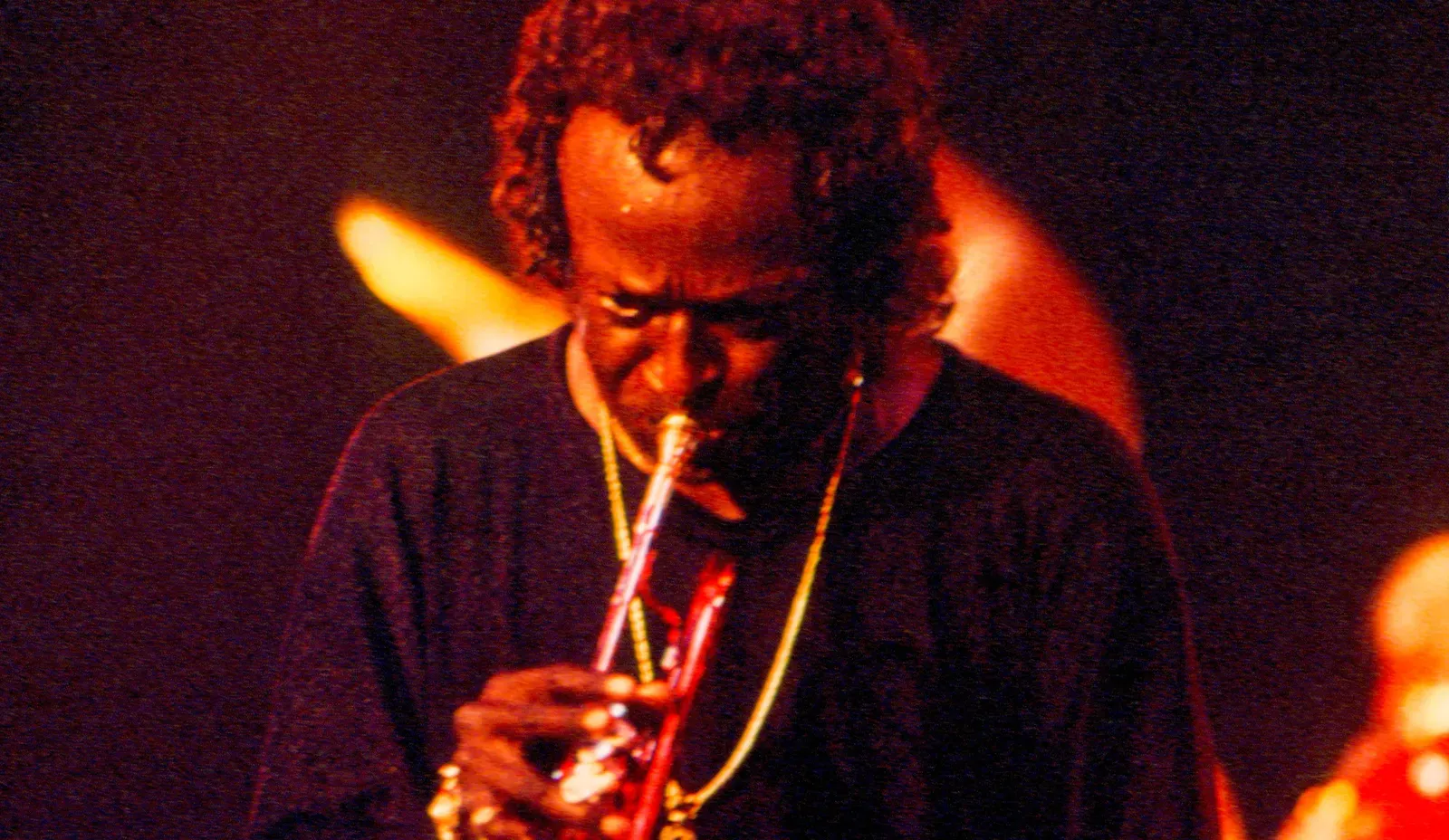
Miles Davis assembled a quintet that included John Coltrane, Cannonball Adderley, and Bill Evans, and instead of handing them fully written charts, he gave the musicians only sketches and scales to improvise around. This modal approach, built on scales rather than dense chord changes, gave the music a spacious, contemplative feel that jazz hadn’t really explored before. Much of the album was reportedly captured in first or second takes, which lends it a loose, conversational quality that still sounds fresh.
Kind of Blue is widely regarded as the best selling jazz album of all time and remains a common entry point for people discovering the genre. Its modal framework influenced not just later jazz musicians but also rock, ambient, and even hip hop producers looking for a different harmonic palette. Few albums in any genre have managed to feel both technically groundbreaking and immediately accessible in the same breath.
The Velvet Underground & Nico (1967)

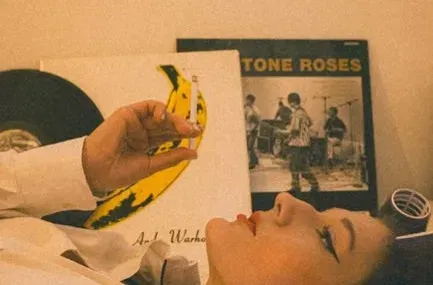
Produced under Andy Warhol’s name and wrapped in his now iconic banana artwork, this album barely registered on the charts when it came out. Its subject matter, ranging from addiction to sadomasochism to urban alienation, was far removed from the psychedelic optimism dominating rock at the time. The band’s droning guitars, distorted feedback, and flat vocal delivery clashed with nearly everything else on the radio in 1967.
Despite its commercial failure, the record became a foundational text for punk, alternative, and art rock movements over the following decades. Bands from the 1970s onward have cited it as the moment they realized rock music didn’t need polish to be powerful. Its influence is often described as disproportionate to its initial sales, a rare case where a record’s reputation grew almost entirely after the fact.
The Dark Side of the Moon – Pink Floyd (1973)

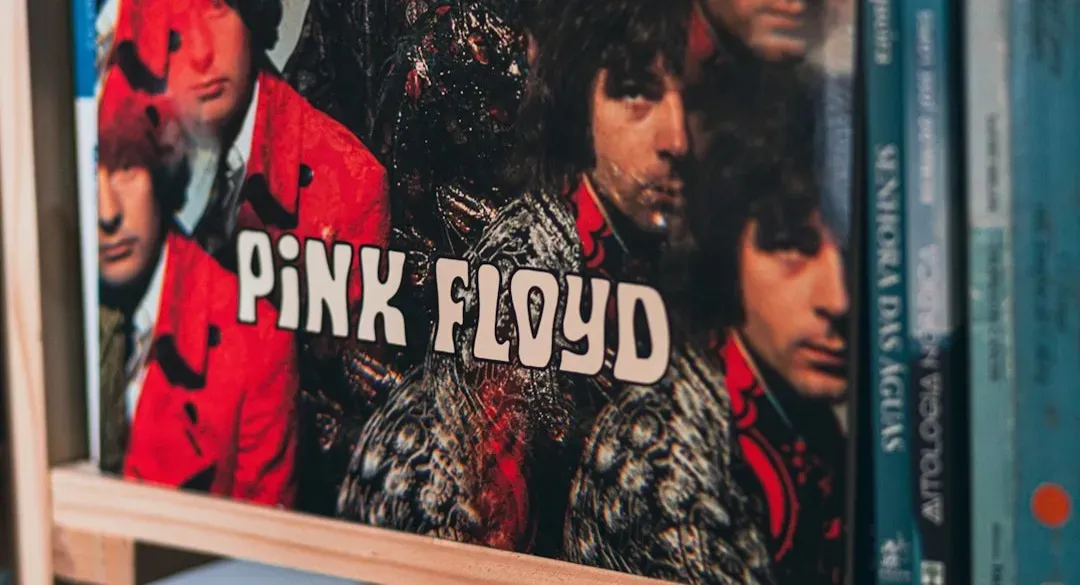
Pink Floyd’s eighth album took themes like mental illness, mortality, and time and wove them into a continuous, cinematic listening experience rather than a collection of separate songs. Engineer Alan Parsons helped craft a production so meticulous that the album still gets used to test high fidelity audio equipment. First released on March 1, 1973, The Dark Side of the Moon entered the albums chart at No. 95 on the week of March 17. Up to that point, the highest that Pink Floyd ever reached was No. 26 with their previous album, Obscured by Clouds. But this time, something was different. Over the next two months, The Dark Side of the Moon made its way further and further up the chart. Eventually, it dethroned Alice Cooper’s Billion Dollar Babies to take the top spot.
What makes the album remarkable is not just its peak position but its staying power. Pink Floyd’s evergreen album The Dark Side of the Moon continues to hold the record, by far, for the most charted weeks on the Billboard 200: 917! The set, which was released in 1973 and spent a week at No. More recently, those 996 nonconsecutive weeks would be the equivalent of more than 229 months, or more than 19 years, in total on the chart, a run no other album has come close to matching.
Rumours – Fleetwood Mac (1977)

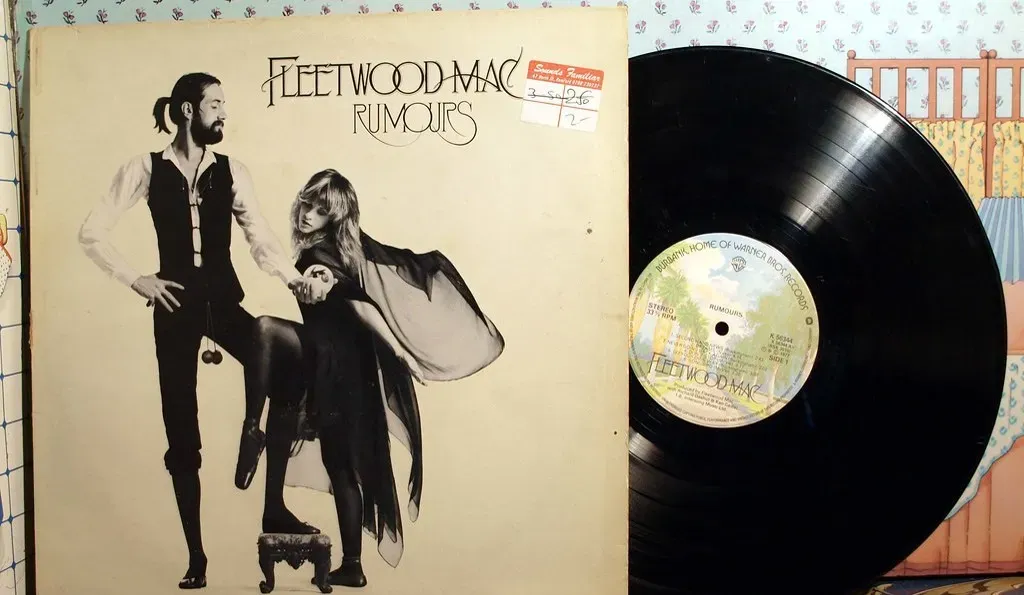
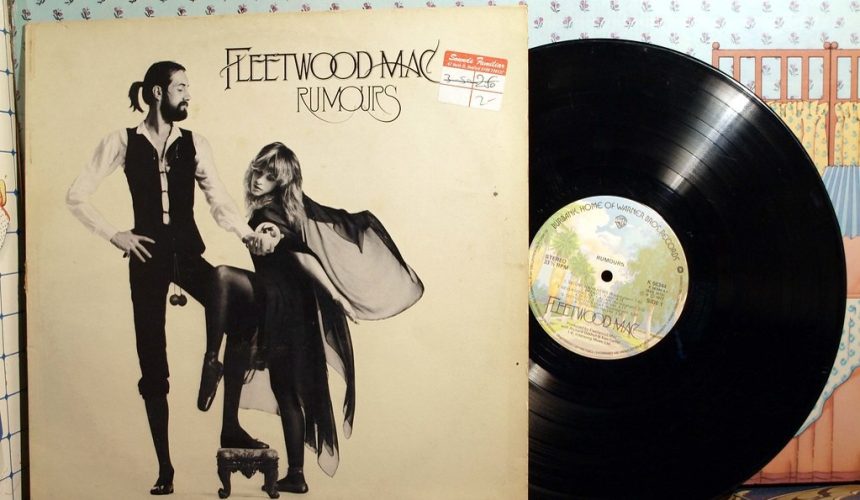
Fleetwood Mac recorded Rumours while nearly every romantic relationship inside the band was falling apart simultaneously, and that turmoil bled directly into the songwriting. The result was an album of breakup songs performed by the very people breaking up with each other, sung with a strange mix of heartbreak and defiance. Tracks like “Go Your Own Way” and “Dreams” turned personal wreckage into some of the most polished pop rock ever recorded.
Partner offer

Rumours went on to sell tens of millions of copies worldwide and became a benchmark for studio production values in mainstream rock. Its influence shows up less in radical sonic experimentation and more in how it proved confessional songwriting could sit comfortably inside glossy, radio friendly arrangements. Generations of pop and rock acts since have chased that same balance of raw emotion and studio polish.
Thriller – Michael Jackson (1982)
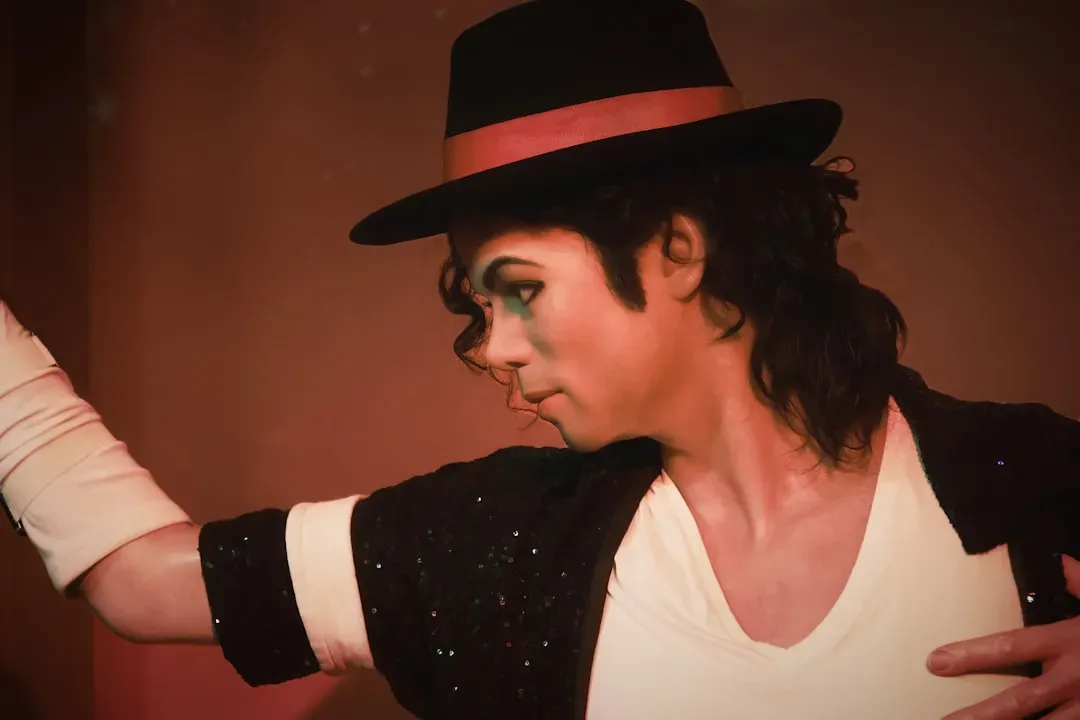
Produced with Quincy Jones, Thriller fused disco, funk, rock, and pop into a single record built almost entirely around potential singles. Produced by Jackson and Quincy Jones, Thriller spawned seven hit singles, including “Beat It” and “Billie Jean,” both of which reached number one on the Billboard Hot 100 chart. The accompanying videos were just as important as the music itself. Music videos for three of the album’s songs transformed the medium into an art form.
Commercially, the album’s dominance has never really been challenged. The album had a monumental impact on popular music and became the top-selling album of all time, a title it continues to hold more than 40 years after its release. While certification methods and sales estimates vary between sources, most tallies place its global sales somewhere between sixty and seventy million copies or more, a scale that reshaped how record labels approached crossover pop production for decades afterward.
The Chronic – Dr. Dre (1992)

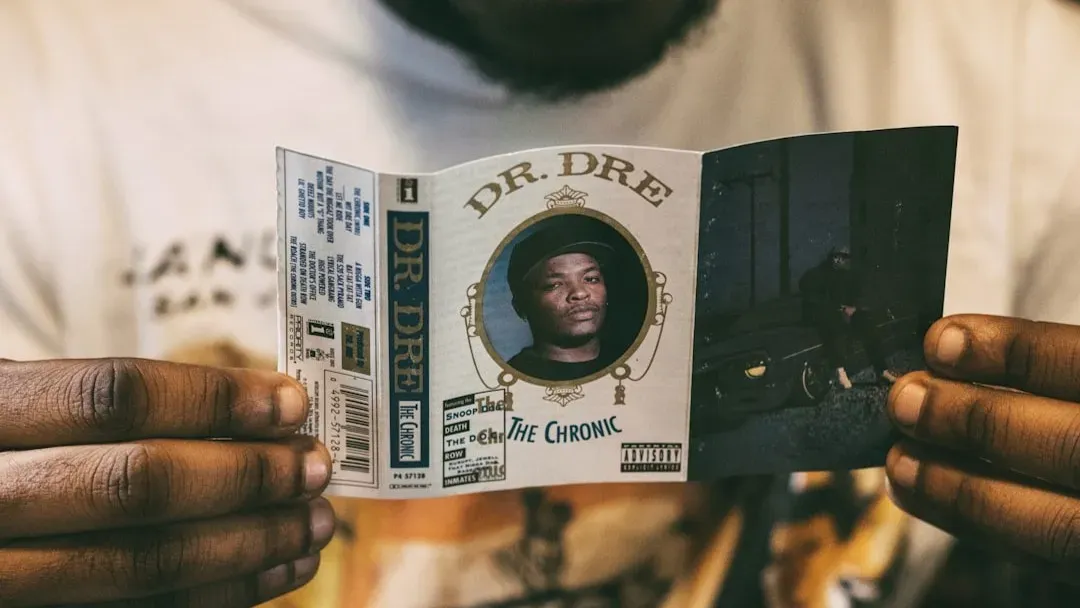
After leaving N.W.A, Dr. Dre launched Death Row Records and used his solo debut to introduce a sound built on slowed down funk grooves rather than the dense sampling common on the East Coast. Deploying a funk and sample infused strain of hip-hop, The Chronic introduced to the world the G-Funk sound and galvanized the West Coast hip-hop style that would completely dominate the genre. Unlike his contemporaries on the East Coast who sampled disco and jazz records, Dre’s brand of hip-hop relied upon the influences of George Clinton’s Parliament-Funkadelic collective.
The album also served as the launching pad for Snoop Doggy Dogg, whose laid back delivery became inseparable from the G-funk sound. Dre shifted hip-hop from the dense, sample-heavy East Coast sound toward a smoother, melodic but still hard-edged West Coast aesthetic built on live instrumentation and deep bass. That template shaped West Coast rap for the rest of the decade and continues to surface in production choices made by hip hop artists working today.
Nevermind – Nirvana (1991)

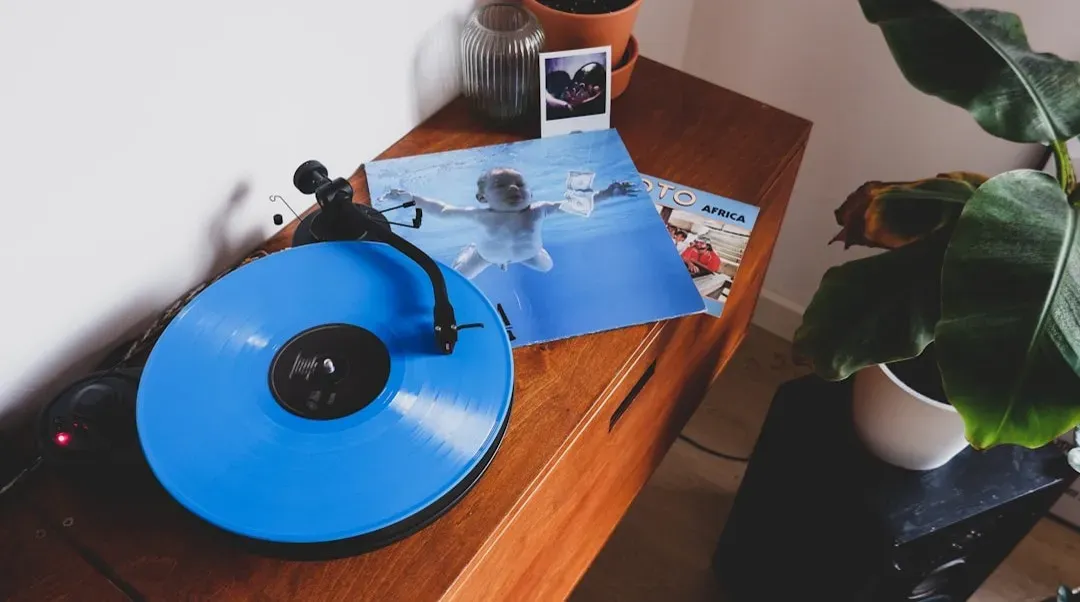
Nirvana’s second album took a Pacific Northwest underground sound and pushed it straight into the mainstream almost overnight. The Seattle-based alt-rock trio hit No. 1 on the Billboard 200, unseating Michael Jackson, with its major-label debut and ushered in the age of grunge. The single “Smells Like Teen Spirit” became the unlikely soundtrack to that shift. The album catapulted alternative rock, specifically the grunge subgenre fizzing in the Pacific Northwest, into homes across America, along the way spending a two-week run atop the Billboard 200.
Its arrival effectively ended the dominance of hair metal and glossy pop rock on mainstream radio almost overnight. The success of Nevermind ushered in the so-called grunge-rock era, which trained a spotlight on the Pacific Northwest music scene and helped pave the way for No. 1 albums from groups like Pearl Jam, Alice in Chains and Soundgarden. More than three decades later, it remains a reference point for what a raw, guitar driven rock record can achieve commercially without sanding down its edges.
OK Computer – Radiohead (1997)

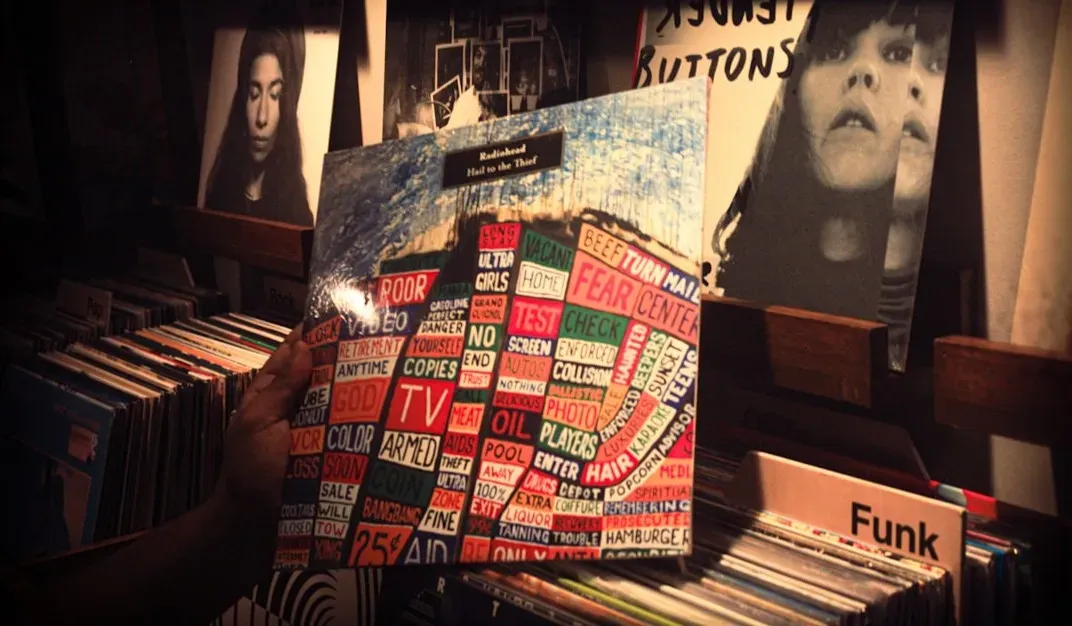
Radiohead followed up their breakthrough guitar rock with a record that layered electronic textures, unconventional song structures, and lyrics fixated on technology, alienation, and late capitalist anxiety. Songs like “Paranoid Android” abandoned traditional verse chorus form entirely, stitching together multiple distinct sections into single tracks. The production leaned on synthesizers and processed sounds in ways that felt closer to electronic music than to the band’s earlier work.
Critics initially struggled to categorize the record, unsure whether to call it art rock, alternative rock, or something else entirely, which turned out to be part of its lasting appeal. OK Computer is now frequently cited as one of the records that opened the door for guitar bands to experiment with electronic production without losing rock credibility. Its fingerprints are visible across two decades of indie and art rock acts who followed Radiohead’s lead in blending organic instrumentation with digital manipulation.
Ten albums, ten different eras, and ten completely different reasons for mattering. Some rewired the technology of recording itself, others simply proved that raw honesty or unpolished noise could outlast anything glossier. What ties them together isn’t a shared sound but a shared willingness to risk sounding wrong in order to sound like nothing that came before them.Partner offer
Planning a trip to Vegas?
Compare hotel rates and show tickets on VEGAS.com.