Sales figures are a blunt tool. They tell you how many people bought a record in the first year or two, and almost nothing about whether it would still matter decades later.
The ten albums below all met shrugs, thin chart positions, or outright indifference when they appeared. Time, other musicians, and stubborn word of mouth did the rest.
Pink Moon by Nick Drake (1972)
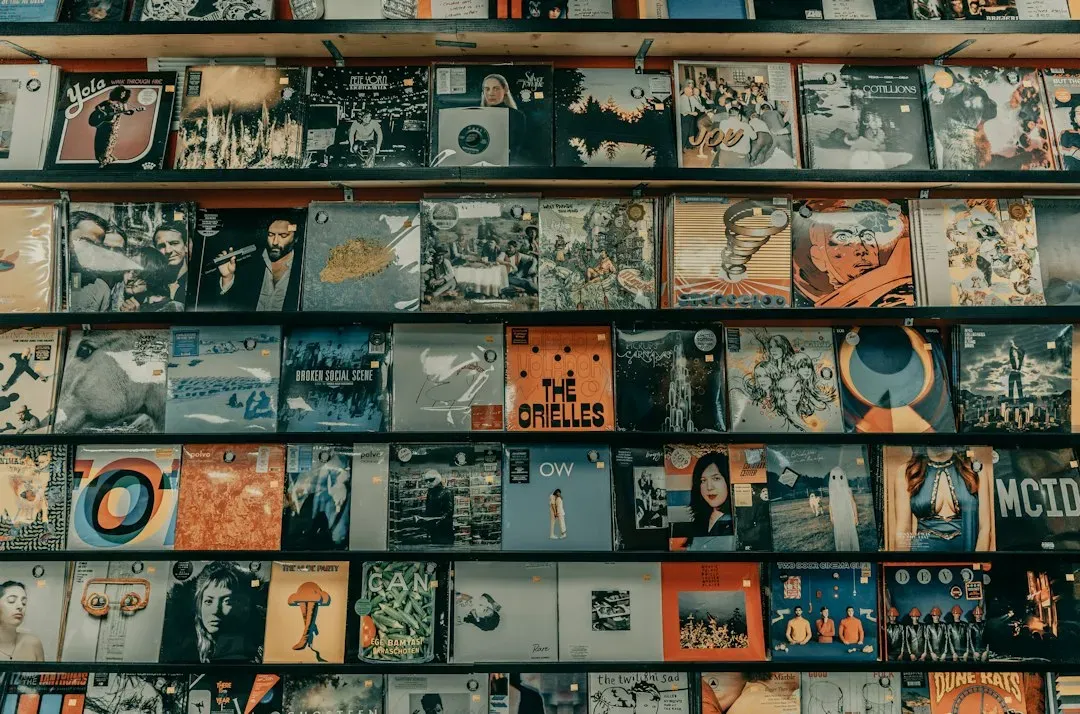
Nick Drake recorded Pink Moon in a couple of late night sessions, just his voice and guitar, with a small piano part added on one track. He delivered the tapes to Island Records with little fuss, and the label gave the release only modest promotion. Drake was reluctant to do interviews or play live, so there was little to push.
The album sold very few copies, and Drake died in 1974. Its second life began slowly through cult admirers, then accelerated when Volkswagen used the title track in a television advertisement around the year 2000. That exposure brought a new audience, and the record is now a fixture on lists of the greatest folk albums.
The Velvet Underground and Nico (1967)
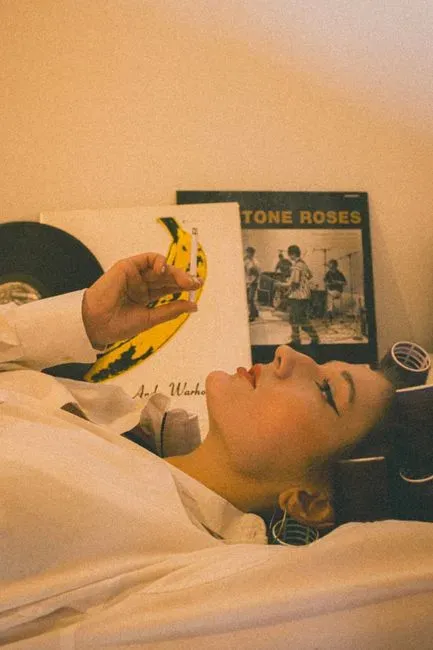
Andy Warhol produced and sponsored this debut, and its subject matter, including drug use and sexual taboos, made radio programmers nervous. It reached only the lower reaches of the American album chart and sold modestly. Legal and distribution troubles around the cover art did not help either.
The influence arrived later, through bands that formed after hearing it, from punk and new wave acts to indie groups of the 1980s and beyond. Rolling Stone’s all time album lists have placed it high, and the Library of Congress added it to the National Recording Registry. Few debut albums have shaped so much music while selling so little at first.
#1 Record by Big Star (1972)
Critics liked this Memphis power pop debut right away. The trouble was getting it into shops. It came out on Ardent through Stax Records, which had a distribution deal with Columbia, and that arrangement left many stores without copies.
Fans who wanted it often couldn’t find it, and the band’s momentum stalled. Over the following years, musicians such as members of R.E.M. and The Replacements kept naming Big Star as a formative influence. Reissues and a cult reputation have since turned the record into a touchstone for jangly guitar pop.
Forever Changes by Love (1967)
Arthur Lee’s Los Angeles band made an album of orchestrated, strange, and quietly anxious songs in the middle of the Summer of Love. It did better in Britain than at home, where its chart showing was modest and well below the level of contemporaries like The Doors. Love rarely toured widely, which limited its reach.
Over time, critics reframed it as one of the defining records of the decade. It regularly appears near the top of best album polls, and it has been reissued in expanded editions. The commercial shortfall now reads as a footnote to its reputation.
Spirit of Eden by Talk Talk (1988)
After synth pop hits, Talk Talk turned toward long improvised sections, silence, and sparse arrangements. EMI had expected something more commercial and was unhappy with the result. The album sold below the label’s hopes, and the band and company later clashed in court.
Spirit of Eden is now cited as a forerunner of post rock, with artists from many corners of alternative music acknowledging its pull. It has earned a place in countless retrospectives. Its patient, unhurried approach has aged far better than much of the polished pop of its year.
Marquee Moon by Television (1977)
The New York band’s debut found real admiration in Britain, where it reached the top thirty. In the United States, it sat well outside the top one hundred on the album chart. The interlocking guitars of Tom Verlaine and Richard Lloyd did not fit neatly into either punk or mainstream rock.
Critics have since held it up as one of the finest guitar records ever made. Its long title track in particular became a reference point for later bands. Plenty of musicians who never saw Television live say they learned from this record.
In the Aeroplane Over the Sea by Neutral Milk Hotel (1998)
Jeff Mangum’s second album came out on the small independent label Merge Records, and its early sales were modest. Mangum then withdrew from public view, so there was no sustained touring to build on. The record seemed destined to stay a niche favorite.
Through file sharing, message boards, and word of mouth in the 2000s, the album found a much larger audience. Merge has noted that it eventually sold far beyond its early numbers, and critics now treat it as an indie landmark. It’s an unusual case of a classic status created largely by listeners themselves.
Fun House by The Stooges (1970)
The Stooges’ second album was raw, loud, and recorded with a deliberate attempt to capture the energy of their live shows. It sold poorly, and Elektra eventually dropped the band. Contemporary reviews were mixed, and the record struggled to find radio support.
Punk musicians in the mid 1970s treated it as a blueprint, and its reputation grew accordingly. Expanded box sets of the sessions have since documented how it was made. Today it is routinely listed among the most influential hard rock records of its era.
Odessey and Oracle by The Zombies (1968)
The Zombies recorded their second album at Abbey Road with limited funds, and the band had split up by the time it was released. It did not sell well in the UK. Producer and American musician Al Kooper helped persuade Columbia in the US to issue it.
The single Time of the Season became a hit in America in 1969, but by then the band no longer existed. The album’s baroque pop arrangements gained steady admiration and landed on many best of lists. The members later reunited to perform it in full, a sign of how far its standing had risen.
Pet Sounds by The Beach Boys (1966)
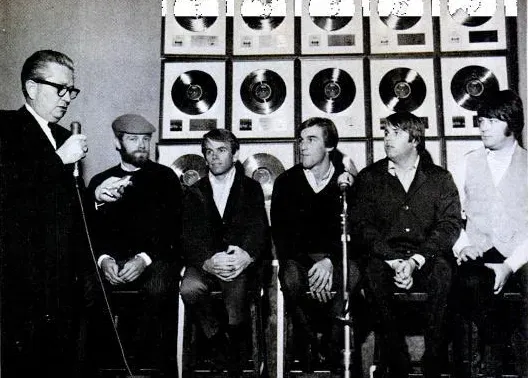
Brian Wilson’s ambitious album was a success in Britain but sold less than Capitol Records had expected in the United States. Its complex arrangements and introspective tone were a departure from the band’s surf and car songs. Capitol responded by rushing out a greatest hits compilation, which sold strongly.
Musicians, including the Beatles’ circle, spoke warmly of it, and critics gradually elevated it to the top tier of pop history. It frequently appears at or near the top of all time album rankings. The gap between its first reception and its current standing is among the widest in popular music.