Horror trends come and go, but a small handful of films refuse to lose their grip on audiences no matter how many years pass. Fans keep returning to these titles not out of nostalgia alone, but because something about their craft, their restraint, or their sheer audacity still lands with full force. Streaming platforms, anniversary re-releases, and endless online discussion threads prove that these movies never really left the cultural conversation.
What follows is a look at eight films that horror communities consistently name as still genuinely frightening, decades after their original release. Each one earned its staying power through a mix of technical innovation, cultural shock, and storytelling choices that newer films still study and imitate.
1. The Exorcist (1973)
William Friedkin’s adaptation of William Peter Blatty’s novel remains the gold standard for many horror fans, and its opening weeks in theaters produced some of the most extreme audience reactions ever recorded. The extreme audience reactions to the 1973 release of The Exorcist are well-known, with reports of audience members walking out, fainting, vomiting, or passing out from fear and disgust circulated to the point of being the stuff of Hollywood legend. That kind of visceral response gave the film a reputation that has never really faded.
Its box office numbers matched the hysteria. The Exorcist was the highest-grossing R-rated horror movie for over 40 years, even without adjusting for inflation, before it was dethroned in 2017. Fans today argue it still works because, as critics have noted, the best horror movies don’t rely on cheap jump scares or gimmicky visuals to grip an audience, instead rooting their horror in a theme that resonates regardless of person, culture, or decade.
2. Psycho (1960)
Alfred Hitchcock’s shower scene changed cinema in ways that still echo through modern thrillers and slashers alike. The film shocked audiences with its infamous 45-second “shower scene,” a heart-stopping sequence after which nothing would ever look the same. The scene’s construction was almost obsessive in its precision, built from dozens of separate shots edited together to create maximum unease without ever showing the actual stabbing on screen.
Film historians still dissect the sequence today. In just 45 seconds, Hitchcock deployed over 70 camera setups, and the stabbing itself is never directly shown, with the horror instead implied through editing, Bernard Herrmann’s shrieking string score, and a choreography of unsettling details. Even the fake blood was a clever workaround, since Hitchcock relied on chocolate syrup to get the right texture on black and white film. That combination of craft and restraint is exactly why horror fans still point to Psycho as proof that suggestion can be scarier than explicit violence.
3. The Shining (1980)
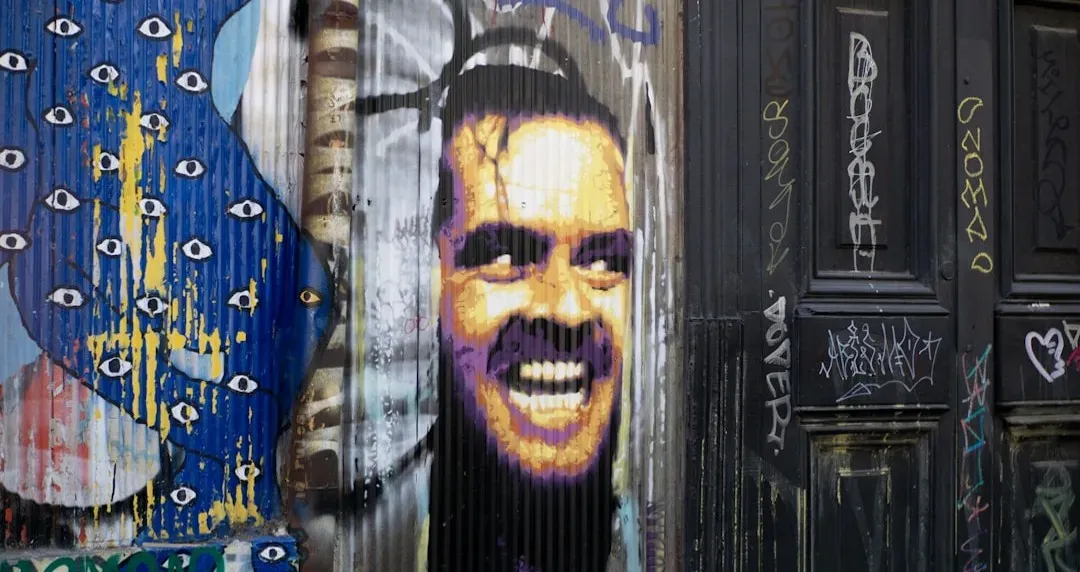
Stanley Kubrick’s take on Stephen King’s novel was famously met with mixed reviews upon release, yet it has since become one of the most analyzed horror films ever made. The Shining was released in 1980 as Stanley Kubrick’s 11th feature film as director, and despite receiving less than a favourable response at the time, it has gone on to be regarded as one of the greatest horror movies ever made. Its slow-burn dread, unsettling symmetry, and disorienting hotel geography still unsettle viewers who watch it for the first time.
Part of the film’s mystique comes from its notoriously demanding production. Jack Nicholson had worked as a volunteer firefighter earlier in life, so when it came to breaking down a door with an ax in the iconic scene, he actually broke the prop doors too easily, and dozens of doors later, audiences got one of the most terrifying moments in horror. That obsessive attention to detail, paired with Kubrick’s eerie visual language, is why fans still consider the Overlook Hotel one of horror’s most disturbing settings.
4. Halloween (1978)
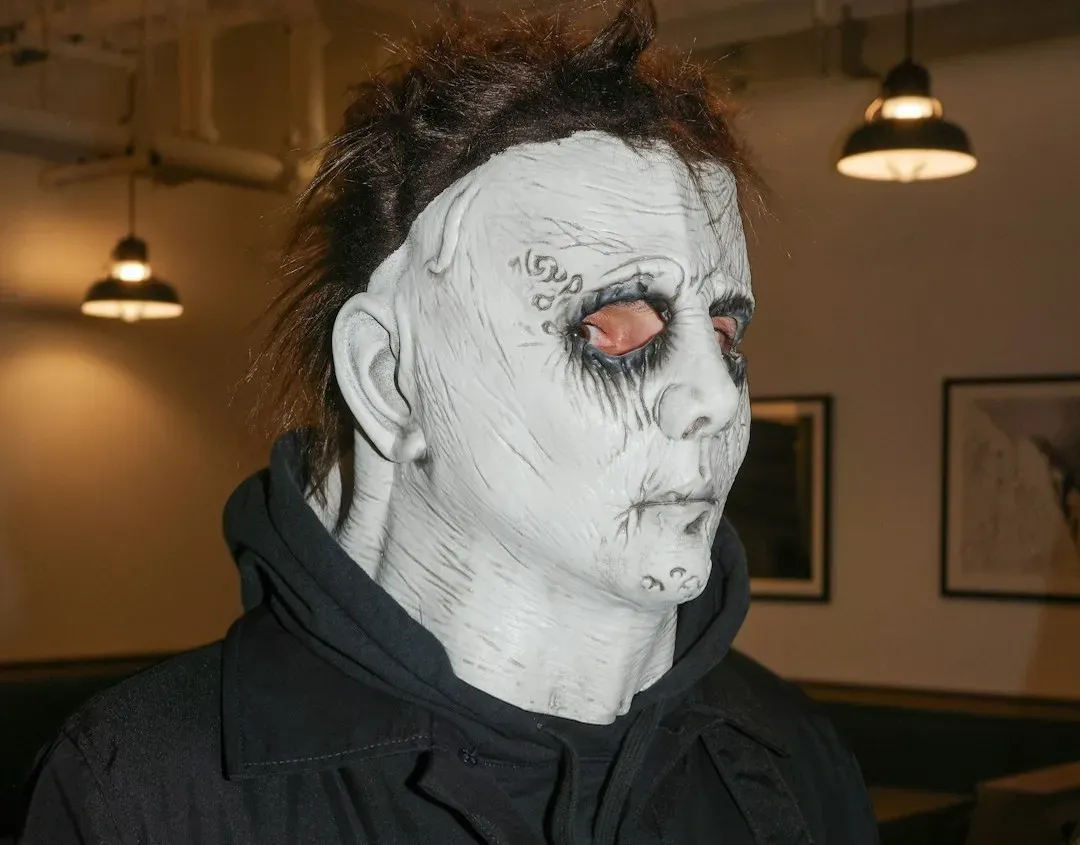
John Carpenter’s low-budget slasher introduced a killer whose blankness became more frightening than any elaborate backstory could have been. Halloween, directed by John Carpenter in 1978, is credited with popularizing the slasher genre and introducing the iconic character Michael Myers. The film’s minimalist score, tight pacing, and unsettling point-of-view shots created a template that countless later slashers tried to copy without ever quite matching it.
Even the mask itself became part of the film’s mythology through happy accident rather than design. The mask that Michael Myers wears in Halloween is iconic, but John Carpenter merely described it as “a pale mask” that is “almost featureless.” That featurelessness is precisely why fans still find the character unsettling nearly fifty years later; there’s nothing human to latch onto, which makes him feel less like a person and more like an inevitability.
Partner offer
5. The Texas Chain Saw Massacre (1974)

Tobe Hooper’s grimy, sun-scorched nightmare remains one of the most physically uncomfortable horror films ever shot, largely because of how it was made. Tobe Hooper’s docu-style nightmare follows a group into Leatherface’s cannibal clan lair, with the dinner scene’s hammer swing and meat-hook impalement shocking audiences with documentary grit, filmed in blistering heat. That rawness gives the film a texture that slicker, more polished horror movies simply can’t replicate.
Its roots in real crime add another layer of unease that fans still bring up in discussions of the film. The Texas Chainsaw Massacre was inspired by real-life serial killer Ed Gein. Combine that grim inspiration with a punishing shoot and a nearly plotless descent into chaos, and it’s easy to see why this film still leaves new viewers rattled.
6. A Nightmare on Elm Street (1984)

Wes Craven’s dream-stalking villain tapped into a fear that everyone shares: the vulnerability of sleep. The concept reportedly grew from unsettling real-world reports, since Nightmare on Elm Street is known to be inspired by a series of unexplained real-life deaths, with Wes Craven using the concept of dreams to explore what we can truly know. That premise alone gives the film a psychological hook that outlasts its dated practical effects.
The production also carried real financial stakes that shaped horror history. New Line Cinema is sometimes called “The House That Freddy Built” because they were on the verge of bankruptcy before the success of A Nightmare on Elm Street. Freddy Krueger’s design choices, particularly his signature weapon, were rooted in practical thinking as much as nightmare logic, since Craven cited practical reasons behind the now-iconic glove, being easy to make and transport, but also to mix the bestial threat of claws with a very human appendage, the hand. Decades later, fans still cite the dream-logic setting as one of horror’s smartest gimmicks, because it means literally nowhere is safe.
7. Alien (1979)
Ridley Scott’s sci-fi horror hybrid terrified audiences by trapping them in the same claustrophobic corridors as its doomed crew. The film’s slow build, industrial production design, and H.R. Giger’s biomechanical creature design gave it a sense of dread that many horror fans still consider unmatched. Its most famous sequence, in which an alien bursts violently from a crew member’s chest during what appears to be a routine dinner scene, remains one of the most shocking moments ever filmed, partly because the cast’s genuine shock reactions were captured on camera without full advance warning of how graphic the effect would be.
What makes Alien endure isn’t jump scares alone but its patient, almost suffocating atmosphere. The Nostromo’s dim, cluttered interior feels lived-in and real, which makes the creature’s presence somewhere in the dark far more unsettling than a more polished set would allow. Horror fans frequently point to this film as proof that dread built through pacing and environment can be just as effective as outright gore.
8. Jaws (1975)
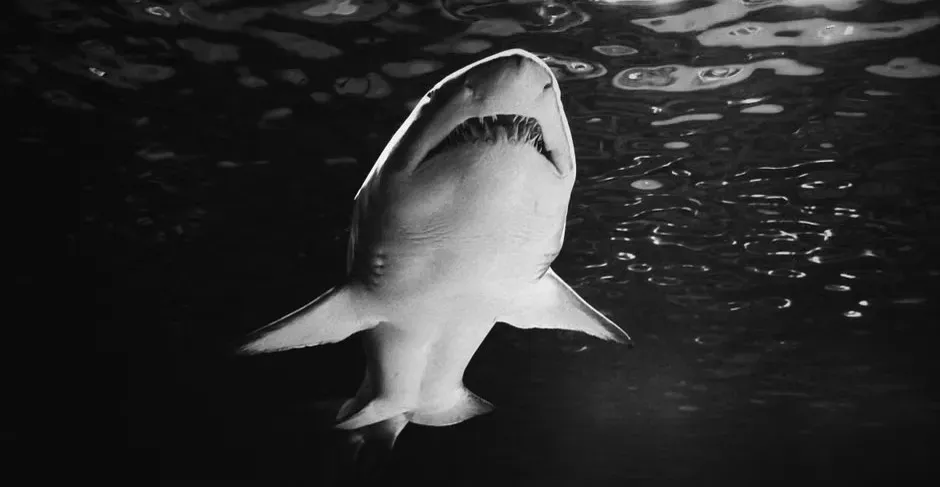
Steven Spielberg’s ocean thriller technically sits at the edge of the horror genre, yet it permanently changed how millions of people feel about swimming in open water. Jaws was the first movie to ever gross over $100 million at the box office, a milestone that reflected just how thoroughly it captured the public imagination. Much of its terror actually stemmed from necessity, since the mechanical shark rig famously malfunctioned throughout production, forcing Spielberg to suggest the creature’s presence through John Williams’ now-iconic score and glimpses of fins rather than full reveals.
That restraint turned out to be the film’s greatest strength. By keeping the shark hidden for most of the runtime, Jaws built tension through anticipation rather than spectacle, a lesson horror filmmakers still study today. Fans continue to cite it as a reminder that what audiences don’t see can be far more terrifying than what they do.
These eight films span nearly two decades of filmmaking, yet they share a common thread: none of them lean solely on gore or shock value to unsettle viewers. Instead, each one builds dread through atmosphere, restraint, and ideas that tap into fears deeper than any monster design could achieve alone. That’s likely why horror fans keep returning to them generation after generation, finding new details to admire even after dozens of rewatches.
Modern horror continues to innovate, yet these classics remain touchstones precisely because they got the fundamentals right. Fear, it turns out, ages remarkably well when it’s built on genuine craft rather than fleeting trends.
Partner offer
Planning a trip to Vegas?
Compare hotel rates and show tickets on VEGAS.com.