
Most albums are made to fill a room. Producers work on monitor speakers, checking the low end on car stereos, making sure the mix translates across every possible playback scenario. Headphones were often an afterthought – a quick check, not the primary medium. Yet some records, whether by design or by accident, end up revealing an entirely different personality once you put them on a pair of cans and close your eyes.
These aren’t just albums that sound good on headphones. They’re albums that sound genuinely changed – deeper, stranger, more intricate, or more unsettling than you ever imagined when listening through speakers. Some were built that way from the start. Others stumbled into headphone greatness through sheer complexity. All ten are worth the experiment.
1. Pink Floyd – The Dark Side of the Moon (1973)

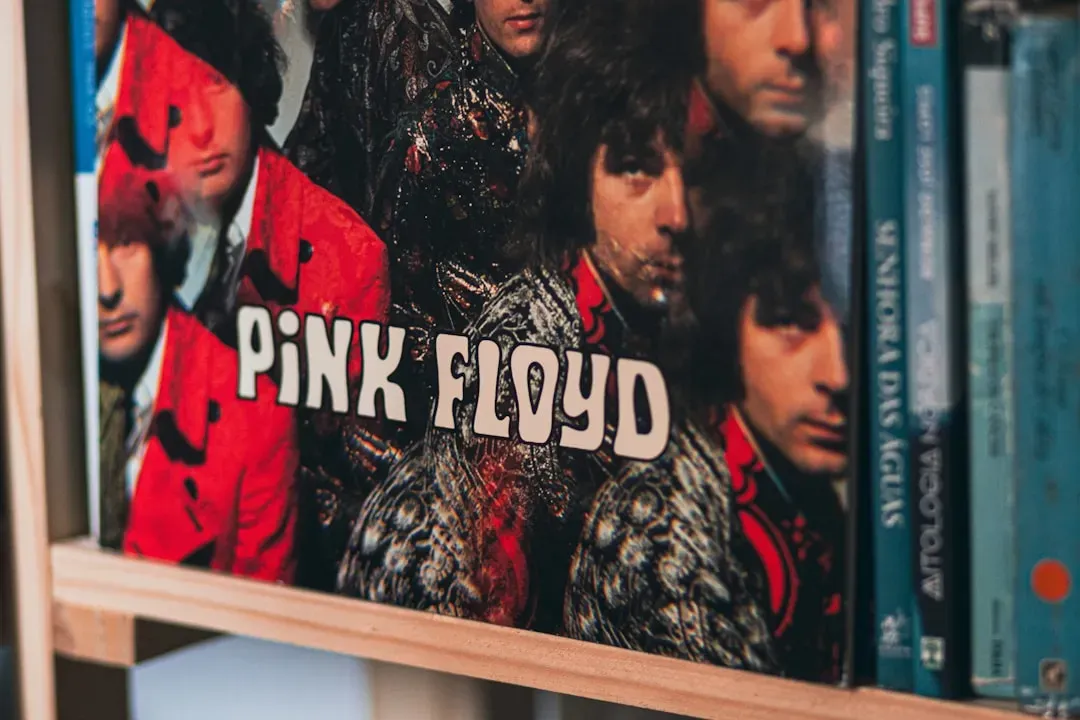
The Dark Side of the Moon is an album exquisitely crafted for the listening room inside your head. On speakers, it sounds majestic – deep, cinematic, and spacious. Through headphones, something stranger happens. Guttural synths fly left and right, punching through snatches of voices, while running footsteps travel around your skull chased by lunatic laughter.
The group employed multitrack recording, tape loops, and analogue synthesisers, including experimentation with the EMS VCS 3 and a Synthi A. Pink Floyd, engineer Alan Parsons, and Thomas achieved a perfect studio album where effects are used to amplify not just the experience of listening, but the actual meaning of the songs. The clocks, the heartbeats, the cash registers sliding across the stereo field – none of it hits quite the same way until it’s happening directly inside your head.
2. Radiohead – OK Computer (1997)

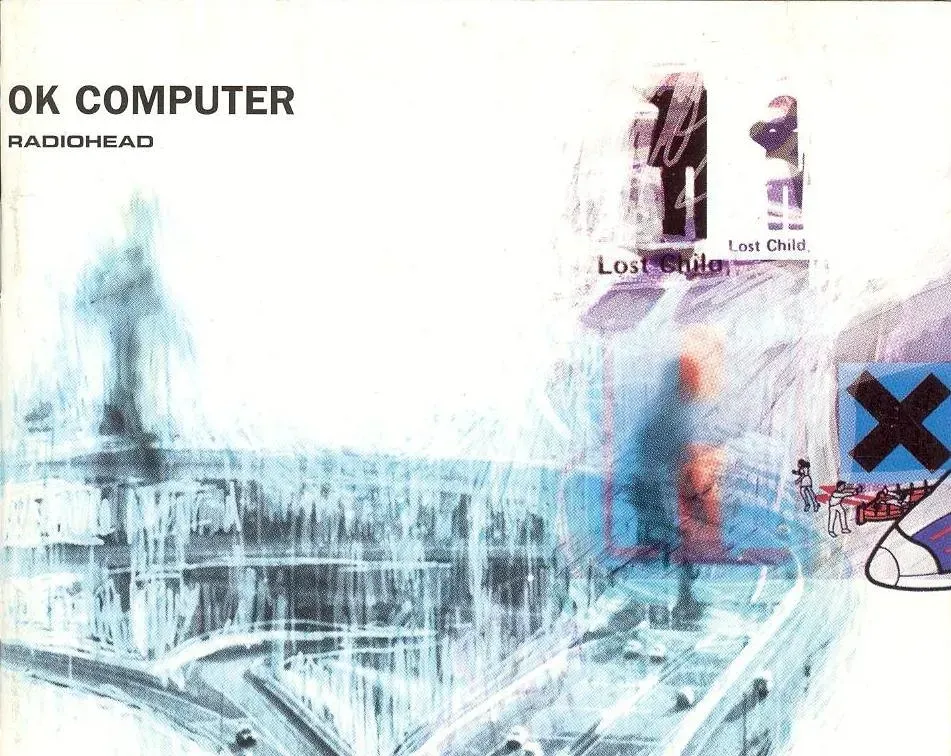
OK Computer’s abstract lyrics, densely layered sound, and eclectic influences laid the groundwork for Radiohead’s later, more experimental work. Radiohead used unconventional production techniques, including natural reverberation and no audio separation. That decision, counterintuitive in a studio context, creates something remarkable in headphones – instruments bleed into each other in ways that feel organic rather than clinical.
The band utilized the natural reverb of the mansion’s rooms to add depth and atmosphere to their recordings, capturing an acoustic signature that speakers tend to flatten out. The drum loop used for “Airbag” was run through Jonny Greenwood’s guitar effects pedals, while “Karma Police” incorporated the buzzing sound of an overworked fridge. Those details – so subtle they barely register on speakers – become genuinely startling under headphones.
3. Björk – Vespertine (2001)


Björk’s “Vespertine” was designed for intimacy, and nowhere does it come to life more than in a pair of headphones. The album is full of microbeats, tiny crackles, and whispered vocals that seem to brush right past your ear. Released in 2001, “Vespertine” was praised by The Guardian and other music critics for its “microscopic” attention to detail – so much so that some sounds are nearly inaudible on regular speakers.
It’s delicate but dense, a swirl of whispery vocals and glistening textures that rewards close listening. Even with its digital bones, Vespertine never feels cold. Headphones pull these elements into focus, making the album feel almost tactile, like you can reach out and touch the music. For many fans, it’s an album that feels like it’s just for you, full of hidden spaces and soft surprises.
4. The Beatles – Sgt. Pepper’s Lonely Hearts Club Band (1967)
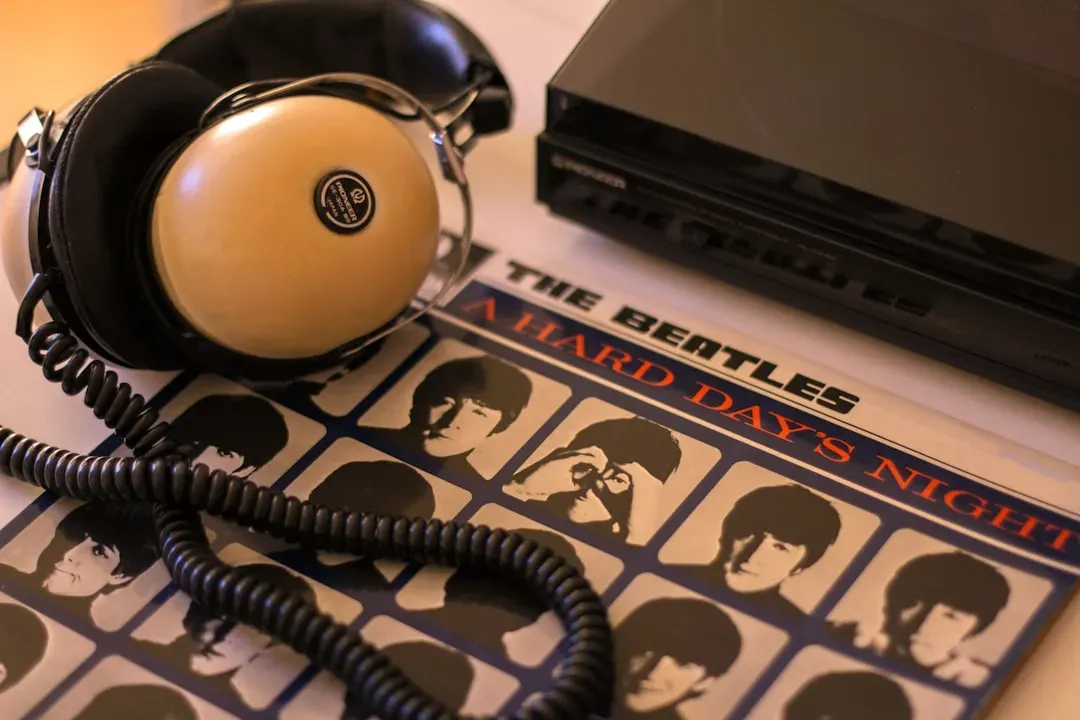
The way the instruments and vocals are split between the left and right ears is downright surprising, sometimes even a little dizzying. Paul McCartney’s bass might bounce from one side while John Lennon’s voice floats in the other, making each track feel like a live experiment in sound. The album was recorded in 1967 when stereo mixing was still new, and producer George Martin took full advantage, using the studio like a painter uses a canvas.
Some listeners are even startled by how much they hear in headphones that just gets lost on speakers – little laughs, odd percussion, even studio chatter. The extreme left-right panning, considered somewhat radical at the time, was a consequence of the early stereo era’s approach to separation. Today, that same approach makes the record feel almost three-dimensional through a good pair of headphones.
5. Tame Impala – Lonerism (2012)

On “Lonerism,” headphones transform each song into an intricate puzzle, full of layered synths, echoing vocals, and psychedelic effects. The reverb-drenched voice seems to float right inside your head, while the guitars and keyboards swirl around in circles. Released in 2012, the album’s production style is meticulous, with tiny details – like the hiss of a tape or a distant laugh – suddenly popping out on headphones.
Fans often say the experience is almost like listening in 3D, and it’s a favorite for late-night, solitary listening sessions. The emotions behind the music – loneliness, wonder, youth – feel sharper and more personal when you’re sealed off from the world with headphones on. Kevin Parker recorded and produced the album largely alone, which might explain why it feels so interior, so private, as an experience.
6. Radiohead – Kid A (2000)


Departing from their earlier sound, Radiohead incorporated influences from electronic music, krautrock, jazz, and 20th-century classical music, with a wider range of instruments and effects. When you listen with headphones, you notice details buried in the mix – fragments of synthesizer melodies, processing artifacts, vocal layers so heavily processed they become pure texture. On speakers, Kid A can seem cold and distant. Through headphones, it pulls you inside.
For Kid A, Jonny Greenwood added ondes Martenot and sounds sampled from radio stations, and Yorke’s vocals were processed with a ring modulator. In November 1999, Radiohead recorded a brass section inspired by the “organised chaos” of Town Hall Concert by the jazz musician Charles Mingus, instructing the musicians to sound like a “traffic jam.” That density of layered intention is exactly what headphones reveal – the record was always busier than it appeared.
7. Daft Punk – Random Access Memories (2013)

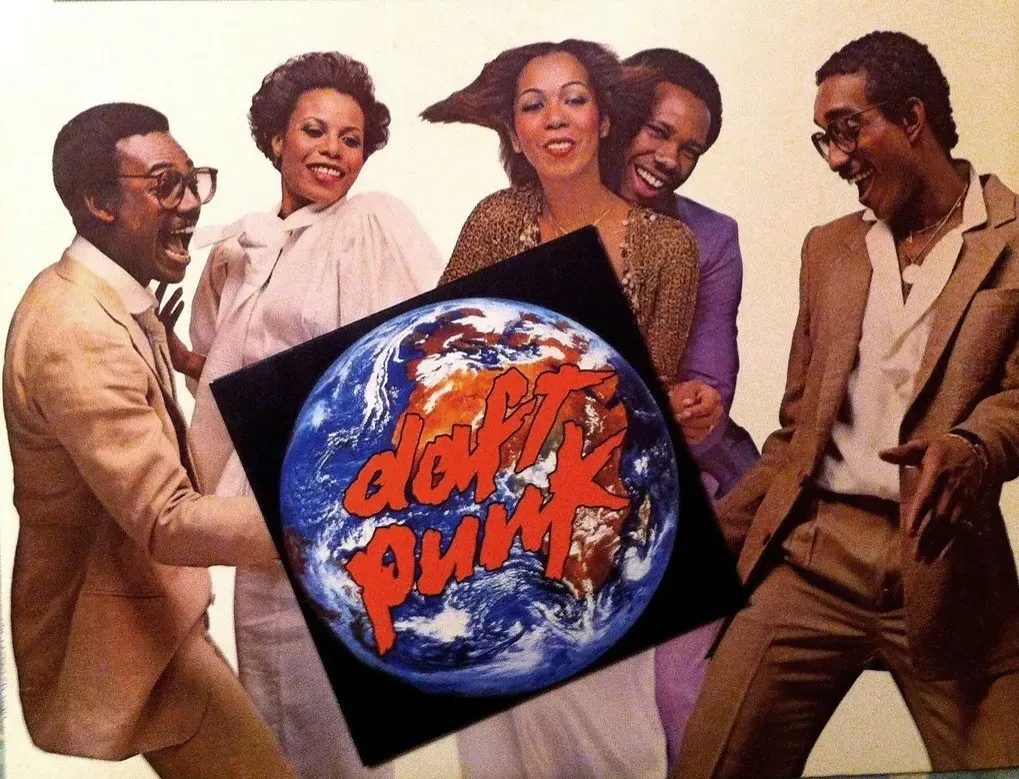
Daft Punk set out to make a love letter to the golden age of studio recording – and they didn’t cut corners. Guitars breathe, synths sparkle, and the groove hits hard without ever feeling crowded. Random Access Memories bridges past and future in the most hi-fi way possible – a rare digital-era album that feels thoroughly analog at heart.
For the best experience, reach for the vinyl edition. It preserves more of the album’s dynamic range, offering a wider, more immersive presentation compared to the more compressed digital releases. Through headphones, the separation between instruments becomes genuinely architectural – you can hear exactly where each player is sitting in the room. Giorgio Moroder’s voice feels close enough to touch during his extended monologue, and the bass on “Lose Yourself to Dance” takes on a physical quality that speakers rarely capture.
8. Fleetwood Mac – Rumours (1977)

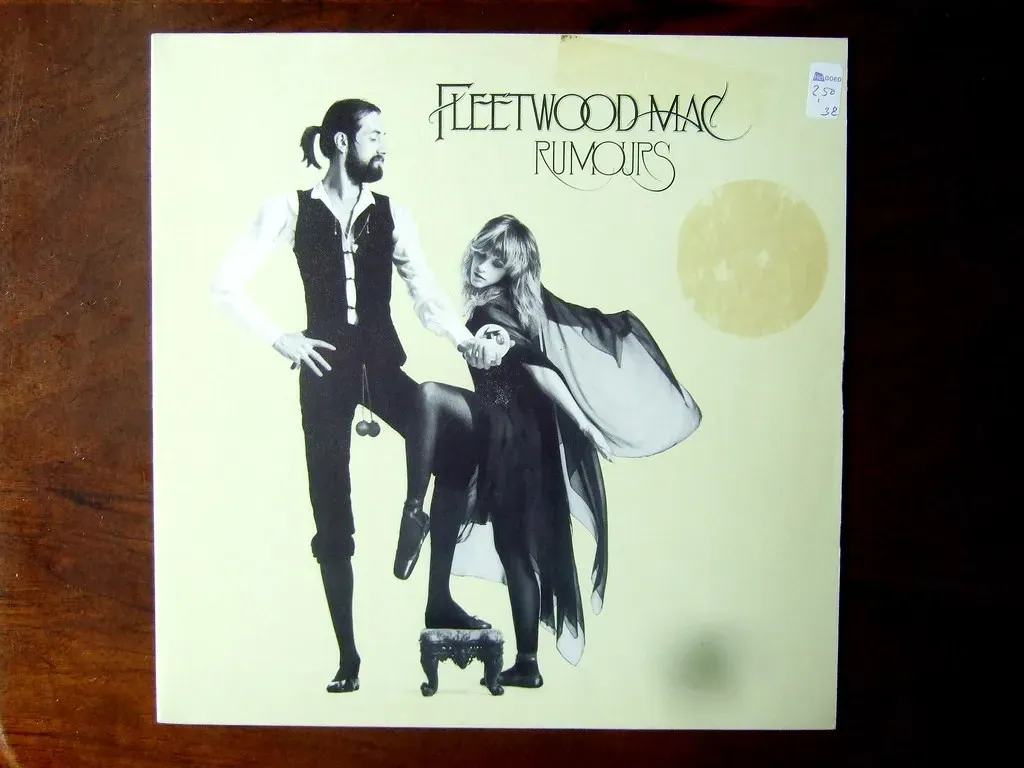
Behind the drama and the heartbreak was one of the cleanest, most finely crafted pop-rock albums ever made. Rumours may have been born in chaos, but it sounds like absolute control. Every element is dialed in: Buckingham’s guitar, McVie’s warm harmonies, the iconic Zellerbach Auditorium reverb on “Songbird.” On a living room stereo, those details exist as a pleasant wash. In headphones, they become individual and specific.
The tension between band members during recording actually intensified the performances, and you feel that through headphones in a way that casual listening misses entirely. Backing harmonies that seem like decoration through speakers reveal themselves as emotionally complex countermelodies when listened to closely. The dynamics of the acoustic guitar on “The Chain” and the interplay of three distinct vocal personalities are each easy to trace once you listen this way.
9. Joni Mitchell – Blue (1971)
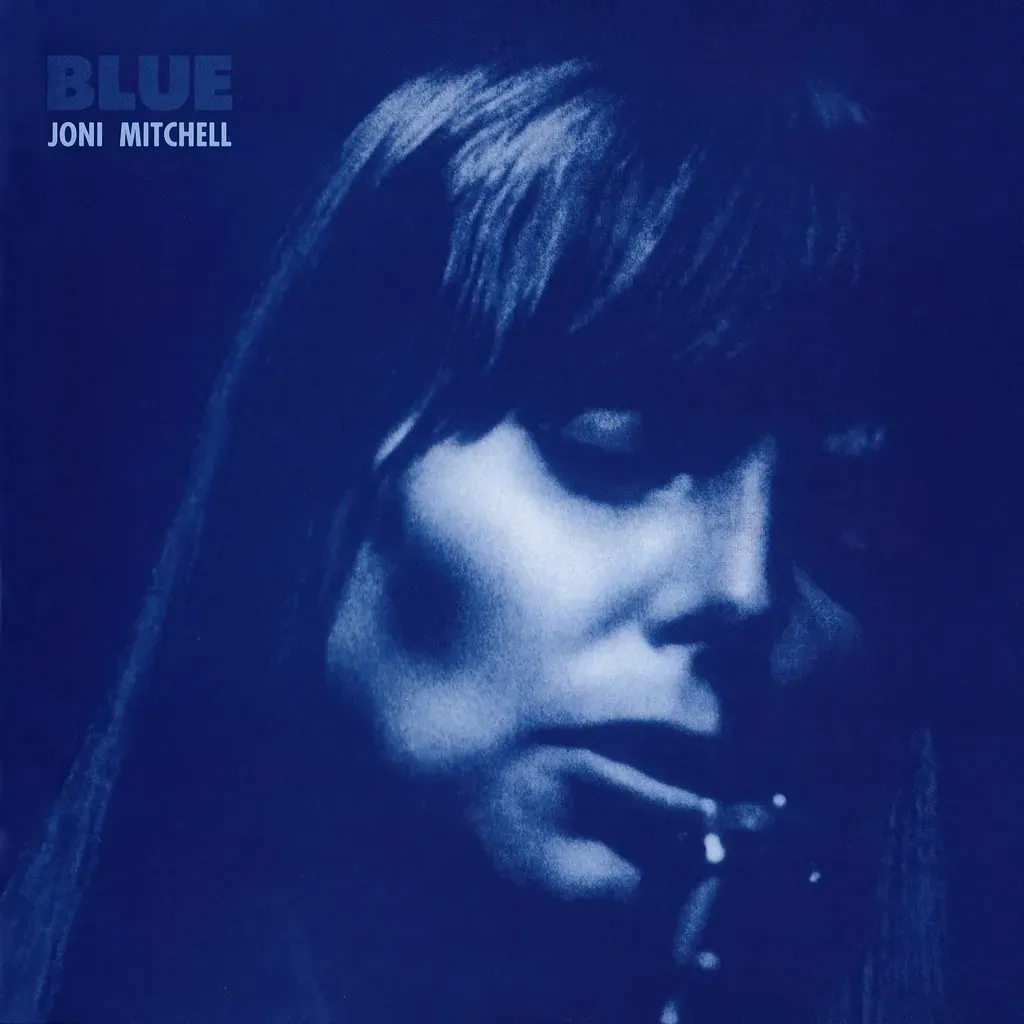
Joni Mitchell’s masterpiece, Blue, is a spare, sparse record showcasing the Canadian’s pure stripped-down songwriting. It’s recorded to be highly revealing – with headphones, you can hear the piano pedals moving in the title track – which is entirely appropriate given the confessional nature of the songs. That kind of detail isn’t usually something a listener would register on speakers. Through headphones, it feels like sitting beside someone in a room.
Mitchell made Blue with almost no production buffer between her voice and the microphone. That nakedness is both the album’s artistic strength and its headphone revelation. Each breath, each wavering note, each moment of hesitation becomes part of the listening experience rather than something smoothed away by distance or room acoustics. It’s rare that an album this old still feels this present.
10. Bon Iver – 22, A Million (2016)

Bon Iver’s “22, A Million” is a strange, glitchy, and beautiful record that almost demands headphones. The production is full of digital manipulation – vocals that are auto-tuned, chopped up, and layered in unexpected ways. On speakers, the album’s textures blur together into something ambient and impressionistic. Headphones separate the layers and reveal a kind of structured complexity that isn’t immediately obvious.
In 2025, headphone design has become more sophisticated, with better driver control, wider staging, cleaner wireless codecs, and more aggressive tuning choices, meaning that the music you choose matters more than ever. Few albums benefit from that improved technology more than 22, A Million, a record built from fragmented samples, vocoder treatments, saxophone loops, and devotional folk melody, all compressed into something that sounds simultaneously ancient and alien. Every time through, headphones surface something new.
Across all ten of these records, the pattern is the same: the album you thought you knew was only the surface. Headphones don’t change the music – they reveal what was always there, waiting for the right kind of attention.