There’s a strange irony buried deep in the music business. Some of the most beloved songs ever recorded almost belonged to someone completely different. Songwriters pitch tracks constantly, and the right artist for a song isn’t always the first one to hear it. A quick pass, a scheduling conflict, or simply not feeling the vibe can redirect the entire trajectory of a track.
The stories behind these redirected songs are often fascinating, occasionally baffling, and always a reminder that great music tends to find its way to the right stage eventually. Here are nine real cases where an artist said no, and somebody else said yes to a career-defining hit.
“…Baby One More Time” – Britney Spears (Turned Down by TLC and Robyn)


Swedish hitmaker Max Martin had a creative misunderstanding at the core of this one. He thought “hit me” meant “call me,” so when he pitched the song to American R&B trio TLC with the working title “Hit Me Baby,” the response was ice cold. TLC couldn’t picture themselves delivering that line. The song was then sent to Swedish pop singer Robyn, but she thought it was too “teen” for her image.
The track was ultimately given to Spears, who immediately loved it and jumped at the opportunity to record it as her debut single. Still a teenager, she was launched onto the global stage with its release, which became a hit not just in the States but internationally too. Even today, nearly 30 years after it first hit the airwaves, “…Baby One More Time” is a definitive song in pop culture history.
“Umbrella” – Rihanna (Turned Down by Britney Spears)


When songwriters Tricky Stewart, The-Dream, and Kuk Harrell conceived “Umbrella,” they intended it to be Britney Spears’ next big hit. However, Spears’ team turned it down. Apparently, they felt adding another track to her upcoming Blackout album was unnecessary. Label executives also reportedly turned it down in favor of other material, after which it was sent over to Mary J. Blige, who turned it away too.
The demo floated around for a bit until it eventually reached Rihanna, who connected to the song almost instantly. The song became a global phenomenon and solidified Rihanna’s place in pop history. It’s one of those rare cases where multiple rejections made the final landing that much more powerful.
“Happy” – Pharrell Williams (Turned Down by CeeLo Green)

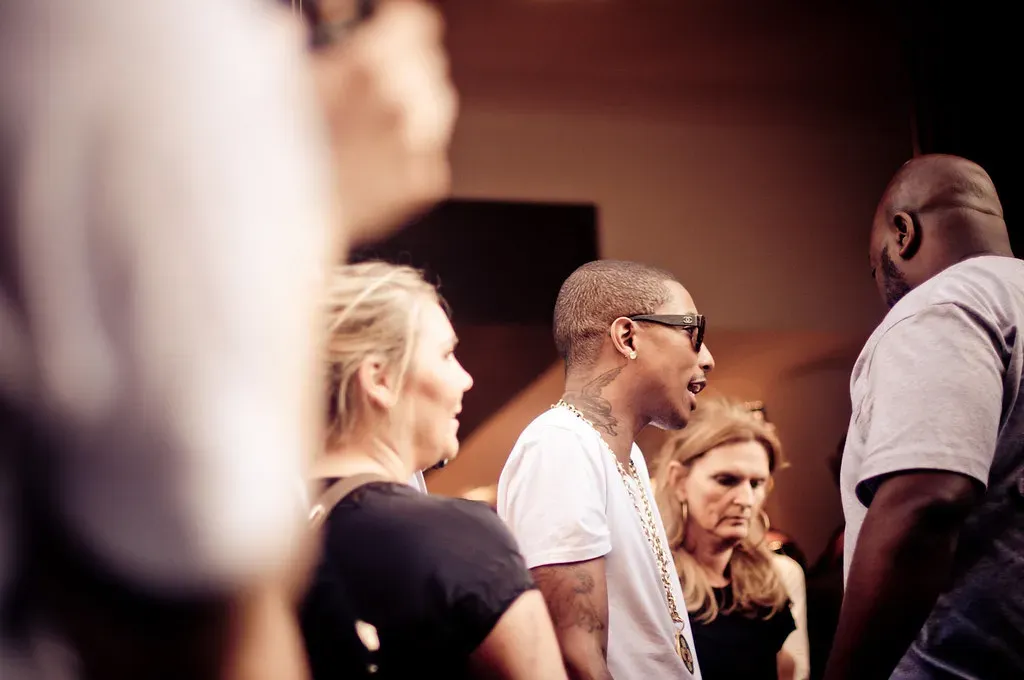
Pharrell wrote “Happy” for CeeLo Green, but CeeLo’s label wanted him to continue working on a Christmas album, which ultimately failed to connect. Pharrell admitted the song was intended for Green, but his team said it “wasn’t a hit.” According to Pharrell, when Green sang it, it actually sounded quite amazing.
It was Pharrell’s tenth attempt to get a song onto the Despicable Me 2 soundtrack after nine rejections, and even “Happy” was rejected on the first listen. The song eventually hit number one in roughly two dozen countries, including Australia where it reached eleven times platinum, with world sales of around fourteen million copies and a Grammy-winning video with a billion views in its first four years.
“Since U Been Gone” – Kelly Clarkson (Turned Down by Pink and Hilary Duff)


Kelly Clarkson’s energetic anthem “Since U Been Gone” was almost sung by someone else entirely. Songwriters Max Martin and Dr. Luke initially offered the song to Pink and Hilary Duff, but both artists passed on it. Pink turned it down first, and when it went to Hilary Duff, she apparently couldn’t quite hit the high notes the song demanded.
The song ended up being the lead single from Kelly’s album Breakaway, marking her move into a more pop-rock space. Clarkson’s raw vocals and powerful delivery made the song a massive success, helping define her career. It’s a track so associated with her now that imagining it belonging to anyone else feels genuinely strange.
“What’s Love Got to Do with It” – Tina Turner (Turned Down by Multiple Artists)

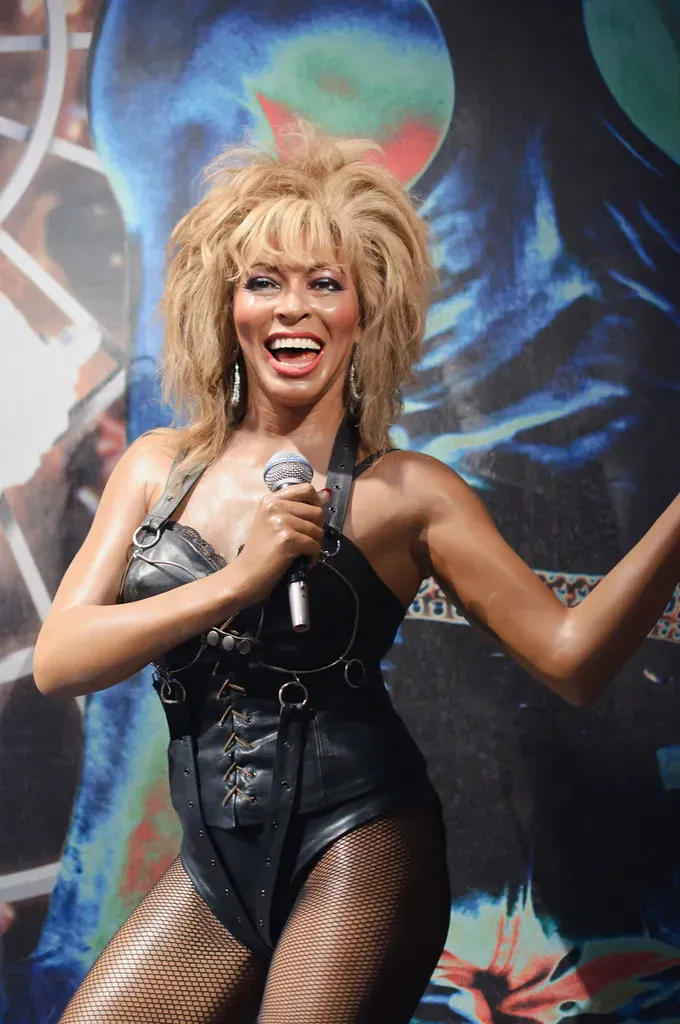
The melancholy, mature love song “What’s Love Got to Do with It” was the work of songwriters Terry Britten and Graham Lyle. In the early 1980s, the song went out to several soft rock and soul artists, among them UK star Cliff Richard, Donna Summer, and Phyllis Hyman. They all said no. Tina Turner, then mounting a comeback following almost a decade of mainstream obscurity, was eventually brought in by one of the producers working on her 1984 LP, Private Dancer, who suggested she give it a listen.
Partner offer

Remarkably, “What’s Love Got to Do with It” was Tina Turner’s only number one hit on the Billboard chart, though it very nearly went to someone else entirely. The song won the Grammy Award for Record of the Year in 1985 and became the defining moment of one of pop music’s most dramatic comebacks.
“Toxic” – Britney Spears (Turned Down by Kylie Minogue)

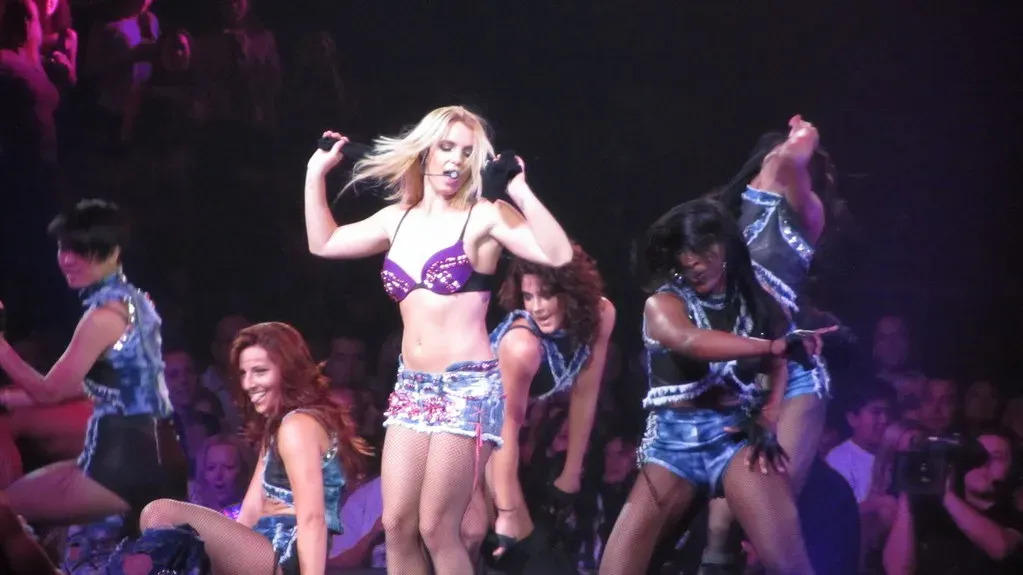
“Toxic” was penned by a team including UK singer-songwriter Cathy Dennis, originally with Janet Jackson in mind. Dennis then offered it to Kylie Minogue first. Minogue turned it down, after which Spears recorded it in Stockholm and Los Angeles. Notably, “Toxic” was written by the same person who gave Minogue her well-known “Can’t Get You Out of My Head” chart-topper. Minogue never elaborated much on why she turned it down, but the song got Spears her first and only Grammy.
It’s a fascinatingly circular story. The same songwriter handed Kylie one of her biggest hits, then handed her a second classic that Kylie didn’t want. Spears took it and ran straight to the Grammy podium with it, cementing “Toxic” as arguably the most adventurous single of her career.
“Don’t Cha” – The Pussycat Dolls (Turned Down by Tori Alamaze and Paris Hilton)

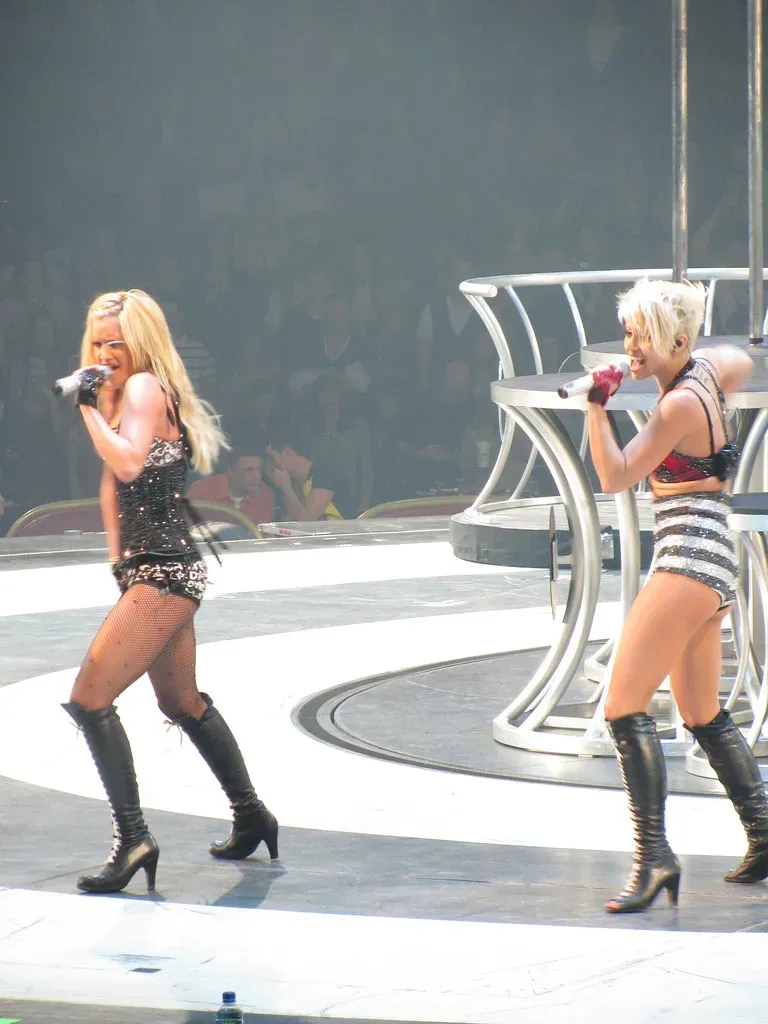
“Don’t Cha,” the sassy breakout hit for The Pussycat Dolls, was initially offered to both Tori Alamaze and then, somewhat surprisingly, Paris Hilton. After both artists passed, the track was picked up by The Pussycat Dolls and became one of the best-selling singles of 2005. Paris Hilton later said she did hear the song, but not in the format the world came to know and love, adding that had she heard the final version, she would have jumped at the chance.
That’s a candid admission from Hilton, and a useful reminder of how much production and arrangement can change the feel of a song. The Pussycat Dolls didn’t have many hits, but “Don’t Cha” was undoubtedly one of them. The track spent weeks in the top five across multiple markets and became one of the defining pop moments of the mid-2000s.
“Call Me” – Blondie (Turned Down by Stevie Nicks)

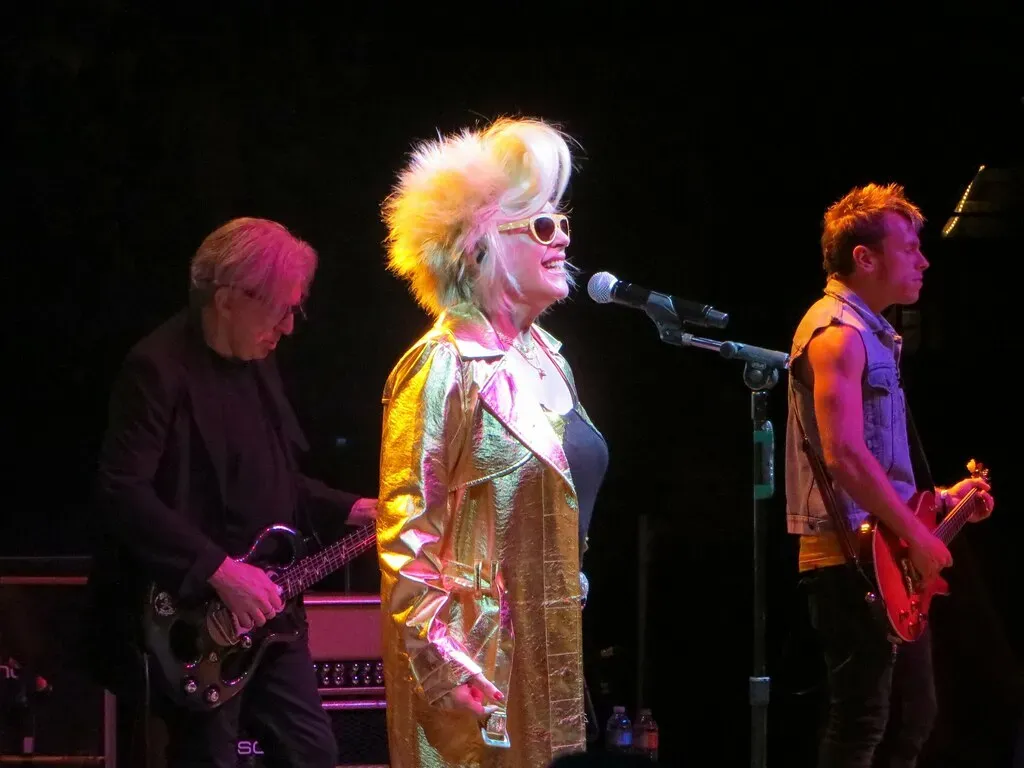
Legendary Italian producer Giorgio Moroder composed the music for “Call Me” as part of the soundtrack for the film American Gigolo. Once the music was done, he needed a leading artist to bring the song to life and turned to Fleetwood Mac vocalist Stevie Nicks. Nicks turned down the offer, reportedly to avoid a contractual breach. The song then landed with Debbie Harry, whose band Blondie was experiencing one of the highest points of their career.
The group released “Call Me” in 1980 and it became an unstoppable hit, topping the charts in the US, Canada, and the UK. Nicks’ reasons were understandable given the business realities of her contract at the time, but “Call Me” without Debbie Harry’s cool, slightly detached delivery is hard to picture now. It simply became a Blondie song the moment she sang it.
“Love Me Like You Do” – Ellie Goulding (Turned Down by Tove Lo)


Ellie Goulding’s “Love Me Like You Do,” from the Fifty Shades of Grey soundtrack, was initially meant for Tove Lo. While Tove Lo did write the song, she turned down the opportunity to sing it, since it didn’t align with her artistic style. Tove Lo passed on the track, which was then offered to Goulding, who turned it into a major hit, showcasing her powerful vocals and capturing the song’s emotional depth.
The song became one of the biggest film soundtrack hits of 2015, reaching the top of the charts in more than a dozen countries. Goulding’s soaring delivery matched the sweeping, cinematic quality of the track in a way that felt perfectly calibrated. Tove Lo’s instinct that it didn’t suit her style was fair enough. Goulding’s instinct that it did turned out to be correct in a very big way.
The music business runs on instinct, timing, and the occasional stroke of luck. What these nine stories share is a simple truth: a song’s destiny isn’t fixed the moment it’s written. It shifts with every yes and every no along the way. The artists who passed weren’t necessarily wrong about what suited them. They just couldn’t always see who the song was truly waiting for.
Partner offer
Planning a trip to Vegas?
Compare hotel rates and show tickets on VEGAS.com.