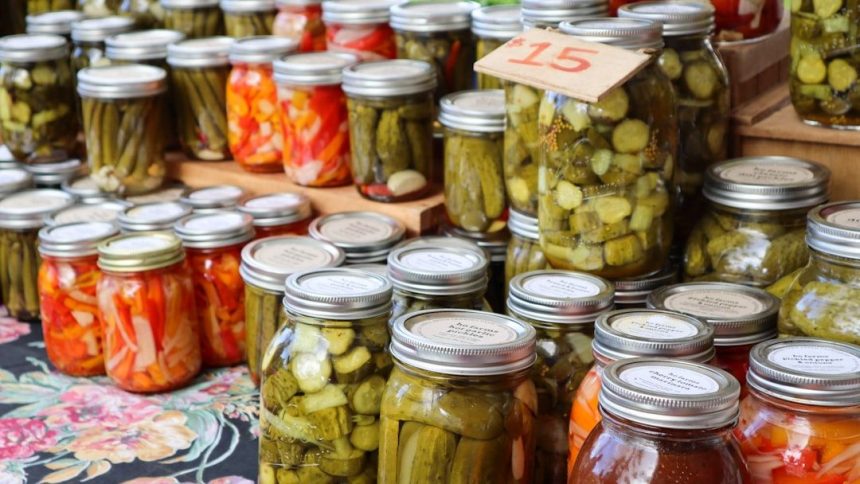
Ever notice how the newest culinary trends often feel surprisingly old? We’re witnessing something fascinating in kitchens across the globe right now. Ancient methods that once seemed obsolete are reappearing in restaurants, home kitchens, and social media feeds. These aren’t just nostalgic experiments either. They’re reshaping how we think about flavor, nutrition, and our connection to food. Some of these techniques date back thousands of years, yet they’re solving very modern problems.
Fermentation: The Ancient Gut Health Revolution

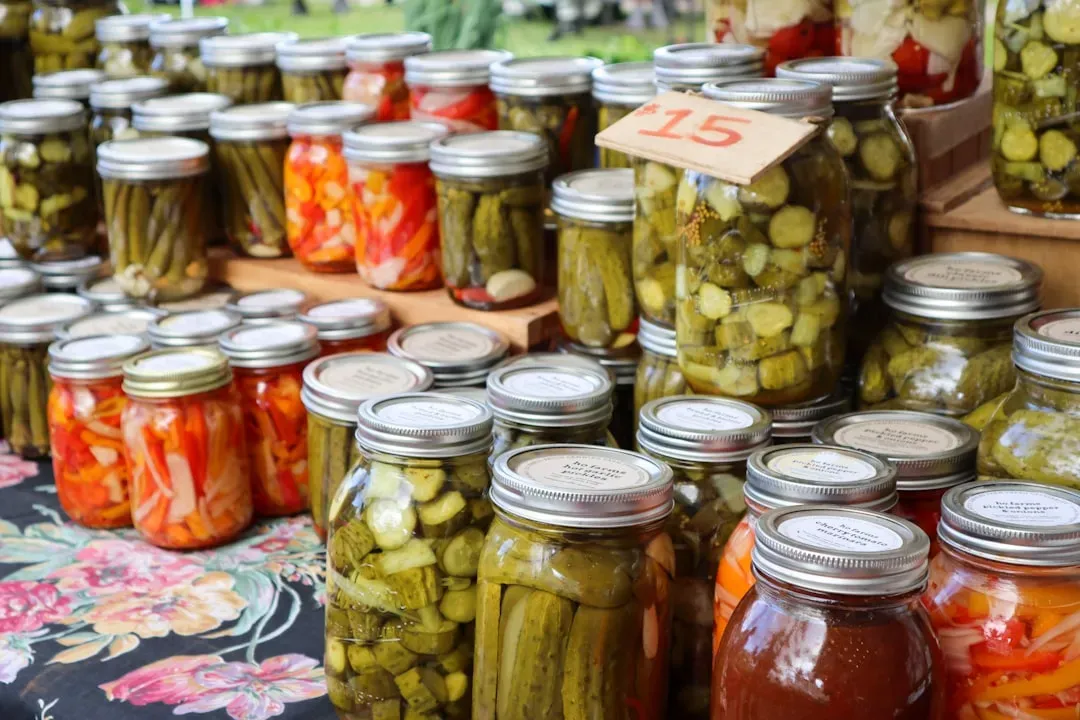
The global fermented foods market stood at USD 247.16 billion in 2024 and is predicted to reach nearly USD 398.78 billion by 2034, which tells you this isn’t just a passing fad. Fermentation has become mainstream, though it’s been around since ancient civilizations needed to preserve food without refrigeration. According to surveys, roughly 44 percent of consumers now eat fermented foods specifically for digestion and wellness, which is triple the number choosing them purely for flavor.
What’s really driving this surge is science catching up with tradition. The modern fermented foods trend began gaining traction in 2018, but really took flight during the pandemic when understanding of the gut microbiome and immune system support increased. From kimchi to kombucha, these tangy creations are appearing everywhere. Fermentation is an ancient technique enjoying a renaissance in modern kitchens, from kimchi to kombucha, and fermented foods are popping up on menus everywhere.
Clay Pot Cooking: Slow Heat, Deep Flavor


Before metal cookware, clay pots were the heart of ancient kitchens, and from Indian tandoors to Moroccan tagines, clay’s ability to retain moisture and distribute heat defined countless culinary traditions. Clay pot cooking is having its moment again, and for good reason.
The technique works because clay is porous and breathable. Clay prevents burning and creates perfectly tender textures through gentle heat diffusion. Restaurants are revitalizing traditional styles like cooking rice in a clay pot over an open-flame setting, bringing ancient Hong Kong and Vietnamese techniques to modern diners. The vessels create an environment where flavors meld together differently than in metal pans. Some chefs swear the earthy quality of clay adds an indefinable depth you simply can’t replicate.
Open Fire Cooking: Returning to Humanity’s First Kitchen

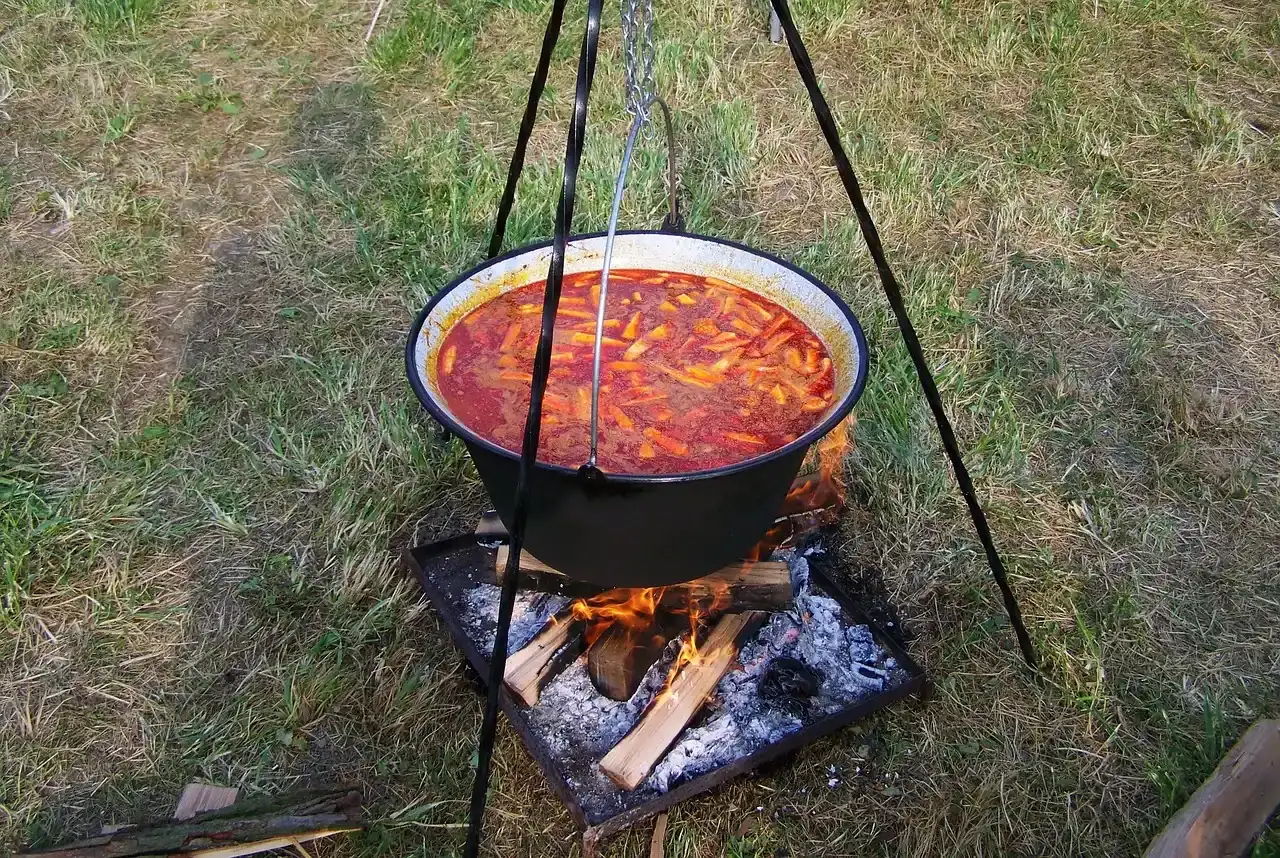
The most ancient cooking method of all, direct fire, is making a serious comeback in high-end restaurants and backyard setups alike. The Open Fire Cookware market reached USD 12.55 billion in 2024 and is projected to expand to USD 15.81 billion by 2033, with the United States accounting for approximately 28 percent of the global market. Think about that for a second. People are investing billions in equipment to cook the way our ancestors did millions of years ago.
Open fire cooking, grilling over a wood fire, has fed humans for millions of years, and while it may have fallen out of fashion in favor of modern technology, the wood-fire cooking trend is making a comeback. Nothing compares to the flavor compounds created when food interacts directly with flame, and modern chefs now suspend ingredients over wood fires, hang meat near open flames, or cook directly on embers.
Nose-to-Tail Eating: Honoring the Whole Animal

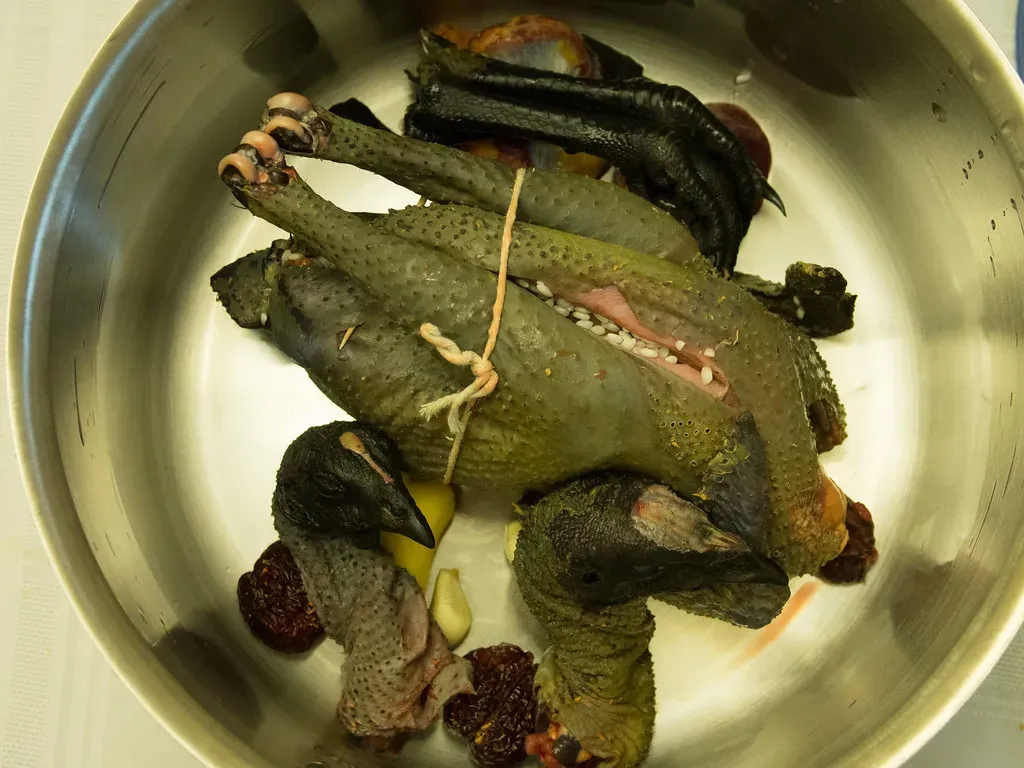
Here’s where things get interesting. Nose-to-tail eating is making a comeback driven by both environmental consciousness and culinary curiosity. The practice isn’t new at all. Using every part of an animal for food was standard throughout most of human history, but it virtually disappeared as cheap meat became widely available and people became disconnected from food sources.
Home cooks are rediscovering techniques for making bone broth from scratch, turning chicken feet into collagen-rich stock, and transforming typically discarded parts into delicious and nutritious meals. The environmental argument makes sense when you think about it. If we’re raising animals for food, using every part reduces waste and maximizes nutritional value, offering a more respectful and sustainable approach that honors the life of the animal while providing superior nutrition.
Traditional Smoking Methods: Preservation Through Flavor

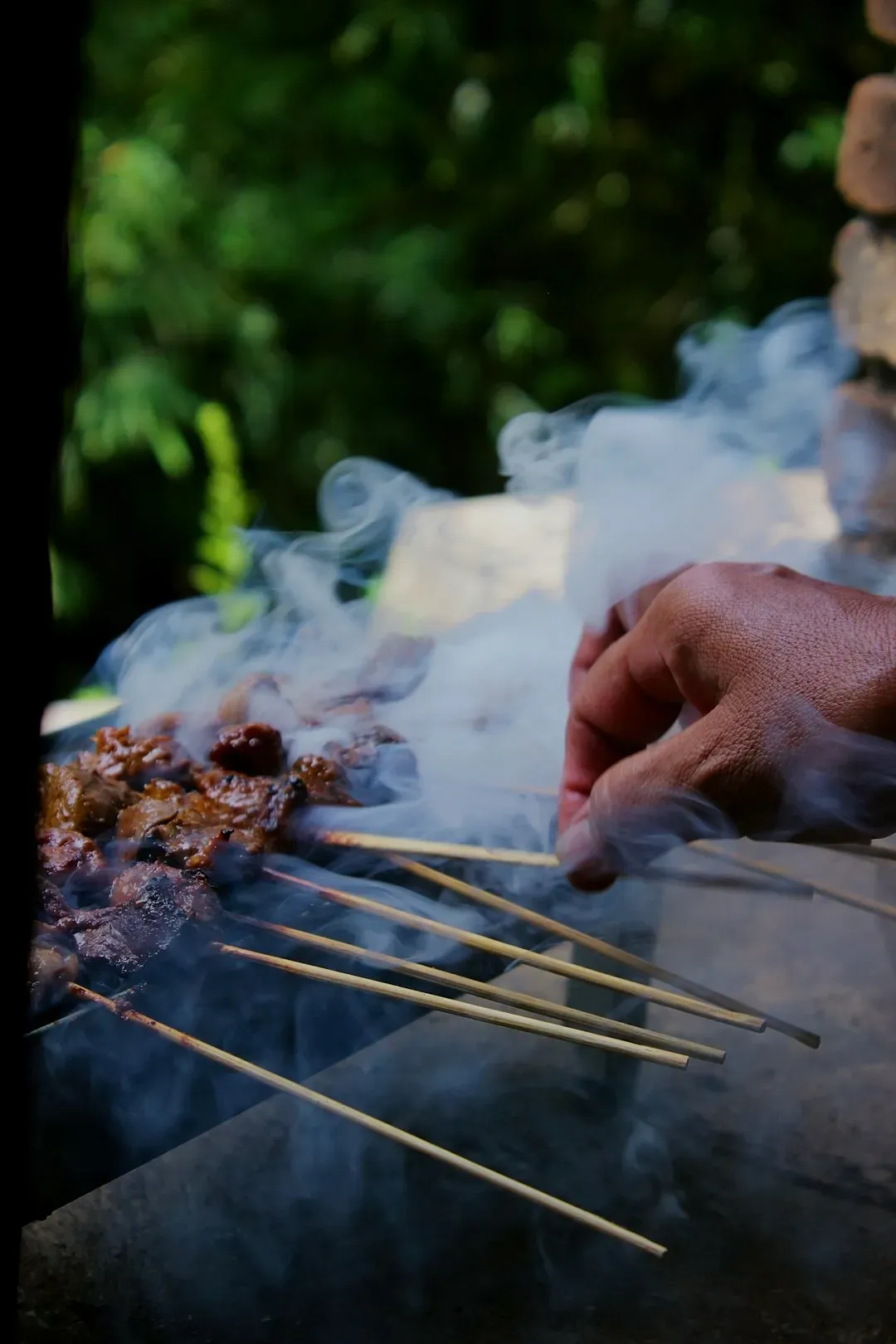
Traditional smoking methods, like cold and hot smoking, are gaining popularity for their ability to elevate dish flavors and preserve foods. Smoking was never just about making food last longer, though that was certainly critical before modern refrigeration. It was about creating entirely new flavor profiles.
Partner offer

Cold smoking operates at temperatures below cooking range, infusing food with smoke flavor without actually cooking it. Hot smoking does both simultaneously. Roasting and smoking have returned, offering unique textures and rich taste profiles. These methods require patience and skill, qualities that seem increasingly valued in our instant gratification culture. Watching someone tend a smoker for hours to achieve perfect brisket feels almost meditative, connecting us to generations of pitmasters who perfected this craft.
Sourdough: The Living Bread That Wouldn’t Die

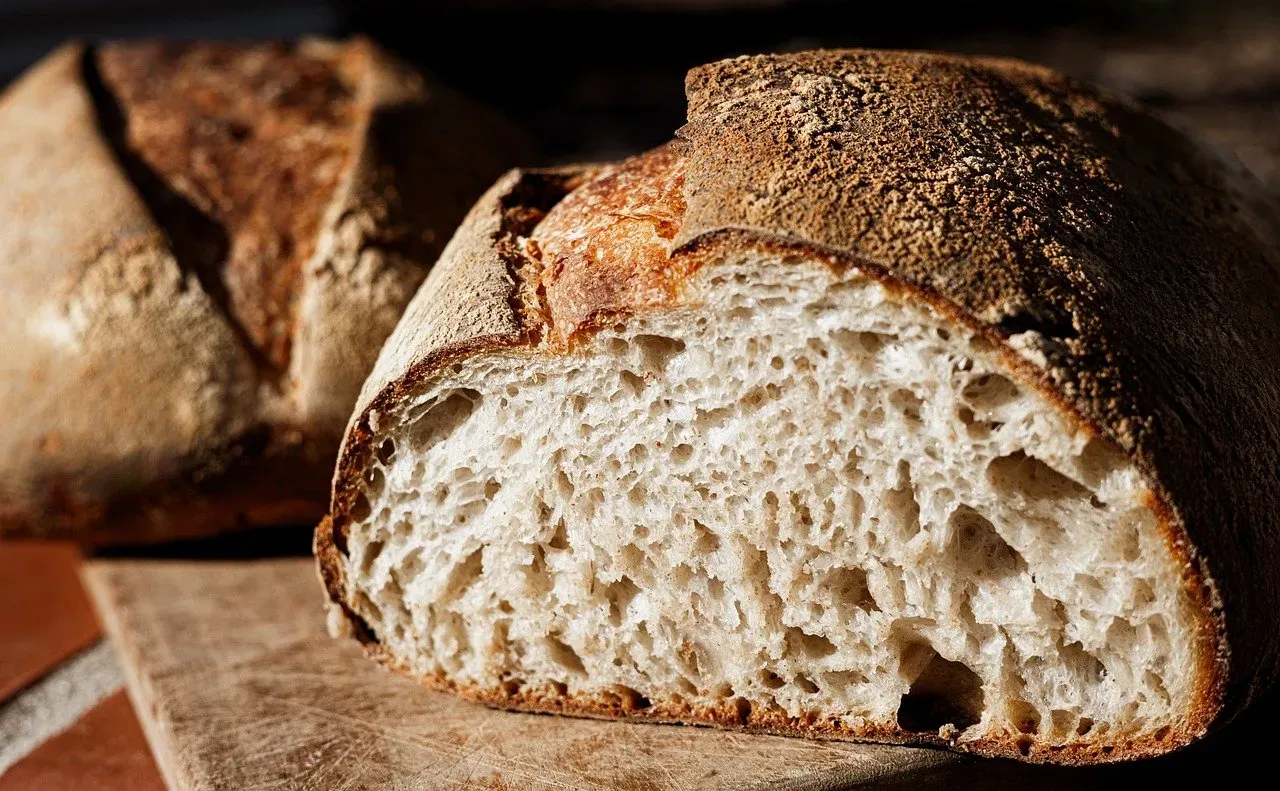
During the 2010s, sourdough fermentation regained popularity as a major method in bread production, and the numbers are staggering. The Sourdough Bread market accounted for USD 3.87 billion in 2024 and is expected to reach USD 8.53 billion by 2035, growing at a CAGR of around 7.45 percent. Sourdough baking became more popular during the COVID-19 pandemic, as increased interest in home baking caused shortages of baker’s yeast in stores, whereas sourdough can be propagated at home.
Sourdough bread continues to rise in popularity with a nearly 18 percent increase in social conversations over the past year, and currently nearly 10 percent of restaurants offer it on their menus. What makes sourdough special is the starter, that living culture of wild yeasts and bacteria that gets passed down, sometimes for generations. Interest continued after lockdowns ended, as evidenced by a viral TikTok video about an 1847 Oregon Trail sourdough starter. Think about that. A starter from the 1840s, still alive, still making bread.
Tandoor Cooking: The Ancient Clay Oven

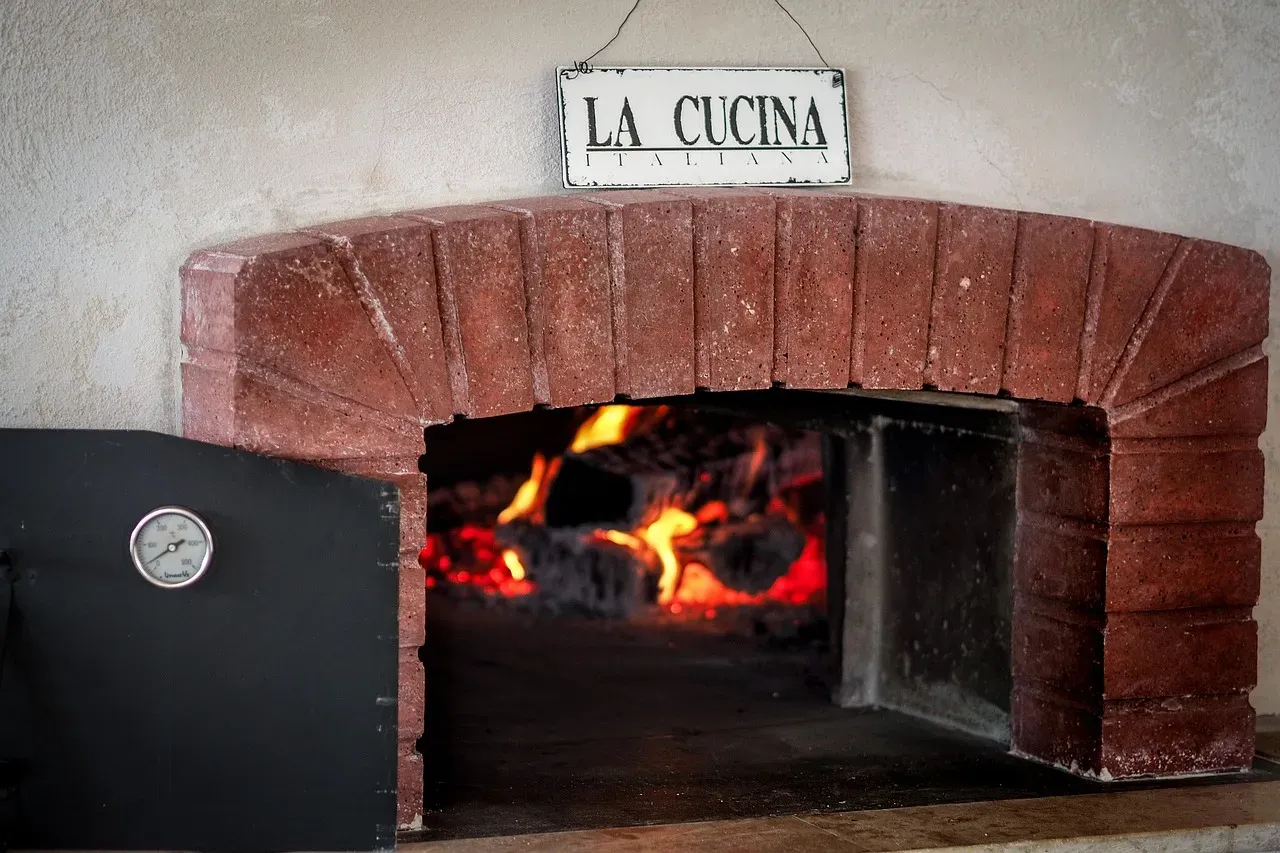
One of the oldest cooking methods in India is the use of the tandoor, a traditional clay oven with roots in the Indian subcontinent and Central Asia, and for thousands of years it has been crucial for nomadic tribes and settled communities, renowned for its ability to grill meats and impart distinct smoky flavor. Tandoors reach temperatures exceeding 900 degrees Fahrenheit, cooking naan bread in under two minutes and sealing in juices while charring the exterior of meats.
The vertical design is genius. Heat radiates from all sides. Skewered meats hang in the center, cooking evenly. Bread slaps directly onto the wall, puffing and charring. Modern restaurants installing tandoors aren’t just offering Indian food, they’re preserving a cooking method that predates most modern cuisines.
Curing and Salting: Time as an Ingredient

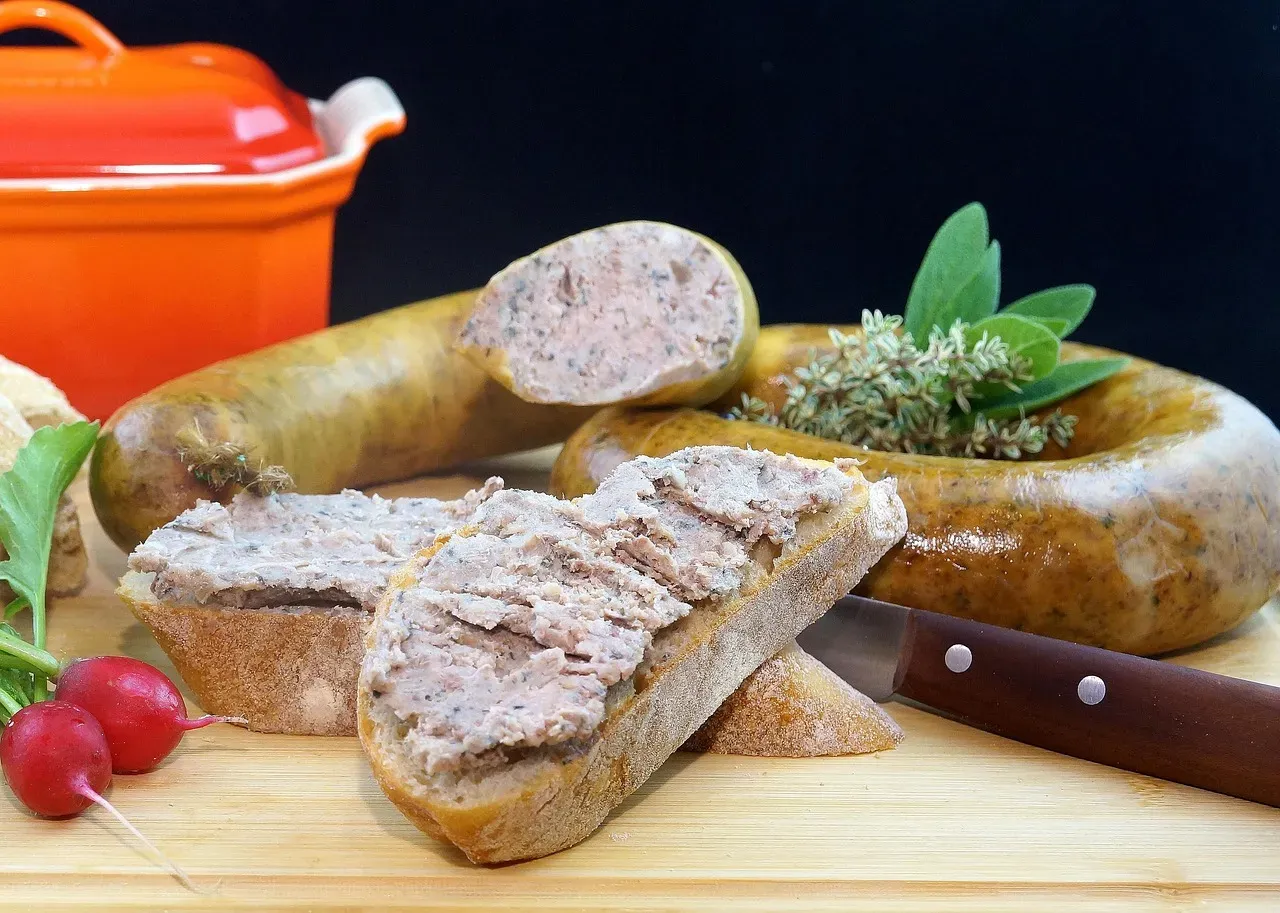
Salt preservation goes back to the earliest civilizations. Before we understood why, humans knew coating meat or fish in salt made it last. Now we understand the science of osmosis and bacterial inhibition, yet the technique remains essentially unchanged. Italian prosciutto. Spanish jamón. Scandinavian gravlax. French confit.
These preparations demand time, sometimes years. Chefs are exploring ancient grains and legumes, integrating them into creative dishes that appeal to both health aficionados and gourmet enthusiasts, and the same principle applies to cured meats. You can’t rush properly aged prosciutto. The slow transformation of fresh meat into something entirely different, intensely flavored, and shelf-stable without refrigeration represents food preservation as art form. Modern chefs honor these traditions while experimenting with new applications.
Whole Spice Toasting: Unlocking Dormant Flavors

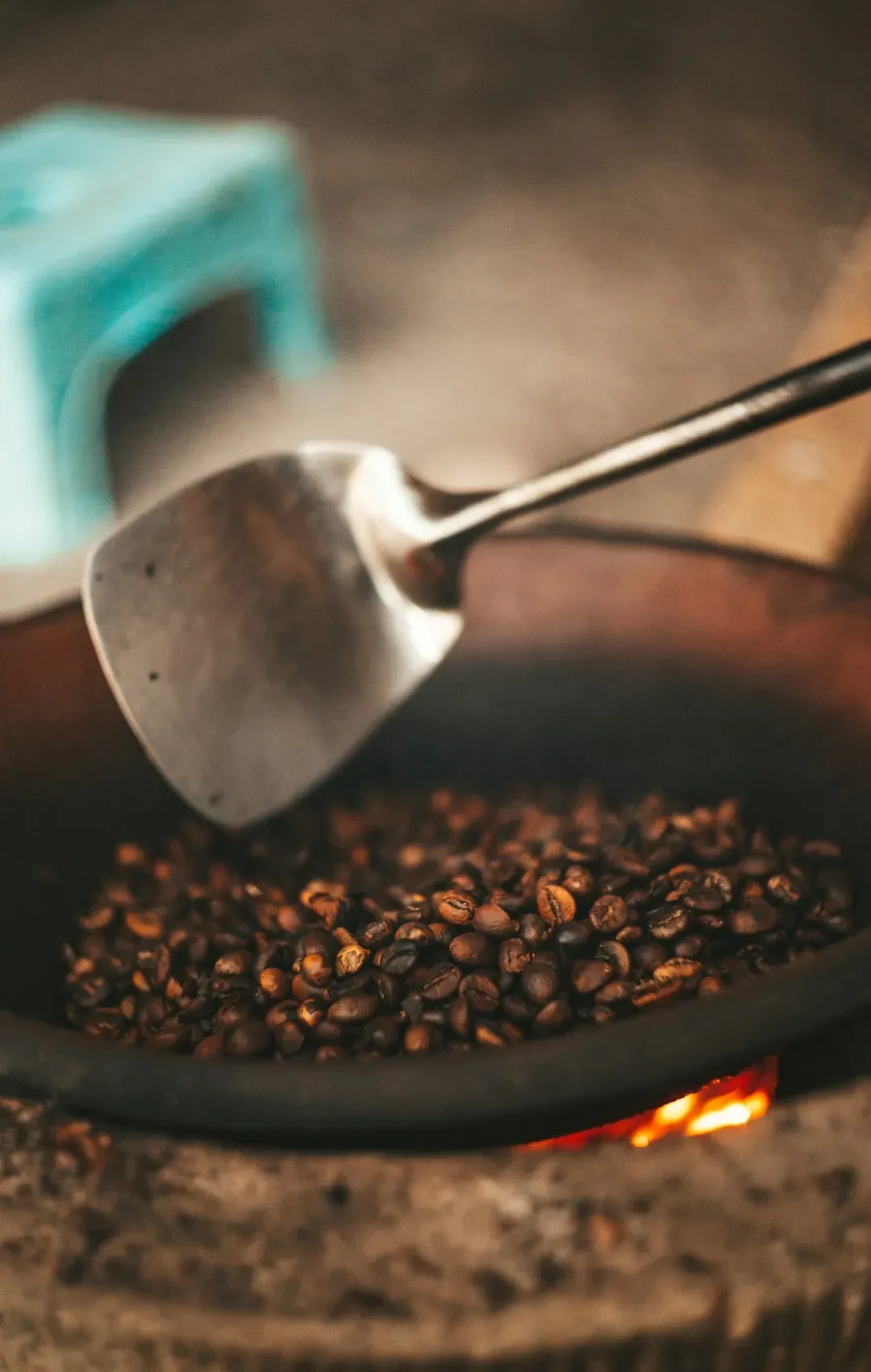
The use of whole spices, fresh ingredients, and natural sweeteners like honey or jaggery reflects principles of ancient Indian cooking that are still relevant today, and these practices emphasize healthful eating without relying on processed additives. Toasting whole spices before grinding releases essential oils and transforms their character completely.
Pre-ground spices are convenient but start losing potency the moment they’re processed. Whole spices keep their power locked inside. When you toast cumin seeds until fragrant, grind coriander until aromatic, crack black pepper fresh… you’re working with entirely different ingredients. This isn’t difficult or fancy. It’s how people cooked for millennia before convenience became our primary concern. The flavor difference is undeniable once you experience it.
Partner offer
Planning a trip to Vegas?
Compare hotel rates and show tickets on VEGAS.com.