The Billion-Dollar Sky Revolution

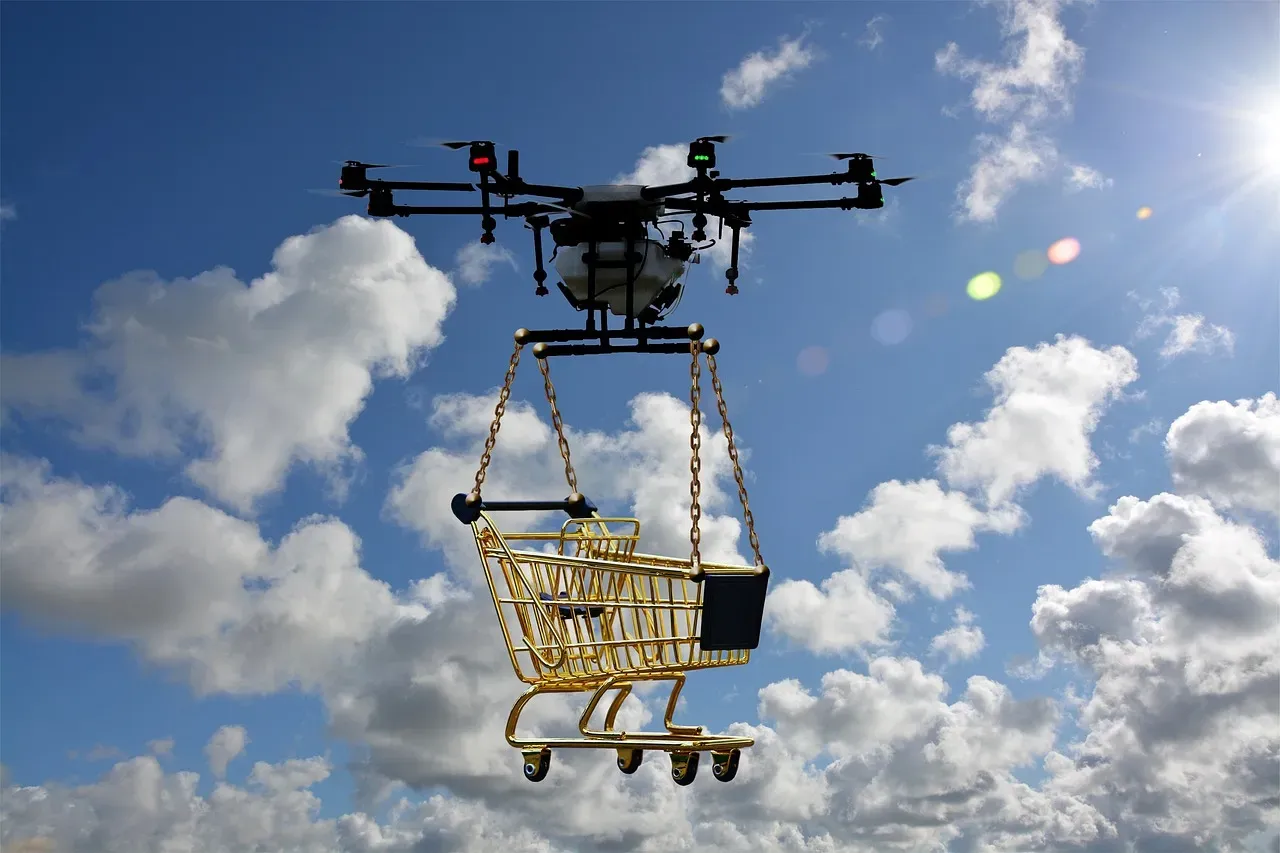
Here’s the thing. The delivery drones market was valued at just over $709 million in 2025 and is expected to reach $8.5 billion by 2032, exhibiting a compound annual growth rate of roughly 43 percent. That’s not some distant sci-fi fantasy.
We’re talking about a transformation happening right now. I know it sounds crazy, but drones are quietly securing airspace approvals, completing thousands of deliveries weekly, and learning to navigate our neighborhoods with precision that once seemed impossible. The race to feed you faster has officially taken flight.
Walmart and Wing’s Nationwide Expansion Strategy

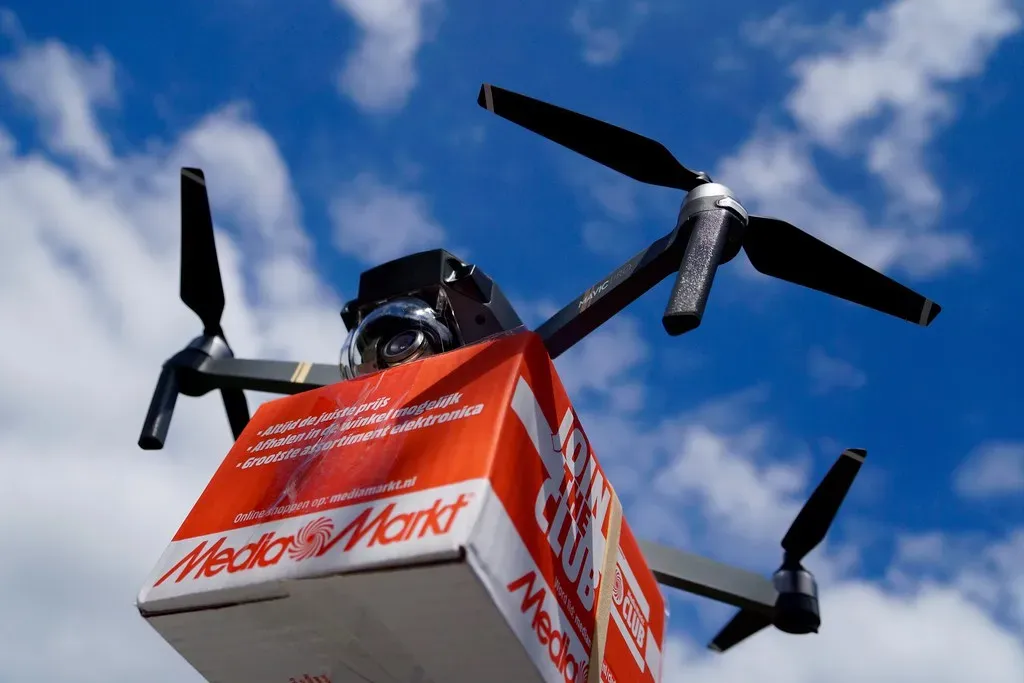
Walmart and Wing are scaling ultra-fast service to an additional 150 stores over the next year, bringing the convenience of drone delivery to more than 40 million Americans, with plans to establish a network of over 270 drone delivery locations by 2027. That’s a staggering level of commitment. Wing and Walmart are completing thousands of weekly deliveries, with an average fulfillment time under 19 minutes, which honestly beats most traditional delivery times I’ve seen.
The service launched initially in Dallas-Fort Worth and has since expanded into Houston, Atlanta, and is headed toward major metropolitan hubs including Los Angeles, St. Louis, Cincinnati, and Miami. Its top customers are using the service three times a week, with the most commonly ordered items being eggs, ground beef, fresh tomatoes, avocados, limes, lunchables, and snacks. Let’s be real – when you’re out of eggs or need ground beef for dinner, waiting an hour doesn’t cut it anymore. Customers have already adapted to having groceries land in their backyards within minutes.
Amazon Prime Air’s Ambitious Targets

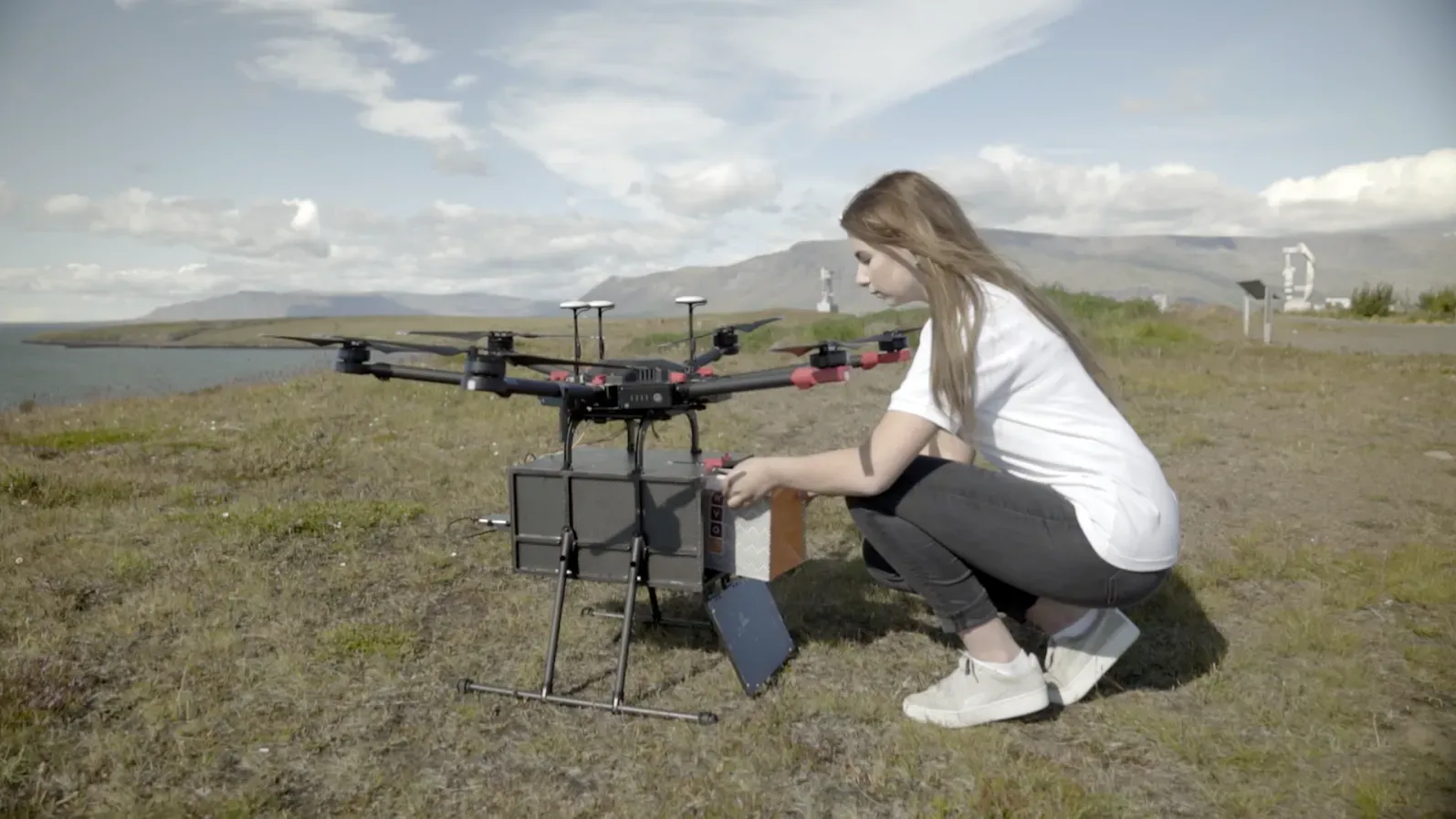
Amazon isn’t sitting on the sidelines either. Amazon Prime Air’s ultimate vision is to deliver 500 million packages per year by drone by the end of the decade. That level of ambition transforms logistics from a ground-based puzzle into an aerial network.
In November 2024, Amazon commenced drone delivery operations in the West Valley Phoenix Metro Area, with eligible customers having access to over 50,000 products. The company’s MK30 drone is quieter than previous models, can fly twice as far, and operates in light rain. These drones can carry packages up to five pounds and deliver to customers quickly – typically in one hour or less.
Still, it’s hard to say for sure, but Amazon faces operational challenges. As of 2022, the cost for a single drone delivery in Amazon’s ongoing US trials was at least $484, which the company anticipated to reduce to $63 by 2025. Even at reduced costs, profitability remains the tough nut to crack. The tech works, yet the economics are still being refined in real time.
Regulatory Green Lights Opening the Skies
In June 2025, US Executive Orders directed the FAA to finalize BVLOS regulations by the end of 2025. Beyond visual line of sight rules have historically been the single biggest bottleneck to scaling drone deliveries. On August 7, 2025, the Federal Aviation Administration and the Transportation Security Administration jointly released a Notice of Proposed Rulemaking that would establish comprehensive, performance-based regulations for UAS operations beyond visual line of sight, developed in response to the 2024 FAA Reauthorization Act.
Partner offer

This regulatory shift is monumental. Both Wing and Zipline are approved by the FAA to fly their drones without a dedicated observer being able to see the drone at all times, which enables far wider coverage areas. The new framework creates a path for routine operations without case-by-case waivers, cutting red tape that once strangled innovation.
The Economics of Ultra-Fast Delivery


The average unit cost per delivery currently ranges between $6 and $25, but this price is expected to drop by more than 70 percent over the next 10 years. That inflection point matters enormously. Last-mile accounts for up to 50 percent of total shipping cost; multi-rotor fleets reduce that burden by 93 percent when routes are optimized around high-frequency orders.
The math starts to make sense when you realize drones avoid traffic, skip parking hassles, and require no human driver per trip. Retailers are betting that drone delivery converts forgotten-item purchases into new revenue streams. Drone delivery gives customers an even faster delivery option, getting items to them in 30 minutes or less and some deliveries can happen as fast as 10 minutes.
Environmental and Energy Advantages


Breakthroughs in hybrid vertical-take-off-and-landing designs, AI-based flight control, and triple-drop payload systems are trimming per-delivery energy use by 94 percent compared with diesel vans. That’s not a marginal improvement. Electric drones generate a fraction of the emissions associated with traditional delivery trucks idling in traffic.
Drones offer benefits like speed and fewer emissions, as well as new contactless delivery options for both foodservice and e-commerce. Honestly, when you see the sustainability angle combined with speed, it becomes clear why major retailers are pouring resources into this technology. It addresses both consumer impatience and corporate climate commitments in one swoop.
The 2025 Inflection Point

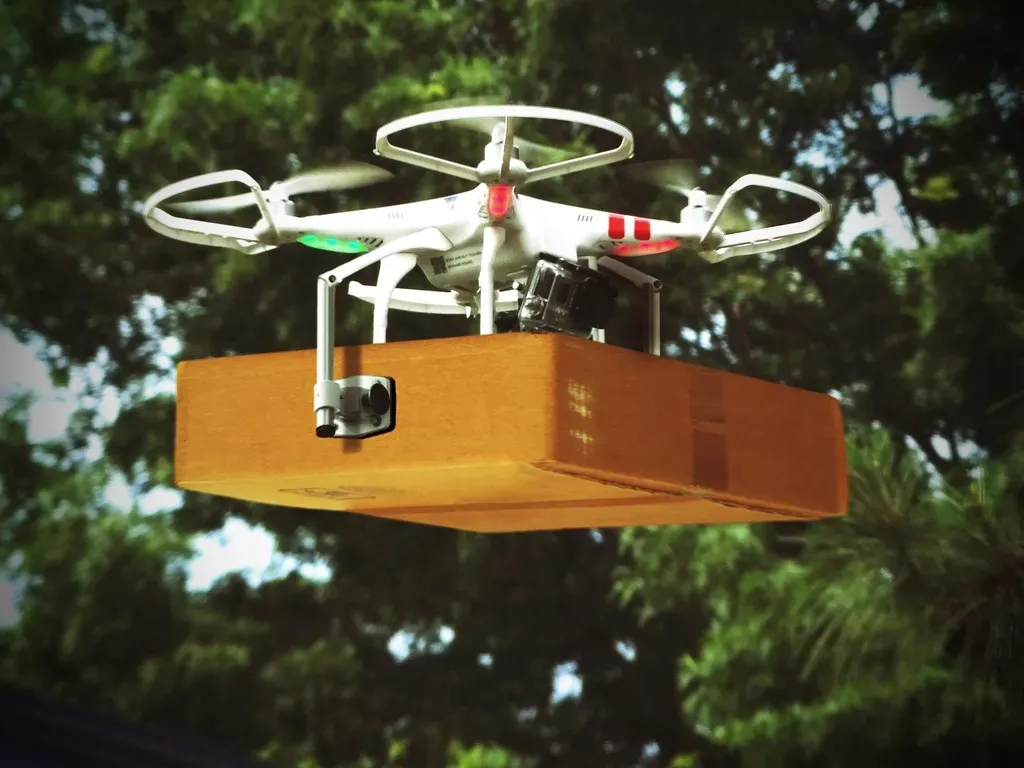
In 2024, drone deliveries could exceed one million. The number of drone package delivery units is projected to rise from around 32,000 in 2024 to nearly 276,000 by 2030, indicating massive infrastructure scaling within just six years. The trajectory is clear.
The popularity of drone delivery in DFW is a testament not just to its convenience, but to the way this technology quickly becomes a part of everyday life. We’ve moved beyond pilots into genuine commercial deployment. Whether it’s a forgotten ingredient for dinner or a last-minute birthday gift, drones are proving they can handle the chaos of real-world demand. The sky is no longer the limit – it’s the delivery lane.
What do you think about drones delivering your next meal? Would you order from one, or does the idea still feel a bit too futuristic? Tell us in the comments.
Partner offer
Planning a trip to Vegas?
Compare hotel rates and show tickets on VEGAS.com.