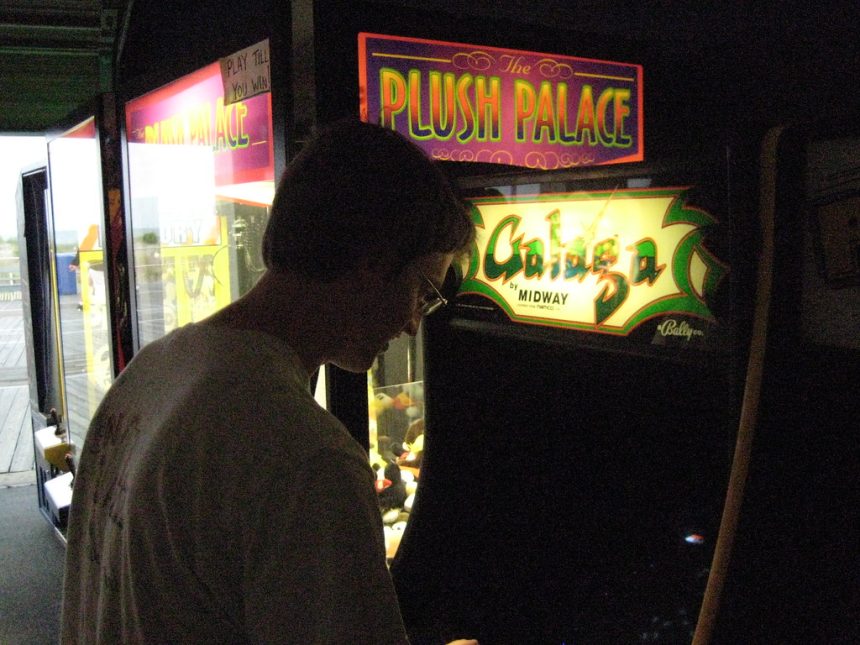
The coin slot is mostly gone from everyday life, yet the games it fed have refused to disappear. Many people consider the stretch from Space Invaders in 1978 to the mid 1980s to be the golden era of arcades, and its biggest hits keep turning up in new places.
Some live on in bars and entertainment centers. Others sit inside console collections or in cabinets built for the living room. Here are ten from the decade, along with the current ways to play each one.
Pac-Man (1980)

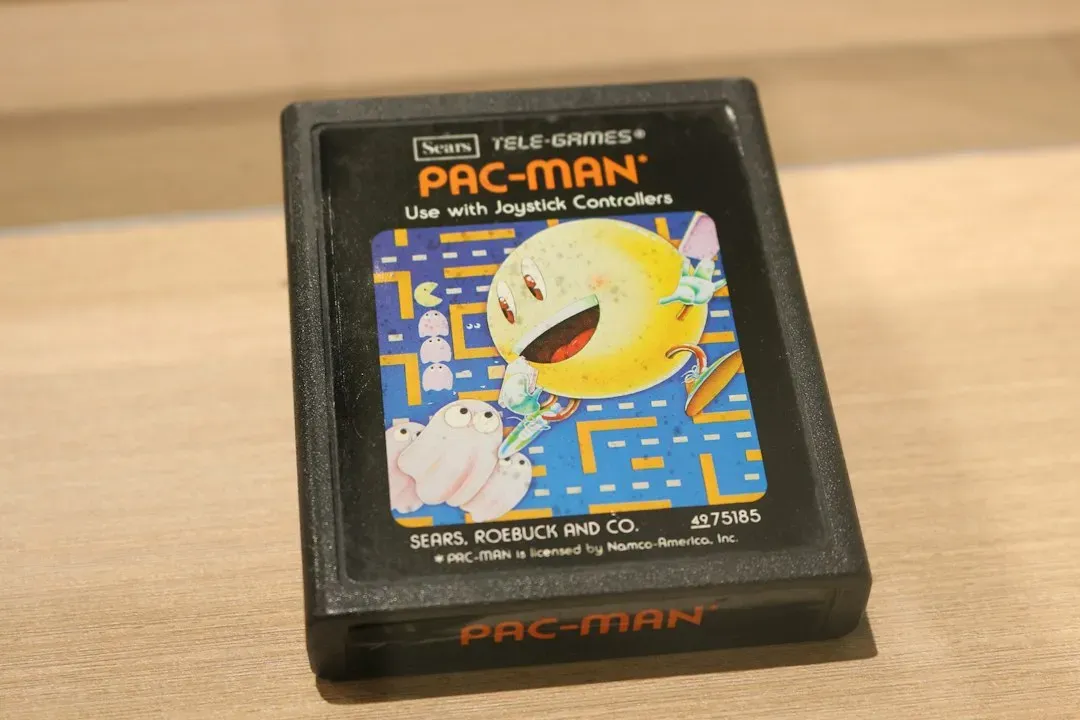
Pac-Man set the tone for the decade. It was the highest grossing video game for the second year in a row in 1981, and maze games inspired by it began appearing in arcades and on home systems. Few characters from that period are as instantly recognizable.
Today you’ve got several routes. Pac-Man lives on through official releases on Nintendo Switch, PlayStation, and Xbox, and the original ROM runs legally through services like Arcade Archives. For a physical machine, Arcade1Up sells a Deluxe cabinet that contains 14 classic games.
Ms. Pac-Man (1981)

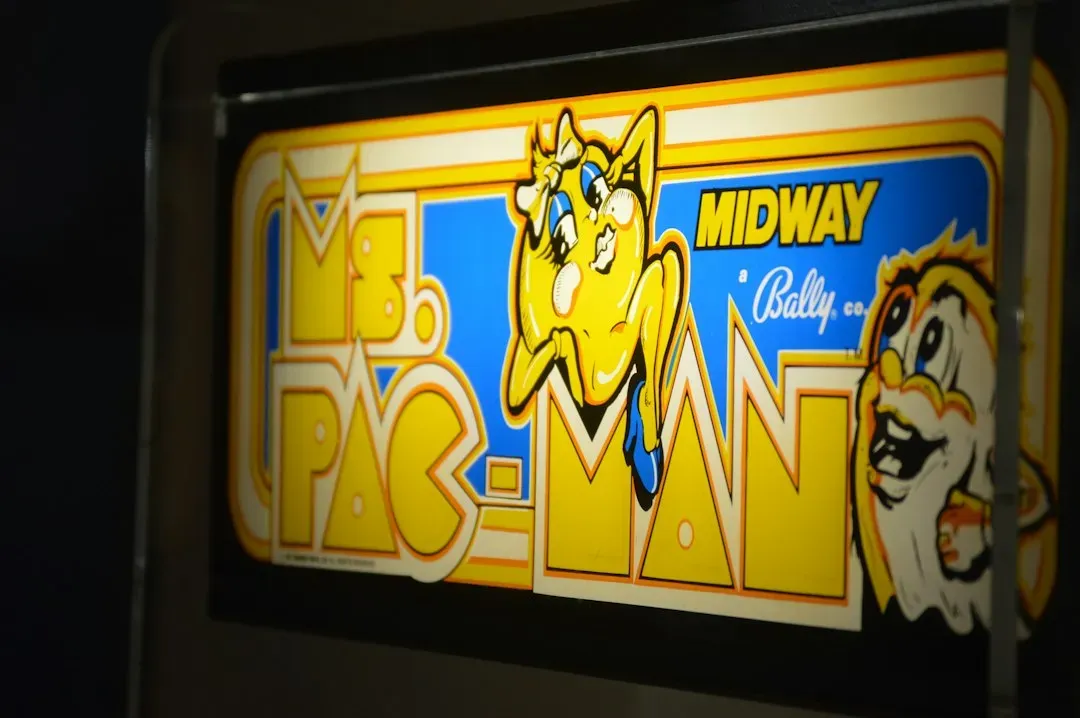
Ms. Pac-Man took the original formula and reshuffled it, with new mazes and less predictable ghosts. In the United States it topped the Cash Box chart for 1982, according to the listing on Wikipedia’s 1982 in video games page. Plenty of players still argue it’s the better of the two.
Modern access is easy. Ms. Pac-Man shows up in Namco Museum compilations on Switch, PlayStation, Xbox, and PC. At home, Arcade1Up offers a Ms. Pac-Man Deluxe machine that delivers seven retro games, including Galaga, Dig Dug, and Mappy.
Donkey Kong (1981)
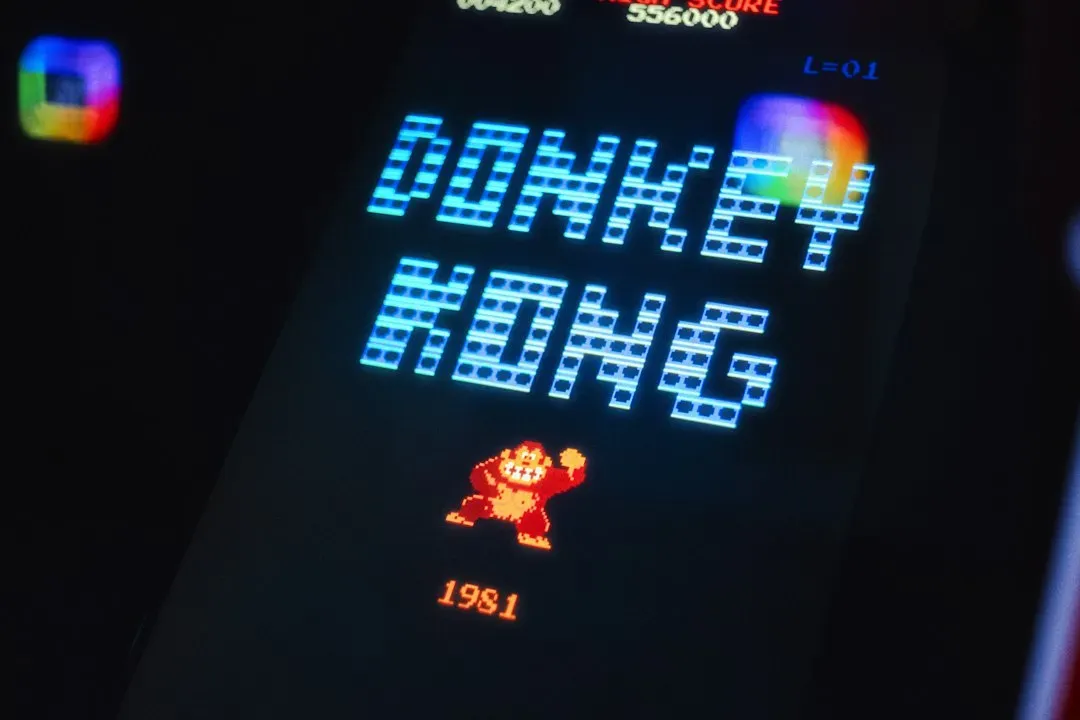
Nintendo’s Donkey Kong gave the world Mario, then a carpenter, tasked with rescuing Pauline while avoiding barrels thrown by the gorilla. It also carried real weight in game design, since Donkey Kong defined the platform game genre. In 1982 it was among the top earners in the United States.
You can find it on Nintendo Switch Online’s arcade collection, and the original ROM runs through Arcade Archives. Arcade1Up also lists it in its home cabinet range. Both routes keep the original barrel climbing intact.
Galaga (1981)

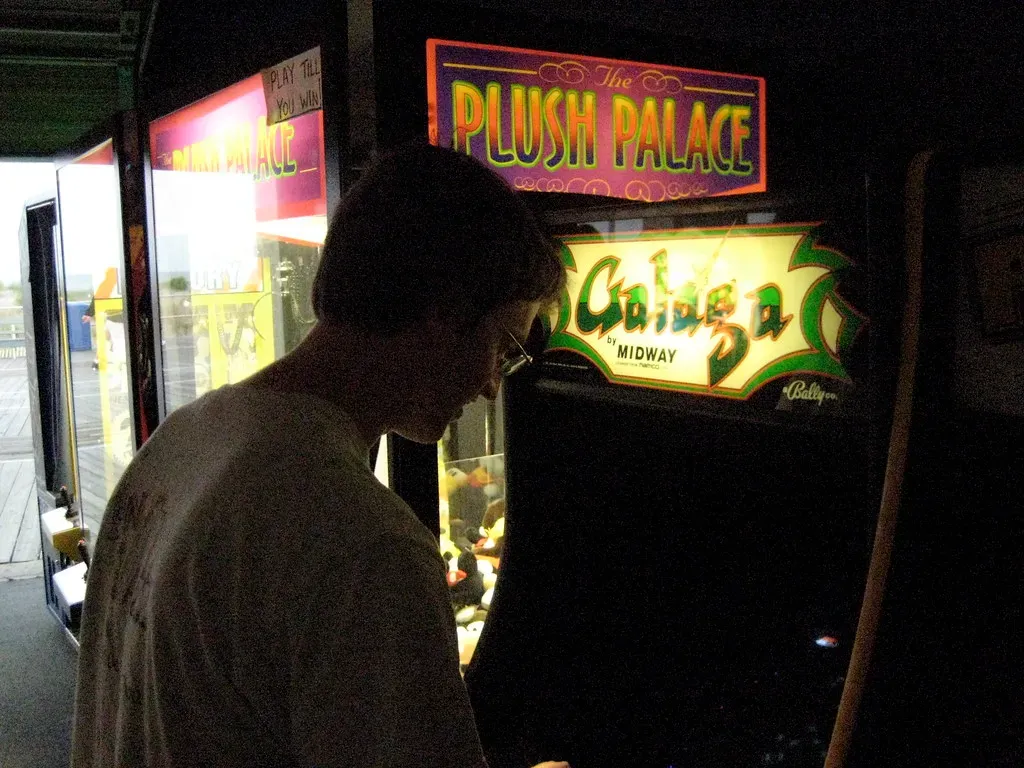
Galaga turned the fixed shooter into something almost addictive, with swooping alien formations and the odd trick of letting an enemy capture your ship. It ranked third on Japan’s Game Machine chart for 1982, behind Pole Position and Dig Dug. That’s a respectable showing a year after launch.
It’s widely available now. Galaga appears in modern arcade compilations on Nintendo Switch, PlayStation, and Xbox, and Arcade1up cabinets also include it in their classic game collections. The Ms. Pac-Man cabinets mentioned earlier carry it too.
Dig Dug (1982)

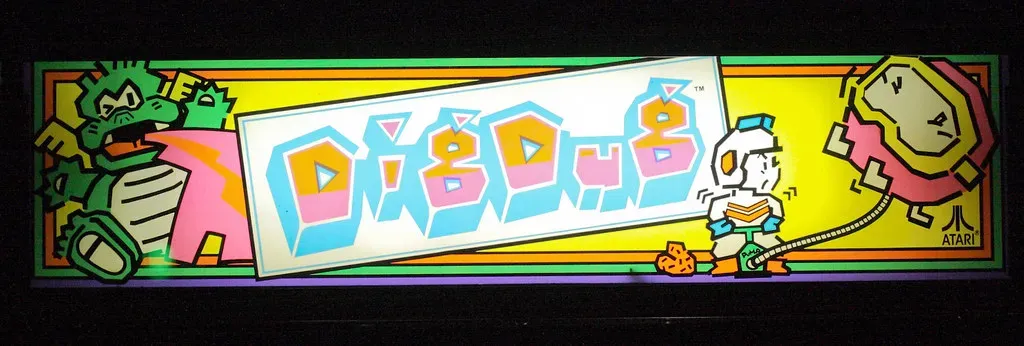
Dig Dug did something different with the maze. It lets the player create their own passageways rather than follow set corridors, and you inflate enemies until they burst or crush them beneath falling rocks. It’s oddly satisfying.
Partner offer

Namco’s catalog keeps it in circulation. The Arcade1Up Ms. Pac-Man cabinets list it among their games, and PlayStation’s own editorial on classic arcade titles highlights it among the arcade innovators. Look for it in Namco compilations on current consoles as well.
Centipede (1981)

Atari’s Centipede was unusual for its time because it wasn’t aimed at a particular gender. One retro retailer notes that it became one of the most played arcade games among women gamers, with Pac-Man second. The trackball and the creeping bug made it feel distinct from the space shooters around it.
For modern play, Centipede appears in Atari 50: The Anniversary Celebration on modern consoles. That collection is a solid place to try several Atari arcade titles in one sitting. Check your platform’s store for current availability.
Pole Position (1982)

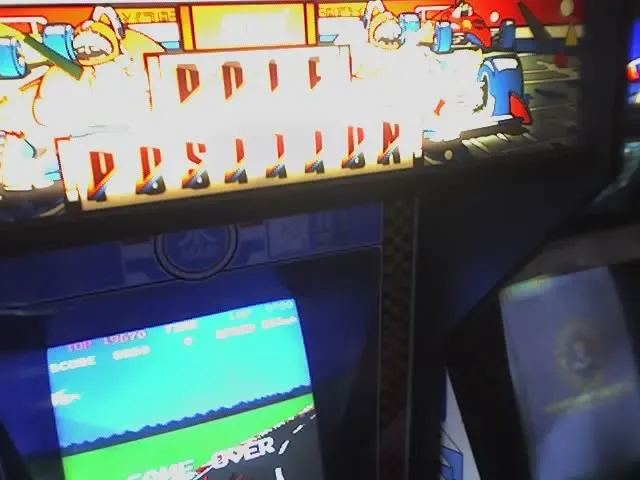
Pole Position was the racing game that mattered most that year. On Japan’s Game Machine chart for 1982, it ranked first, ahead of Dig Dug and Galaga. Its behind the car view and qualifying lap shaped how racing games looked for years afterward.
Finding it is a bit more specific than for the Pac-Man family. It has appeared in Namco’s retro collections over the years, so a search of your console’s store is worthwhile. Availability changes between platforms, so confirm before buying.
Ghosts ‘n Goblins (1985)

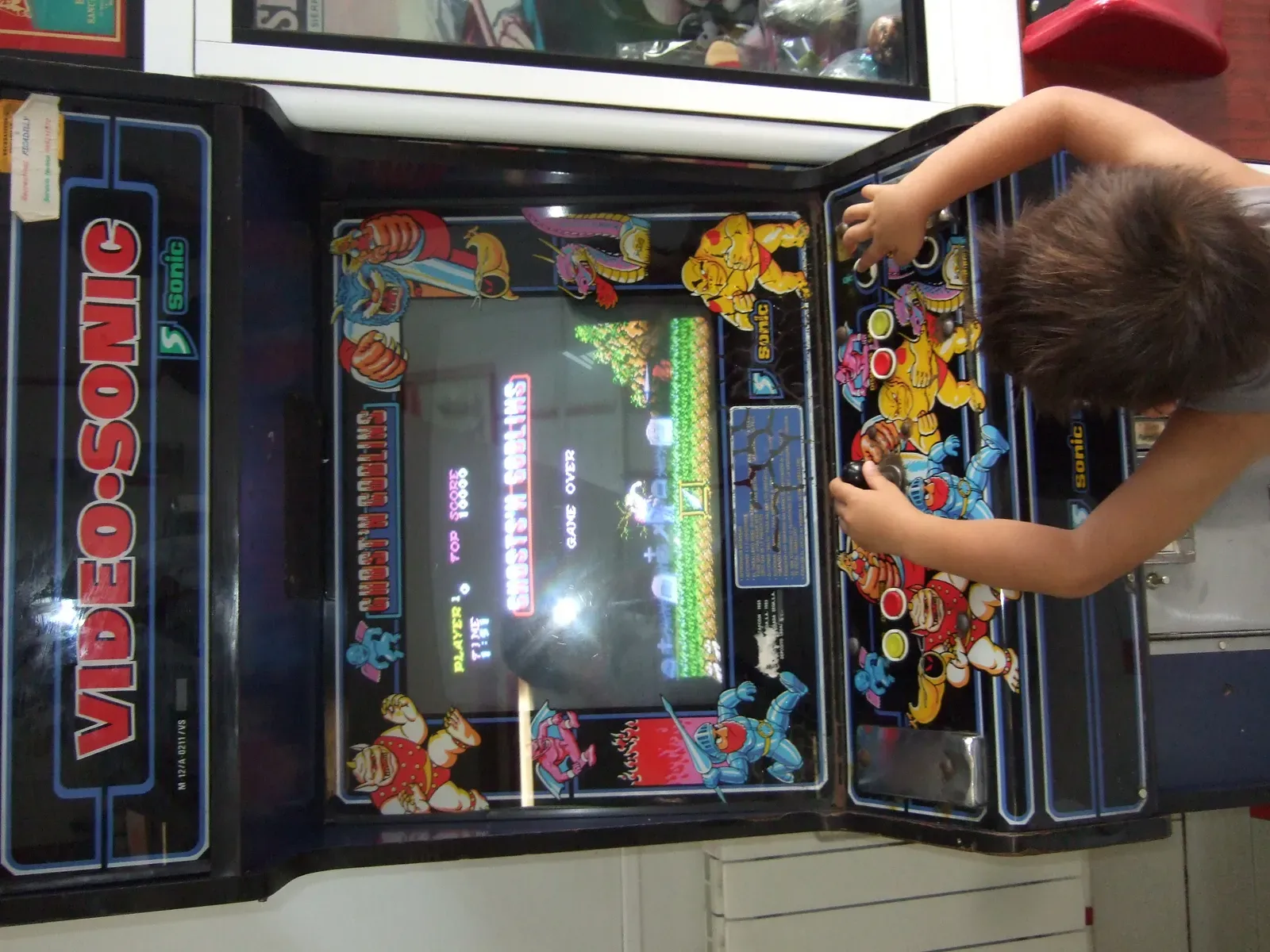
Capcom’s Ghosts ‘n Goblins is famous for being tough. One hit breaks the knight’s armor, and another kills the near-naked Sir Arthur. PlayStation’s editorial even notes it has been called the Dark Souls of its day.
If you want to test yourself, this game and its sequel Ghouls ‘n Ghosts are available on Capcom Arcade Stadium. That collection runs on PS4 and PS5, among other systems. Bring patience.
Joust (1982)
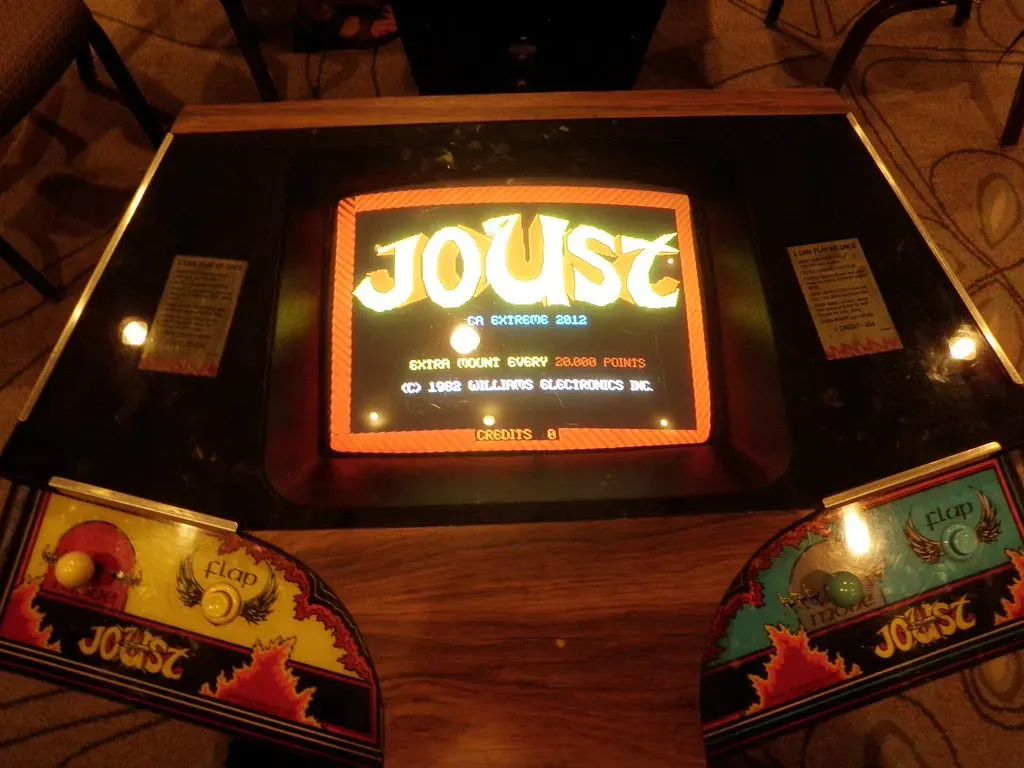
Joust, from Williams, put players on flying ostriches, battling rivals by landing a higher hit. It’s a two player classic that rewards cooperation and rivalry in equal measure. Few arcade games from that period look quite like it.
Arcade1Up currently sells a Midway cabinet with 14 iconic Midway classics. It also offers interchangeable art, with a choice between Rampage or Joust styles. That makes it one of the easiest ways to play Joust at home.
Rampage (1986)
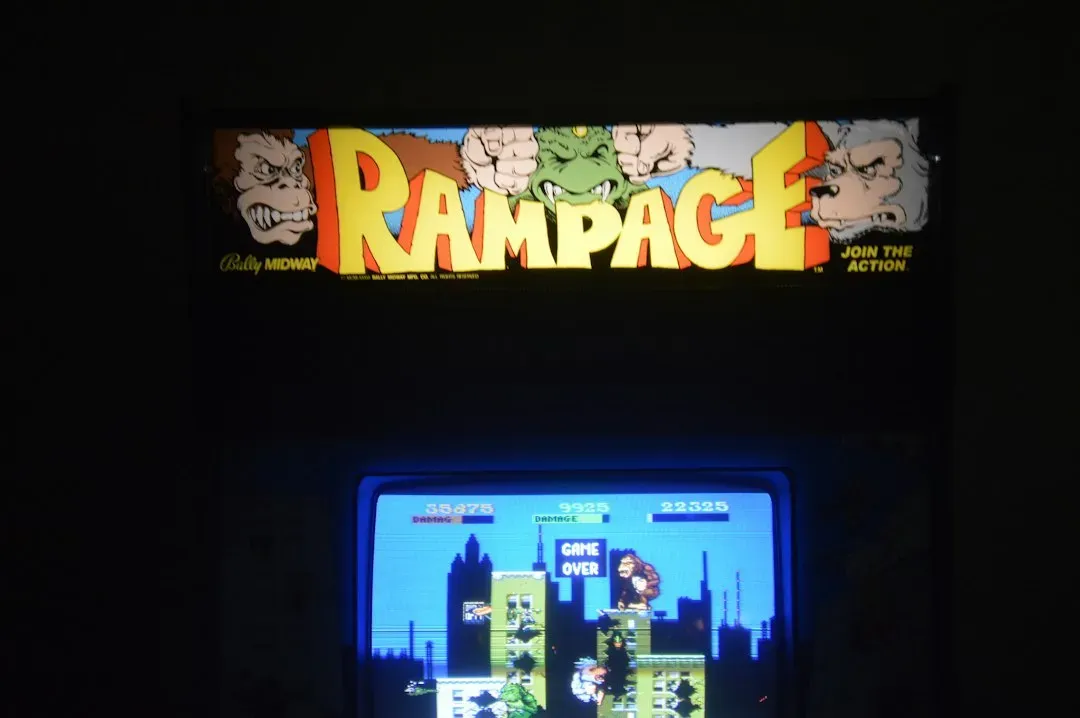
Rampage lets you play giant monsters climbing buildings and punching them down while the army fights back. It arrived from Bally Midway in the middle of the decade and was built with cooperative chaos in mind. It’s silly, and that’s the appeal.
The same Arcade1Up Midway cabinet that includes Joust also carries Rampage, as its swappable marquee and control deck art options suggest. For a simple home setup, it’s a sensible pick. Check the retailer’s current listing for pricing and stock.
Partner offer
Planning a trip to Vegas?
Compare hotel rates and show tickets on VEGAS.com.