In 1926, almost every film shown in an American theater was silent, even though audiences were used to live orchestras and organists playing along. By 1930, the vast majority of new Hollywood releases came with recorded sound. Few industries have changed so completely in such a short span.
The shift wasn’t a single event. It was a chain of business gambles, technical fixes, and nervous decisions that played out between about 1926 and 1930. Here’s how it unfolded.
Sound Experiments Were Older Than Hollywood

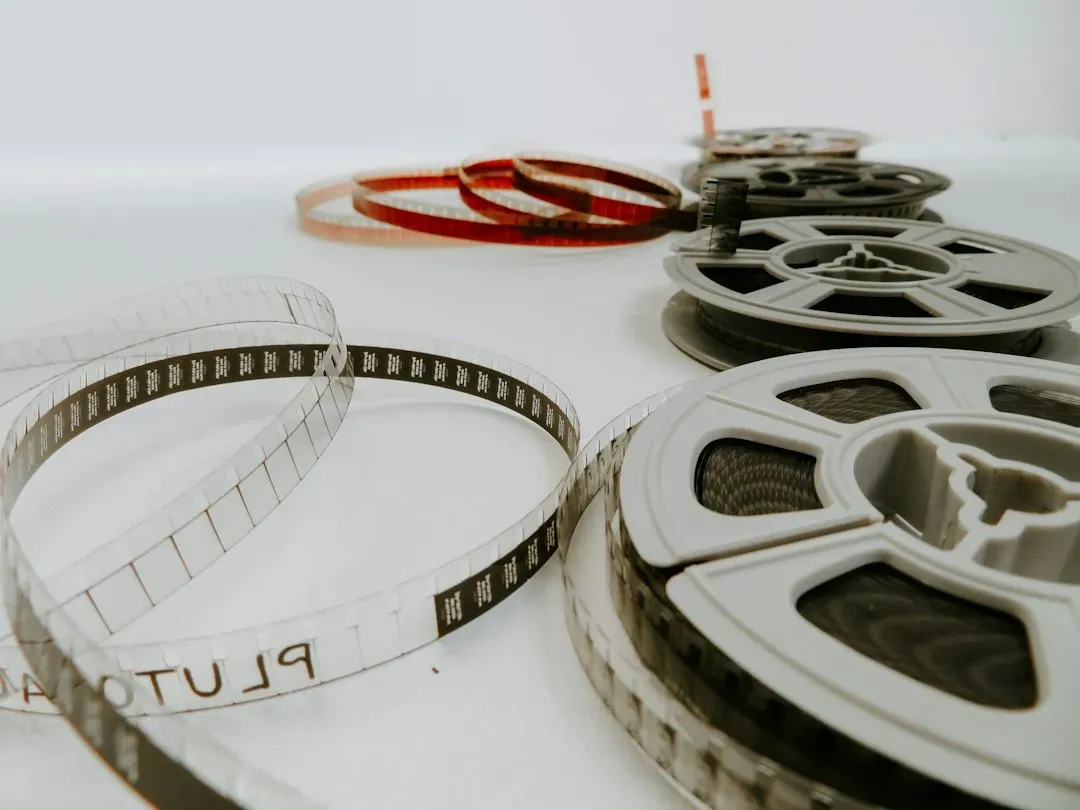
Inventors had tried to pair images with recorded sound since the late 1800s. Thomas Edison’s labs worked on combining phonographs with moving pictures, but the results were hard to synchronize and too quiet for large rooms. Other early systems had the same problems.
Nothing was practical enough for theaters until electrical recording and amplification matured in the 1920s. Bell Labs and Western Electric developed much of that technology. Their work gave studios a realistic option for the first time.
Warner Bros. Took the Risk

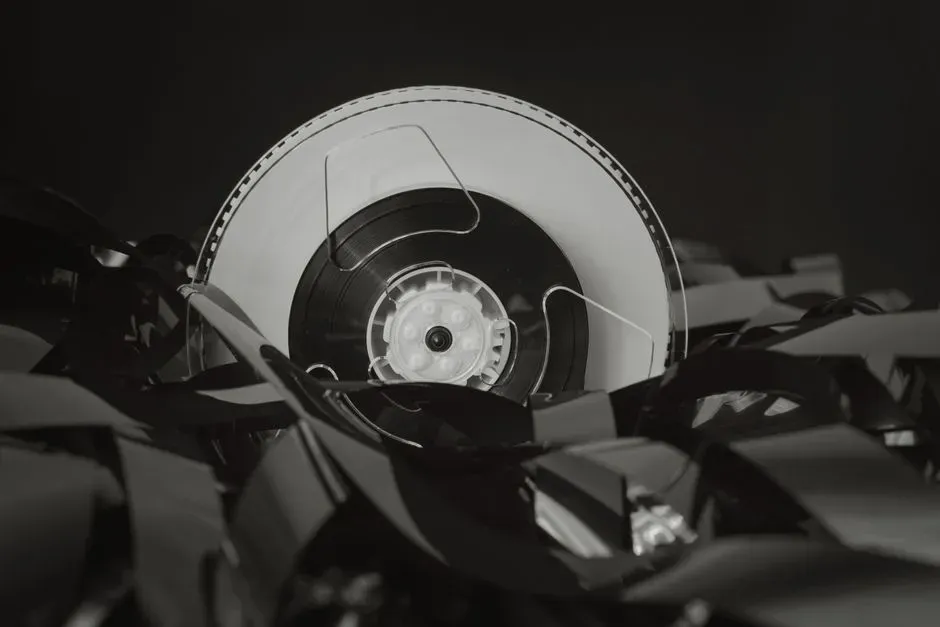
Warner Bros. was a smaller studio in the mid 1920s, and it was looking for a way to compete with the giants. It partnered with Western Electric and launched the Vitaphone system, which played sound from discs synchronized to the projector. The company saw sound as a way to put music and orchestral scores into every theater, including small ones that couldn’t afford live musicians.
The bet was costly. Warner had to spend heavily on equipment and on wiring theaters for sound. Larger rivals watched from the sidelines, waiting to see whether the expense would pay off.
Don Juan and the Vitaphone Debut

In August 1926, Warner premiered Don Juan, starring John Barrymore. It had a synchronized musical score and sound effects, but no spoken dialogue. The program also included short films of musicians and singers.
Critics were impressed by the technology, though the public response was more modest. Audiences liked the novelty, yet it didn’t yet look like the end of silent film. Many in the industry still treated sound as a gimmick for music.
The Jazz Singer Changed the Conversation

The Jazz Singer opened in October 1927 and became the film most associated with the sound revolution. It was mostly silent in structure, with recorded songs and a few brief spoken moments, including ad-libbed lines by Al Jolson. Audiences reacted strongly to hearing a performer speak and sing on screen.
The film was a major hit for Warner Bros. and made the studio’s gamble look wise. Historians often point out that it didn’t convert Hollywood overnight. It did, however, show that the public would pay for talking pictures.
The Big Studios Fell in Line
After the success, the larger studios moved quickly. In 1928, several major companies agreed to use Western Electric’s sound technology, which prevented a chaotic fight over competing standards. Fox pushed its own sound on film method, which recorded audio directly onto the film strip.
Partner offer

Sound on film eventually won out over sound on disc. It was easier to keep in sync and less likely to break or be mismatched in distribution. Warner itself moved away from discs within a few years.
Lights of New York and the First All Talking Feature

In 1928, Warner released Lights of New York, widely described as the first all talking feature film. It was a crime story made on a modest budget, and it drew big crowds. Its success reinforced the message that audiences now expected dialogue.
By the end of 1928, studios were rushing to add talking sequences to films already in production. Some silent pictures were reshot in part, or had sound scenes tacked on. The results were often awkward, but they showed how fast the market was moving.
Theaters Had to Rewire Everywhere
Making sound films was only half the job. Theaters across the country needed new projection and speaker systems, and that was a serious expense for independent owners. Large chains converted first, while small town houses often lagged behind.
Still, the pressure to upgrade was strong because audiences wanted talkies. By around 1930, most American theaters had been wired for sound. Many that couldn’t afford it closed or were absorbed by bigger operators.
Production Became Harder and Slower
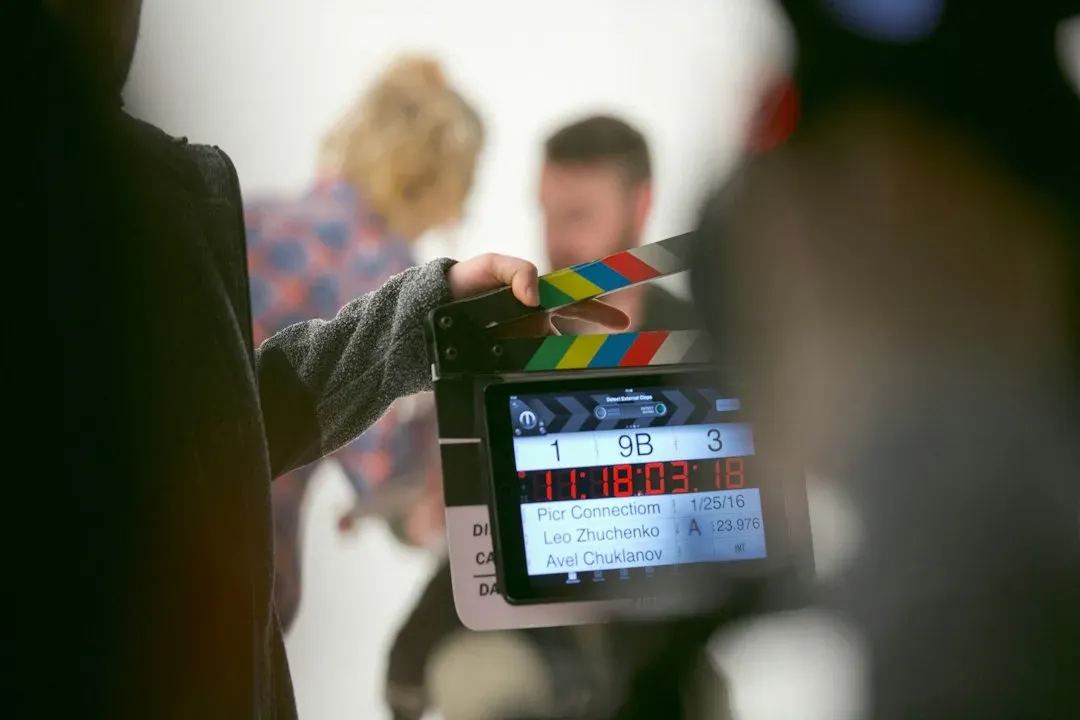
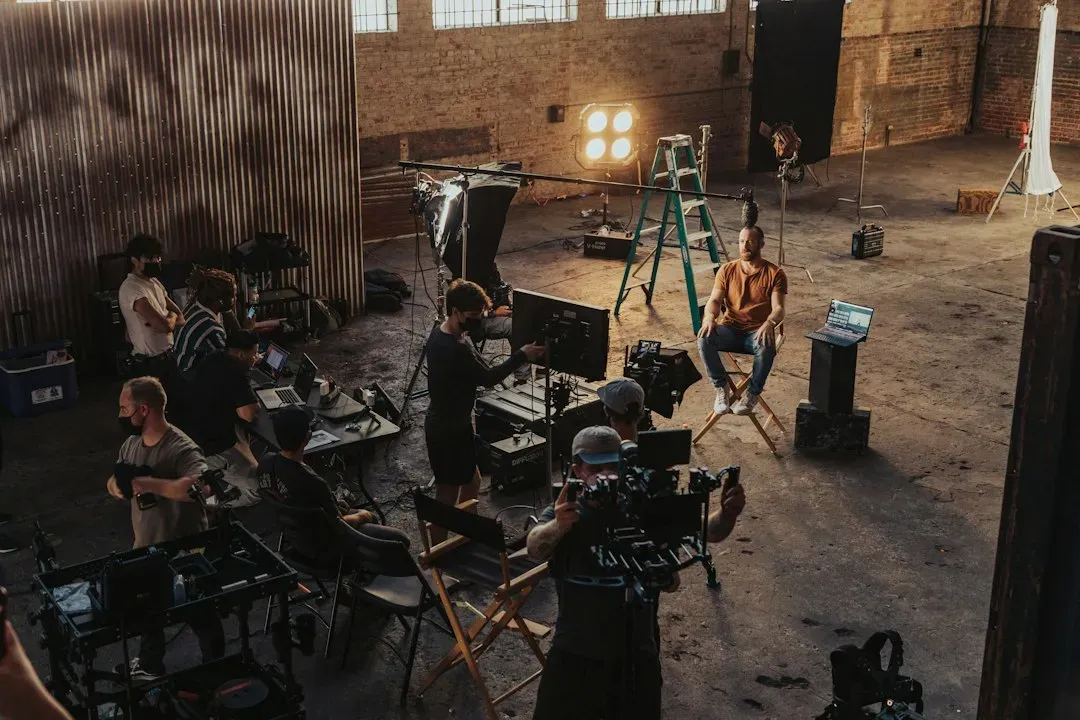
Early sound equipment was bulky and unforgiving. Cameras were placed inside soundproof booths so that their noise wouldn’t be picked up by microphones, which limited movement. Actors often had to stay close to hidden microphones, so early talkies could look stiff compared with the fluid silent films that came before.
Filmmakers solved many of these problems within a couple of years. Quieter camera housings, better microphones, and improved editing methods brought movement back. Studios also built soundstages designed to control noise.
Careers Rose and Fell
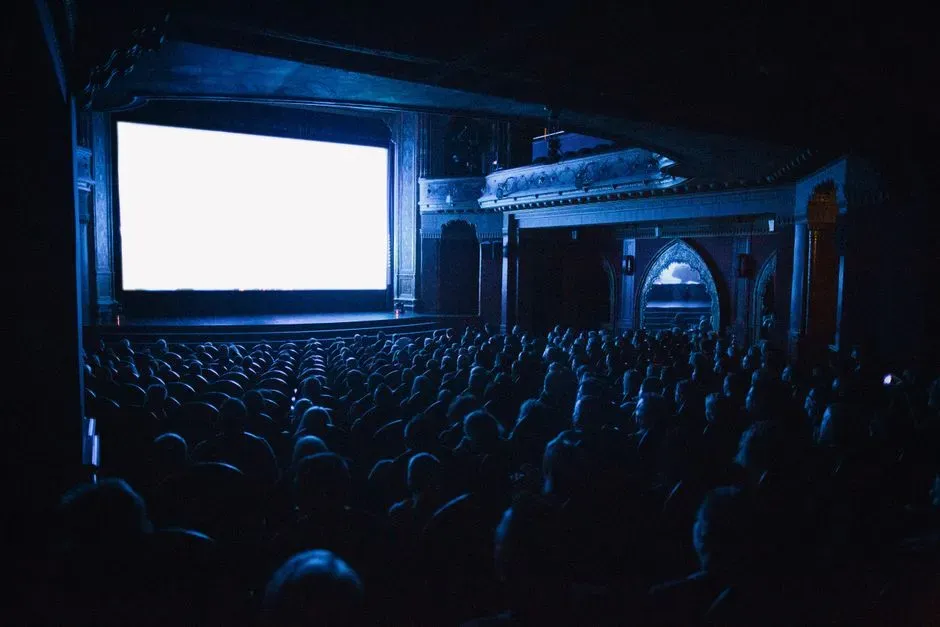
Sound changed who could succeed on screen. Some silent stars, such as Greta Garbo, made the transition well. Others saw their roles shrink, in part because of changing tastes and in part because of how their voices recorded.
Stage actors and writers who were skilled with dialogue were suddenly in demand, and many came to Hollywood from New York. Musicians who played in theater orchestras lost work as recorded soundtracks spread. The change reshaped the film workforce as much as the films.
The Last Silent Holdouts

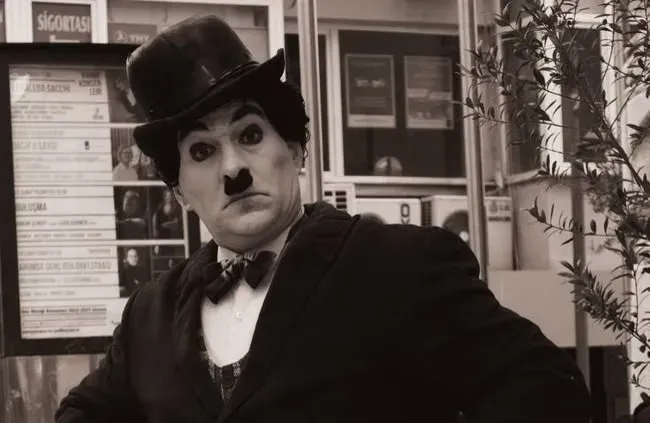
A few filmmakers resisted. Charlie Chaplin kept making films that were essentially silent, including City Lights in 1931, which used a synchronized score and sound effects but no spoken dialogue. His 1936 film Modern Times still held back on conventional speech.
By then, though, silent features were the exception. Sound had become the standard language of cinema, and the industry had rebuilt itself around it in only a handful of years.
Partner offer
Planning a trip to Vegas?
Compare hotel rates and show tickets on VEGAS.com.