Think about the artists who rewired the landscape of popular music. We celebrate legends like the Beatles or Bob Dylan, but there’s another side to this story that hits differently. Some musicians transformed entire genres and inspired generations of artists without ever knowing how deeply they’d changed everything. Their influence blossomed posthumously, years or even decades after their deaths. These are the forgotten pioneers who never saw their own impact ripple across time.
Honestly, it’s hard to think about these stories without feeling something break inside. They died believing they’d failed, never understanding that their work would echo through decades. Let’s be real, the music industry has a long history of overlooking visionaries until it’s way too late.
1. Nick Drake: The Ghost Who Haunts Modern Folk
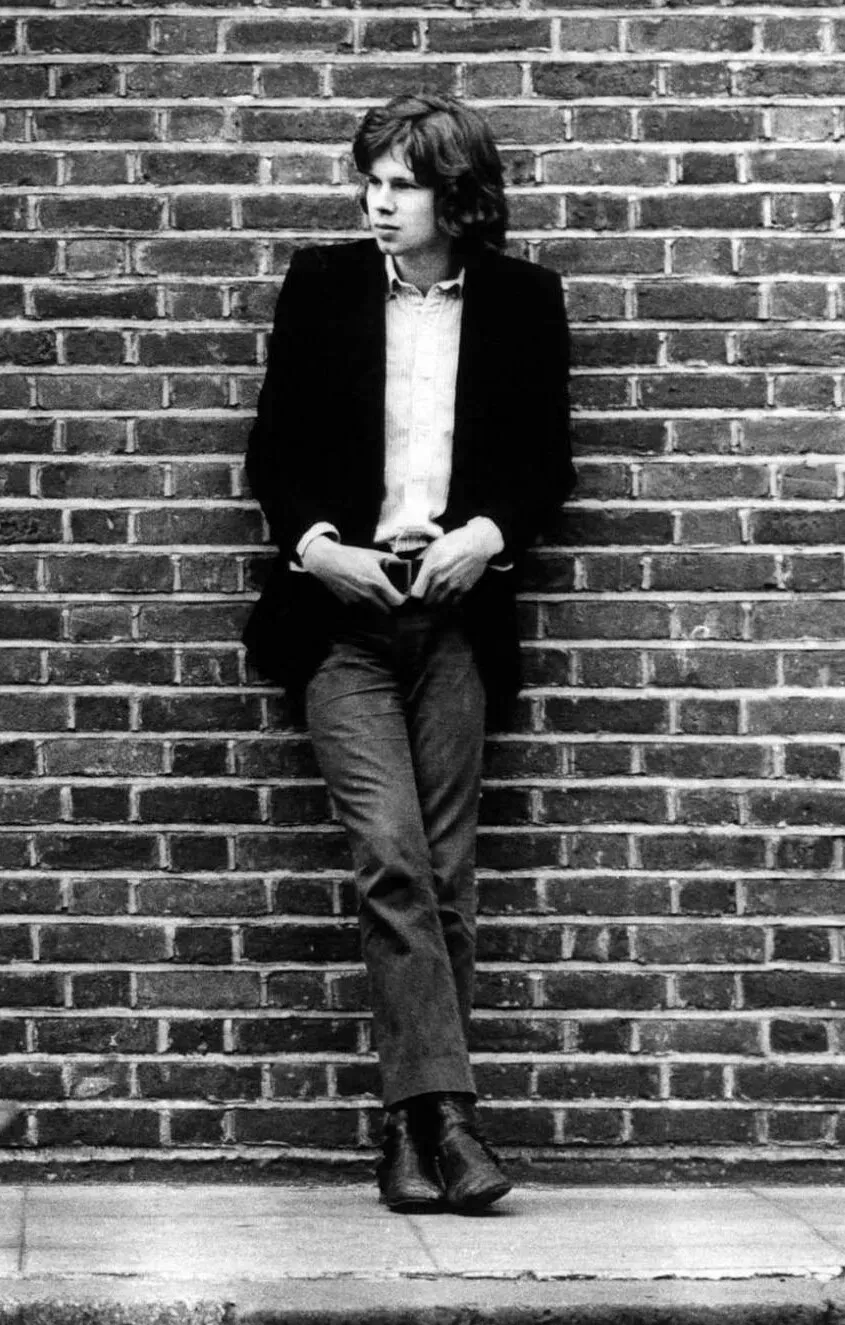
Original ad: Billboard, page 48, 31 July 1971, Public domain, https://commons.wikimedia.org/w/index.php?curid=141161522)
Nick Drake signed to Island Records at age twenty while still at Cambridge University, releasing three albums between 1969 and 1972 that sold fewer than 5,000 copies each. The British folk singer battled depression throughout his short life, retreating from live performances as his records languished. He died at age 26 in 1974 from an overdose of antidepressants, having never experienced commercial success.
A 1999 Volkswagen commercial featuring his nearly 30-year-old song caused Drake’s album sales to spike exponentially, with users of Napster suddenly searching for his music. Within a few years, Drake had sold several million albums, far exceeding anything he managed during his lifetime. By the early 1980s, Robert Smith of The Cure, Kate Bush, and Paul Weller began dropping Drake’s name as an influence.
2. Eva Cassidy: The Voice That Found Millions Too Late

Eva Cassidy was virtually unknown outside her native Washington, D.C. area when she died from melanoma at age 33 in 1996. Her powerful soprano voice could inhabit jazz, folk, and blues with equal ease, yet mainstream success eluded her completely. Two years after her death, her versions of “Fields of Gold” and “Over the Rainbow” were played on BBC Radio 2, and a compilation album climbed to the top of the UK Albums Chart almost three years after its initial release.
The numbers are staggering when you think about it. Her posthumously released recordings have sold more than ten million copies, including three number-one albums and one number-one single in the UK. In 2023, her collaboration with the London Symphony Orchestra, I Can Only Be Me, charted at number 9 on the UK album chart. Cassidy is the only female artist to have had three consecutive posthumous number one albums, despite performing no more than 100 gigs in her lifetime, many to no more than 30 people.
3. Robert Johnson: The Bluesman Who Sold Nothing But Influenced Everything
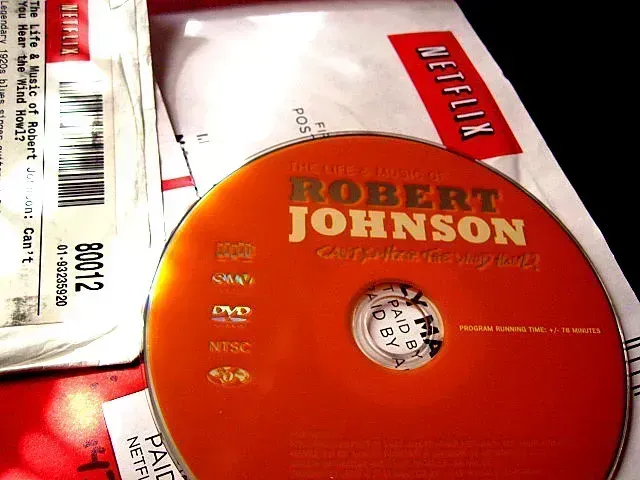
Little is known about the poorly documented life of Delta blues master Robert Johnson, who died at 27 in 1938 of suspected poisoning. He worked from gig to gig with virtually no recognition, recording only 29 songs in hotel rooms and warehouses. In 1961, Columbia Records released King of the Delta Blues Singers, a compilation that finally brought Johnson’s work to a wider audience.
When his recordings were reissued in the 1960s, a Robert Johnson revival led to his enshrinement among the greatest blues guitarists in history and as an influence for Eric Clapton, John Mellencamp, Muddy Waters, the Rolling Stones, and Led Zeppelin. Columbia’s 1990 release of the two-compact-disc box set The Complete Recordings of Robert Johnson sold a startling two million copies and was certified platinum. The man died thinking he’d achieved almost nothing.
4. Skip James: Rediscovered Just Before the End

Skip James first recorded for Paramount Records in 1931, but these recordings sold poorly, having been released during the Great Depression, and he drifted into obscurity. His haunting falsetto vocals and dark minor-key guitar tunings created an eerie, otherworldly sound. For roughly thirty years, he virtually disappeared.
In 1964, blues enthusiasts John Fahey, Bill Barth, and Henry Vestine found him in a hospital in Tunica, Mississippi, and the rediscovery of both James and Son House at virtually the same time was the start of the blues revival in the United States. In July 1964, James appeared at the Newport Folk Festival, his first performance in over 30 years. British rock band Cream recorded “I’m So Glad,” providing James with ten thousand dollars in royalties, the only windfall of his career. He died in 1969, having glimpsed his impact for only five short years.
5. Judee Sill: The Sacred Songwriter Lost to Obscurity
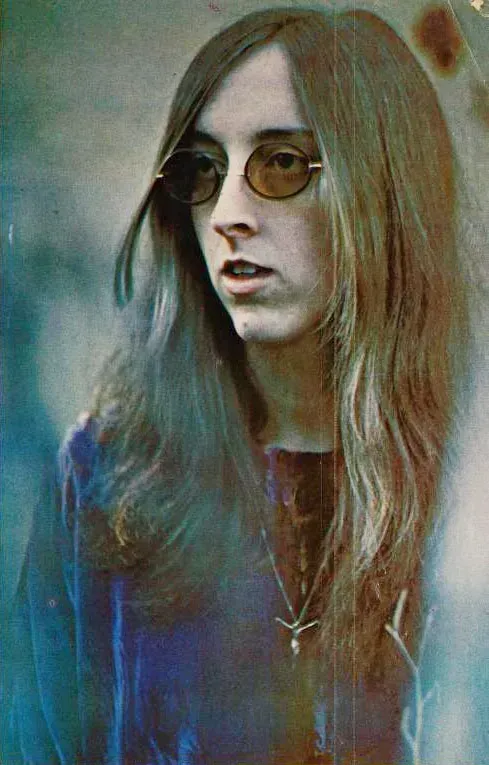
Judee Sill was the first artist signed to David Geffen’s label Asylum, releasing her first album in 1971 followed by Heart Food in 1973, both acclaimed but commercially unsuccessful. Her music blended baroque arrangements influenced by Bach with Christian imagery and mystical themes. Sill died of a drug overdose in 1979 at age 35, and at the time of her death, no obituary was published.
Partner offer
The thing that gets me is how complete her erasure was. Many of her musician contemporaries did not learn of her death for some months. Sill remained obscure for years, a cult favorite until posthumous releases and reissues in the early 2000s made her music accessible again. Fleet Foxes have covered “Crayon Angels” live several times, Paramore’s Hayley Williams sang “Lopin’ Along Thru the Cosmos,” and Bartees Strange covered “The Pearl” for a Sill tribute compilation.
6. Jeff Buckley: Drowned Before the World Caught Up
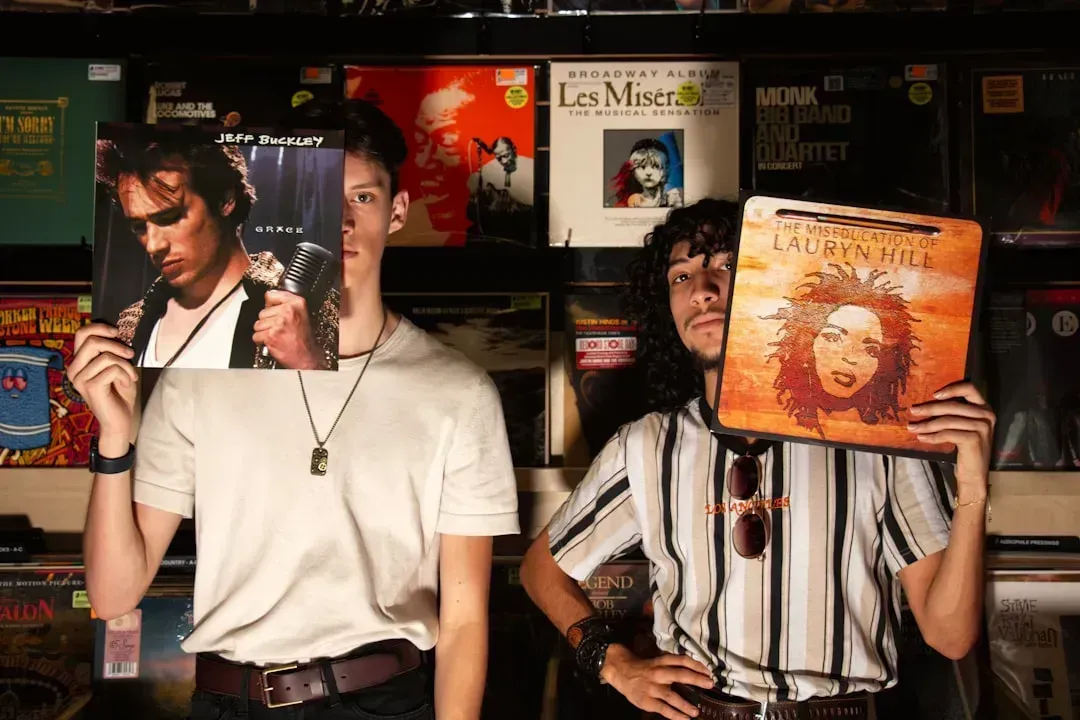
Jeff Buckley had only released one album when he drowned during a spontaneous evening swim at age 30 in 1996, and after his death, his cover of Leonard Cohen’s “Hallelujah” catapulted him to posthumous superstardom. The single album he released during his lifetime, Grace, initially sold modestly. As news of Buckley’s death spread, interest in the Grace album picked up considerably.
In 2008, Buckley’s version of “Hallelujah” sold nearly 200,000 copies in a single week after the song was featured on American Idol, reaching number one on the iTunes download chart. Artists ranging from Chris Cornell to PJ Harvey sang his praises. He never knew his voice would become iconic.
7. Arthur Russell: The Prolific Invisible Man
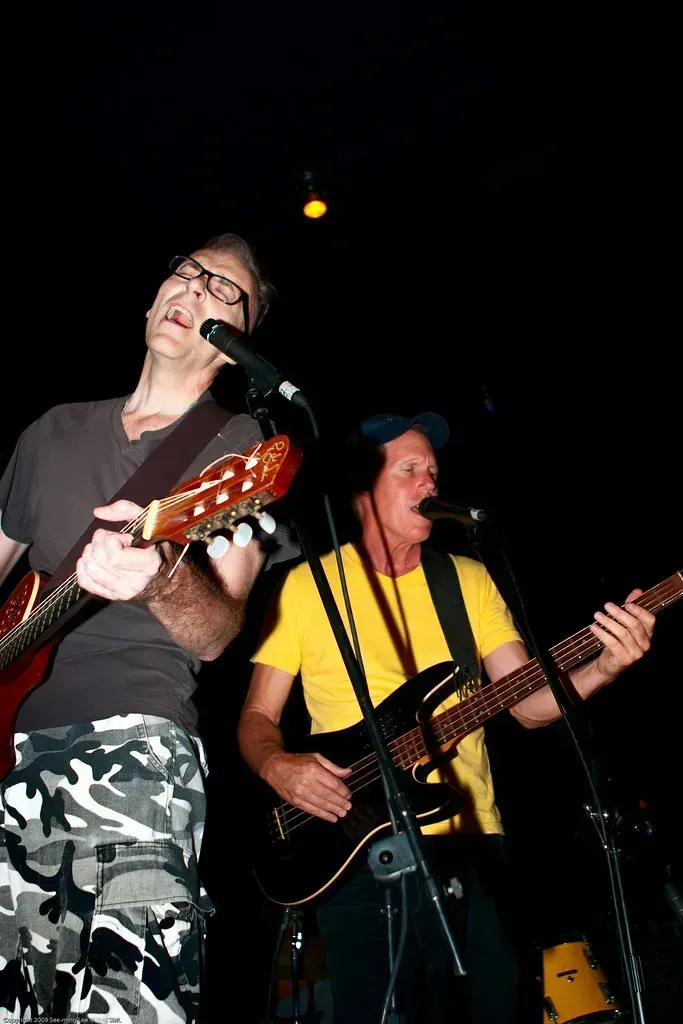
Cellist, composer, and singer Arthur Russell collaborated with many known artists during his career but released very little original material and went largely unnoticed in popular culture, and when he died of AIDS in 1992, his longtime partner released an enormous volume of finished and unfinished material that Russell left behind in his modest New York City apartment.
Russell’s inability to finish projects during his lifetime meant the world barely heard him. Despite being one of the most innovative and forward-thinking musicians of his time, Russell suffered from a “near-chronic inability to complete projects”. His posthumous releases revealed a staggering breadth of talent spanning disco, experimental classical, and folk music that would influence electronic musicians for decades.
8. Bradley Nowell: Sublime Success Arrived Eight Days Too Late
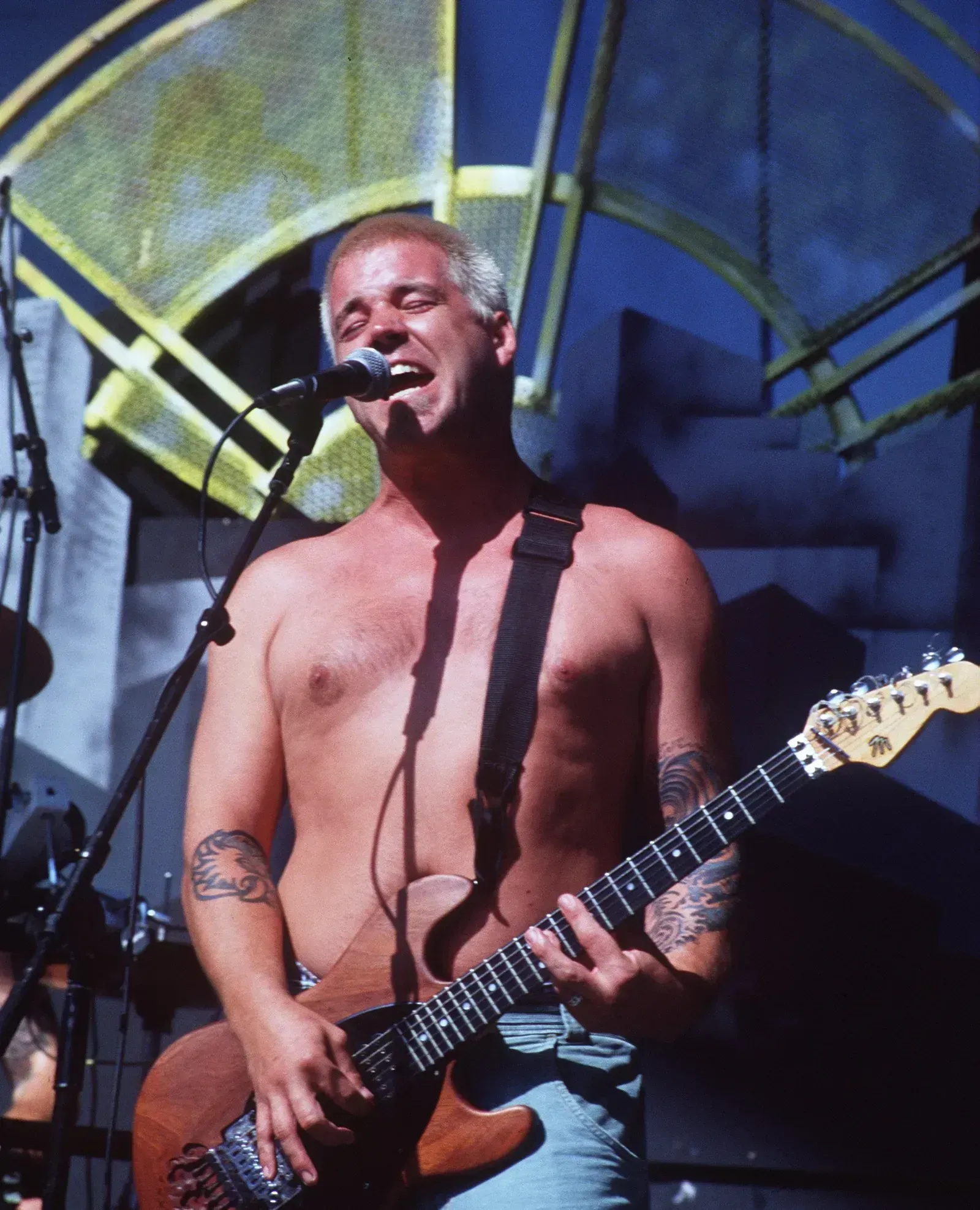
Bradley Nowell of Sublime died in 1996 at age 28 from heroin addiction, the band’s self-titled album was released after his death, and by the following year it had shot up the US charts with Sublime becoming one of the most successful rock acts of 1997. He died just two months before the album’s release.
It’s brutal to think about. After years of slogging it out, Sublime was poised to break things wide open with their third album in spring 1996. Nowell never got to see ska-punk explode or understand that he’d helped create an entire subgenre. He was gone before any of it mattered commercially.
9. Ian Curtis: Joy Division’s Brief, Burning Light
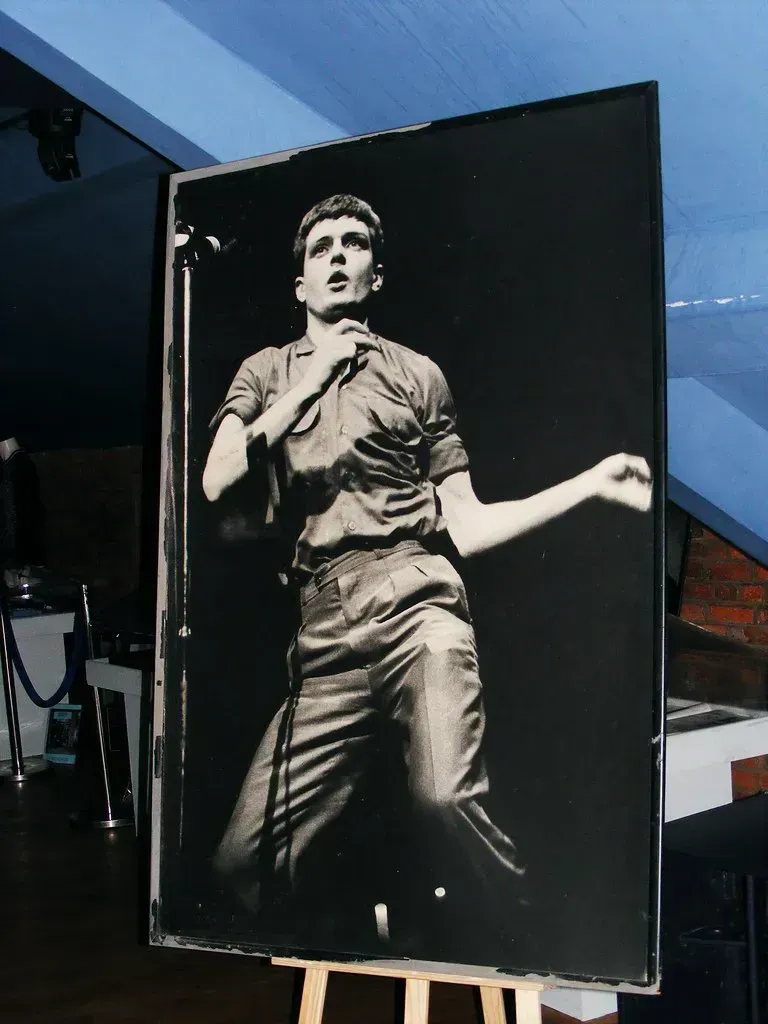
After Ian Curtis died, Joy Division slowly emerged from obscurity into a powerful force whose influence was taken up by everyone from U2 and Radiohead to The Smashing Pumpkins and Interpol, with both Unknown Pleasures and Closer considered essential parts of the post-punk canon. Curtis took his own life in 1980 at age 23, struggling with epilepsy and depression.
Shortly after Curtis died, the remaining three members formed New Order, which became even more successful than Joy Division. The music Curtis created in just a few short years would define an entire aesthetic for generations. Museums, documentaries, books, and films have since told his story, but he never experienced any of that recognition.
10. Karen Dalton: Bob Dylan’s Favorite Singer No One Heard
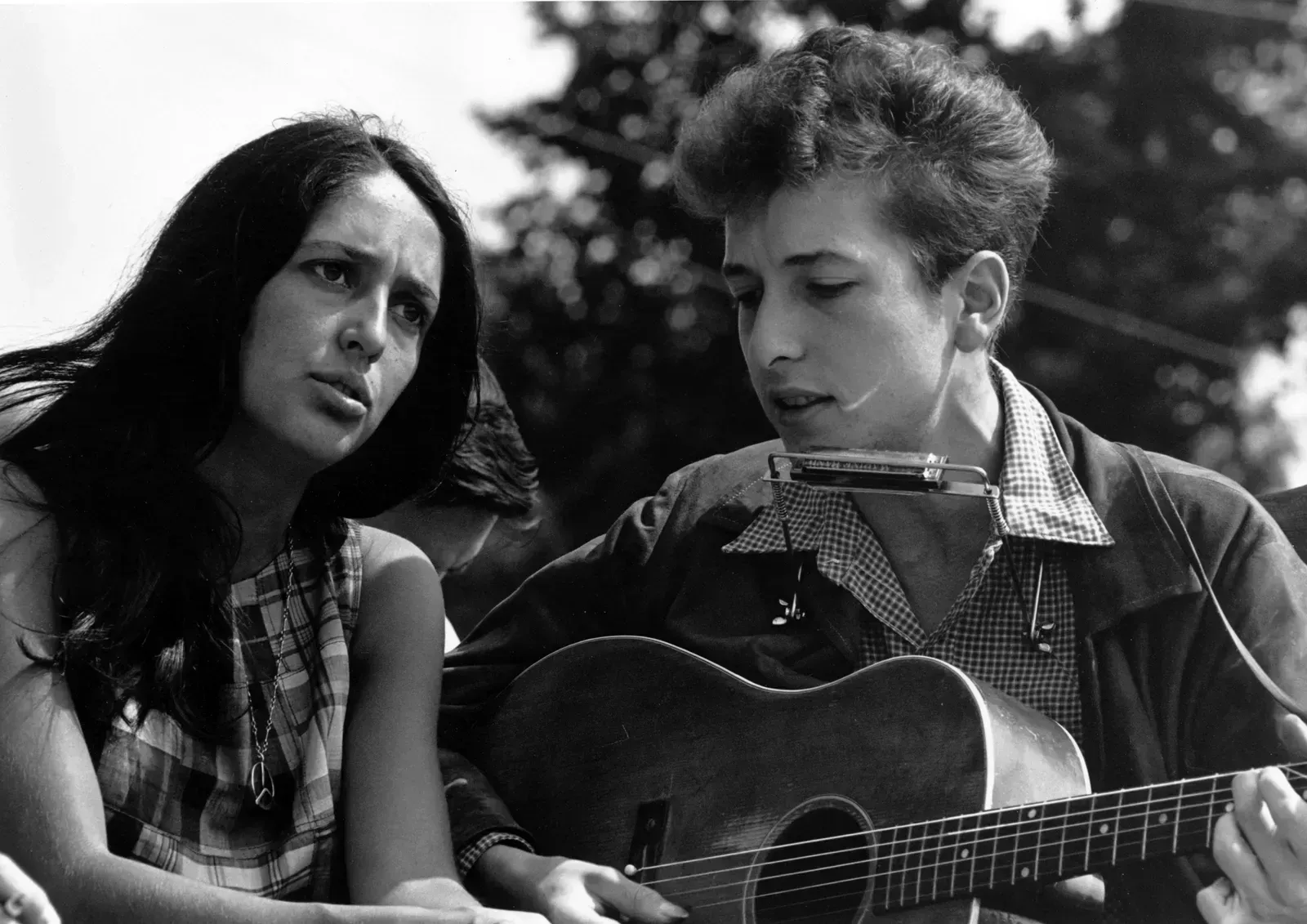
With a voice that sounded like midnight whiskey poured over broken glass, Karen Dalton bewitched everyone who heard her sing, with Bob Dylan describing her as his favorite singer from the Greenwich Village folk scene, yet she despised recording studios and commercial music and recorded just two albums before disappearing into homelessness. She died alone in 1993 from AIDS complications, her genius virtually unknown beyond a small circle of musicians.
Twenty-first century artists like Nick Cave and Joanna Newsom have championed her raw, authentic blues interpretations. Dylan knew what he was talking about, calling her his favorite. Yet Dalton lived and died in near-total obscurity, her incredible talent discovered by wider audiences only after she’d been gone for years.
Partner offer
Planning a trip to Vegas?
Compare hotel rates and show tickets on VEGAS.com.