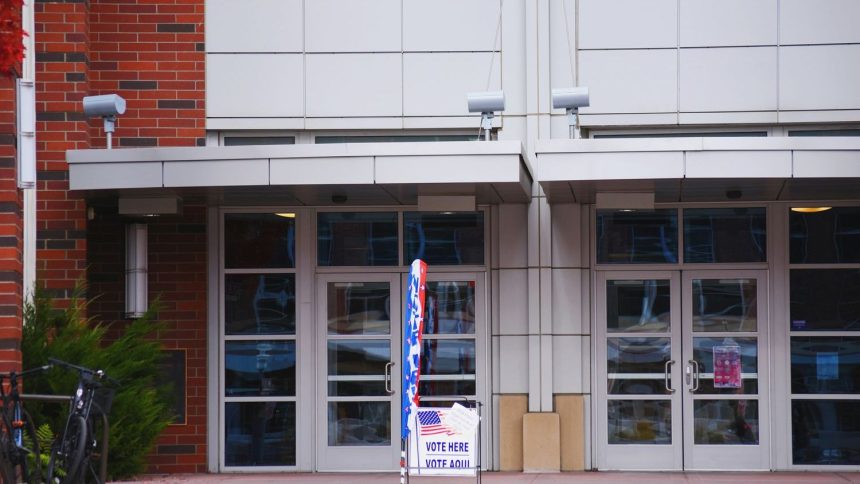
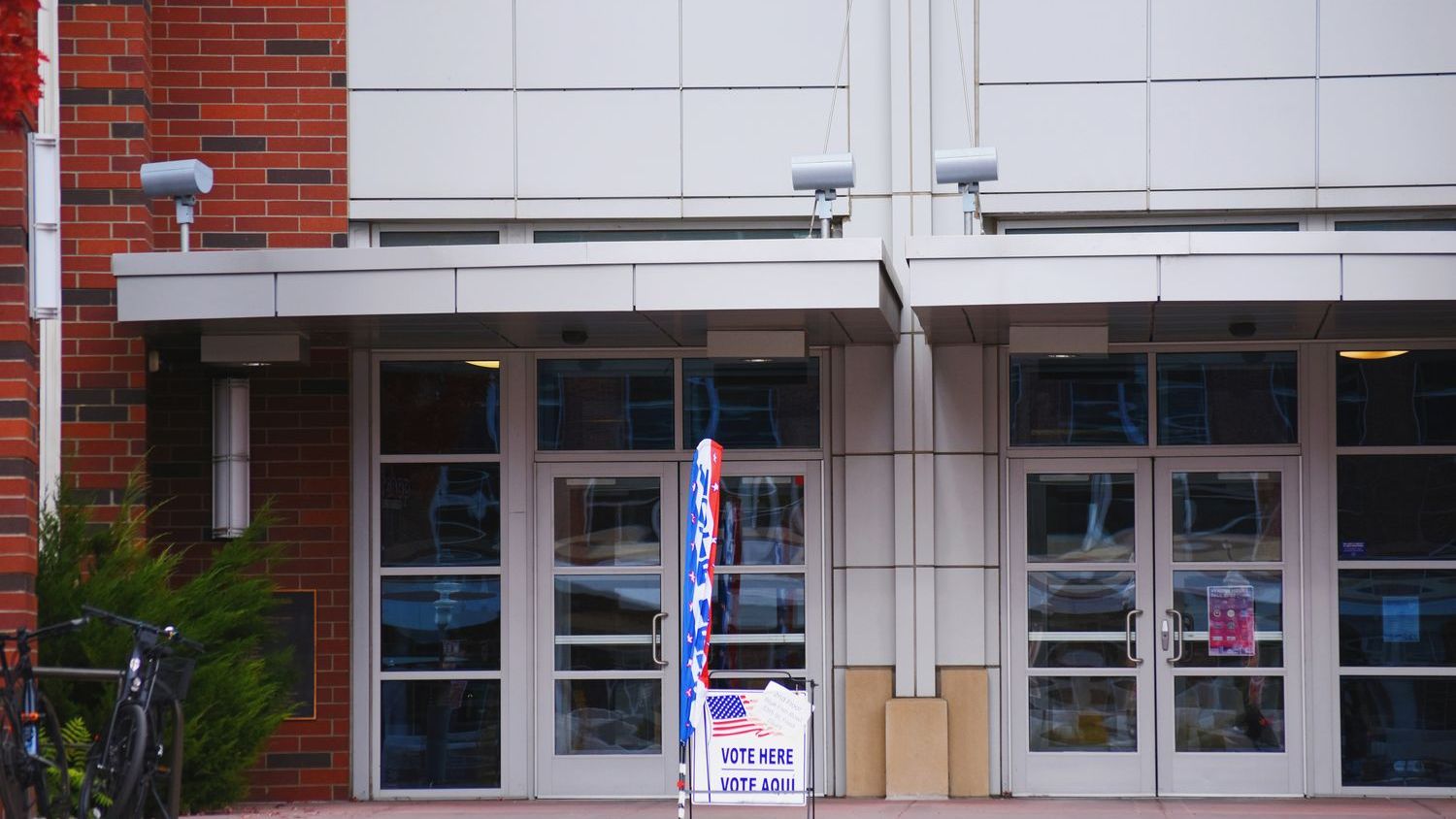
Should Nevada elections be overhauled? Here's what GOP secretary of state hopefuls say. – Image for illustrative purposes only (Image credits: Unsplash)
Nevada’s Republican primary for secretary of state has emerged as a key battleground for testing voter sentiment on the state’s election processes. Four candidates vie for the nomination, each bringing distinct backgrounds and visions for reform amid ongoing debates about trust in the system. The June 9 contest will determine who challenges Democratic incumbent Cisco Aguilar in the general election, where the winner will oversee elections through at least 2028.
Governor Joe Lombardo has endorsed one contender, highlighting the race’s internal party dynamics. Fundraising disparities underscore the competition, with the incumbent holding a substantial edge. Beyond elections, the office manages business licensing, including a new system launching this summer.
Meet the Republican Contenders
Shirley Folkins-Roberts, a 61-year-old Northern Nevada businesswoman, entered politics recently after years in commercial real estate and co-founding a nonprofit aiding children with cancer. She connected with Lombardo through his economic development initiative and launched the race’s first ad this week. Folkins-Roberts raised nearly $100,000 in early 2026, though much of it came from a personal loan.
Her opponents include seasoned politicians with multiple campaigns behind them. Sharron Angle, 76, served eight years in the Nevada Assembly and ran unsuccessfully for U.S. Senate in 2010 and other offices since. She collected about $15,000 in the first quarter. Jim Marchant, 69, a former assemblymember and tech executive, lost the 2022 general election for the post by roughly 23,000 votes and plans to self-fund this time. Socorro Keenan, also 69, placed seventh in the 2022 Republican primary after varied careers including flight attendant and grant writer.
Divergent Beliefs on Election Fraud
Folkins-Roberts stands apart by rejecting claims of widespread fraud. She attributes issues to confusion and eroded confidence rather than security flaws. The secretary of state’s office has referred 42 potential violations for prosecution since 2020, but no evidence supports mass irregularities.
In contrast, her rivals have promoted unsubstantiated assertions. Angle supported efforts to block 2020 certification over fraud allegations and warned last year that such crimes undermine legitimacy. Marchant expressed distrust in Nevada results for two decades, even questioning outcomes if he prevailed. Keenan alleged around 4,000 non-citizens voted illegally in 2020, though an FBI probe identified just 38 potential cases amid 1.3 million ballots.
Proposals for Overhauling the System
All candidates back voter ID, set for possible implementation in 2028 pending ballot approval this year. Yet their plans diverge sharply on scope and method. Folkins-Roberts advocates practical adjustments: ending mail ballot acceptance after Election Day – even if postmarked on time – and shifting to an opt-in system for mail voting. In 2024, fewer than 1 percent of ballots arrived post-Election Day in major counties.
Partner offer
Recent polling showed strong GOP support for these tweaks, with 85 percent favoring no post-Election Day mail receipts and 75 percent preferring opt-in. Folkins-Roberts noted the current universal mail ballots sow confusion among voters who receive them unsolicited.
Marchant pushes more sweeping measures. He proposes unregistering and reregistering every voter using biometrics like fingerprints, iris scans, or heartbeat detection. He also seeks to scrap voting machines entirely, relying on hand-counted paper ballots – a plan courts halted in Nye County in 2022. Marchant claimed hidden chips in machines, despite their lack of internet connectivity and absence of proven issues.
Angle calls for repealing automatic voter registration and enforcing Election Day deadlines for results. She endorses the federal SAVE Act, which would require citizenship proof, end mail-only registration, and mandate photo ID. Keenan prioritizes a forensic audit of the office to uncover any lingering issues from the current administration.
Navigating Federal Involvement
The Trump administration requested state data like driver licenses and partial Social Security numbers to check voter eligibility, but Nevada refused and now faces a lawsuit. Angle backed compliance, arguing for enforcement of the executive order. Folkins-Roberts praised the intent but stressed states’ constitutional authority over elections.
Marchant and Keenan have not clarified their positions. A recent poll indicated 36 percent of Nevada Republicans view the federal government as the final arbiter on elections, while 25 percent anticipate widespread errors this year – down from 44 percent deeming 2020 fraudulent.
Stakes for Nevada’s Future
The primary outcome will signal Republican priorities, from incremental fixes to radical restructuring. Aguilar advanced without opposition and leads in funds, positioning the general election as a test of broader voter views. The next secretary will shape not only ballots but business operations amid federal pressures.
With voter ID on the horizon and mail voting under scrutiny, Nevada’s choices could influence turnout and trust for years. The race underscores a party grappling with confidence gaps, where modest reforms compete against demands for total resets.
Partner offer
Planning a trip to Vegas?
Compare hotel rates and show tickets on VEGAS.com.