


Most books, once published, stay put. They sit on shelves, get dog-eared, get quoted, and slowly become fixed objects in the literary landscape. Yet a surprising number of writers have looked back at their finished work, felt something close to unease, and decided to do it all over again. Not small tweaks, but genuine, sometimes radical reworkings.
The reasons vary. Some authors grew older and found their beliefs had shifted. Others felt their early prose was unworthy of the story it carried. A few were simply perfectionists who never considered a book truly done. Whatever the motive, these rewrites offer an unusual window into how writers change, and what happens when a living author and a finished book come apart at the seams.
1. Leo Tolstoy – War and Peace

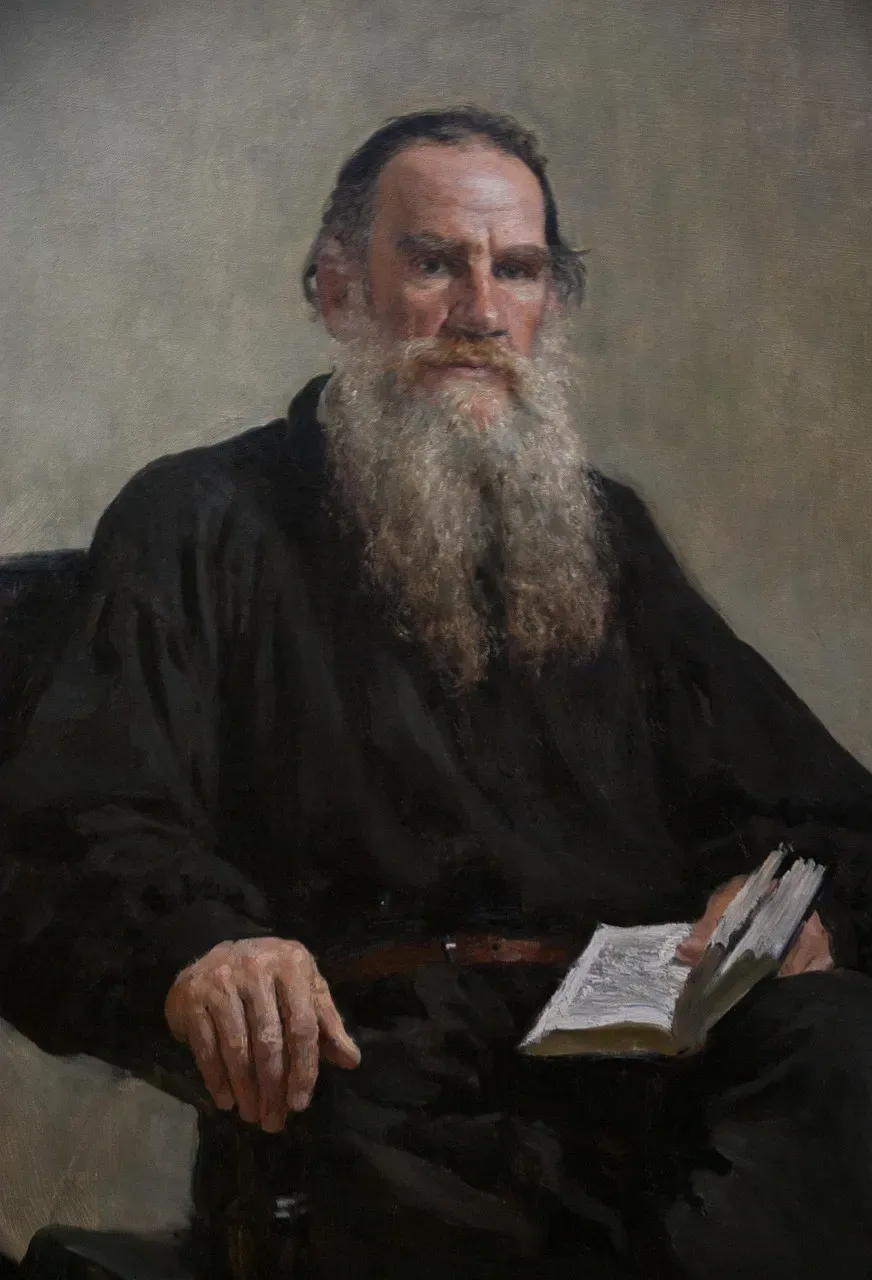
Tolstoy’s War and Peace is one of the most famous novels ever written, but the version first published in 1869 wasn’t the last word for its author. As he aged, Tolstoy underwent a profound spiritual and philosophical transformation, growing increasingly critical of violence, war, and the very idea of glory, which led him to revisit his sprawling epic. In later years, he revised sections of the novel, toning down the heroism of battle and emphasizing the moral struggles of his characters, driven by his evolving beliefs about faith, pacifism, and the human soul.
Tolstoy’s willingness to reshape his greatest work demonstrates the power of artistic growth and the courage to question one’s own creations. The fact that the novel he rewrote was already considered a masterpiece makes this act all the more striking. It’s rare for an author to reach back into their most celebrated work and say: this isn’t quite right yet.
2. Walt Whitman – Leaves of Grass

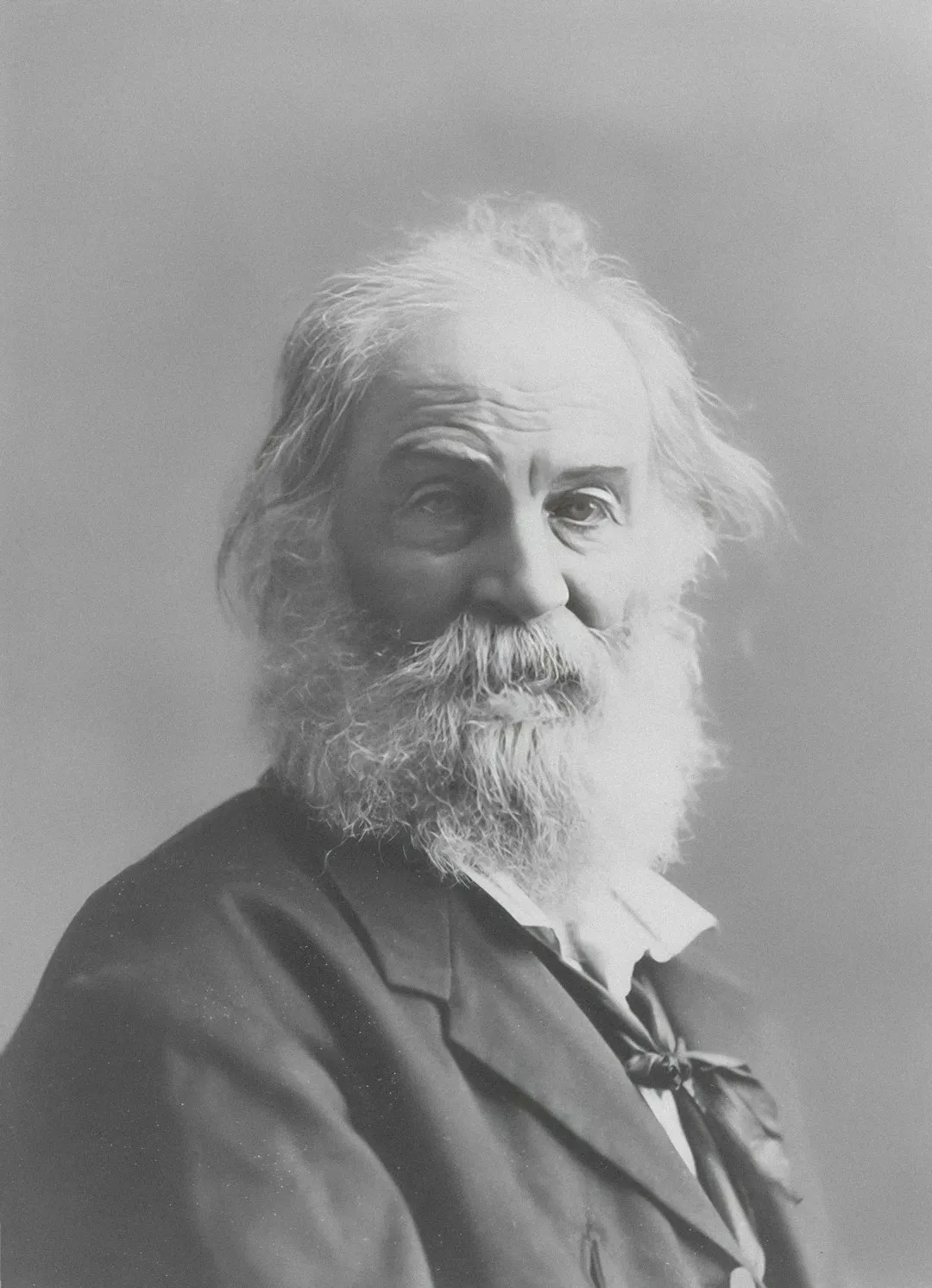
When Whitman first self-published Leaves of Grass in 1855, it was a slim, radical volume that shocked and inspired readers in equal measure. He wasn’t done. Over the next 37 years, he returned to it again and again, producing a staggering seven editions by the time of his death in 1892. Each new edition brought more poems, new arrangements, and rewrites that mirrored his shifting ideas about democracy, the body, nature, and the American spirit.
By the final edition, Leaves of Grass had more than tripled in size, serving as a living autobiography of Whitman’s mind and the nation’s changing soul. This never-ending revision is rare in literature, making Whitman not just a poet but a tireless editor and re-inventor of his own myth. In a sense, the poem was never a finished product – it was a continuous act of becoming.
3. Mary Shelley – Frankenstein

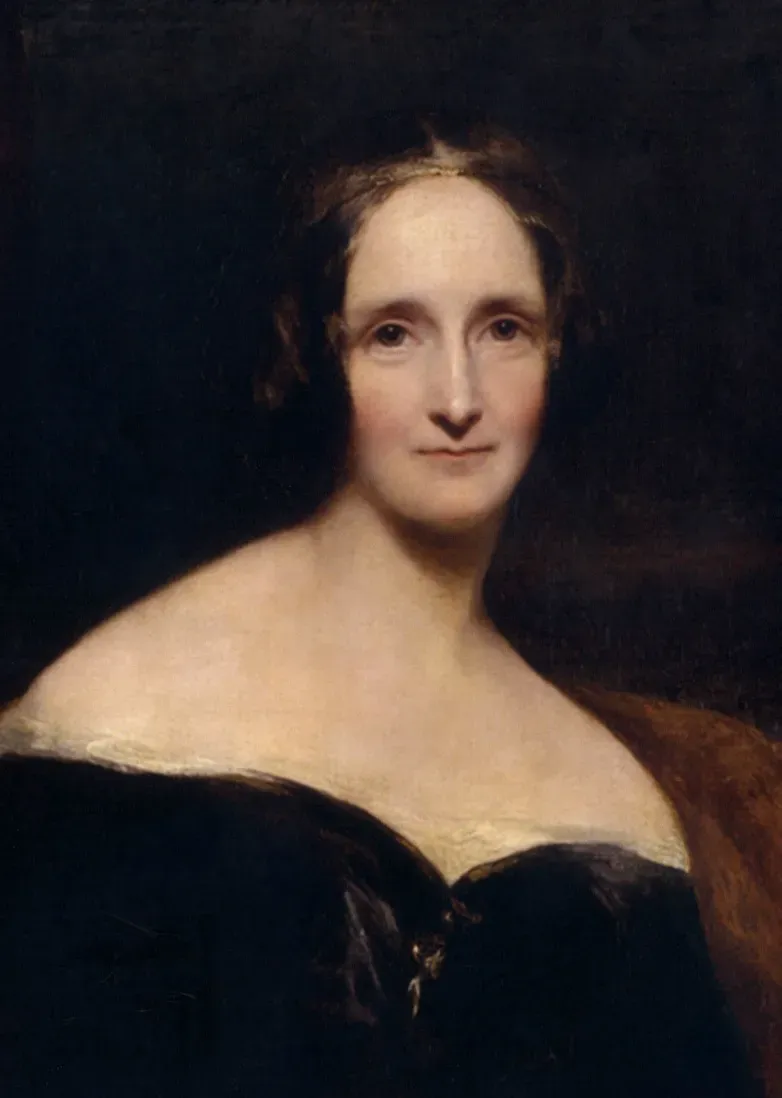
Mary Shelley’s Frankenstein was first published when she was only 20 years old and became one of the most famous works of supernatural fiction. What is less well-known, however, is that the book was changed in a number of significant ways between that original anonymous 1818 publication and a revised edition Shelley wrote in 1831. According to UCLA Professor Anne K. Mellor, between 1818 and 1831, two of Shelley’s children, as well as her husband Percy, had died, and some of her closest friends had turned their backs on her, all of which convinced Shelley that human events are decided not by personal choice or free will but by an indifferent destiny or fate.
In the 1818 version, Dr. Frankenstein retained a capacity for good and a certain control over his actions and whether to pursue his experiments. The 1831 version leaves him caged to his fate by forces outside of his control. The two editions are, in effect, two different novels wearing the same title. Shelley’s personal losses didn’t just change her life – they changed the entire philosophical underpinning of her most famous creation.
4. William Wordsworth – The Prelude


William Wordsworth’s The Prelude is a rare example of a poem that matured right alongside its creator. The original draft was completed in 1805 but stayed hidden and unpublished while Wordsworth continued to grow as both a poet and thinker. Throughout his life, he revised and reshaped the poem multiple times, reflecting his changing relationship with nature, memory, and self-examination.
It wasn’t until after his death in 1850 that the final, posthumous version reached the public. The changes Wordsworth made over the decades reveal how his thoughts deepened and his style evolved, moving from youthful exuberance to a more measured and philosophical tone. His persistent tinkering is a testament to the fact that sometimes, poetry is less about a single moment of inspiration and more about a lifetime of reflection and adjustment. The poem’s journey from a secret manuscript to a published classic mirrors Wordsworth’s own journey toward poetic and personal maturity.
5. Stephen King – The Dark Tower: The Gunslinger

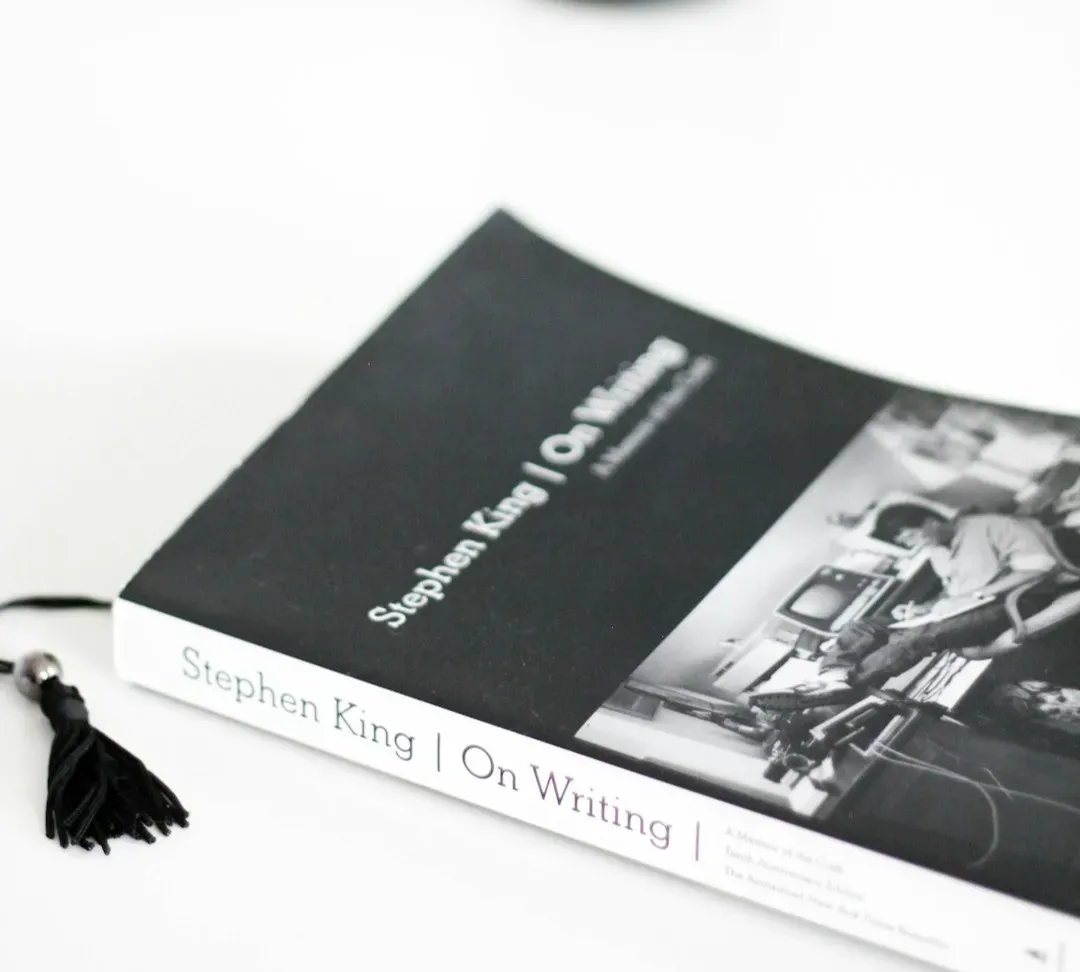
King revised The Gunslinger in 2003. In his introduction to the new edition, King stated that he felt the original version was “dry” and difficult for new readers to access. He also made the storytelling more linear and the plot more consistent with the series’ ending. Other changes were made in order to resolve continuity errors introduced by later volumes. The added material was over 9,000 words, totaling around 35 pages in length.
Specific changes included removing a scene with Roland reading a magazine in Tull, since later information suggested paper was a scarcity in Roland’s world. The town of Farson was changed to Taunton, as John Farson became a character in later books. References to the Beast were changed to refer to the Crimson King. For dedicated Dark Tower fans, the two versions of this novel remain distinct reading experiences, each with its own atmosphere and internal logic.
Partner offer

6. J.R.R. Tolkien – The Hobbit


While Tolkien was busy with The Lord of the Rings, the importance of the Ring increased dramatically, which resulted in some inconsistencies with The Hobbit. Instead of making changes to The Lord of the Rings, Tolkien decided he would make the changes to The Hobbit instead. In the revised version, Gollum was made more wretched to show his torment under the spell of the ring, and he was also less eager to part with it in the Riddles in the Dark chapter. Instead of cheerfully leading Bilbo out of the mountain, Gollum chases him out.
In the original “Riddles in the Dark” chapter, Gollum offers Bilbo a present – the ring – if he can answer a series of riddles. However, The Lord of the Rings trilogy painted the ring with an ability to turn the possessor mad with greed for its power, meaning Gollum would never give up such an item willingly. Tolkien later rewrote and republished the book to reflect this. The revision was quiet but consequential: it transformed the ring from a useful trinket into an object of dark power.
7. Evelyn Waugh – Brideshead Revisited


In various letters, Waugh referred to Brideshead Revisited as his magnum opus. Yet in 1950 he wrote to Graham Greene stating “I re-read Brideshead Revisited and was appalled.” In Waugh’s preface to his revised edition of Brideshead in 1959, the author explained the circumstances in which the novel was originally written. By 1950, despite minor revisions introduced into successive English editions, he had become still more dissatisfied with the novel, admitting to a friend that all that the critics had criticized was correct.
Waugh revised and shortened the novel in 1959, removing some of the more flowery prose he had come to dislike. In 1959, Waugh sat down and made very serious revisions to the text, making cuts and changes but, most importantly, he changed the structure. The version most readers encounter today reflects the cooler, more restrained hand of an older Waugh, who had grown wary of the lush romanticism that made the book famous in the first place.
8. Henry James – The New York Edition

Toward the end of Henry James’s career, Charles Scribner’s Sons offered him the opportunity to publish his collected works in a single edition under the overall title The New York Edition of the Novels and Tales of Henry James, spanning 1907 to 1909. Rather than simply reprint his fictional output, James entered into a massive work of self-monumentalization: revising the texts extensively, writing prefaces that have become classic texts on prose aesthetics and the novelist’s art, and omitting many works, among them some major novels.
At the height of his powers, Henry James turned from the creation of new fiction to the “writing over” of his past works for the definitive New York Edition. His anxious scrutiny of what he had written across his long career, up to thirty-six years before, led sometimes to rejection, but more often to a renewed imaginative intimacy with the creations of his old self through intensive revision. James was an inveterate reviser, and for the edition he made extensive alterations in many of his fictions, especially earlier works like Roderick Hudson and The American. Critics have been divided on whether the revisions improved or overcomplicated the originals ever since.
9. Ray Bradbury – Fahrenheit 451


Ray Bradbury’s iconic Fahrenheit 451 has never stopped evolving since its original publication in 1953. Bradbury, always sensitive to the winds of change in society, made sure his cautionary tale about censorship and conformity stayed relevant. Over the years, he revised the book for new editions, tweaking language, adding new introductions, and even clarifying certain plot points. In later years, he addressed shifting cultural fears about technology, surveillance, and the meaning of knowledge in modern life.
Bradbury’s willingness to return to Fahrenheit 451 shows his belief that literature must keep pace with a changing world. His edits helped the novel remain a living, breathing work – one that challenges each new generation to think about what it means to be free and informed. That a book warning against the erasure of ideas would itself keep getting rewritten carries a certain quiet irony that Bradbury likely appreciated.
10. Dean Koontz – Demon Seed


While most authors are content to add new content or update dated information when revising their books, Dean Koontz took a more drastic approach. In 1973 his science fiction and horror book Demon Seed was published, telling the tale of a woman and a rogue computer. The story was written from the perspective of both these characters. Twenty-four years later, Koontz rewrote the entire book, and while it shares the same plot, the new version is told entirely from the perspective of the computer.
Changing narrative perspective across an entire novel is not a light edit. It fundamentally alters how the reader experiences tension, sympathy, and moral judgment. What makes Koontz’s revision particularly notable is its ambition: the same events, the same story, but reprocessed through a completely different consciousness. The result is, in many ways, a different book in every way that matters to a reader.
What these ten writers share is a refusal to treat publication as a final verdict. For some, life changed their worldview so dramatically that their books could no longer reflect who they had become. For others, it was craft – a sharper eye, a more precise ear, a deeper understanding of what the story was actually trying to do. Finished, as it turns out, is just a word.
Partner offer
Planning a trip to Vegas?
Compare hotel rates and show tickets on VEGAS.com.


