Most beloved sitcoms carry a reputation for warmth and comfort. You know the kind: familiar faces, predictable laughs, the kind of show you put on when you want your brain to rest. But scratch beneath the surface of some of television’s most iconic comedies, and you find something considerably less cheerful lurking in their origins.
The gap between a show’s initial concept and what eventually reaches your screen can be enormous. Network notes, creative second-guessing, and plain old common sense have a way of sanding down the roughest edges before an audience ever tunes in. What follows are four classic sitcoms whose backstories are considerably darker than their familiar, laugh-track-ready surfaces suggest.
Seinfeld: A Show Designed Around Selfish, Awful People

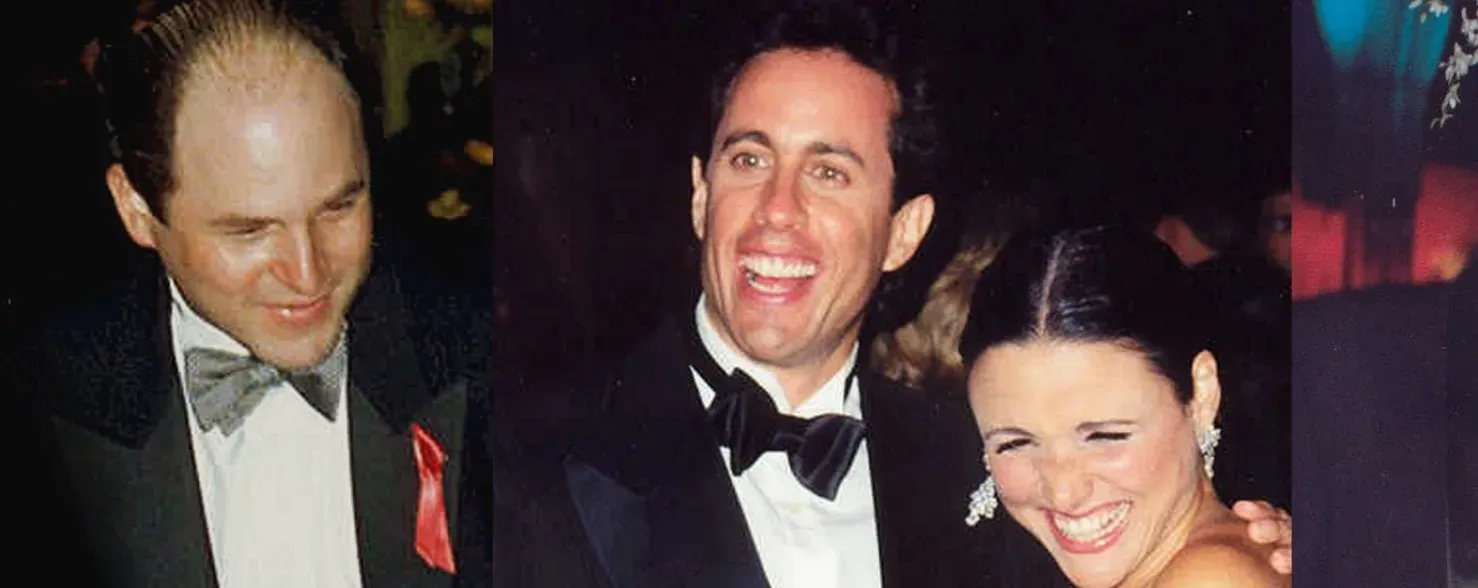
Creators Jerry Seinfeld and Larry David famously demanded that their series serve as an anti-sitcom, undercutting the morals and treacly lessons that had come to dominate the genre. Instead, David and Seinfeld wanted the main characters to be shallow, petty, and awful, more or less assuring they would never learn anything by the end of an episode.
One of the show’s core mandates was “no hugging, no learning.” There would be no teary reconciliation, no warmth, and no growth from past mistakes. By the end of the run, the main characters were meant to be just as petty and shallow as they were in the very first episode. That is, structurally speaking, a fairly bleak premise for prime-time network television.
David made sure to instill this “no hugging, no learning” policy throughout the entire production. As he once told a reporter, “a lot of people don’t understand that Seinfeld is a dark show. If you examine the premises, terrible things happen to people. They lose jobs; somebody breaks up with a stroke victim; somebody’s told they need a nose job.”
David imagined that all beings have bleak, selfish, petty thoughts all the time, and conceived a world, through Seinfeld’s stand-up comedy, where people simply indulged in those impulses. That the show became one of the most beloved comedies in television history is, when you consider that starting point, a genuinely strange outcome.
Seinfeld’s Pitch: Not Even “About Nothing” – But About Comedian’s Cynicism

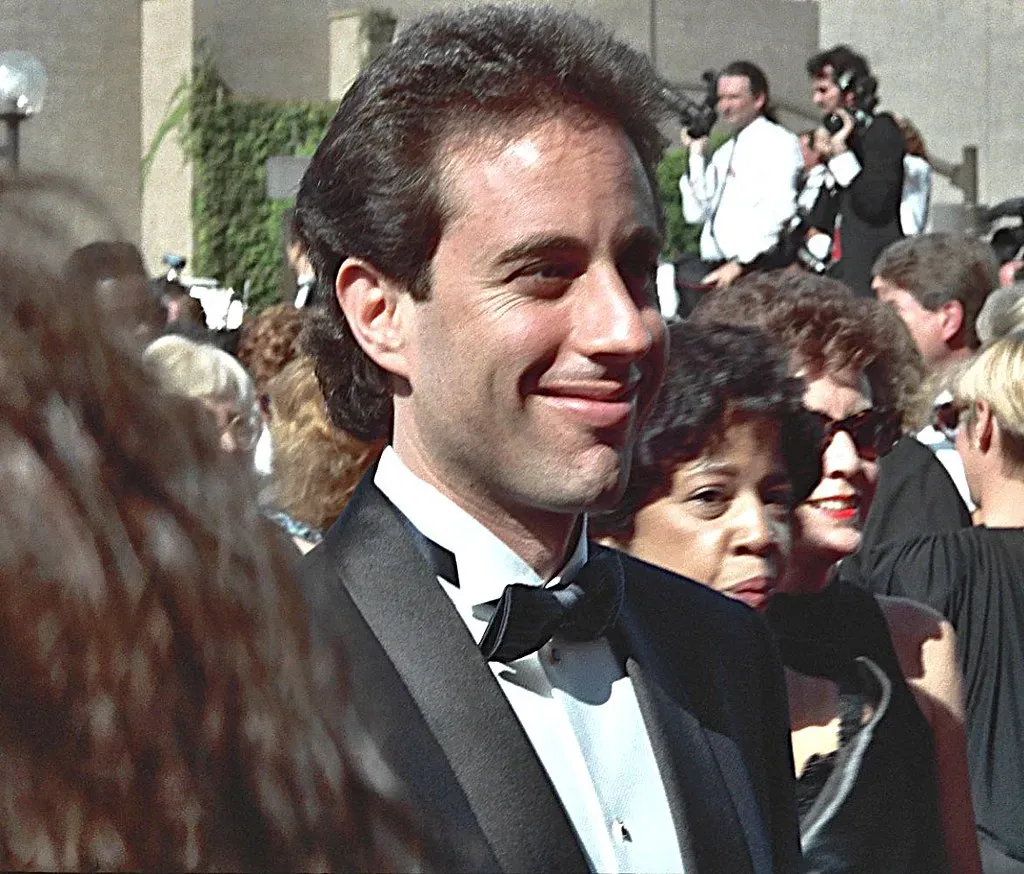
Although it is known as “a show about nothing,” Seinfeld was never pitched with that premise in mind. Jerry Seinfeld revealed that the concept for the program began as the journey of how a comedian came up with their material. The famous “show about nothing” framing was, in reality, a joke that ran inside the show itself during Season 4, and the public latched onto it as if it were fact.
Jerry Seinfeld and Larry David also secretly meant for the show to be a very dark comedy where, if people stopped and thought about it, none of the main characters were selfless, honest, or stand-up people. Only once fans and critics began pegging it as a “show about nothing” did the two creators embrace the concept as an in-joke and ran with it.
As Seinfeld and David began to develop the project, it became clear it couldn’t sustain itself in a 90-minute format, so it became a pilot entitled The Seinfeld Chronicles that aired in July 1989. NBC initially passed on ordering any more episodes until exec Rick Ludwin championed the project and offered up part of his budget to give the show a chance. Still unsure, the network ordered a four-episode first season, the shortest in TV history.
Cheers: A Comedy Built on Addiction and a Wasted Life


Cheers might feel like a show about camaraderie and good times at a Boston bar, but its origins are surprisingly somber. The main character, Sam Malone, is a recovering alcoholic who owns a bar, and the series lightly touches on issues of addiction and recovery. The irony of a man whose drinking destroyed his career now spending his days surrounded by alcohol is never entirely played for laughs.
At the beginning of the series, Sam’s past career in baseball is spoken of as though he had been a very good pitcher who might have become a truly great pitcher had he not been derailed by his alcoholism. To counteract the suggestion that a show set in a bar might encourage alcohol abuse, the writers depicted Sam as a recovering alcoholic. The intention was thoughtful, but the underlying portrait is one of permanent, irreversible loss.
Many Cheers scripts centered on or touched upon a variety of social issues, albeit humorously. As one account of the show put it, the series was “further strengthened by the writers’ boldness in successfully tackling controversial issues such as alcoholism, homosexuality, and adultery.”
Cheers’ Darkest Scrapped Idea: Sam Malone and the AIDS Episode


Known for tackling controversial social issues like alcoholism, adultery, and homosexuality, the show is largely considered to have been ahead of its time. Even in its day, there were calls for Cheers to take on even more than it already was. The creative team at one point went further than almost anyone realizes.
The showrunners actually attempted to touch on the AIDS epidemic while Cheers was in its sixth season in 1988. The original plan was for an AIDS episode to be the season finale. The show in question would have brought Sam, “a single man, a Don Juan in the 80s, face to face with the AIDS problem.”
The specter of AIDS, however, was taking all the humor out of the script. Midway through rehearsals, the team realized the story wasn’t working, and the script was abandoned altogether. In its place, they shot a new finale, leaving a path open for Sam to spark up a new relationship. The abandoned episode stands as proof of just how dark the writers were willing to go.
All in the Family: Bigotry as the Entire Point

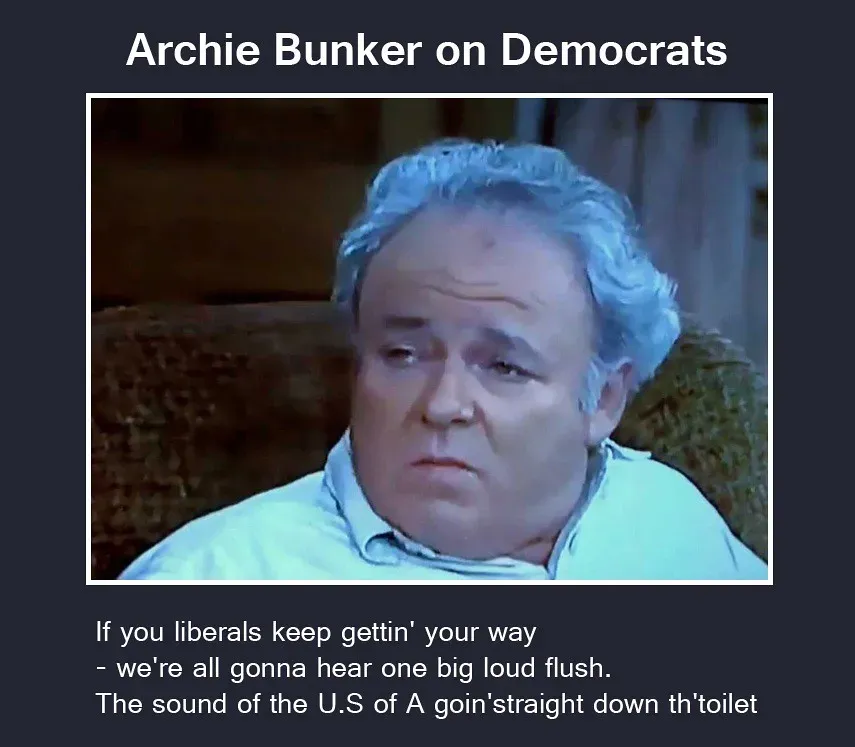
All in the Family redefined what a sitcom could be by placing bigotry and ignorance front and center. Archie Bunker, the show’s central character, was openly racist, sexist, and stubbornly opposed to change. That was not an accident or a by-product of the writing. It was the fundamental concept from which the show was built.
The show used Archie’s prejudiced views to expose and challenge the social issues of the day, including racism, homophobia, and generational divides. Audiences were often shocked at the language and situations depicted, but the show’s honesty sparked national conversations about prejudice. Norman Lear’s gamble was that Americans could confront their own worst impulses if they were reflected back through comedy.
According to a 2019 NPR retrospective, All in the Family led to greater awareness of social justice issues, showing how comedy can confront even the darkest aspects of society. The show ran for nine seasons and remains one of the most culturally significant sitcoms ever produced, precisely because it refused to look away from uncomfortable realities.
Bob’s Burgers: The Wholesome Family Show That Was Almost About Cannibals

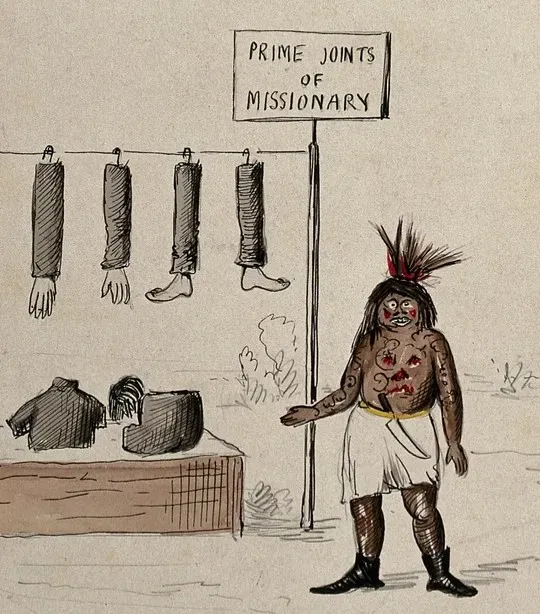
Creator Loren Bouchard originally thought the show should be about a family that runs a restaurant who are cannibals. Very early on, Fox said, “Well, do you need the cannibalism?” Bouchard had put it in there because he thought they would want it, as he was coming off working for Adult Swim, and the darker, more shocking aspect seemed like what was needed for an animated idea to cut through the noise.
The show, inspired largely by Hannibal Lecter and Sweeney Todd, would have revolved around the lives of a family of cannibals who owned a restaurant where they cooked and served human flesh, unbeknownst to their customers. It is difficult to imagine the warm, music-filled, emotionally generous show that Bob’s Burgers became emerging from that premise.
The actual pilot that aired was a nod to the original idea, titled “Human Flesh,” about false rumors spreading that the menu contained bits of human remains. Another carry-over from the cannibal concept is the presence of Mort’s funeral home and crematorium next door to the restaurant. You can still see remnants of the original idea in the pilot, especially when Bob tells Gene not to give free samples to people mourning next door, which may be leftover from the initial plan to make the family cannibals.
Why Fox Said No to the Cannibal Belchers

Creator Loren Bouchard originally intended for the show to be a lot less family-friendly. The Belchers were essentially going to be an animated family of Sweeney Todds. The cannibalism plot didn’t seem too out of pocket for Bouchard, who had previously worked at Adult Swim, a network known for its darker and more shocking humor. Fox executives quickly scrapped that plot for an overall more wholesome series.
The pilot episode, titled “Human Flesh,” focused on a food inspector who believed Bob was serving human meat but could not prove it. That vestige of the original concept made it to air, functioning as a kind of inside joke for the very few people who knew the show’s true origins at the time.
Ditching the cannibal aspect of Bob’s Burgers did the series great justice, as it is now a popular comfort show for people around the world. The Emmy-award-winning series has been nominated for many accolades and recognized as being a top animated series. The version of the show that exists is arguably the best possible outcome from a very strange creative starting point.
What These Dark Origins Actually Tell Us About Television


There is a pattern worth noticing across all four of these shows. In each case, the darkness was not accidental. It was intentional, purposeful, and often central to what the creators were trying to say. The editing, the softening, and the audience-testing that happens between a pitch and a premiere can change the surface of a show dramatically without fully erasing what lies beneath.
Seinfeld remained a show about genuinely terrible people who never grew or learned, even after it became a mainstream phenomenon. Cheers never stopped being, at its core, a portrait of a man whose best years were permanently behind him. All in the Family never flinched. Bob’s Burgers kept the funeral home next door. These details are not coincidences. They are traces of what the creators originally imagined, still visible if you know where to look.
The most enduring sitcoms often carry this kind of weight. The laugh track runs over something that, in another framing, could easily be tragedy. That tension is not a flaw in the format. For the best shows, it is the engine.