Authors are famously protective of their work, and it’s not hard to understand why. Handing a novel over to Hollywood means watching characters you spent years shaping get reinterpreted by directors, actors, and studio executives who don’t always share your vision. Yet every so often, an adaptation comes along that the author not only tolerates but genuinely loves, sometimes even more than their own original text.
Here are ten cases where the person who wrote the book gave their honest, on-record seal of approval to the film version, whether through a co-writing credit, a glowing public statement, or a change of heart after an initial round of skepticism.
1. The Princess Bride (1987)

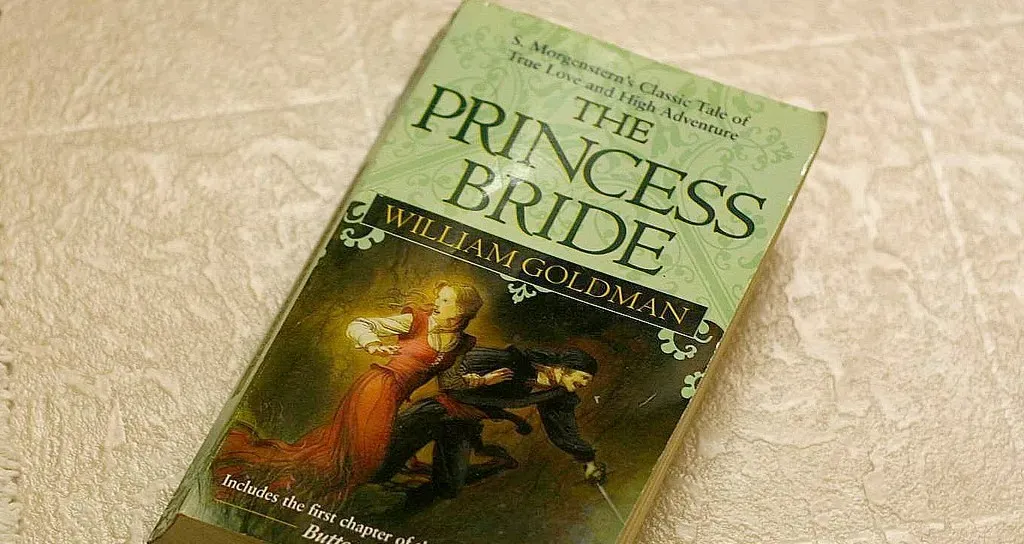
William Goldman had a unique advantage over most novelists watching their work hit the screen: he wrote the screenplay himself. Because he controlled the adaptation from page to script, there was little room for the usual author-versus-studio friction that plagues other projects. Goldman spent years trying to get the film made and was deeply involved in shaping how it eventually turned out under director Rob Reiner.
Goldman remained proud of the finished film for the rest of his life, often citing it as one of his favorite projects despite a long and difficult road to production. The movie has since become a cult classic, arguably surpassing the novel in cultural reach, something Goldman seemed perfectly at peace with rather than resentful of.
2. Interview with the Vampire (1994)


Anne Rice’s relationship with this adaptation is one of the most dramatic reversals in film history. She was furious when Tom Cruise was cast as Lestat, arguing publicly that the tall, blond-haired vampire she wrote bore no resemblance to Cruise, and she even infamously stated that he “is no more my Vampire Lestat than Edward G. Robinson is Rhett Butler.”
Everything changed once she actually saw the finished film. Rice was so impressed by Cruise’s performance that she wrote him a letter of apology and recorded a two-minute video endorsing the film that was included as a pre-feature on mid-1990s VHS releases. She went on to praise the entire cast, noting that Brad Pitt and Kirsten Dunst’s performances as Louis and Claudia impressed her deeply. It’s rare for an author to go from public campaign against a casting choice to personally apologizing to the actor, which makes this reversal all the more memorable.
3. Jurassic Park (1993)


Michael Crichton wasn’t a passive bystander on this one. He co-wrote the screenplay alongside David Koepp and worked closely with Steven Spielberg throughout development, which meant the film stayed remarkably faithful to the tone and core science of his 1990 novel. Crichton had a background in both medicine and screenwriting before Jurassic Park, so he understood exactly what compromises a visual medium would require.
Reports from the production describe a genuinely collaborative relationship between Crichton and Spielberg, with the author trusting the director’s instincts on pacing and spectacle while retaining input on the science that grounded the story. The result became one of the most commercially successful films of the 1990s, and Crichton continued working with Spielberg on the sequel novel and eventual film that followed.
4. The Godfather (1972)

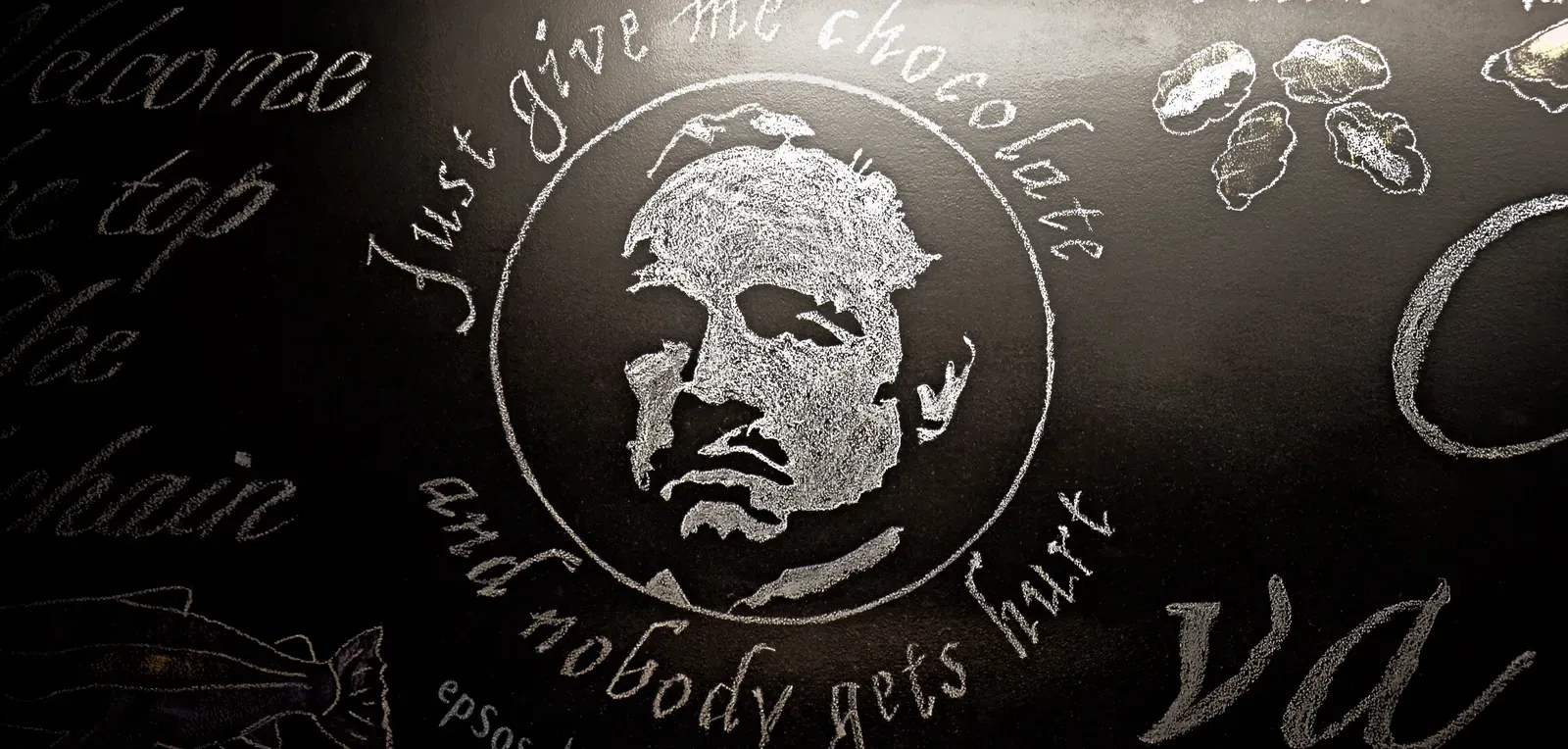
Mario Puzo’s novel was a bestseller before Francis Ford Coppola ever got involved, but the two men forged a genuine partnership when it came time to adapt it. Puzo co-wrote the screenplay with Coppola, and the pair shared writing credit on what became one of the most acclaimed films ever made, winning the Academy Award for Best Adapted Screenplay together.
Puzo spoke warmly about the collaboration for years afterward, crediting Coppola with elevating material that he himself considered fairly pulpy into something with genuine cinematic weight. The partnership continued through two sequels, a rare example of a novelist and director building a long-term creative relationship rather than a one-off adaptation.
5. Life of Pi (2012)


Yann Martel’s 2001 novel was widely considered nearly impossible to film, given its heavy reliance on internal narration and a shipwrecked boy’s psychological journey alongside a tiger. Ang Lee’s adaptation used groundbreaking visual effects and 3D technology to bring the story’s more surreal elements to life in a way many assumed couldn’t translate to screen.
Martel was vocal in his admiration for what Lee accomplished, praising the director’s ability to capture the novel’s spiritual and emotional core rather than simply its plot mechanics. The film went on to win four Academy Awards, including Best Director for Lee, a result that validated the risky approach to adapting a book many in the industry had passed on for years.
6. Gone Girl (2014)

Gillian Flynn took full control of her own adaptation by writing the screenplay herself, working directly with director David Fincher to reshape her twisty 2012 thriller for the screen. Because she was intimately involved in every structural decision, including the film’s slightly altered ending, there was no gap between authorial intent and the final cut.
Flynn has spoken positively about the collaboration with Fincher, noting that having a hand in the script allowed her to preserve the story’s psychological tension while making necessary trims for pacing. The film was a critical and commercial success, further cementing Flynn’s reputation as a writer capable of working comfortably across both mediums.
7. The Perks of Being a Wallflower (2012)

Stephen Chbosky didn’t just approve of this adaptation, he made it happen personally by writing and directing the film himself, more than a decade after his original 1999 novel became a staple of young adult reading lists. That level of creative control meant the movie stayed unusually close to the tone, structure, and emotional beats of the source material.
Chbosky has described the film as the version of the story he always wanted to tell, treating the adaptation almost as a companion piece to the novel rather than a separate reinterpretation. Fans of the book have generally noted how faithful the film feels, a natural outcome when the same person is responsible for both versions of the story.
8. The Martian (2015)

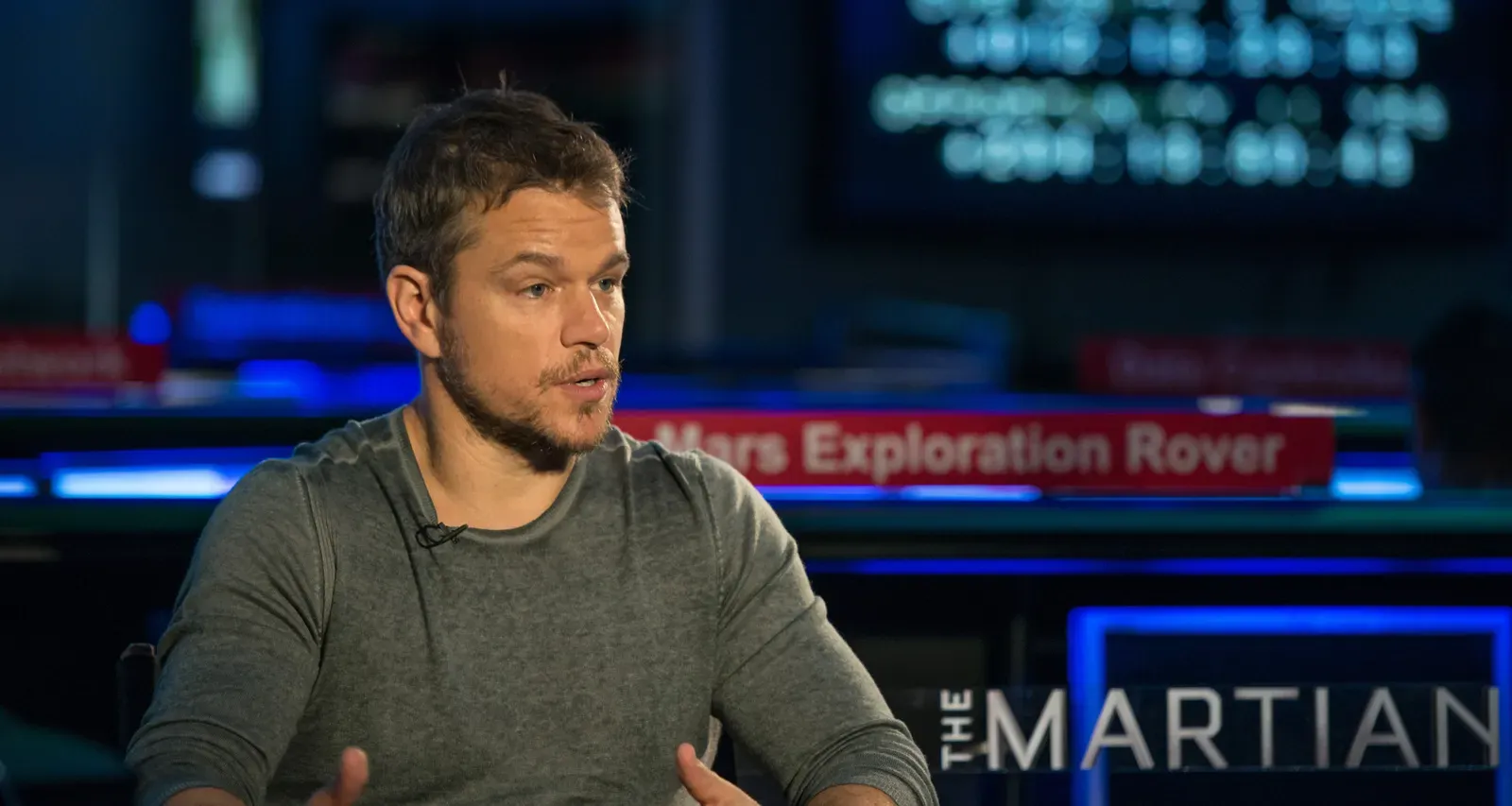
Andy Weir’s self-published survival novel became one of the more surprising Hollywood success stories of the past decade, and Weir was thrilled with what Ridley Scott and screenwriter Drew Goddard did with it. In a 2015 interview with NPR, Weir shared his thoughts on the movie, saying “They did a great job. It is fantastic. Matt Damon just completely nails the character of Watney. He’s exactly the way I imagined him.”
Weir specifically praised aspects of the film that a novel simply couldn’t achieve, noting that “It’s an incredible film. My favorite part was the visuals. You can’t really describe a landscape in a book.” He was even publicly disappointed on the production’s behalf when he took to his Facebook page after Oscar nominations to congratulate everyone involved with the movie on its six Academy Award nods, while also admitting to being “baffled” at Ridley Scott’s lack of a Best Director nomination, a clear sign of genuine investment rather than polite diplomacy.
9. No Country for Old Men (2007)

Cormac McCarthy is notoriously private and rarely comments on his own work in detail, which made his warm reception of the Coen brothers’ adaptation notable within literary circles. The Coens’ screenplay preserved much of McCarthy’s sparse, unsentimental dialogue directly from the page, a rarity for an author known for a distinct and difficult-to-replicate prose style.
The film went on to win four Academy Awards, including Best Picture, and is widely regarded by critics as one of the most faithful literary adaptations of the 2000s. McCarthy’s general approval of how the Coens handled the source material reflected the unusually close textual match between the novel’s dialogue and the finished screenplay.
10. The Help (2011)

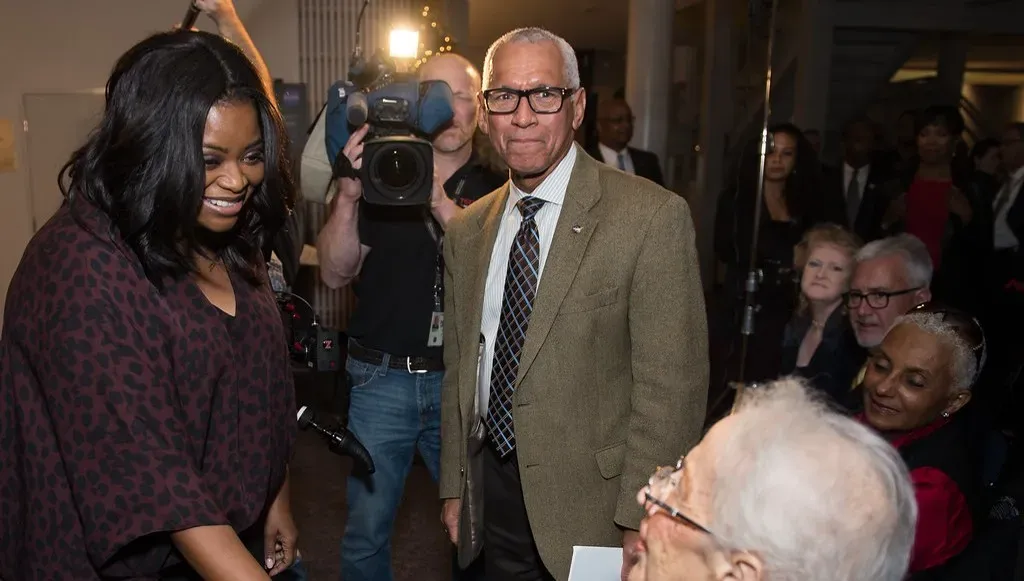
Kathryn Stockett’s 2009 novel about domestic workers in 1960s Mississippi was adapted quickly, and Stockett stayed closely connected to the production throughout, having been friends with director Tate Taylor since childhood. That personal relationship gave her a level of trust in the adaptation process that many authors never get to experience.
Stockett spoke supportively of the finished film in press appearances around its release, noting that Taylor’s long-standing familiarity with both her and the source material helped the movie retain the emotional tone she had originally intended. The film became a box office hit and earned Octavia Spencer an Academy Award, further validating the closeness between author and filmmaker that shaped the entire production.
What ties these ten stories together isn’t just critical or commercial success, it’s the rare alignment between what an author imagined on the page and what eventually made it to the screen. Sometimes that alignment came from direct creative control, as with Goldman, Flynn, and Chbosky. Other times it came from a genuine change of heart, the way Anne Rice reconsidered Tom Cruise after years of public opposition. Either way, these adaptations serve as a reminder that Hollywood and literature aren’t always at odds, and every so often, the person who knows the story best ends up being one of its biggest fans on screen too.