Some characters seem destined to outlive whoever plays them first. Studios reboot them, actors age out of them, and new generations demand a fresh face for an old icon. The result is a strange kind of cinematic tradition: watching different performers tackle the same role and wondering who truly nailed it. Below is a rundown of ten roles that have been recast again and again, along with an honest look at who arguably did it best.
1. Batman: A Cape Passed Through Many Hands

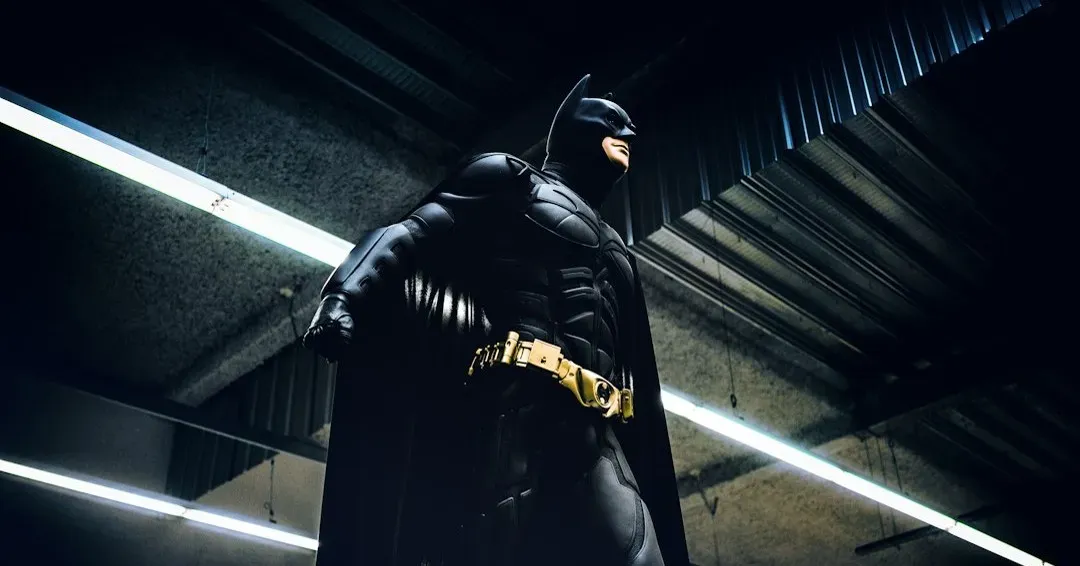
Batman has been reinvented on screen more times than almost any other superhero, moving from the campy tone of Adam West’s 1966 series to the brooding intensity of Christian Bale’s Dark Knight trilogy. Michael Keaton brought a strange, wounded energy to the role in Tim Burton’s films, while Val Kilmer and George Clooney took over in the more garish 1990s sequels that fans largely remember for their neon excess rather than performance depth.
Ben Affleck offered a grizzled, older Bruce Wayne in the DC Extended Universe, and Robert Pattinson most recently reimagined the character as a grungy, emo detective in Matt Reeves’ The Batman. Ask ten fans who wore the cowl best and you’ll likely get ten different answers, though Christian Bale’s version tends to top most critical rankings for balancing the character’s psychological damage with genuine heroism.
2. The Joker: Chaos Reinterpreted Every Decade

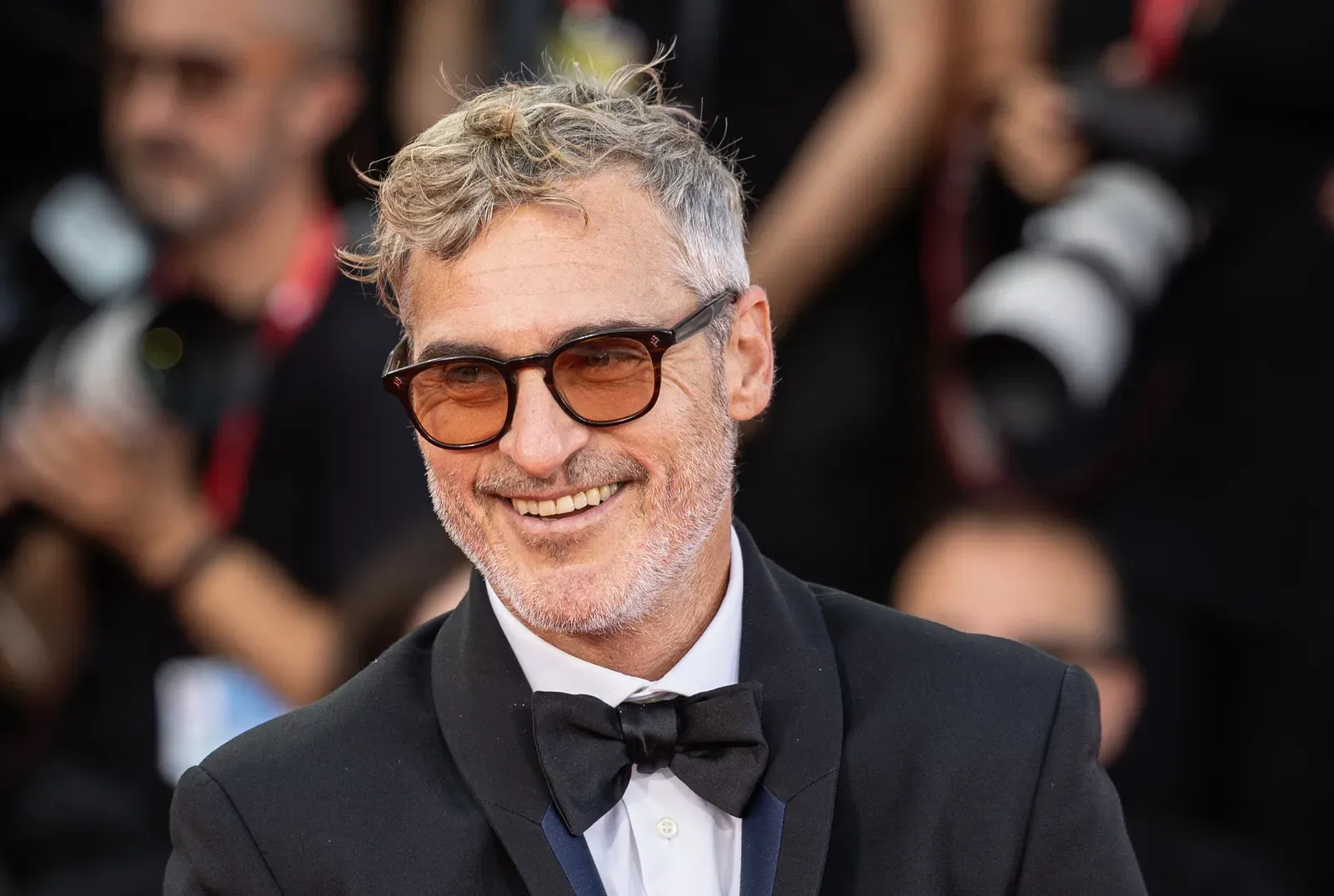
Few villains have been reshaped as dramatically as the Joker. The remaining four actors to play the Joker on the big screen are the late Cesar Romero, who played him in a 1966 movie based on a hit live-action series, Jack Nicholson, who starred in Tim Burton’s 1989 film Batman, the late Heath Ledger, who won a posthumous Oscar for his portrayal of the character in Christopher Nolan’s The Dark Knight, and Jared Leto, who played the role in David Ayer’s 2016 film Suicide Squad. Joaquin Phoenix later became the fifth actor to take on the role in live action, bringing an entirely different, tragedy-soaked interpretation to Todd Phillips’ Joker films.
Each version reflects the era that produced it, from Romero’s campy mischief to Ledger’s nihilistic menace. Christopher Nolan dreamt up a psychologically credible anarchist while Ledger shook off his pin-up image for an angry, unpredictable performance. Most critics still consider Ledger’s take the gold standard, though Phoenix’s Oscar-winning performance has earned its own passionate following for taking the character somewhere entirely new.
3. James Bond: The Franchise That Reinvents Itself

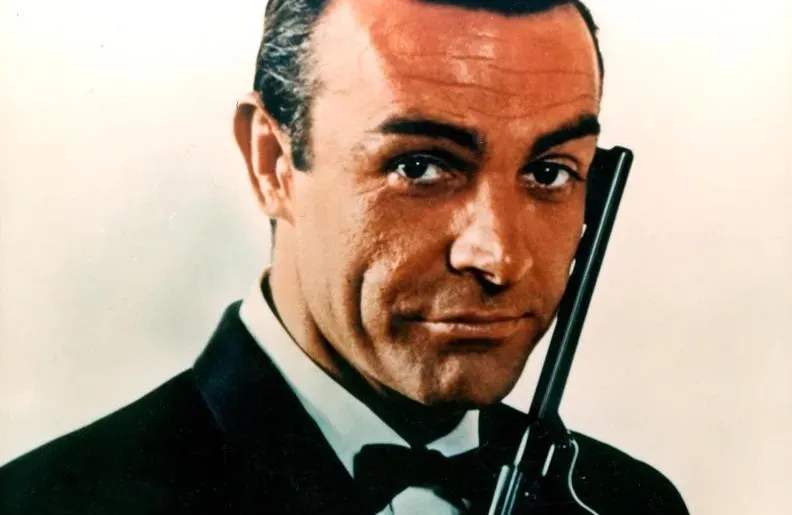
James Bond might be the most famous example of intentional recasting in cinema, since the producers have always treated 007 as a role rather than a single continuous character. The next actor will become the seventh to portray the character in the main Bond films, following Sean Connery, Roger Moore, George Lazenby, Timothy Dalton, Pierce Brosnan, and Daniel Craig. Connery’s cool, self-assured Bond defined the role for a generation, while Craig’s grittier, more emotionally exposed take rebooted the franchise for the 2000s and beyond.
As of late 2026, the search for Craig’s successor has become one of the most closely watched casting decisions in Hollywood. Amazon MGM’s upcoming film, commonly referred to as James Bond 26, is being directed by Denis Villeneuve and written by Steven Knight, and will be the first 007 movie since Daniel Craig’s fifth and final entry, No Time to Die (2021). Names circulating in casting reports have included Jack Barton, Callum Turner, Jacob Elordi, Paul Mescal, and Harris Dickinson, along with Scottish actor Jack Lowden, though nothing has been formally confirmed. Fans continue to debate whether Connery’s charm or Craig’s rawness represents the definitive Bond, and that debate will likely never fully settle.
4. Superman: From Comic Strip Serial to Modern Icon

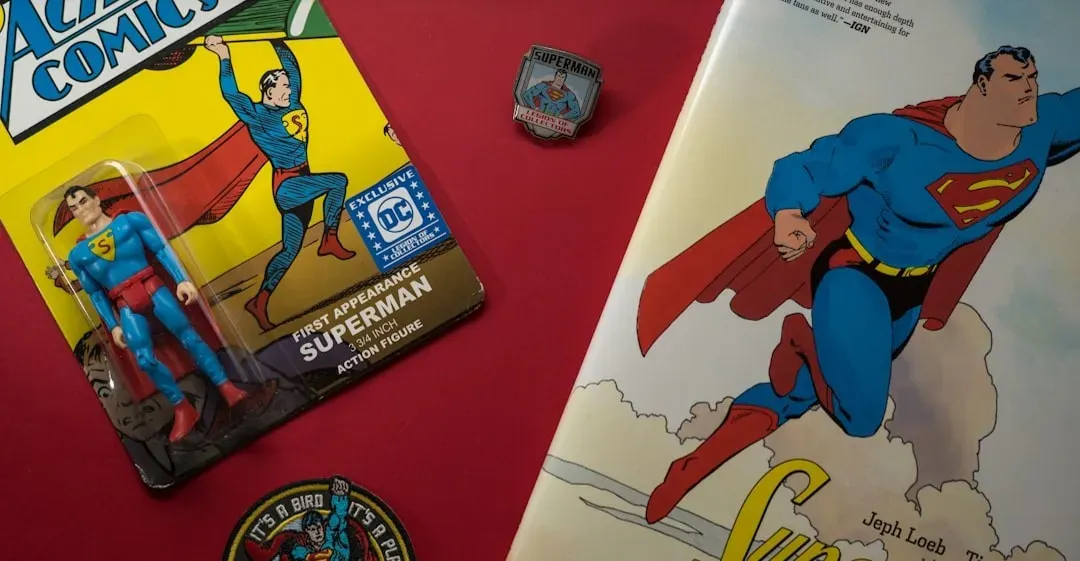
Superman’s screen history stretches back further than most people realize. The character first leaped from a comic book page onto the screen in 1948, brought to life by Kirk Alyn in a 15-episode film serial, and three years later, Superman made his feature-film debut, played by George Reeves. Christopher Reeve then defined the role for decades starting in 1978, and his warmth and sincerity became the template every future Superman would be measured against.
Since then, Brandon Routh, Henry Cavill, and now David Corenswet have each taken their turn wearing the cape. Only three men had starred as the character in its nearly 50-year big screen career before Corenswet: Christopher Reeve (1978-87), Brandon Routh (2006) and Henry Cavill (2013-2022). James Gunn’s 2025 reboot introduced Corenswet after Cavill’s exit from the DC universe, and though fans of Henry Cavill were originally disappointed to learn that he wouldn’t be reprising the titular role, David Corenswet has received praise for his take on the Man of Steel. Reeve remains the sentimental favorite for many, but Corenswet’s earnest, old-fashioned charm has won over a new generation of viewers.
5. Spider-Man: Three Actors, Three Different Peters

Spider-Man has been recast twice in the modern blockbuster era, giving audiences three distinct takes on Peter Parker within about fifteen years. Tobey Maguire’s early-2000s trilogy leaned into earnest, almost old-school heroism, while Andrew Garfield’s version in the Amazing Spider-Man films brought a wittier, more skater-kid energy to the character.
Tom Holland then took over in 2016, folding the character into the Marvel Cinematic Universe and emphasizing Peter’s youth and vulnerability more than his predecessors did. The 2021 film Spider-Man: No Way Home famously brought all three actors together on screen, which only intensified fan debates about who plays the definitive version. Holland’s take currently enjoys the widest audience, though Maguire and Garfield both retain loyal followings from their respective eras.
6. The Hulk: A Rare Case of Mid-Franchise Recasting

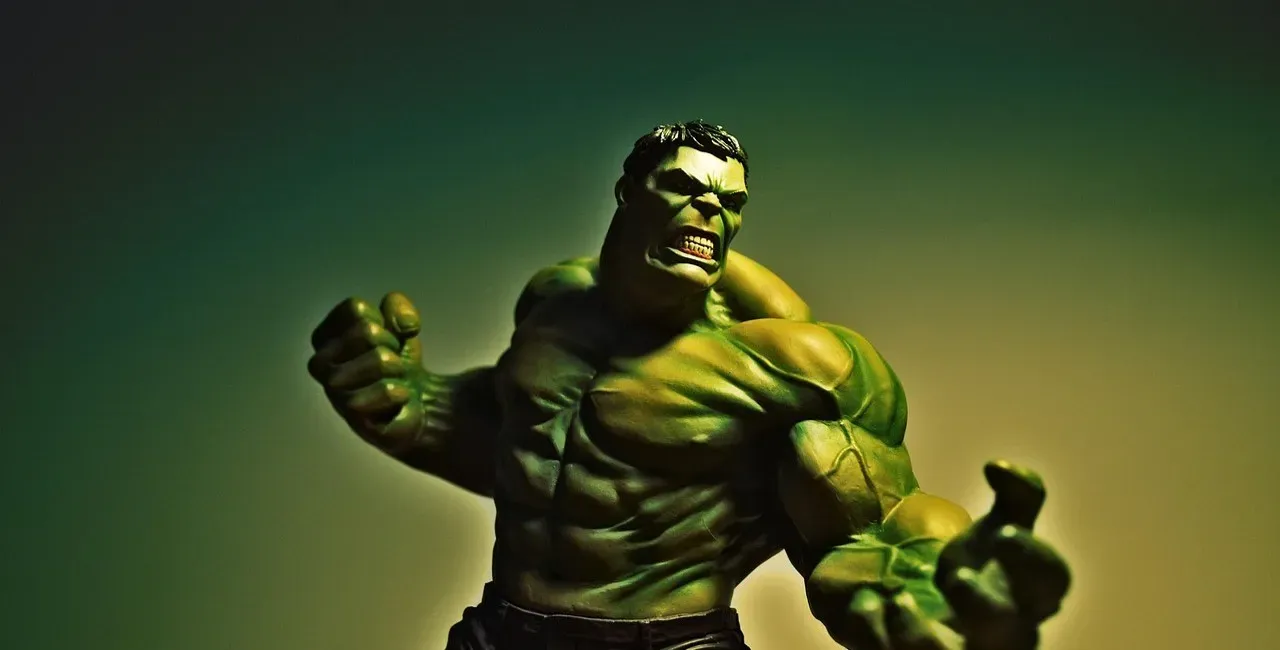
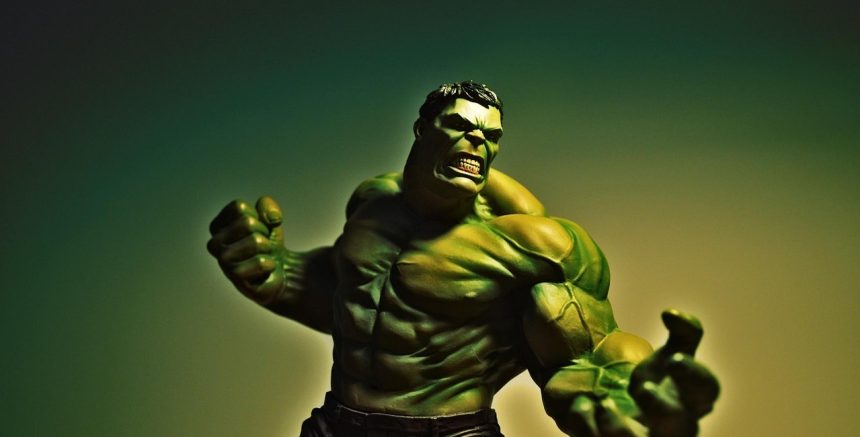
The Hulk stands out because his recasting happened almost immediately, within the same shared universe. Eric Bana played Bruce Banner in 2003’s Hulk, a film that struggled critically, and Edward Norton took over just five years later in The Incredible Hulk, only to be replaced himself after just one appearance.
Mark Ruffalo then stepped into the role starting with 2012’s The Avengers and has remained the character’s face for well over a decade since, appearing across numerous Marvel films. The quick turnover in the character’s early years makes him something of an outlier on this list, since most recast roles take decades to change hands rather than mere years. Ruffalo’s long tenure and comedic touch have made him the version most audiences now associate with the character.
7. Willy Wonka: Whimsy Reinterpreted for New Generations

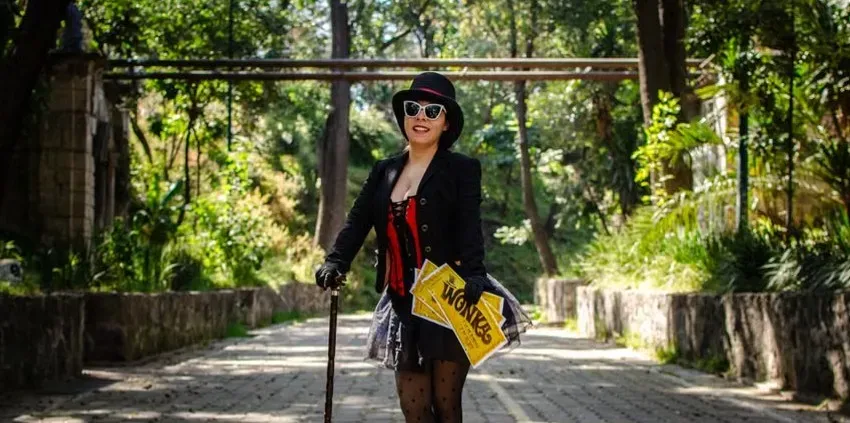
Roald Dahl’s eccentric chocolatier has been brought to life by strikingly different performers, each shaping the character to match their own screen persona. Gene Wilder’s 1971 performance in Willy Wonka & the Chocolate Factory is often remembered for its unpredictable, faintly sinister charm hidden beneath colorful showmanship.
Johnny Depp reinterpreted the role for Tim Burton’s 2005 adaptation with a more childlike, unsettling quality, drawing mixed reactions from critics and audiences. Timothée Chalamet then took a completely different approach in 2023’s Wonka, playing a younger, more optimistic version of the character in an origin story rather than a retelling of the original tale. Wilder’s performance remains the most beloved among longtime fans, largely because of its blend of warmth and quiet menace.
8. Catwoman: A Villain Reinvented by Every Actress Who Plays Her

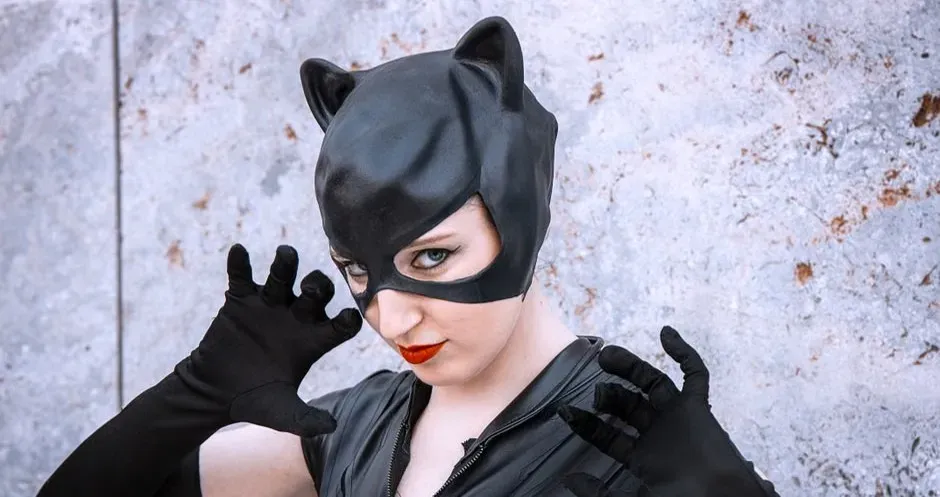
Catwoman has proven to be one of the more fluid roles in superhero cinema, with each actress bringing a distinct interpretation rather than simply repeating what came before. Michelle Pfeiffer’s performance in Batman Returns is frequently cited as the character’s high point, thanks to its blend of vulnerability and dangerous unpredictability.
Halle Berry starred in a standalone 2004 film that was poorly received, while Anne Hathaway offered a more grounded, morally complicated version in The Dark Knight Rises. Zoe Kravitz most recently played the character in Matt Reeves’ The Batman, emphasizing a rougher, streetwise edge. Pfeiffer’s performance is still widely regarded as the benchmark, even decades later.
9. Sherlock Holmes: The Most Recast Character in Film History

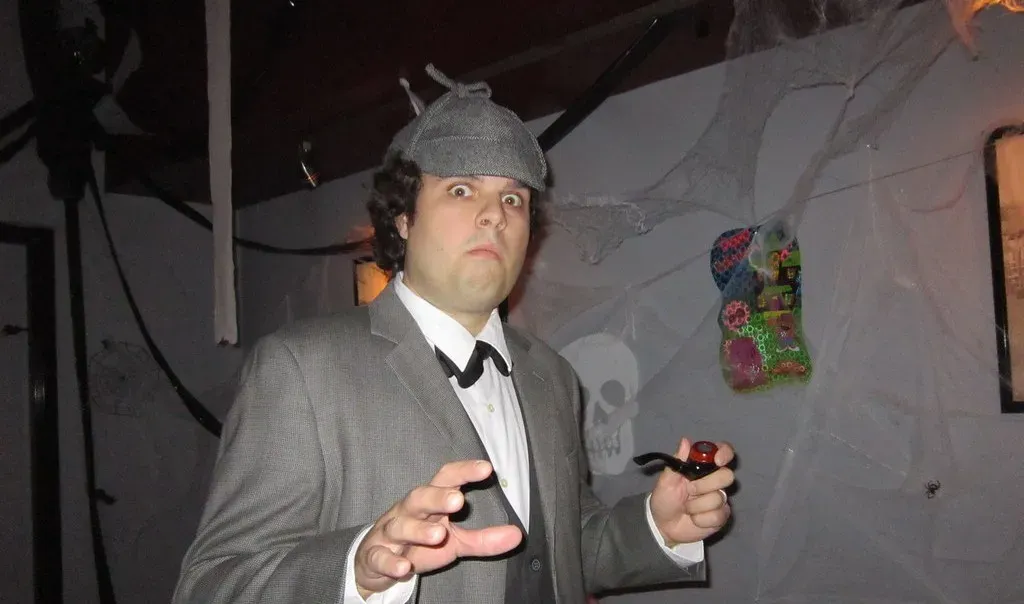
No character on this list has been recast more often than Sherlock Holmes. Sherlock Holmes is the most portrayed literary human character in film and television history, having appeared on screen 254 times as of 2012. He has been played by over 75 actors including Sir Christopher Lee, who has also played Sherlock’s brother Mycroft, Charlton Heston, Peter O’Toole, Christopher Plummer, Peter Cook, Roger Moore and John Cleese.
Basil Rathbone is often considered the definitive early screen Holmes, having starred in fourteen films in the role during the 1930s and 1940s. More recently, Robert Downey Jr. brought a physical, mischievous energy to the character in Guy Ritchie’s films, while Benedict Cumberbatch’s modern-day version in the BBC series Sherlock became a global phenomenon of its own. With so many portrayals spread across a century, there may never be a single consensus favorite, though Rathbone and Cumberbatch remain the two most frequently cited by fans and critics alike.
10. Dracula: A Century of Reinventing the Count

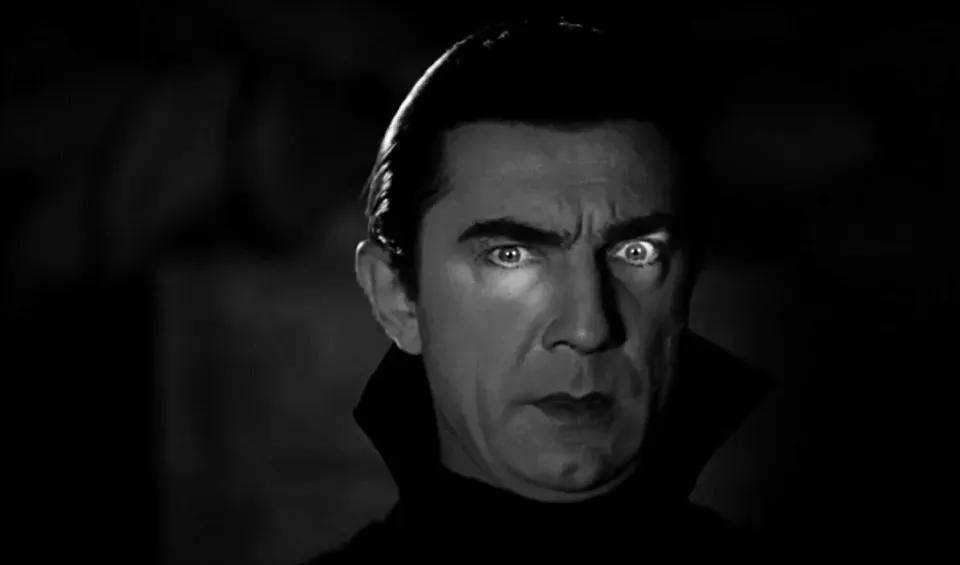
Bram Stoker’s vampire count has proven nearly as durable a role as Sherlock Holmes, with countless actors reshaping him since the silent era. Bela Lugosi’s 1931 performance for Universal established the slow, hypnotic accent and formal menace that would influence nearly every version that followed.
Christopher Lee later redefined the character for Hammer Films in the late 1950s and 1960s, injecting more physical aggression and overt sexuality into the role. Gary Oldman offered a more tragic, romantic interpretation in Francis Ford Coppola’s 1992 film, and various actors have continued reinterpreting the character in the decades since, from comedic takes to horror-forward reboots. Lugosi’s performance remains the most culturally iconic, even though later actors arguably delivered more nuanced work.
Why We Keep Recasting the Same Characters

There’s something almost comforting about watching a new actor try on a role that’s already been worn by legends. It lets studios refresh aging franchises without abandoning the characters audiences already love, and it gives each generation its own version of a hero or villain to claim as their own. Whether it’s Bond’s tuxedo or Holmes’ deerstalker cap, these roles have become less about any single performance and more about an ongoing conversation between actors across decades.
What’s clear from looking at all ten of these characters is that there’s rarely a single “correct” answer to who played them best. Performances reflect their era, their director’s vision, and the cultural mood of the moment they were filmed in. That’s probably exactly why these roles keep getting recast in the first place, because there’s always room for one more interpretation.