Some of the most celebrated books in literary history have one surprising thing in common: they were banned before the world recognized them as masterpieces. It’s a pattern that sounds almost too strange to be true. The same pages that earned Nobel Prizes, Pulitzer awards, and Booker honors were once burned, confiscated, removed from school shelves, and declared morally dangerous by governments, school boards, and religious institutions alike.
From the burning of books by Chinese emperor Qin Shi Huang in 213 BCE and the Catholic Church’s condemnation of Galileo’s works in the 1600s, acts of censorship have sought to control narratives, limit freedoms, and suppress voices that dared to challenge power. Today, that same impulse is alive and well. In 2024 alone, the American Library Association documented 821 attempts to censor library books and other materials, which represents the third highest number of book challenges since tracking began in 1990. These are ten of the most jaw-dropping cases where banned books went on to win the highest honors in literature. Let’s dive in.
1. Beloved by Toni Morrison – Pulitzer Prize Winner, 1988


If there is one book that perfectly captures the twisted irony of censorship, it is Toni Morrison’s Beloved. The novel won the Pulitzer Prize for Fiction a year after its publication and was also a finalist for the 1987 National Book Award. Yet the very content that made it so powerful – its unflinching depiction of slavery’s horrors – made it a target.
Beloved has been banned in many U.S. schools, including at least eleven during the 2021 to 2022 academic year, with common reasons for censorship including bestiality, infanticide, sex, and violence. The most recent ban came as recently as September 2024. The Rutherford County Board of Education in Tennessee voted to remove six books from high school libraries, including Morrison’s Pulitzer Prize-winning novel about the horrific realities of American slavery.
According to PEN America, Beloved has been banned 77 times since 2021. That is not a typo. On October 8, 1993, Morrison won the Nobel Prize in Literature, and among the four Black writers who have won the Nobel Prize in literature, Morrison remains the only woman. A Nobel laureate and a banned author. The two can exist in the same person, and Beloved is the proof.
2. To Kill a Mockingbird by Harper Lee – Pulitzer Prize Winner, 1961

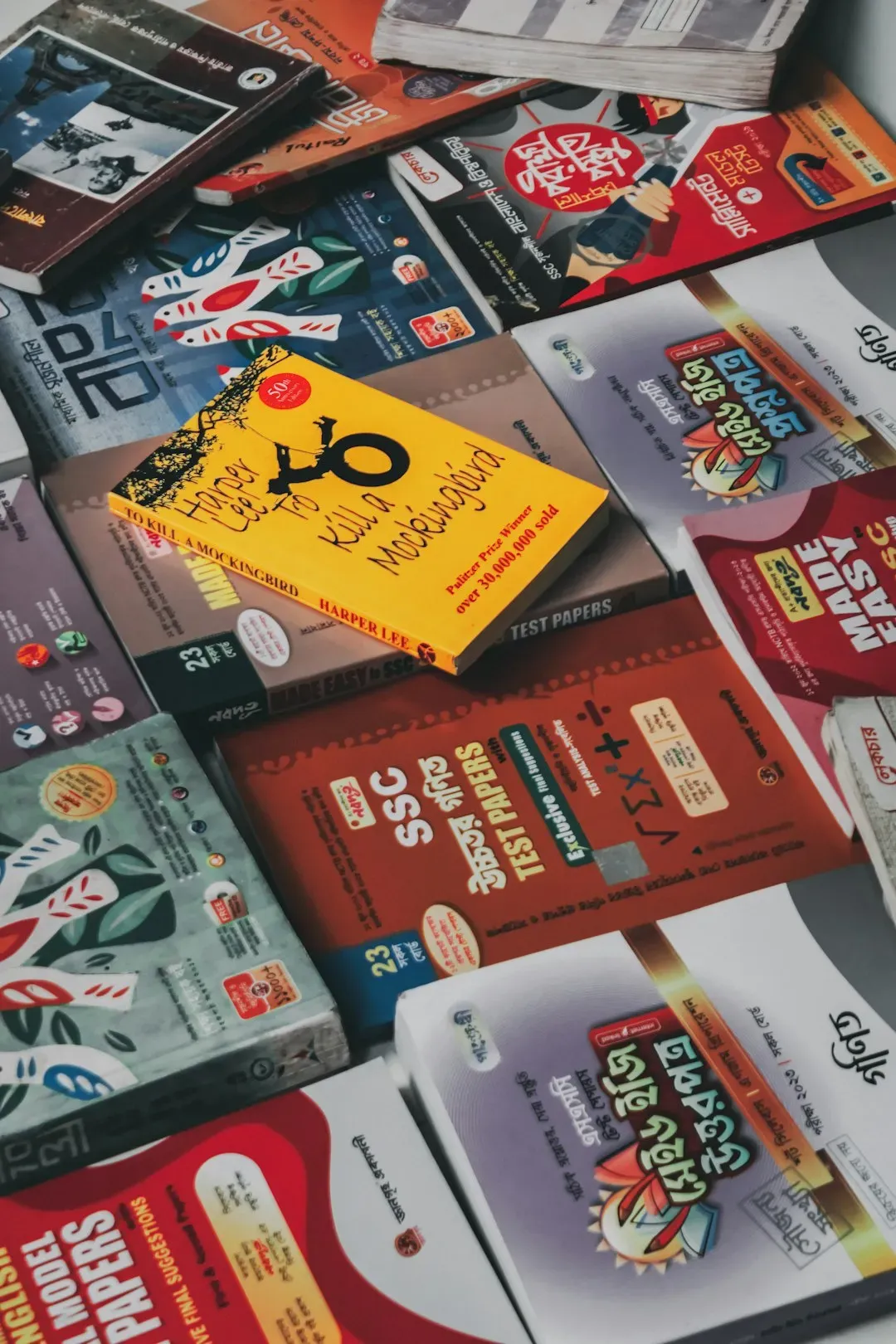
Few books have sold as many copies or sparked as much controversy as Harper Lee’s debut novel. It has been banned despite selling 40 million copies worldwide since its release, winning the Pulitzer Prize in 1961, and topping PBS’s reader-voted Great American Read list of top 100 American books. Honestly, if a book offends someone somewhere after 40 million copies, that’s almost mathematically inevitable.
Since its publication in 1960, the novel about a white lawyer’s defense of a Black man against a false rape charge has become one of the most frequently challenged books in the U.S., with challenges over the decades usually citing the book’s strong language, discussion of sexuality and rape, and use of the n-word. The reasons have shifted over time, though the banning impulse never went away.
It was criticized by many as immoral or obscene for its colorful use of racial epithets and certain examples of controversial content, and many school boards, particularly in the American south, attempted to ban the book – most notoriously in Hanover County, Virginia – until public outcry eventually reversed the decision. Published July 11, 1960, it won the Pulitzer Prize for Fiction in 1961 and remains a bestseller, with more than 40 million copies in print.
3. The Color Purple by Alice Walker – Pulitzer Prize Winner, 1983

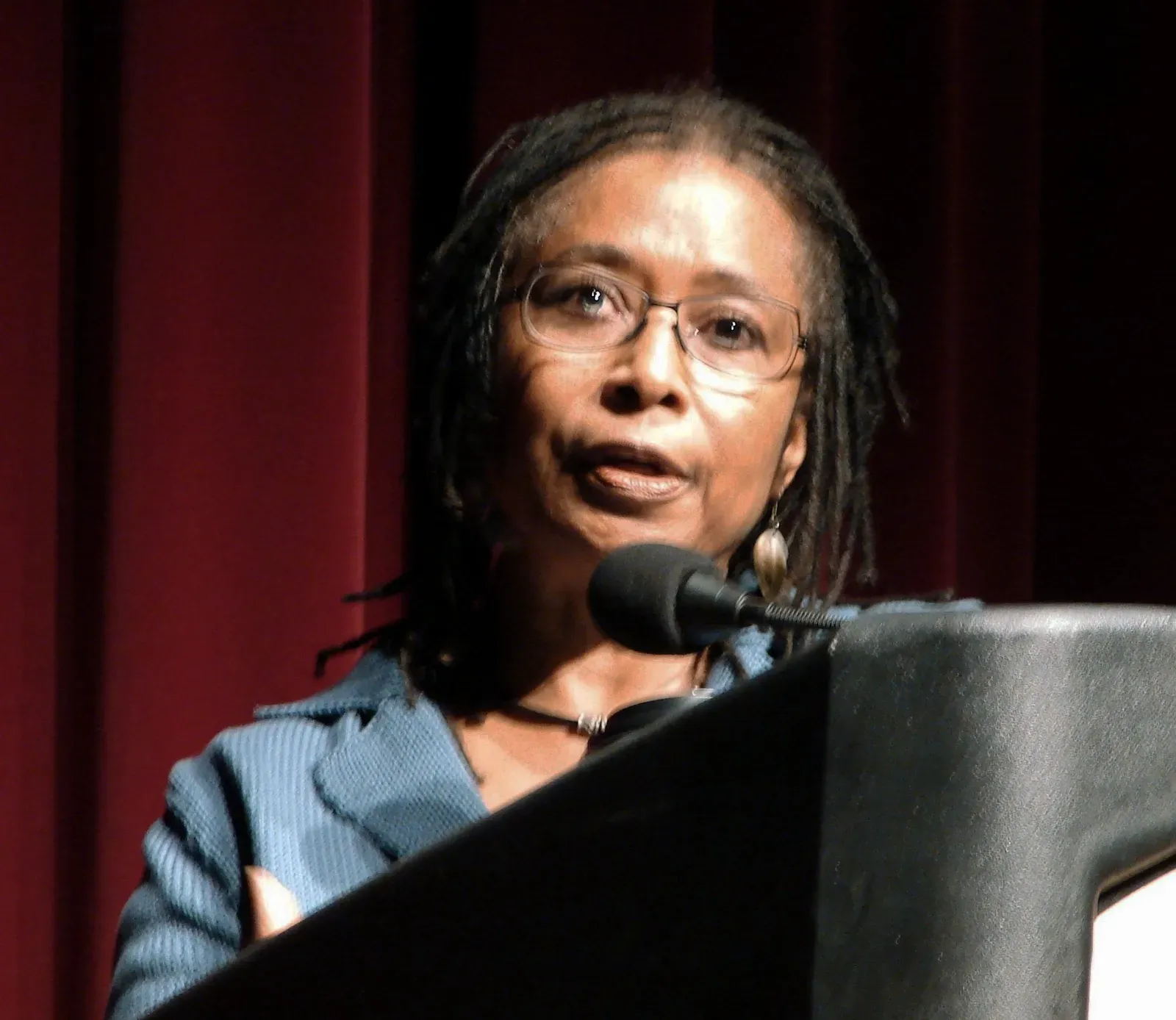
Alice Walker’s devastating, beautiful novel about the lives of Black women in the American South is another case where brilliance and censorship collided head-on. The Color Purple has the distinction of being banned not only for violence in general, but violence against women and violence amongst the Black community, and it also contains homosexuality between women – yet it won the Pulitzer Prize in 1983.
Alice Walker’s Pulitzer Prize-winning novel has been challenged and banned all over the world for graphic violence and sexuality. The global scale of censorship is something worth sitting with. A novel that centers the experience of Black women was considered dangerous on multiple continents, across different cultures, for different reasons – but always, somehow, considered dangerous.
The Color Purple has been challenged relentlessly since being published, and banned from library after library. It was later adapted into a celebrated film directed by Steven Spielberg and a long-running Broadway musical. The irony is almost poetic: a banned book became one of the most-watched films and most-performed musicals of its era.
4. The Grapes of Wrath by John Steinbeck – Pulitzer Prize Winner, 1940

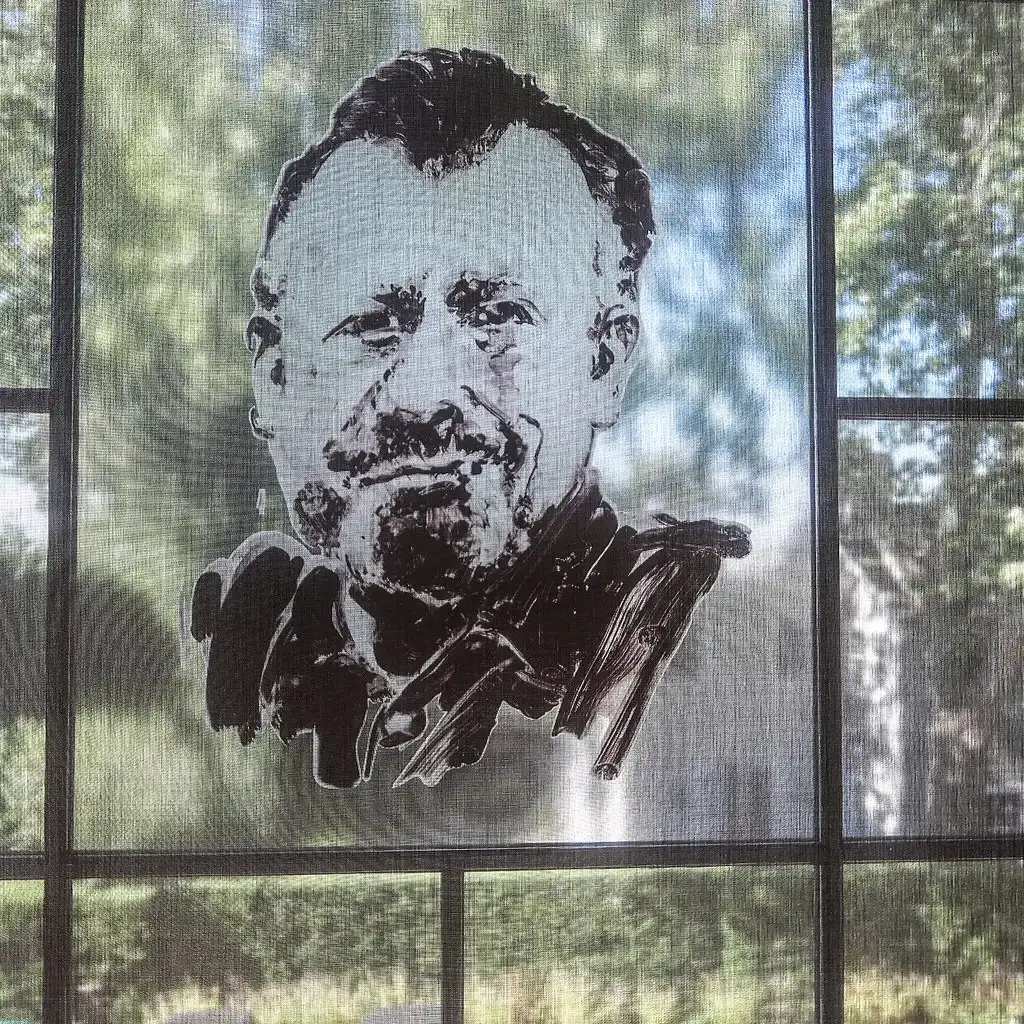
John Steinbeck’s epic account of the Joad family’s exodus during the Dust Bowl years hit a nerve so raw that entire communities revolted against it. Residents of Kern County, California, were less than thrilled with the unflattering depiction of their local area and banned it for being libelous. Others were even more extreme in their response.
The library board in East St. Louis, Illinois, ordered the city’s three copies burned because the objectionable language was “not fit for anyone’s daughter to read,” and the classic tale of Dust Bowl migrants was also banned in Kansas City and Buffalo for its vulgar words and sexual references. Burned. Actual book burning, in the United States, in the 20th century.
The American Library Association reports that Ireland banned The Grapes of Wrath in 1953, and in 1973 Turkish booksellers stood trial for hawking copies of the book along with other propaganda unfavorable to the state. Meanwhile, Steinbeck went on to win both the Pulitzer Prize for Fiction and, in 1962, the Nobel Prize in Literature. The book burning did not exactly work.
5. Ulysses by James Joyce – Named the Greatest English-Language Novel of the 20th Century

Let’s be real: Ulysses is one of the most challenging reads in the English language. It is also one of the most revered. James Joyce’s 1922 novel provides a powerful historical example of why books get challenged, specifically for perceived obscenity, and is widely regarded as an unparalleled 20th-century masterpiece. The gap between those two realities is staggering.
According to author Kevin Birmingham, government authorities in the United States and England not only banned what is now considered a modernist masterpiece, they also confiscated and burned more than 1,000 copies. Until a federal judge ruled in 1933 that Ulysses was not obscene, Americans were forced to track down smuggled copies of Joyce’s novel in order to read it.
The New York Society for the Suppression of Vice asked a court to declare the book obscene in 1920, and all distribution of the book stopped. The next year a New York court deemed it obscene, and no one would mail it for more than a decade. Today, Ulysses regularly tops lists of the greatest novels ever written in English, and its 1933 court ruling set a legal precedent that helped protect future works of literary merit from censorship.
6. Animal Farm by George Orwell – Retro Hugo Award Winner

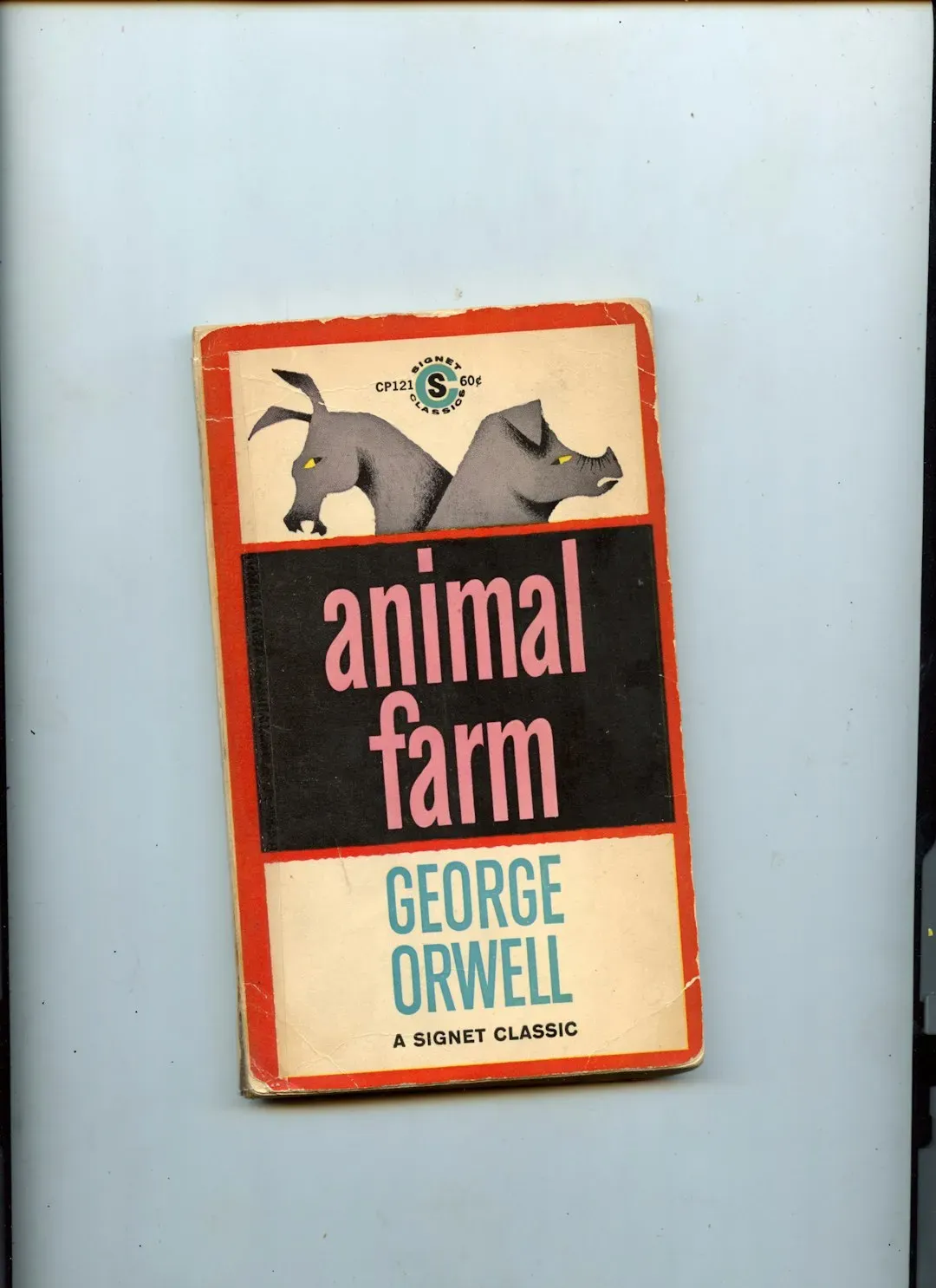
George Orwell’s slim but explosive fable about a farm taken over by animals – and the corruption that follows – managed to get itself banned on practically every side of the political spectrum. The animals of Manor Farm revolted and took over, and after driving out Mr. Jones, they embraced the Seven Commandments of Animalism and learned that a farm ruled by animals looks more human than ever. It was banned for its political theories, though it later received the Retro Hugo Award.
Partner offer

Aldous Huxley’s Brave New World was banned in Australia and Ireland in the 1930s, and, similarly, the Spanish-language translation of James Joyce’s Ulysses was banned in Spain until 1962 – the era in which Orwell’s work was also attracting furious censors on multiple continents. Soviet-aligned governments banned Animal Farm as anti-communist propaganda. Some Western authorities banned it as too radical. Orwell managed to offend everyone, simultaneously.
It is hard to say for sure whether Orwell would have found that amusing or infuriating, but the book endured. These books dared to challenge the status quo; they contained subversive ideas, questioned authority, and risked dissent. Animal Farm was literally written to do exactly that – and it paid off in lasting literary recognition and a permanent place in the Western literary canon.
7. Invisible Man by Ralph Ellison – National Book Award Winner, 1953

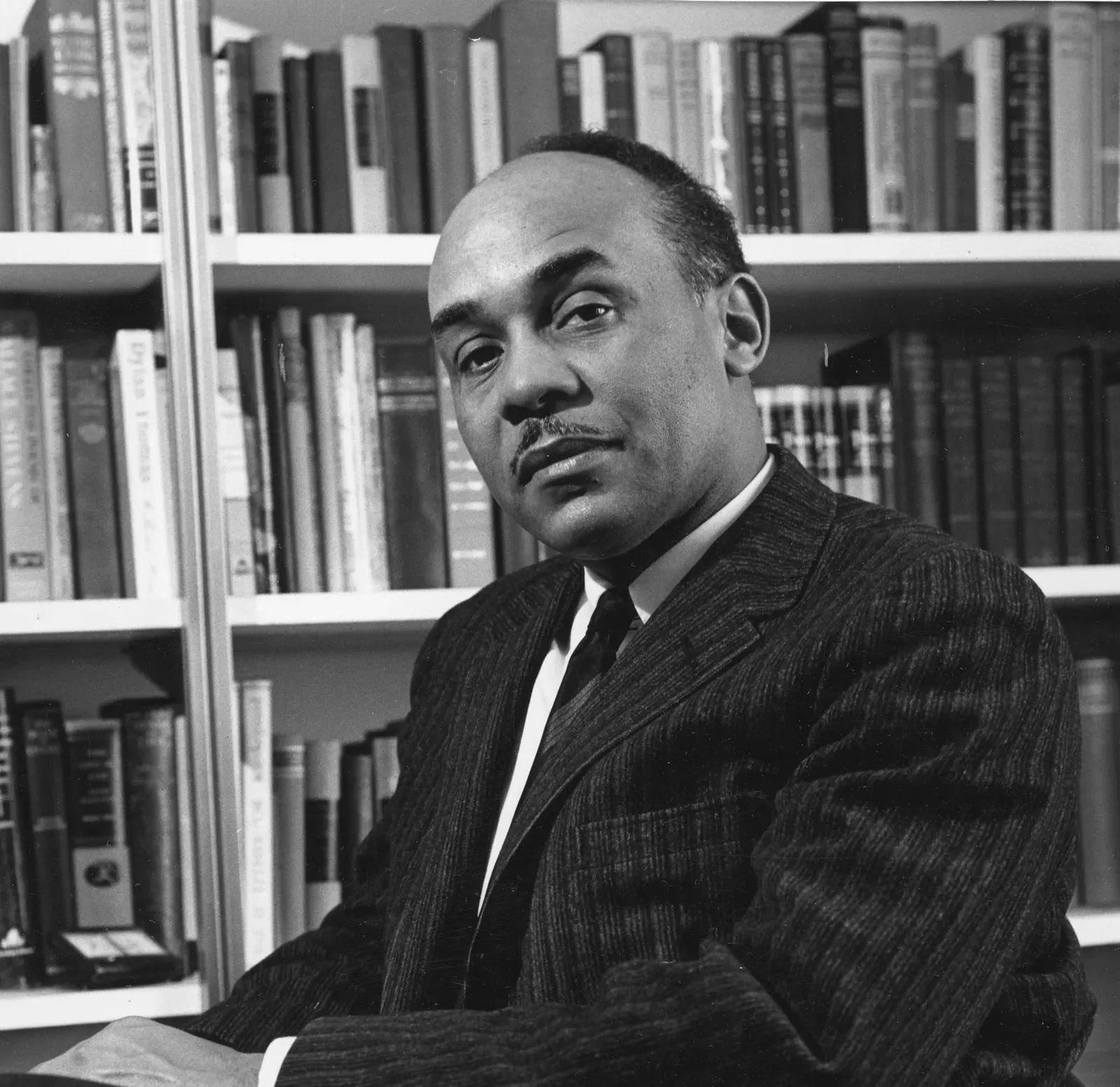
Ralph Ellison’s debut novel is one of those books that explodes onto the page with such force that it makes you wonder how anyone could read it and still feel comfortable banning it. Selected by the Modern Library as one of the 100 best novels of all time, the novel remained on the bestseller list for sixteen weeks, won the National Book Award for fiction, and established Ralph Ellison as one of the most important writers of his generation.
The novel follows an African American man’s journey as he grapples with racism; after a series of humiliating experiences in the South, he moves to Harlem where he becomes entangled with the Brotherhood, and then retreats to an underground hideout where he reflects on the invisibility of his true self in a society that refuses to acknowledge his humanity. It was banned for profanity, violence, and sexuality.
There is something almost unbearably symbolic about a novel literally titled Invisible Man – a book about being unseen – being silenced by the very society it critiqued. It was nominated as one of America’s best-loved novels by PBS’s The Great American Read. Banned first. Celebrated endlessly after.
8. Schindler’s Ark by Thomas Keneally – Booker Prize Winner, 1982


Thomas Keneally’s account of Oskar Schindler’s extraordinary rescue of Jewish people during the Holocaust is the kind of book you might expect the world to embrace without reservation. You would be wrong. Keneally’s tale of risk and courage by one unlikely hero, Oskar Schindler, a serving member of the Nazi Party, who rescued thousands of Jews from certain death during the Second World War, won the Booker Prize in 1982 and cemented Keneally’s place on the global literary stage.
Yet the novel was reportedly banned in Lebanon for depicting Jews positively, and the award-winning 1993 film adaptation directed by Steven Spielberg, based on Keneally’s research, faced bans in countries including Jordan and Malaysia. A Booker Prize winner. Banned because it portrayed Jewish people in a positive light. The specific absurdity of that justification is difficult to overstate.
The book’s power is precisely its humanity – it refuses to reduce its subjects to statistics or symbols. That refusal to dehumanize is exactly what made certain governments want it gone. Throughout history, works of fiction have been censored, suppressed, and banned by anxious authorities. Schindler’s Ark is one of the most vivid examples of that anxiety colliding with an undeniable literary achievement.
9. The Absolutely True Diary of a Part-Time Indian by Sherman Alexie – National Book Award Winner, 2007

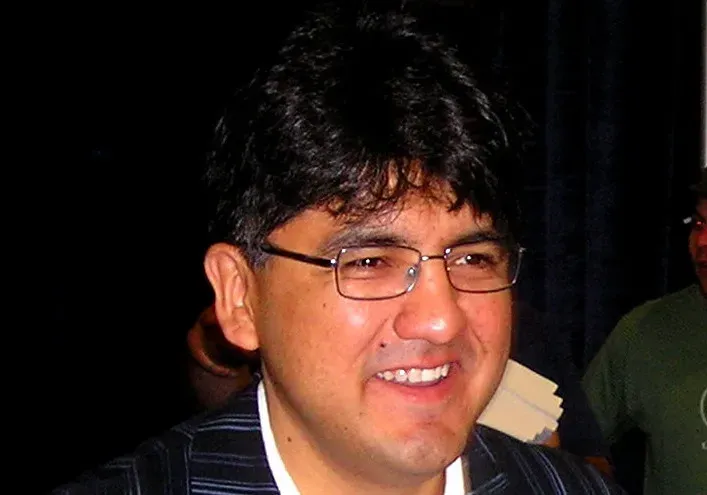
Sherman Alexie’s semi-autobiographical young adult novel about growing up on the Spokane Indian Reservation is funny, heartbreaking, and completely honest about poverty, racism, and identity. Alexie is known for his humor and blunt depictions of life on and around the Spokane Indian Reservation where he grew up, and those fictionalized real-life stories won him the National Book Award – and attracted negative attention and challenges in public schools for their use of sexual language and situations for the stories’ teenage narrator.
The book follows Junior, a budding cartoonist growing up on the Spokane Indian Reservation, who leaves his troubled school on the rez to attend an all-white farm town high school where the only other Indian is the school mascot. It was banned for strong language and racial slurs, as well as topics of alcohol, poverty, bullying, violence, and sexuality – yet it won the National Book Award and the Horn Book Award.
As recently as 2024, it was removed from school library circulation in Elkhorn, Wisconsin, though it was later returned. The cycle continues. A National Book Award winner, written for teenagers, about a teenager navigating racism and poverty, pulled from the shelves where teenagers could actually find it. That is a contradiction almost too circular to parse.
10. Such a Long Journey by Rohinton Mistry – Booker Prize Shortlist, 1991; Multiple Award Winner

Rohinton Mistry’s novel about an ordinary man caught in India’s political upheaval is a quiet, devastating work of literary fiction. It documents the life of an ordinary man, Gustad Noble, who struggles to keep his family from falling into poverty while India is in political turmoil under former Prime Minister Indira Gandhi. Such a Long Journey was shortlisted for the Booker in 1991 and was listed for, and won, many other awards.
The novel was generally received positively until 2010, when a student at a Mumbai University deemed Mistry’s portrayal of India’s nationalist party unfair, which led to protests, threats towards the author, and burnings of the novel. In response, the university’s faculty removed Such a Long Journey from the syllabus. Protests. Threats. Book burnings. Over a literary novel set in the 1970s.
What makes this case particularly striking is that the censorship came not from a government but from a student movement that escalated fast and turned violent in its impulses. Today, the battle against censorship persists across the world. In 2023, PEN America reported a 33% increase in book bans in American public schools. Mistry’s novel stands as a reminder that the urge to silence inconvenient stories is not limited to authoritarian regimes. It can emerge anywhere, at any time, even in universities built on the idea of free inquiry.
—
The books on this list were all, at one time or another, considered too dangerous, too obscene, too politically charged, or too honest for readers to handle. The reason to ban books generally boils down to ideas that are perceived as dangerous in some way to an individual, group, or government that does not want others to have access to that idea, whether the idea is about God, government, or society.
Yet every single one of these books survived. They won awards. They shaped culture. ALA recorded attempts to remove 2,452 unique titles in 2024, which significantly exceeds the average of 273 unique titles that were challenged annually during 2001 to 2020 – which tells us that the banning impulse is not fading. If anything, it is accelerating. The best response, perhaps, is simply to keep reading. What would you have guessed: does banning a book make it more or less likely to become a classic? Tell us what you think in the comments.
Partner offer
Planning a trip to Vegas?
Compare hotel rates and show tickets on VEGAS.com.