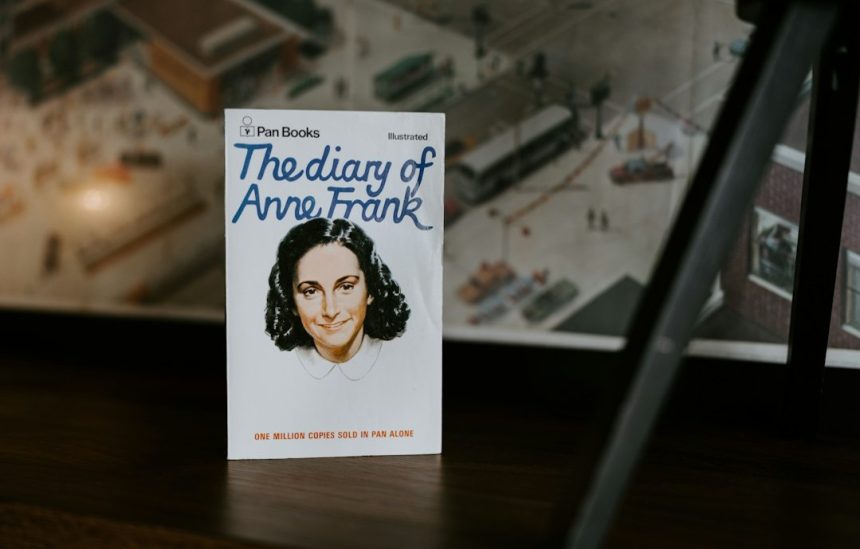
Counting translations sounds simple until you try it. Publishers, estates and libraries tally them differently, so the numbers you see for a famous book can shift depending on the source. Some counts include dialects, others include only full editions.
The ten books below are widely reported to have passed the fifty language mark, and most have gone well beyond it. The figures are the commonly cited ones, so treat them as approximate rather than exact.
The Little Prince by Antoine de Saint-Exupéry

First published in 1943, this short fable about a boy from a small asteroid is usually named as one of the most translated books in history. Reported totals run past five hundred languages and dialects. That includes regional tongues and a few unexpected ones.
Its plain, almost spoken style helps explain the reach. Short sentences and simple imagery tend to survive translation better than ornate prose. Translators also keep taking it on as a first project in a new language.
The Alchemist by Paulo Coelho

Coelho’s 1988 novel follows a Spanish shepherd boy who travels toward Egypt in search of treasure. Guinness World Records recognized it as the most translated book by a living author, back when the count stood at fifty six languages. Since then the total has climbed past eighty.
The book began with a modest Brazilian print run and grew slowly through word of mouth. Its parable structure and universal themes make it easy to carry across cultures. Coelho himself has also encouraged wide distribution of his work.
Harry Potter and the Philosopher’s Stone by J.K. Rowling

The first Harry Potter book appeared in 1997 and has since been published in more than eighty languages. The list includes Ancient Greek and Latin editions, which are aimed at students and enthusiasts rather than everyday readers. Few modern novels can claim translations into dead languages.
Translators had real puzzles to solve, since names and wordplay carry much of the book’s humor. Many editions localized character and place names rather than leaving them untouched. This is one reason fans often compare editions side by side.
The Adventures of Pinocchio by Carlo Collodi
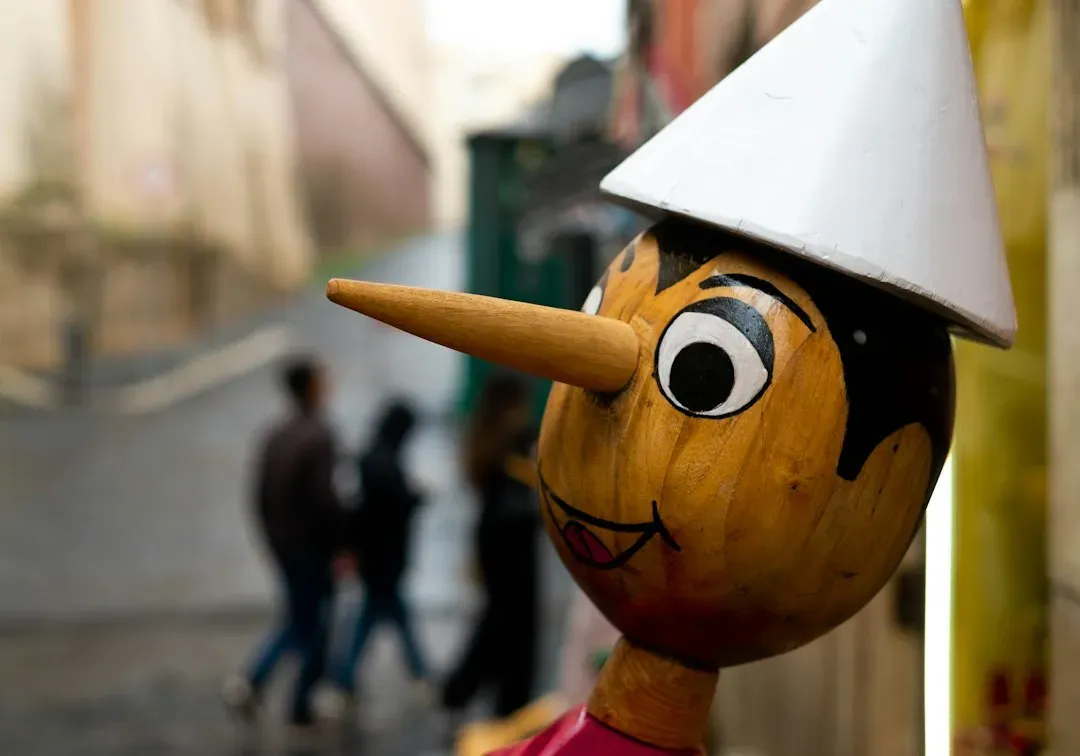
Collodi’s tale of a wooden puppet who longs to be a real boy was serialized in Italy in the early 1880s. It has been translated into well over two hundred languages, a total that places it among the most translated books ever. Only a handful of works rival that figure.
Part of the appeal is its mix of comedy and moral lessons, which adapts well to different traditions. The original is darker than many readers expect from the film versions. Translations have ranged from faithful renderings to heavily softened retellings.
Alice’s Adventures in Wonderland by Lewis Carroll
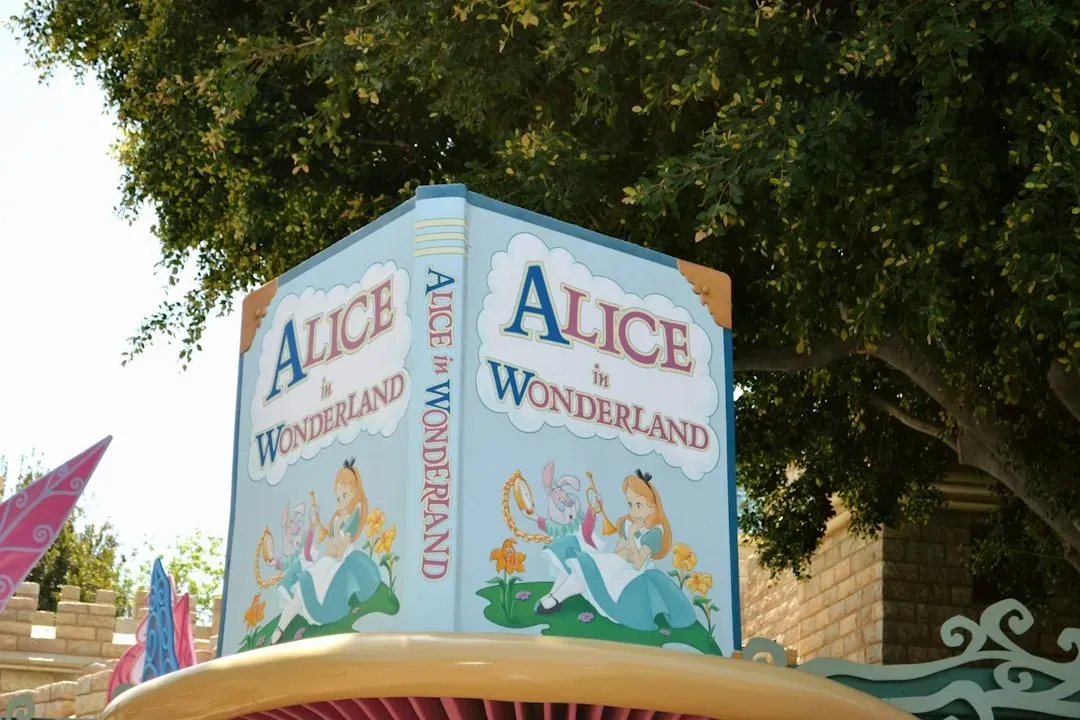
Published in 1865, Carroll’s story has been rendered into more than one hundred and seventy languages. It looks like a children’s book, yet it is packed with puns, parodies and logic games. That makes it famously difficult to translate.
Translators often replace the original jokes and rhymes with equivalents that work in the target language. The result is that each edition is a small act of reinvention. Comparing them shows how differently one book can read.
Don Quixote by Miguel de Cervantes

The first part appeared in 1605, with the second following in 1615. It is regularly cited as translated into more than one hundred and forty languages. For a novel of its age and length, that is a striking record.
Its tale of a would be knight tilting at windmills has influenced writers for four centuries. Newer translations keep appearing, partly because earlier English versions can feel dated. Few books are retranslated as often.
The Diary of a Young Girl by Anne Frank
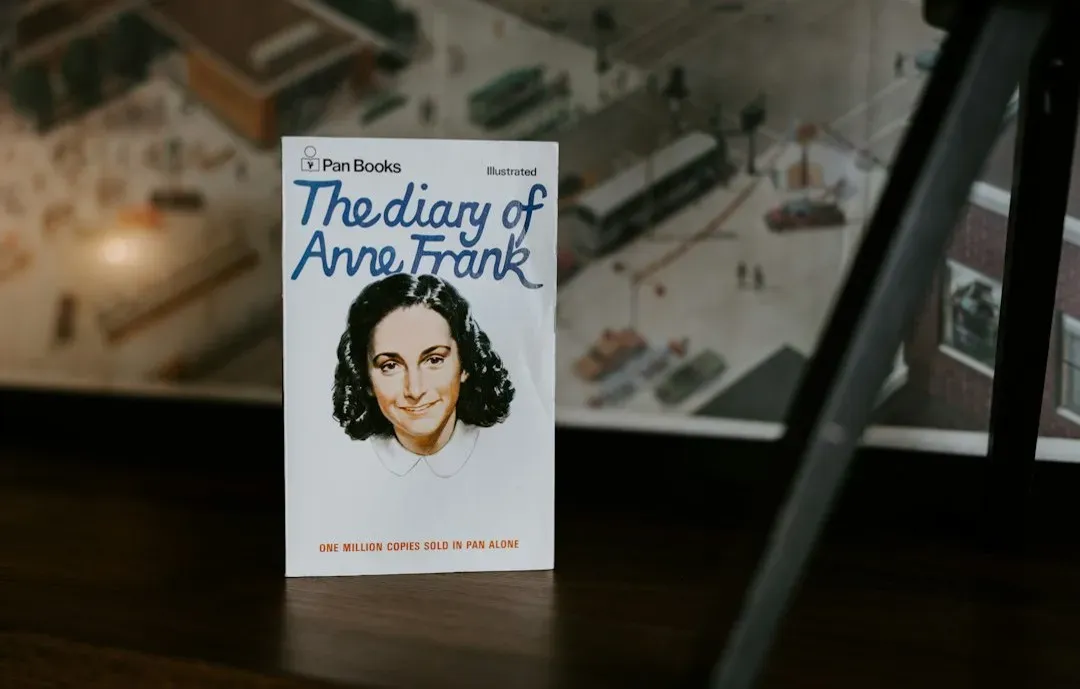
Anne Frank wrote her diary while hiding in Amsterdam during the Second World War, and it was first published in 1947. The Anne Frank Fonds reports translations in more than seventy languages. It remains one of the most widely read firsthand accounts of the Holocaust.
The diary is taught in schools around the world, which drives steady demand for new editions. Its direct, personal voice is easy to follow even for young readers in translation. Many versions now include material that was left out of the earliest printings.
The Adventures of Tintin by Hergé

Hergé’s comic series began in 1929 and grew into twenty four albums, the last one unfinished. The books have been published in more than seventy languages and dialects. That reach is unusual for a comic series, where lettering and speech bubbles add extra work.
Translators had to handle Captain Haddock’s inventive insults, which are a signature of the series. Regional editions have appeared in languages such as Welsh and Latin. The visual storytelling does a lot of the heavy lifting across borders.
Pippi Longstocking by Astrid Lindgren

Lindgren’s red haired, super strong heroine debuted in Sweden in 1945. The book has been translated into roughly seventy languages. Lindgren’s wider catalogue has reached many more, which keeps Sweden’s children’s literature in the spotlight.
Pippi’s cheerful disregard for adult rules was controversial at first. Some early critics worried that it would set a bad example for children. Readers abroad clearly disagreed, and translations followed in every region.
Things Fall Apart by Chinua Achebe

Achebe’s 1958 novel portrays Igbo society in Nigeria before and during colonial contact. It has been translated into more than fifty languages, and it has sold in the millions. It is often described as the most widely read book in modern African literature.
The novel was written in English, yet it uses Igbo proverbs and rhythms deliberately. Translators must preserve that texture rather than flatten it. Its presence on school and university reading lists around the world keeps new translations coming.