Ask a teenager to sit through a three-hour black-and-white epic and you’ll likely get a polite no, followed by a much less polite explanation. Streaming habits, shrinking attention spans, and a very different set of cultural sensitivities have combined to put certain “must-see” films firmly on the do-not-watch list for younger audiences. What follows is a look at seven titles that keep coming up in these conversations, along with the actual reasons behind the resistance.
Gone with the Wind (1939)
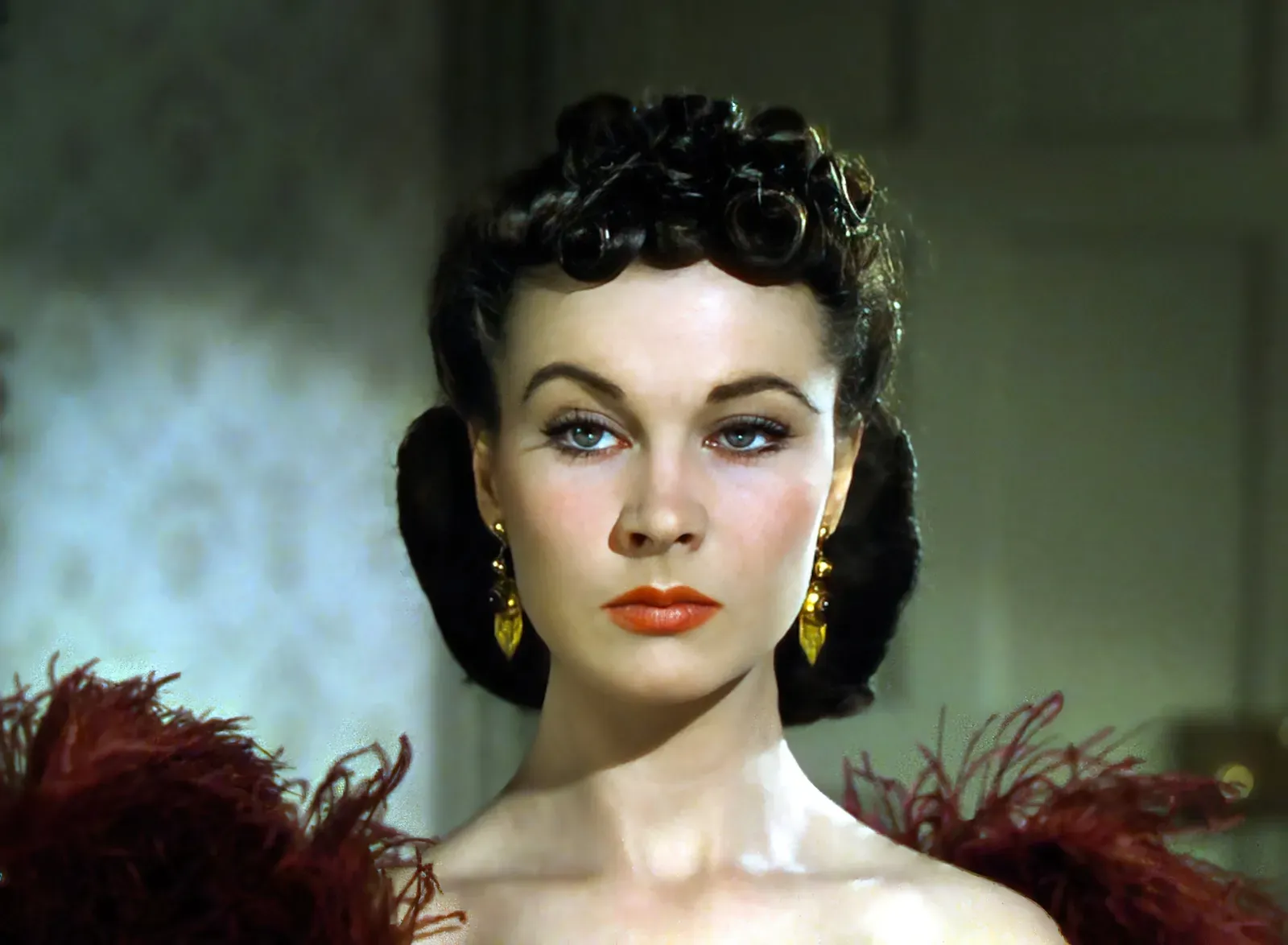
Few films occupy a stranger place in American pop culture than this Civil War epic. It’s still cited on best-of lists for its scale and its Oscar-winning performances, yet the Civil War-set film is thematically problematic in its depiction of race and culture in the 1800s. That tension has only grown sharper with each passing decade, and younger viewers raised on very different racial conversations tend to see the film’s plantation nostalgia as an immediate dealbreaker.
Turner Classic Movies actually addressed this head-on rather than pretending it wasn’t an issue. A Turner Classic Movies limited series, Reframed Classics, delved into the problematic aspects of some of the world’s most well-known and loved films, including the racial stereotypes in Breakfast at Tiffany’s and Gone With the Wind. For a generation that discovers most of its film references through short clips and context threads online, a nearly four-hour movie that requires that much historical caveat rarely survives the first ten minutes of scrolling past it.
Breakfast at Tiffany’s (1961)

Audrey Hepburn’s little black dress remains a fashion touchstone, but the film around it has aged in ways that are hard to ignore. The range of problematic films is wide, including Breakfast at Tiffany’s, where Mickey Rooney’s stereotyped role as a Japanese man is appalling. For viewers who grew up with a much lower tolerance for caricature, that single casting choice tends to overshadow everything else the film has to offer.
It’s not a fringe complaint, either. Social media commentary has repeatedly pointed out how utterly racist Mickey Rooney’s Mr. Yunioshi is in Breakfast at Tiffany’s. When a clip like that circulates without the surrounding romantic plot for context, it becomes the entire impression a younger viewer forms of the movie, and that impression rarely invites a full watch.
Citizen Kane (1941)
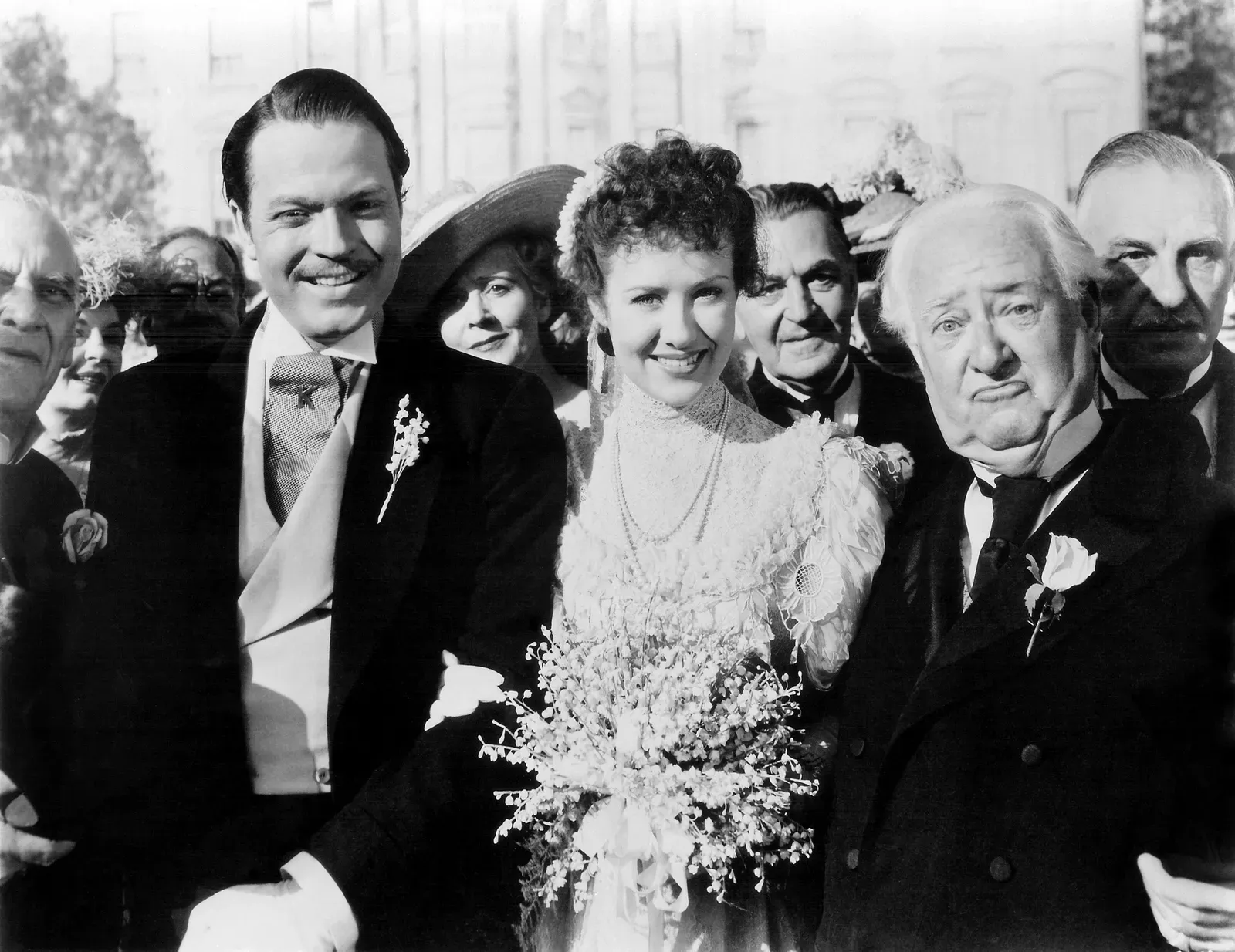
Film professors still treat this one as the gold standard, and for good reason. It ranked number one on the American Film Institute’s list of the best movies of all time. But being the “greatest film ever made” according to critics carries almost no weight with an audience that didn’t grow up being told that mattered, and a slow-burn newspaper mystery in black and white doesn’t exactly sell itself on a phone screen.
The pacing is really the sticking point. Younger viewers who have strayed away from watching full length shows due to universally shortened attention spans tend to find a film built on long dialogue scenes and deliberate visual symbolism a tough sit, regardless of its historical importance. The reputation as “homework cinema” sticks hard, and it’s one Gen Z rarely feels obligated to shake.
The Godfather (1972)
This is the one that surprises people the most, since Coppola’s crime saga still shows up on nearly every “greatest movies” ranking. Even so, a slow, dialogue-heavy nearly three-hour runtime is a real barrier for viewers used to content built around momentum. A notable share of Gen Z has cited not being interested in the movies available as a reason for skipping theaters altogether, with roughly three in ten calling it a major factor, and that same disinterest extends to older, slower-paced classics streaming at home.
Partner offer
The film’s reputation as required viewing almost works against it. When something is framed as culturally mandatory homework rather than genuine entertainment, younger audiences tend to push back on principle, choosing shorter, faster content instead. It’s less about the quality of the filmmaking and more about what a three-hour commitment actually costs in an attention economy built on quick returns.
2001: A Space Odyssey (1968)
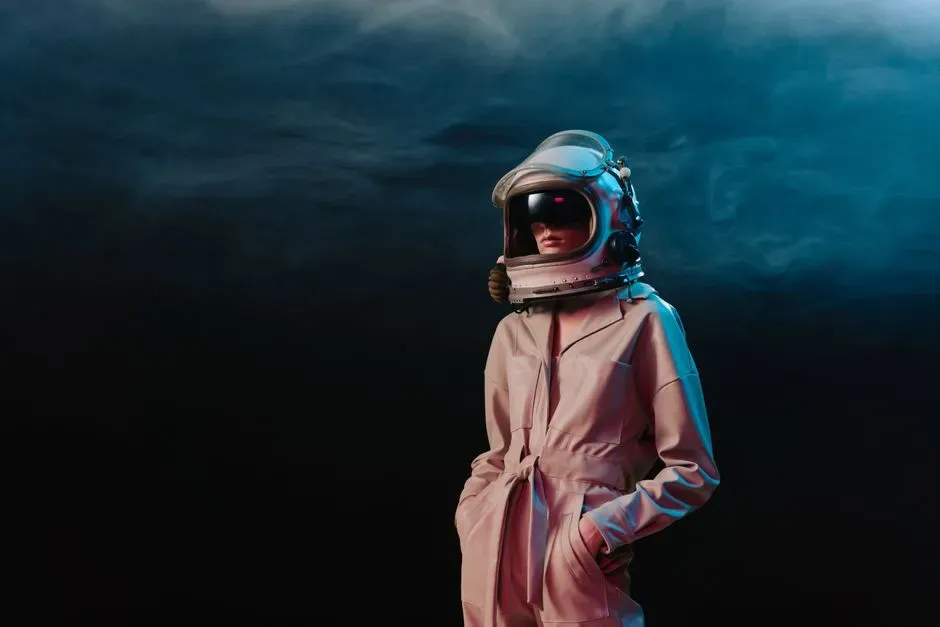
Kubrick’s meditation on evolution, artificial intelligence, and space travel is famous for its long, near-silent stretches. That’s precisely what turns a lot of younger viewers away before the ape sequence even ends. Modern filmmaking has trained audiences differently, since many modern movies feature shorter scenes and faster editing because audiences are used to short form video content from platforms like TikTok, a shift sometimes called the TikTokification of movies.
Interestingly, this isn’t a universal rejection. A growing number of Gen Z viewers are turning to slow cinema, not despite its slowness but because of it, treating it as a rare alternative to social media’s fleeting storytelling pace. Still, that appreciation tends to belong to a smaller subset of self-identified cinephiles rather than the broader generation, which is exactly why a film like this keeps landing on casual blacklists even as a niche audience quietly embraces it.
Casablanca (1942)
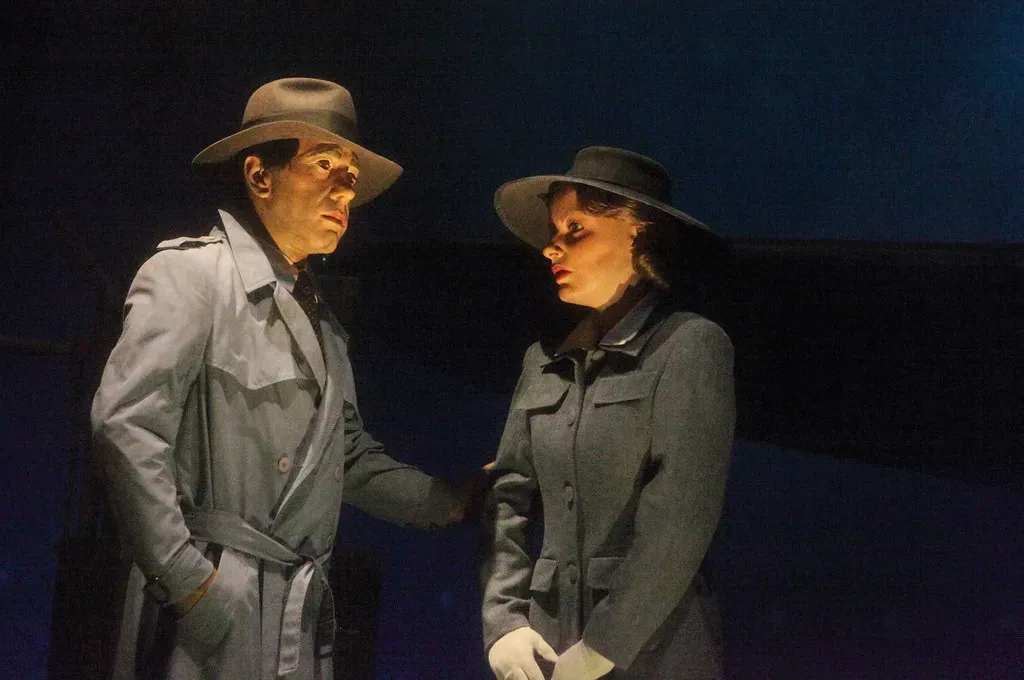
Bogart and Bergman’s wartime romance is often called the most quotable film in Hollywood history, yet that reputation means little to viewers who’ve never sat through a black-and-white love story from the 1940s. The stylized dialogue, the studio-era acting choices, and the unfamiliar wartime backdrop all combine to make it feel like a relic rather than a romance worth revisiting. It’s the kind of film people assume they already know through cultural osmosis, which paradoxically makes them less likely to ever actually watch it.
Broader viewing data backs up why a film like this struggles for attention now. About three-quarters of adults say they watch new movies through streaming rather than in theaters, reflecting a shifting tide that was already accelerated by the pandemic. When even brand-new releases are competing for limited attention spans, an eighty-year-old drama in black and white starts several steps behind before a single frame plays.
Sixteen Candles (1984)
John Hughes built a career on defining teen cinema, and this one still gets cited as a genre cornerstone. The trouble is that its jokes about race, its treatment of teenage girls, and its casual handling of consent read very differently to a generation raised on much stricter conversations about all three. What played as harmless comedy in 1984 now reads as a checklist of things that would never survive a modern script meeting.
This discomfort connects to a broader shift in what younger audiences will tolerate on screen at all. Nearly half of Gen Z-ers admit to turning off a movie after encountering a sex scene, more than any other generation, and Gen Z was the most likely generation to agree that sex scenes are either always or mostly unnecessary. A teen comedy built around exactly the kind of casual sexual content and stereotype-driven humor that generation actively avoids was never going to age well with them.
Partner offer
Planning a trip to Vegas?
Compare hotel rates and show tickets on VEGAS.com.