There’s something quietly magnetic about a book with a hidden origin. When a writer conceals their identity, works under someone else’s roof, or puts words to paper knowing those words could cost them everything, the resulting work often carries a weight that outlasts ordinary literature. The act of hiding becomes part of the story itself.
Some of history’s most enduring books were composed in attics, under pseudonyms, in clandestine manuscripts passed through intermediaries, or during long years of calculated silence. Each one has a backstory that rivals the text between its covers.
1. The Diary of a Young Girl – Anne Frank
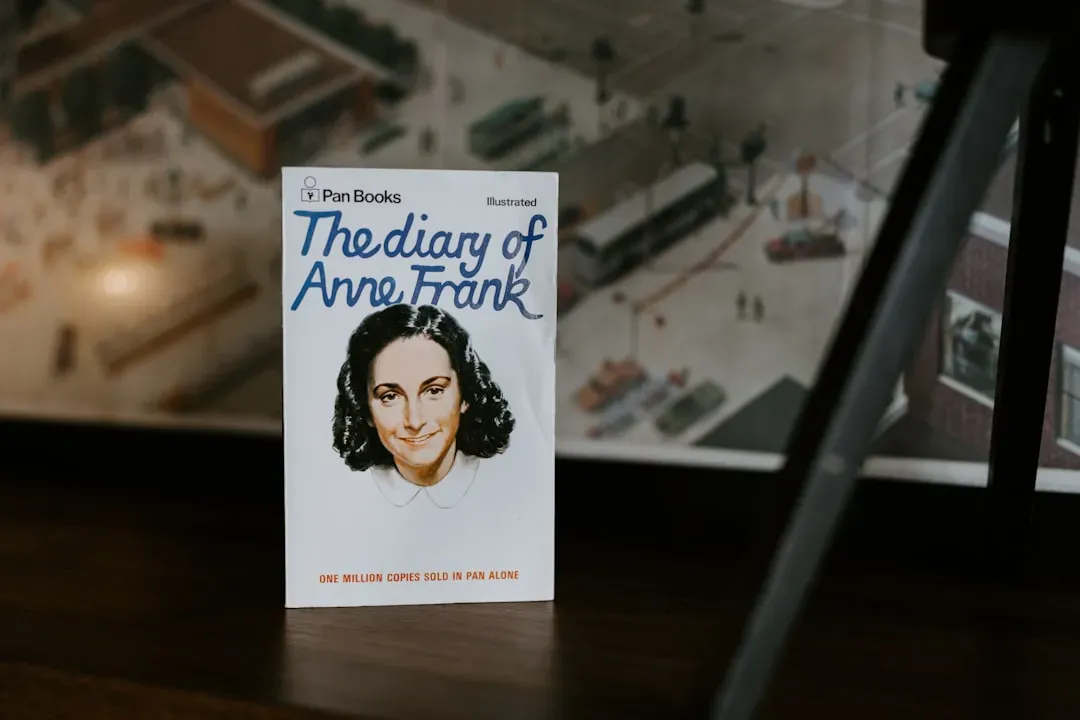
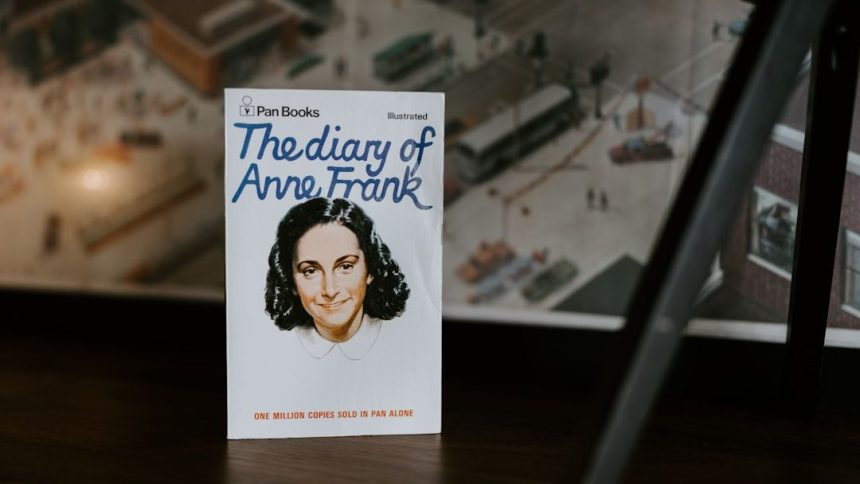
On June 12, 1942, Anne Frank received a red-and-white plaid diary for her 13th birthday. The following month, her sister Margot received an order to report to a labor camp, and the family went into hiding on July 6, 1942, moving into a concealed annex at Otto’s business in Amsterdam, the entrance to which was soon hidden behind a moveable bookcase. The diary she packed in her bag on that day became one of the most read documents in the history of the written word.
In total, Frank spent 761 days concealed in tight quarters with her family and four other Jewish people. To pass the time, she wrote in her diary, which was posthumously published in Dutch as “Het Achterhuis” (“The Secret Annex”) in 1947 and as “Anne Frank: The Diary of a Young Girl” in English in 1952. The work was eventually translated into more than 65 languages and later adapted for the stage and screen.
2. Frankenstein – Mary Shelley (Published Anonymously)
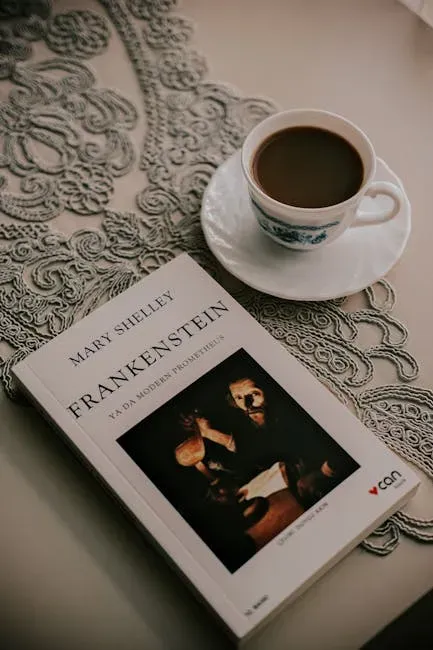
The tale of Frankenstein tells the story of a young scientist who creates a creature from parts of cadavers and animates him using electricity. Mary Shelley, the author, had originally published the story anonymously in 1818 when she was just 20 years old, but the second edition published five years later carried her name. Writing as a young woman in a literary world dominated by men, Shelley had good reason to let the novel speak before she did.
Many female authors historically masked their true identities to avoid unjust treatment and give their literature a fair chance. In the 19th century, some female writers adopted male pen names to help their work be published and accepted in male-dominated literary circles. Shelley’s choice to publish without her name was a form of self-protection in a world not yet ready to take a young woman’s gothic vision seriously on its own terms.
3. Vestiges of the Natural History of Creation – Robert Chambers
Robert Chambers had written “Vestiges” over two years in deep secrecy at his home at Abbey Park on the edge of St. Andrews in Scotland. He remained anonymous for the rest of his life, the secret of his authorship not being broken until the publication of the final 12th edition in 1884, twelve years after his death. The reason for his silence was practical and urgent: to protect his family’s business, he remained anonymous his entire life, fearing that if his authorship became known, the family’s successful publishing business would be boycotted and destroyed.
Great pains were undertaken to secure the secret of its authorship. After Chambers completed each section, his wife copied the manuscript, because Chambers was well known in the trade. Alexander Ireland of Manchester delivered the manuscript to the publisher, and proofs were delivered by the printer back to Ireland, who forwarded them to Chambers. Chambers shared the secret with only four people: his wife, his brother William, Ireland, and Robert Cox. The book was a sensation, and yet the man behind it remained invisible for four decades.
4. Primary Colors – Joe Klein (Published Anonymously)

Primary Colors: A Novel of Politics is a 1996 book published anonymously about the presidential campaign of a southern governor. It is a work of fiction based on real events and people, a roman à clef about Bill Clinton’s 1992 presidential campaign. It was later revealed that the author was columnist Joe Klein, who also wrote a sequel, “The Running Mate” in 2000. The secrecy was in some ways the book’s most effective marketing strategy.
Joe Klein, a political journalist, was eventually revealed as the writer, but the secrecy helped the book become a sensation. Its sharp satire, behind-the-scenes drama, and air of mystery made it a bestseller, selling over a million copies and even inspiring a hit film. The secret authorship became part of its allure, showing how anonymity can supercharge a book’s buzz.
5. Demian – Hermann Hesse (Published Under a Pseudonym)
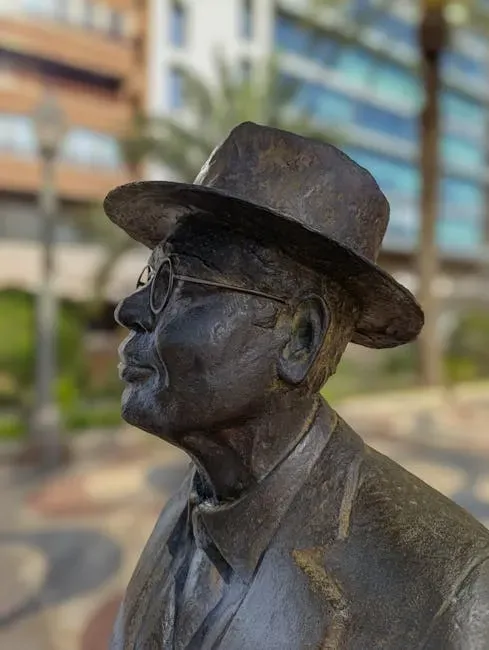
Hermann Hesse’s “Demian” was first published in 1919 under the pseudonym Emil Sinclair, allowing Hesse to explore deeply personal themes without fear of backlash. The novel follows a young man’s journey toward self-awareness and spiritual awakening, grappling with the dualities of good and evil. Hesse was already a recognized figure in German literature, which made the disguise all the more deliberate – he genuinely wanted the work evaluated without the weight of his reputation attached.
Its secret authorship let Hesse push boundaries and challenge societal norms in ways he may not have dared otherwise. When the true author was eventually identified, Hesse returned the Fontane Prize he had been awarded for “Demian,” refusing to accept recognition under false pretenses. The gesture said as much about the man as the novel did.
Partner offer
6. The Autobiography of an Ex-Colored Man – James Weldon Johnson
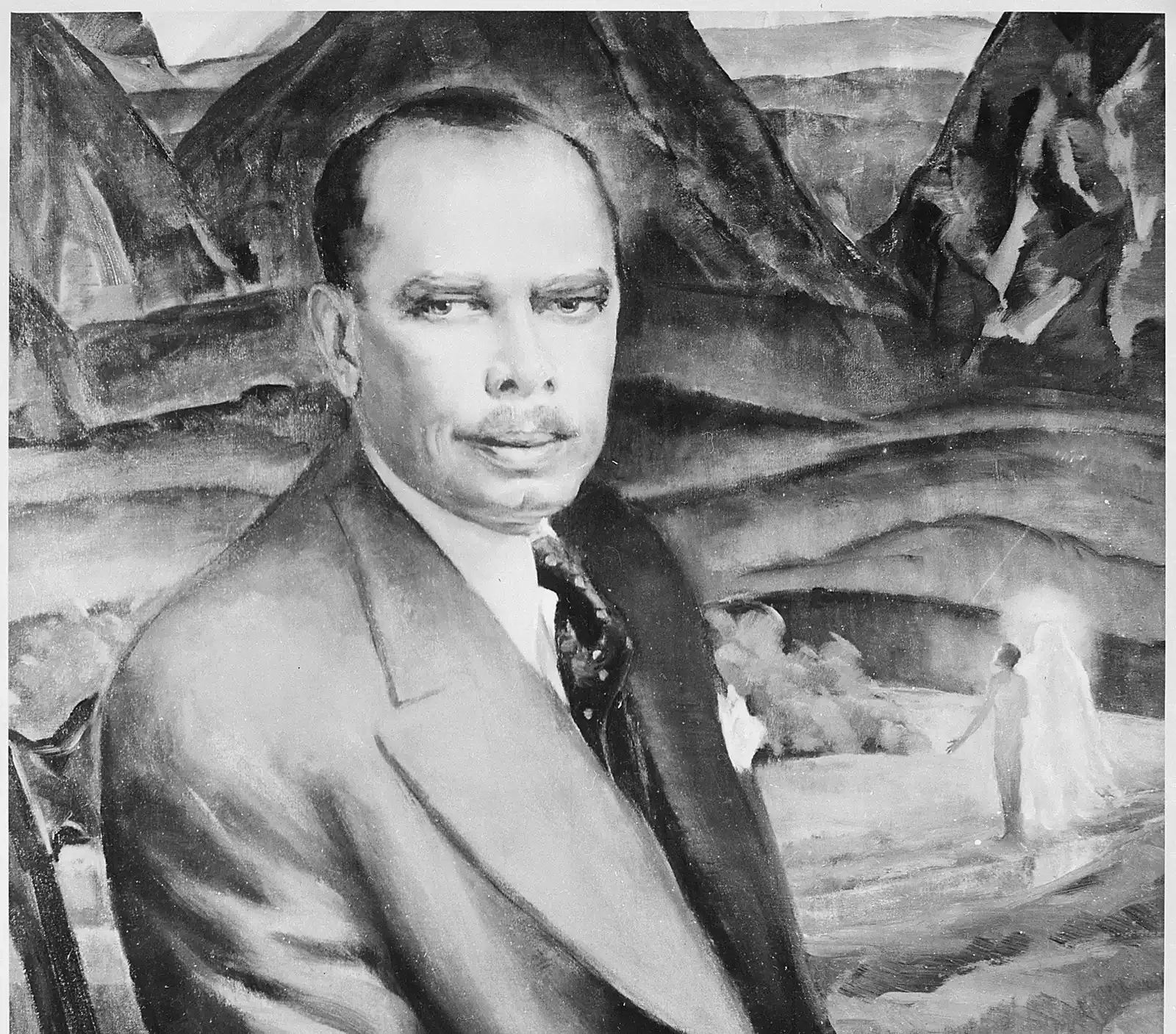
The Autobiography of an Ex-Colored Man, the story of a young biracial man, was published anonymously in 1912 by James Weldon Johnson, who revealed himself as the author in 1927. Published during an era of extreme racial tension in the United States, the novel’s narrator moves between Black and white society, eventually making the painful choice to pass as white. The anonymity was not incidental – it was a survival strategy for a Black author writing with radical candor about race in America.
When the book first appeared, many readers assumed it was a true autobiography, which deepened its impact considerably. The fiction of uncertain authorship created a kind of double exposure: a novel pretending to be a memoir, written by a real man pretending to be no one. Johnson’s later revelation of his authorship reframed the entire work and cemented its importance in the canon of African American literature.
7. A Warning – Anonymous (Senior Trump Administration Official)

Published in 2019, “A Warning” was written by “a senior Trump administration official” that expanded upon the anonymous 2018 essay “I Am Part of the Resistance Inside the Trump Administration” from The New York Times. The book was written while the author was still embedded within the administration, making the secrecy a matter not just of privacy but of professional and possibly personal safety.
Authors may choose to remain anonymous because it allows them to avoid legal, political, or social limitations that society has imposed upon them. In this case, the identity of the author has never been definitively confirmed, and the book reads with the weight of that unresolved mystery still attached to every page. It stands as one of the more recent and striking examples of political secrecy shaping how a text reaches the world.
8. Lazarillo de Tormes – Unknown Author
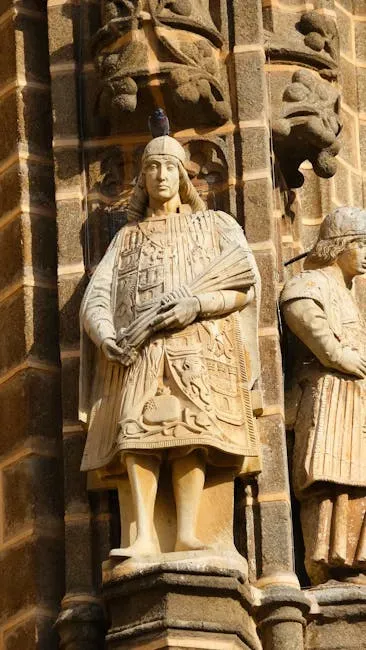
Lazarillo de Tormes is a Spanish novella which was published in three cities in 1554. The novella’s content was regarded as heretical due to its open criticism of the Catholic Church, and this is most likely the reason it was published anonymously. The book is one of the earliest examples of picaresque literature, a genre that tells the story of a roguish protagonist surviving through wit and cunning. Published anonymously, likely due to its criticism of the church and societal norms, it offers sharp satire and a vivid portrayal of life in 16th-century Spain.
The author’s identity has never been conclusively established, despite centuries of scholarly effort. Various candidates have been proposed over the years, including clerics, nobles, and humanist scholars, but none has been confirmed beyond dispute. The silence at the center of the book’s origin is, in a way, its most faithful reflection of the era – a time when speaking too plainly could end a career or a life.
9. Go Ask Alice – Beatrice Sparks (Published as Anonymous)

Go Ask Alice, published in 1971, is a novel about a teenage girl who becomes addicted to drugs at 15 years old, runs away from home, and embarks on a journey of self-destructive escapism. Originally attributed to an anonymous author, the book was presented as being the “real diary” of an unnamed teenage girl. The book’s authenticity and authorship was questioned in the late 1970s, and it is now generally viewed as a work of fiction written by Beatrice Sparks, a therapist and author.
Purported to be the diary of an anonymous teenager, the authorship of “Go Ask Alice” has remained as disputed and discussed as the book’s portrayal of adolescent drug addiction. Still in print after 40 years, the “diary” is now generally housed in the fiction section and most evidence points to Beatrice Sparks, the book’s supposed editor, as its true author. The disguise was so effective that it shaped a generation’s understanding of teen drug use, for better or worse, before anyone seriously questioned who had actually written it.
10. Diary of an Oxygen Thief – Anonymous

Diary of an Oxygen Thief is a Dutch novel, published in 2006, professing to be an autobiographical account of an Irish advertising executive living first in London and later in America. The book was written anonymously and published in Amsterdam. Although it has become extremely popular, the identity of its author continues to be a mystery.
Originally self-published by an anonymous author, this controversial novel gained a cult following for its raw and unfiltered depiction of emotional manipulation and heartbreak. “Diary of an Oxygen Thief” follows the inner monologue of a man who admits to deriving pleasure from emotionally harming women, only to eventually fall victim to the same treatment. The anonymity of the author adds to the confessional tone and mystery of the book, leaving readers to speculate about the authenticity of the story. Years after its initial release, the identity of its author still has not been definitively established, which has done nothing to dim its cult appeal.
What connects all ten of these books isn’t just concealment for its own sake. In most cases, secrecy was the only door through which the work could reach the world at all. The hiding was the point. Whether the author feared the church, the government, public ridicule, or simply the weight of their own reputation, the act of writing in secret gave the work a kind of freedom that open attribution might have denied it entirely.
Partner offer
Planning a trip to Vegas?
Compare hotel rates and show tickets on VEGAS.com.