


The 1960s gave the car world a strange mix of optimism, horsepower, and design risk. Detroit was chasing younger buyers, Europe was refining the sports car, and Japan was just starting to show what it could do.
Ten models stand out for how they looked, how they drove, and how they changed what people expected from a car. Each one is still a regular sight at shows and auctions today.
Ford Mustang (1964½)

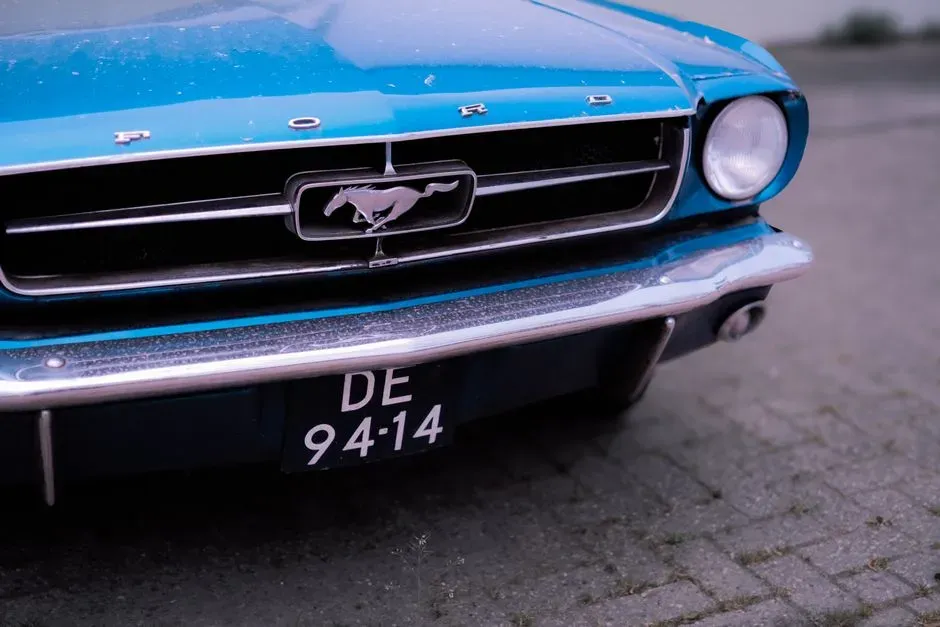
Ford introduced the Mustang in April 1964, and it created the pony car class almost overnight. It was built on Falcon underpinnings, which kept costs down, and the base price was low enough for young buyers to afford one. Ford reportedly sold more than 400,000 in its first year.
Buyers could choose anything from a modest six cylinder to a V8 with real muscle. That range of options was the secret, since one car could be a commuter, a cruiser, or a weekend racer. First generation cars remain among the most collected American classics.
Chevrolet Corvette Sting Ray (1963)

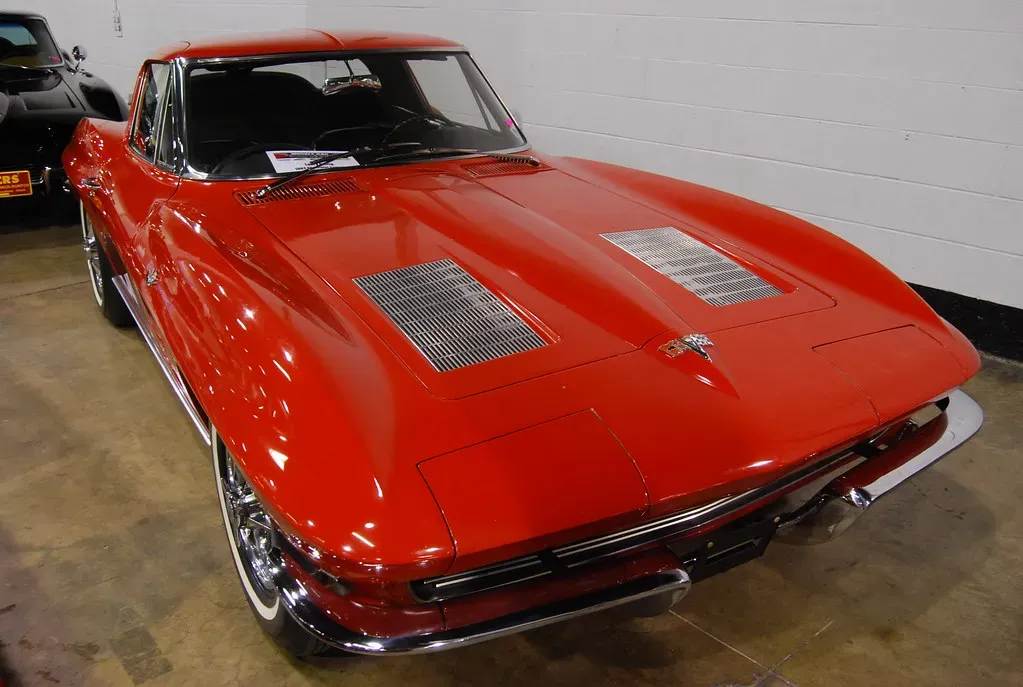
The second generation Corvette arrived for 1963 with independent rear suspension and a sharp new shape. The 1963 coupe is famous for its split rear window, which lasted only that one year. Designer Larry Shinoda and Bill Mitchell’s team shaped its look.
Engines grew steadily through the decade, topping out with big block V8s late in the 1960s. Today a split window coupe is one of the most sought after Corvettes. Many collectors consider the whole generation a high point for the nameplate.
Jaguar E-Type (1961)

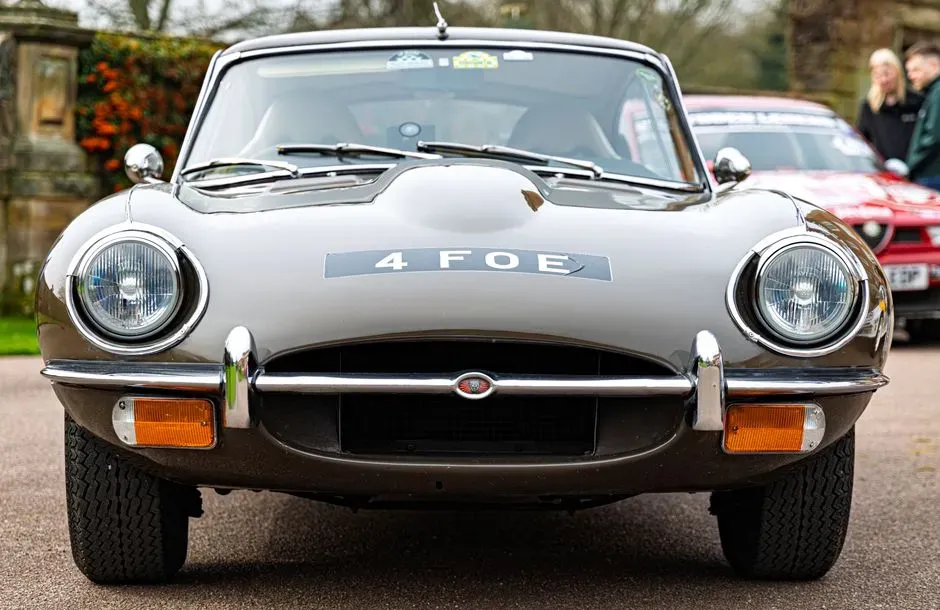
Jaguar unveiled the E-Type at the Geneva Motor Show in 1961, and the reaction was immediate. It combined a long, curved body with a 3.8 liter straight six, and it was quoted at around 150 miles per hour. At its price, it undercut rivals that offered far less performance.
Enzo Ferrari is often said to have called it the most beautiful car ever made, though that story is hard to verify. What isn’t in doubt is its place in museum collections, including New York’s Museum of Modern Art. Roadsters and coupes both remain highly prized.
Porsche 911 (1964)

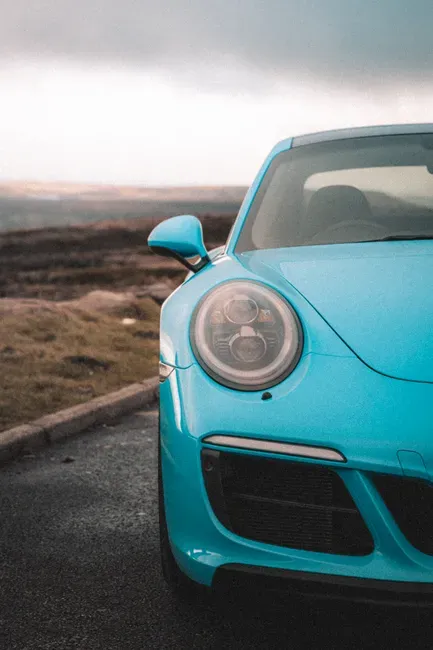
The 911 debuted in 1963 at Frankfurt and went into production in 1964, replacing the Porsche 356. Its rear mounted air cooled flat six gave it a distinctive sound and a quirky balance. Early cars made about 130 horsepower from two liters.
The basic layout has survived for over sixty years, which is remarkable in any industry. Early long hood 911s are now prized by collectors for their light weight and purity. The later S and T variants broadened the lineup before the decade ended.
Shelby Cobra 289 and 427
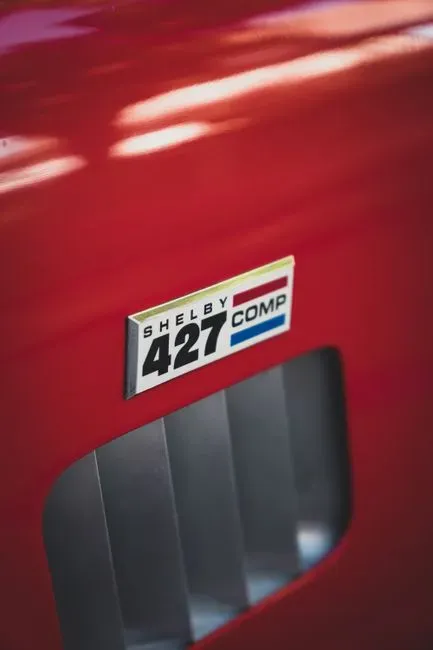
Carroll Shelby took a lightweight British AC Ace chassis and fitted a Ford V8, and the Cobra was born in 1962. Early cars used the 289 cubic inch engine, then the brutal 427 arrived in 1965. Output on the big block cars was extreme for the time, with a tiny, light body.
Partner offer

Original Cobras are among the most valuable cars in the world, with the rarest examples reaching multimillion dollar prices at auction. Reproductions are common, so provenance matters a lot. The car’s racing success, especially against Ferrari, built its legend.
Pontiac GTO (1964)

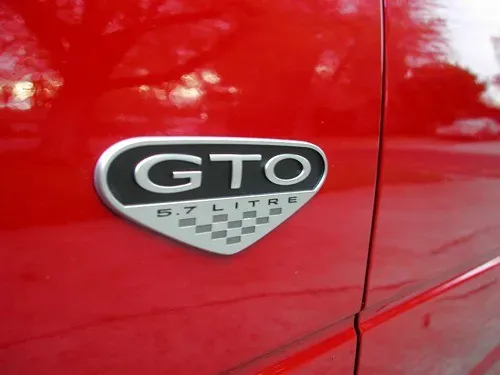
Pontiac’s GTO is widely credited with kicking off the muscle car era. Engineers fitted a 389 cubic inch V8 into the midsize Tempest, bypassing a General Motors rule that limited engine size in smaller cars. The name came from the Ferrari 250 GTO, which drew some criticism at the time.
It sold strongly, and rivals scrambled to answer it. A later model year brought the nickname The Judge, with bold graphics and a Ram Air option. Originals in good shape remain central to the muscle car market.
Aston Martin DB5 (1963)

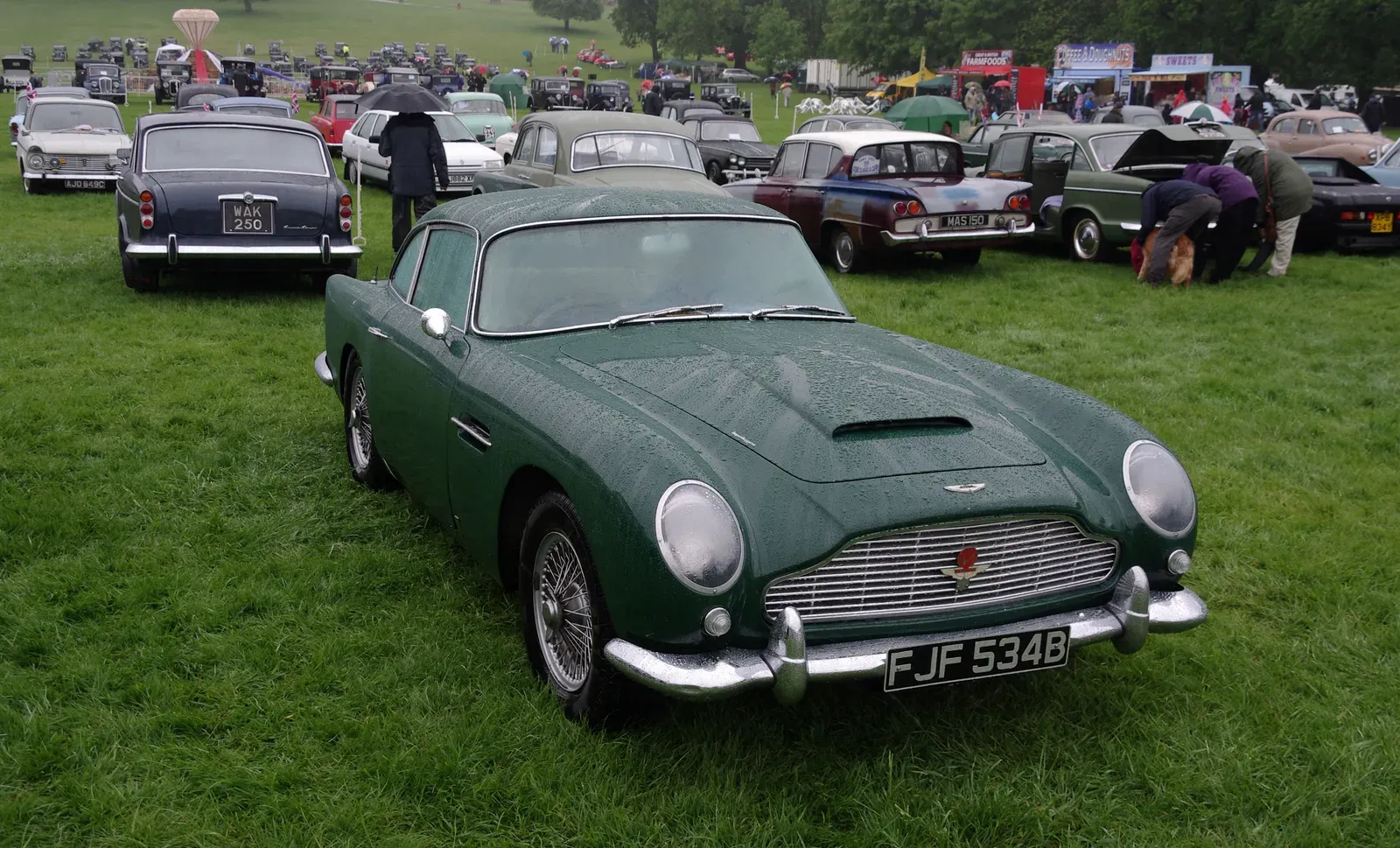
The DB5 was a refined British grand tourer, powered by a four liter straight six. It became a global icon after appearing in the 1964 film Goldfinger as James Bond’s car. Aston Martin built only about a thousand of them.
Its mix of hand built quality and cinema fame keeps values high. Production was short, running from 1963 to 1965. A few examples sold at auction have reached prices in the millions.
Volkswagen Beetle (Type 1)

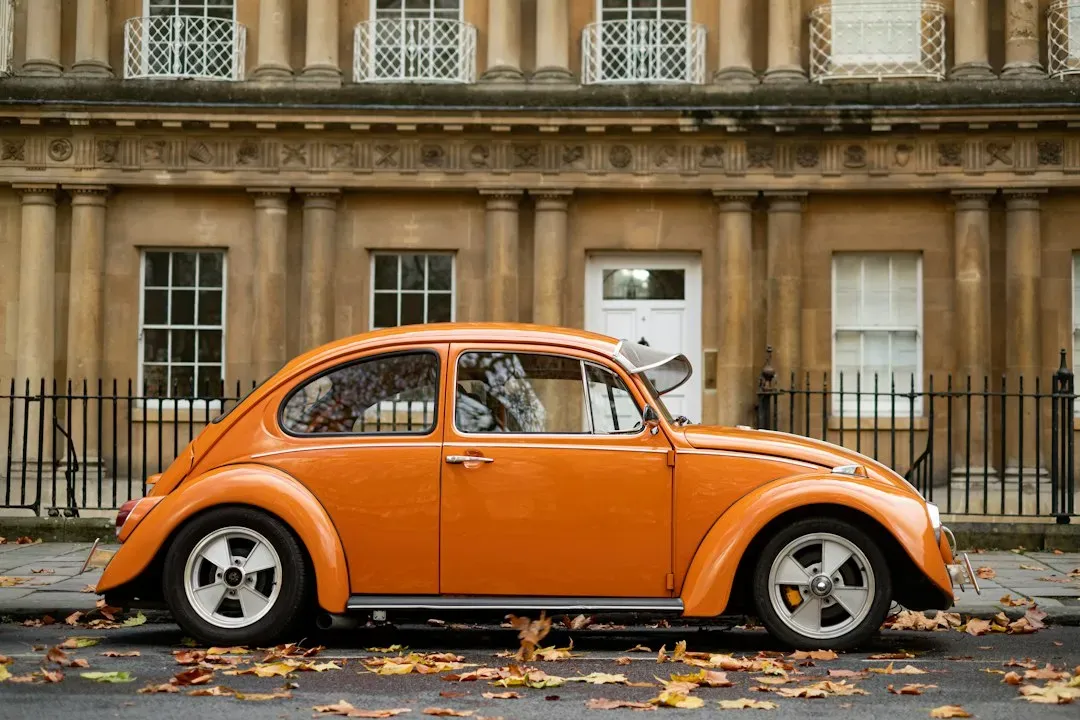
The Beetle wasn’t fast or glamorous, but few cars were as influential in the 1960s. Its air cooled rear engine design stayed essentially unchanged, and it became a counterculture favorite in the United States. Clever advertising helped it stand out in a market of big cars.
Production of the original Type 1 continued for decades, passing 21 million units overall. Cheap, durable, and simple to repair, it earned affection that survives among restorers. Its 1960s versions are especially popular with enthusiasts.
Dodge Charger (1966)

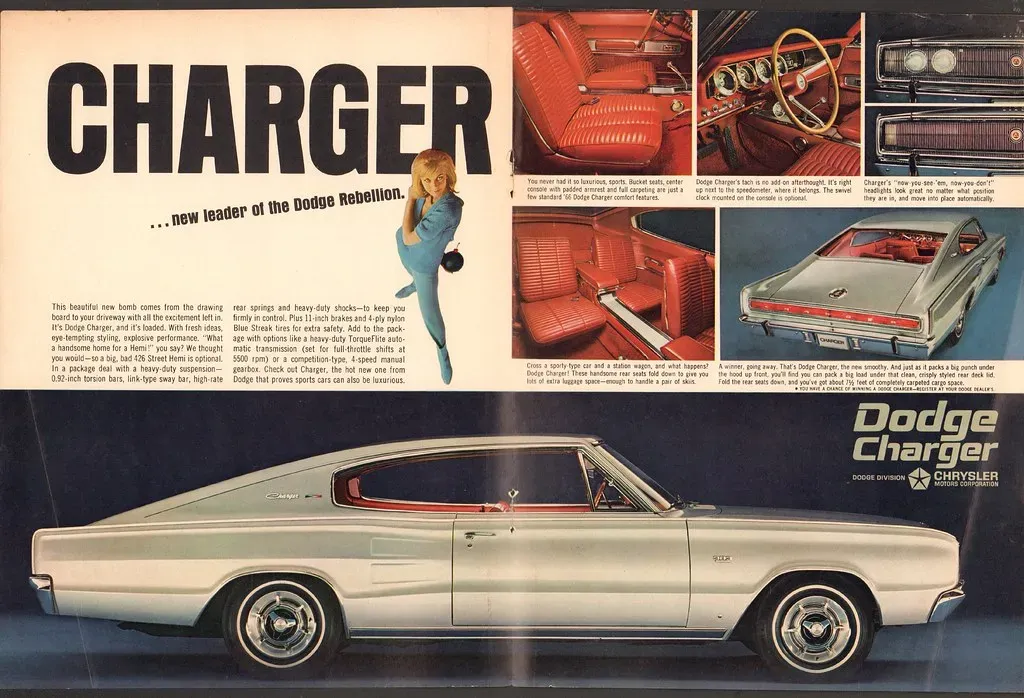
Dodge launched the first generation Charger for 1966 with a fastback roof and hidden headlights. It could be ordered with the 426 Hemi, a race derived engine that made the car a serious performer. Sales were modest at first, though the car became much better known later.
The redesigned 1968 Charger is probably the version most people picture, helped by its screen time in the film Bullitt as a villain car. Strong lines and big engines made it a staple of American muscle. Clean examples are valued highly by collectors.
Toyota 2000GT (1967)

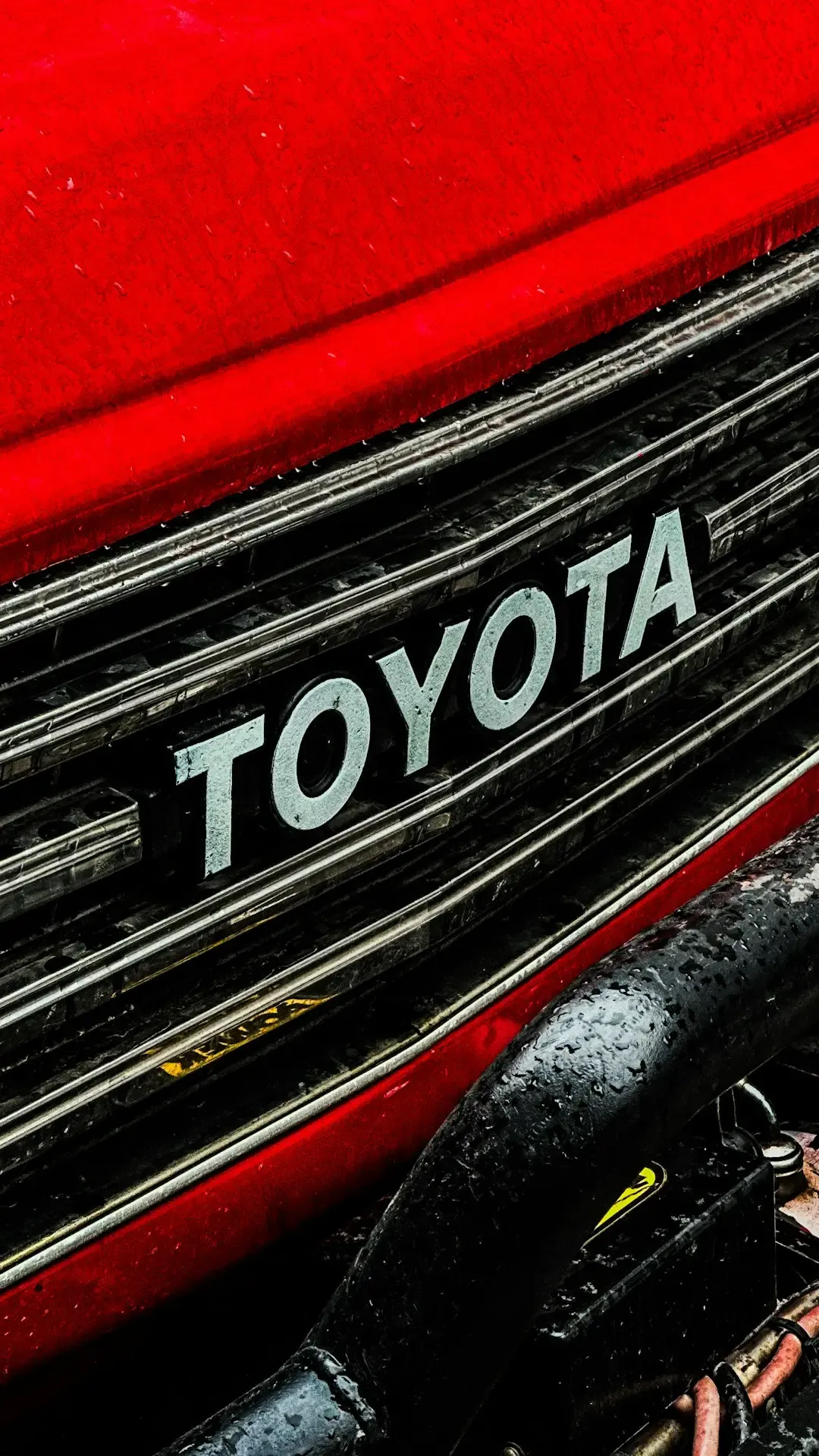
Toyota’s 2000GT showed that Japan could build an exotic sports car. It used a two liter straight six developed with Yamaha, and its low, flowing body looked European. Production was tiny, with only a few hundred built through 1970.
It also appeared in the 1967 Bond film You Only Live Twice, in a special convertible form. Because it was so rare, prices have climbed dramatically, with top sales reaching well over a million dollars. It is often cited as the first Japanese collectible supercar.
Partner offer
Planning a trip to Vegas?
Compare hotel rates and show tickets on VEGAS.com.


