There’s something almost electric in the air these days when people talk about travel. I know it sounds crazy, but the way we approach getting on a plane or booking a hotel has fundamentally shifted in the last couple of years. Roughly more than four out of five travelers say that traveling sustainably is important to them, which honestly shows just how much values have changed. We’re living in a time where choosing where to go isn’t just about beaches and Instagram photos anymore.
The eco-tourism market is projected to grow from roughly two hundred fifty billion in 2024 to almost three hundred billion in 2025, and is expected to climb to nearly five hundred billion by 2029. These aren’t just numbers on a spreadsheet. They represent a fundamental rethinking of what it means to explore our planet. Let’s be real, this shift couldn’t come at a better time.
Costa Rica: The Gold Standard for Green Travel

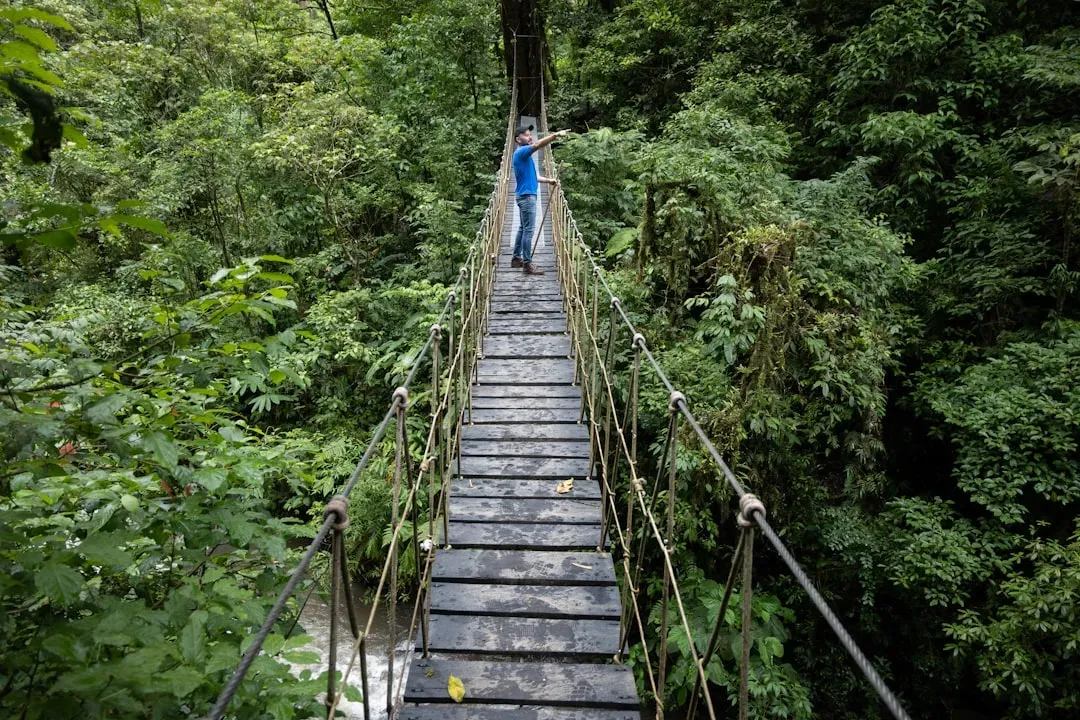
Costa Rica is basically the poster child when it comes to sustainable travel, famous for its biodiversity, lush rainforests, volcanoes, and incredible wildlife, but what makes it really stand out is how serious it is about sustainability, with the country committed to being carbon-neutral and nearly all of its electricity coming from renewable sources. Honestly, that’s remarkable.
Walking through a cloud forest in Monteverde or watching sea turtles nest in Tortuguero isn’t just tourism. Each year, Costa Rica welcomes more than one and a half million visitors, with a good percentage coming to enjoy ecotourism activities, and the country’s ecotourism industry has been so successful that Costa Rica was able to double its forest cover within the last three decades. Think about that for a moment. The financial incentive to protect nature actually worked. It’s hard to say for sure whether this model can be replicated everywhere, but it certainly proves that conservation and economic growth don’t have to be enemies.
Norway’s Fjords: Where Innovation Meets Nature
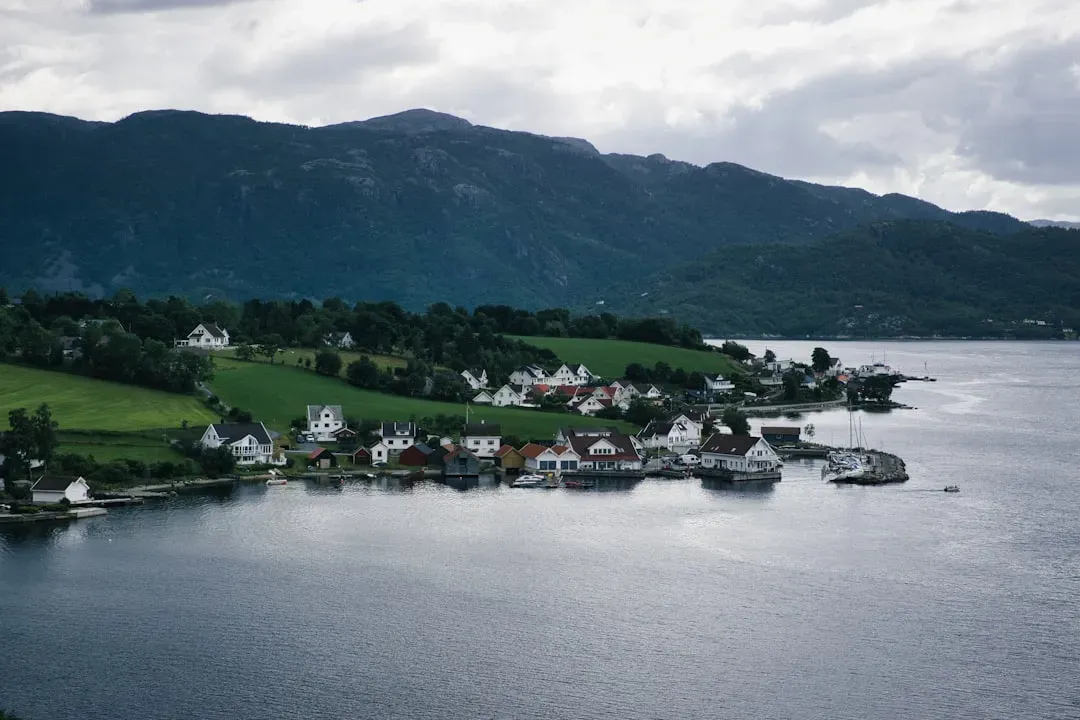
Norway’s Fjord region is a model of sustainable tourism, with the country and this region in particular focused on green initiatives that are open to travelers. Here’s the thing: you can actually experience this commitment firsthand.
Travelers can explore the fjords aboard eco-friendly Havila Kystruten ships that run on hybrid energy to cut carbon emissions and glide quietly through UNESCO-listed waters like Geirangerfjord. The silence itself feels different when you know you’re not leaving a heavy carbon trail behind. The planned Svart hotel in Meløy, close to the Arctic Circle, is slated to be the world’s first energy-positive hotel when it opens, entirely off-grid, using solar panels and innovative energy-saving measures to generate one hundred sixty percent of its energy needs over fifty years. That’s not just sustainable, that’s regenerative.
Slovenia: Europe’s Hidden Green Gem


Slovenia is a small country tucked between Italy, Austria, Hungary, and Croatia, packed with mountains, lakes, forests, and charming towns all with a strong focus on sustainability, with the capital Ljubljana named Europe’s Green Capital in 2016, boasting one of the most pedestrian-friendly old towns you’ll ever see, where cars are mostly banned from the city center. I think what makes Slovenia so compelling is how they’ve scaled green living beyond theory.
The countryside is equally impressive. Lake Bled, with its fairytale island church, manages tourism in a way that protects its pristine environment. There are plenty of green spaces, bike rentals, and public transportation options that make exploring super easy and low-impact. You get both European charm and genuine eco-credentials without compromise.
Bhutan: The Carbon-Negative Kingdom


Bhutan might just be the most unique place, not just because it’s tucked high in the Himalayas and full of stunning monasteries, but because it’s the only country in the world that’s carbon-negative, with Bhutan protecting over sixty percent of its land as forest, banning single-use plastics, and limiting the number of tourists through a high-value, low-impact tourism policy. That policy might sound exclusive at first, but it makes sense.
You’ll have to pay a daily sustainable tourism fee to visit, but it ensures that tourism doesn’t overwhelm the environment or culture, and what you get in return is priceless: unspoiled landscapes, peaceful temples, vibrant festivals, and a truly authentic experience, with hiking the Tiger’s Nest Monastery being bucket-list worthy in a country where sustainability is literally written into its constitution. The fee isn’t a barrier; it’s an investment in preservation.
Iceland: Geothermal Wonders and Renewable Power

Iceland is nearly fully powered by renewable energy through geothermal and hydro sources, a strong sustainability indicator, with the tourism model for 2025 emphasizing responsible exploration of glaciers, volcanoes, and geothermal pools. The landscape itself feels otherworldly.
You can soak in the Blue Lagoon knowing it’s heated by the earth itself, not fossil fuels. Reykjavik runs on hydrogen fuel cells for public transport. Reykjavik is one of the most eco-friendly cities in the world, powered by geothermal energy with its public transportation system running on hydrogen fuel cells, allowing visitors to explore its unique architecture, vibrant culture, and beautiful natural scenery while minimizing their carbon footprint. Honestly, it’s a glimpse of what travel could look like everywhere if we commit to it.
Portugal: Rising Star of Regenerative Travel

Portugal is a rising star for eco-minded travelers, with a boom in regenerative hikes in the Algarve and Azores, plus train trips, while France makes booking eco-lodges easy with platforms and low-carbon options now mainstream. The Azores in particular deserve attention.
Partner offer

Portugal’s Azores are a paradise for sustainable travel, with guided eco-tours being one of the greenest ways to explore the islands, where visitors can hike the volcanic landscapes of São Miguel, Terceira, and Pico, each with a unique ecosystem and commitment to sustainability. These aren’t mass-market resorts. They’re carefully managed natural wonders where your presence supports conservation rather than degrading it. On the mainland, hiking through Peneda-Gerês National Park or staying at eco-lodges that support local communities offers a blend of adventure and responsibility.
New Zealand: Nature and Māori Heritage Combined


New Zealand has long been a nature lover’s paradise, but in 2025 it continues to lead in sustainable travel, with the government pledging to be carbon-neutral by 2050 and actively supporting eco-tourism businesses. What I find particularly compelling is how deeply indigenous knowledge is woven into conservation here.
The country has implemented a range of environmentally friendly policies, such as protecting wildlife habitats, promoting sustainable farming practices, and encouraging eco-friendly transportation, with New Zealand also home to absolutely stunning and diverse landscapes including beaches, mountains, hot springs, and forests. You can stay at eco-lodges, interact with Maori communities to learn traditional land stewardship, and experience Milford Sound or Lake Tekapo knowing your visit contributes to preservation. Hiking and kayaking let you experience raw beauty while minimizing impact.
Denmark: Urban Sustainability at Its Best

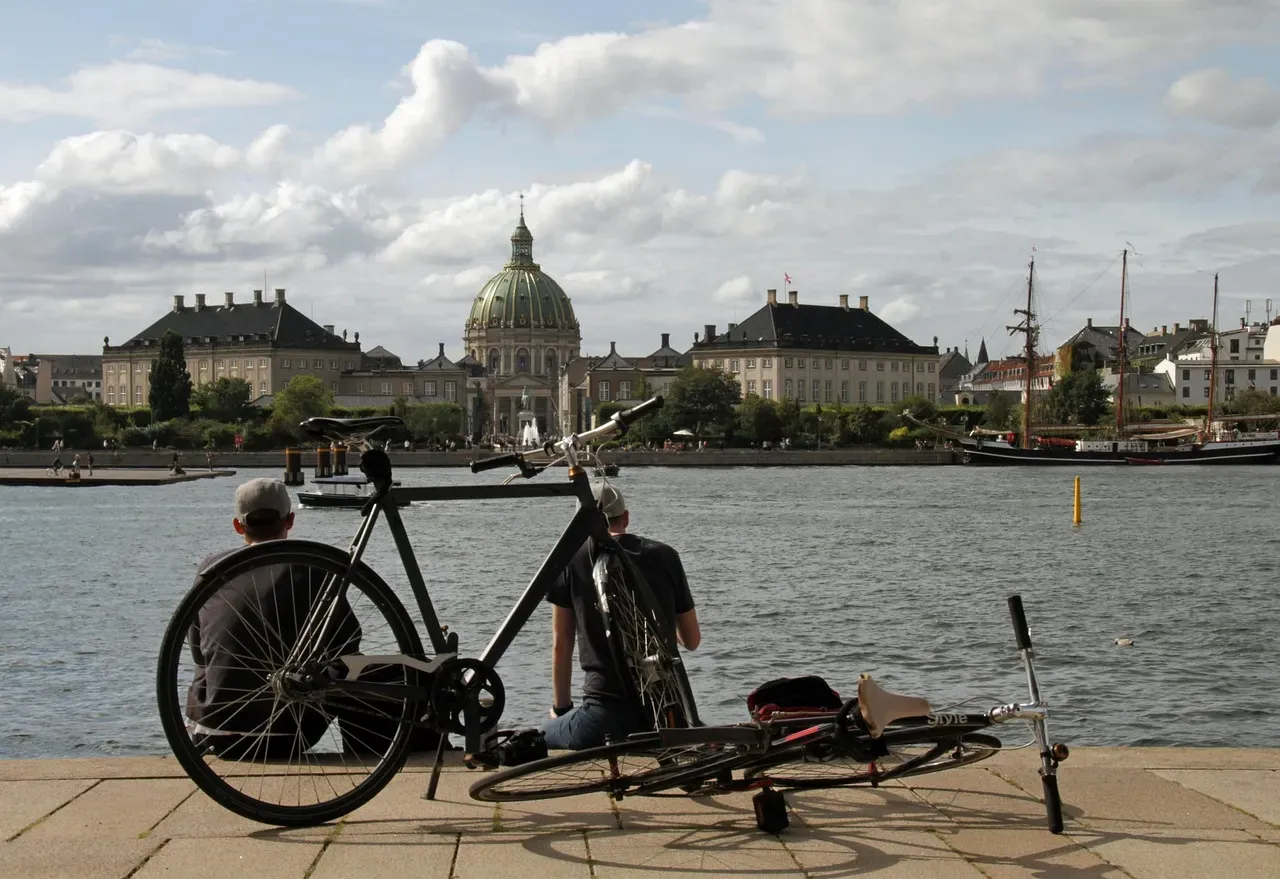
Copenhagen is often cited as one of the most sustainable destinations globally, with Aarhus and other Danish cities also prominent in sustainability rankings, making it a smart pick for combining European urban culture with sustainability practices. The Danish approach is refreshingly practical.
Denmark, a leader in sustainable urban design, has implemented policies that encourage cycling, walking, and public transportation while promoting green spaces and renewable energy, and is also home to Copenhagen, recently lauded as the most sustainable travel destination in the world, with a vibrant food and culture scene making it an ideal destination for those who want to travel sustainably and soak up the good life. You can bike everywhere, eat incredible farm-to-table meals, and explore world-class museums knowing the entire city infrastructure supports low-carbon living.
Tanzania: Wildlife and Eco-Adventures

Ecotourism highlights in Tanzania include Mount Kilimanjaro, the Serengeti, and Zanzibar, an archipelago raved about for its clear warm waters, coral reefs, and marine biodiversity, with Tanzania also known for its chimpanzee population and terrific ecotourism activities in Gombe National Park where proceeds help protect these chimpanzees’ natural habitats. Safari tourism done right can be transformative.
Witnessing the Great Migration or tracking chimpanzees isn’t just about ticking off bucket-list items. The revenue supports anti-poaching efforts, community development, and habitat restoration. Choosing responsible tour operators means your visit actively contributes to wildlife survival rather than exploiting it.
Understanding the Numbers: Why This Matters


The global ecotourism market size is expected to have increased by roughly thirteen percent to around two hundred eighty billion in 2025, from roughly two hundred fifty billion in 2023, and is predicted to reach almost five hundred billion in 2029, while choosing sustainable accommodation costs an average of one hundred fifty-one dollars less per night and was roughly forty percent cheaper than non-sustainable options, with a sizeable eighty-four percent of travelers saying that traveling more sustainably is important to them. Here’s what strikes me: sustainable travel is becoming more affordable, not less.
Roughly sixty percent of global travelers are prepared to pay higher prices to support environmentally responsible businesses, forty-two percent of tourists now plan trips during off-peak seasons to minimize environmental impact and avoid overcrowding, and searches for sustainable travel have surged by over sixty percent in the past two years. These shifts aren’t just trends. They represent a fundamental change in values that’s reshaping the entire industry.
The Road Ahead


What I find most hopeful about sustainable tourism in 2026 isn’t just the destinations or the statistics. It’s the mindset shift. In 2026, what used to be niche eco-travel is stepping into the mainstream, with destinations that commit to green infrastructure and community benefit winning traveler confidence.
We’re at a crossroads where the choices individual travelers make genuinely shape how the industry evolves. What began as isolated conservation efforts is evolving into a global network of sustainable tourism destinations bound by shared ethics and economic logic, signaling a deeper transformation where tourism isn’t an extractive industry but a regenerative force healing the very world it explores. That transformation depends on us choosing responsibly, asking questions, and supporting places that do it right.
So what do you think? Are you ready to rethink how you travel and where your next adventure takes you? The planet we explore deserves travelers who care enough to tread lightly and leave it better than we found it.
Partner offer
Planning a trip to Vegas?
Compare hotel rates and show tickets on VEGAS.com.